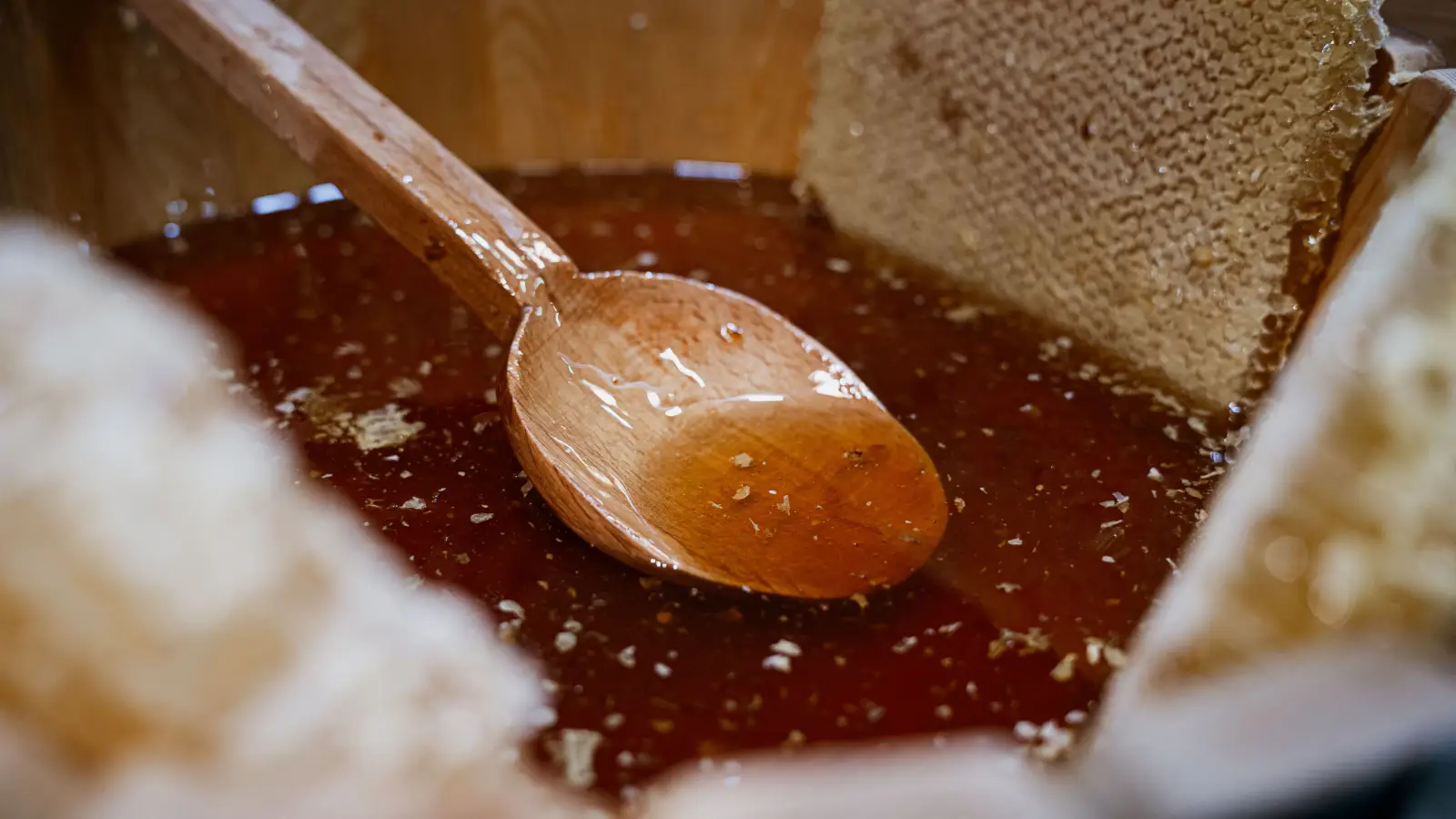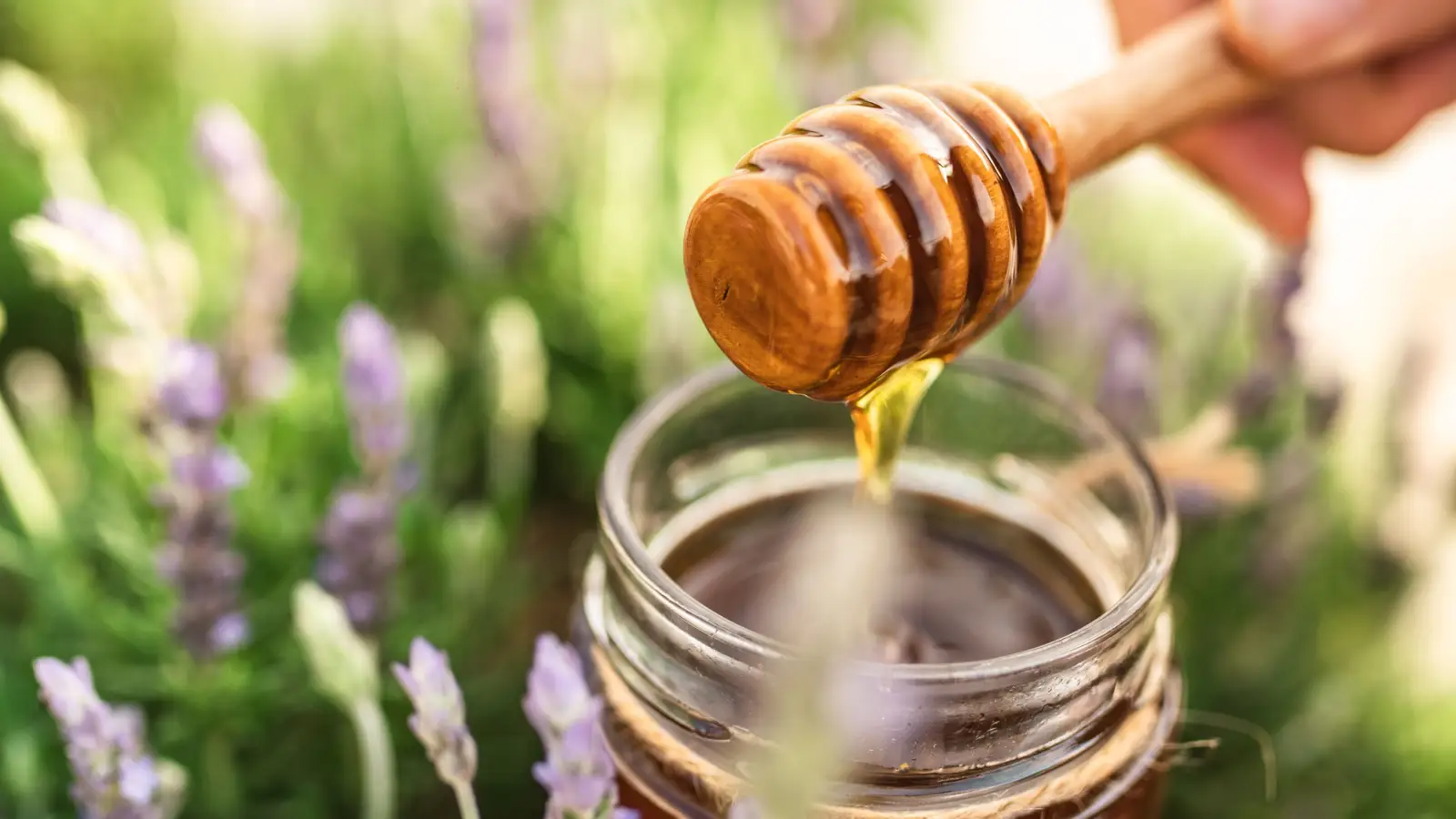
The word “local” on a honey jar has no legal meaning. The USDA does not define “local” for honey, so that jar can come from 50 miles away or 500 miles away. The pollen inside does not match your local allergens. That fact alone collapses the popular belief that local honey relieves seasonal allergies.
Why the Word ‘Local’ on Honey Sends You Down the Wrong Path
People buy local honey because they’ve been told it delivers a natural allergy shot. The logic sounds simple: consume pollen from nearby plants, build tolerance. So they pay $10 or more for that promise. But when “local” carries no enforceable boundary, you cannot know whether your spoonful exposes you to region-specific pollen or to pollen from hundreds of miles away—where bloom cycles and species are completely different. In practice, the label often sells you a story, not a solution.
How the Labeling Gap Upends the Allergy Claim
No Federal Definition for ‘Local’ Exists
The USDA grades honey on moisture, clarity, and flavor—not proximity. The FDA has never set a mileage or geographic rule for calling a food “local.” Without one, the term sits entirely with packers and retailers. That regulatory hole is why any jar can wear the word without proving closeness.
Industry and State Guidelines Set Inconsistent Distances
Where the federal government stays silent, states and industry groups have filled the gap with a patchwork of standards. A honey producer in Pennsylvania may call everything within 50 miles “local.” A Montana co-op may stretch that to 200 miles. A national chain might slap “local” on any honey from the same state—even if that state spans 500 miles. The National Honey Board’s True Source Certified mark verifies origin but does not define “local.” The result: the same word means entirely different geographic realities depending on who printed the label.
The Pollen in Honey Rarely Matches Allergy Triggers
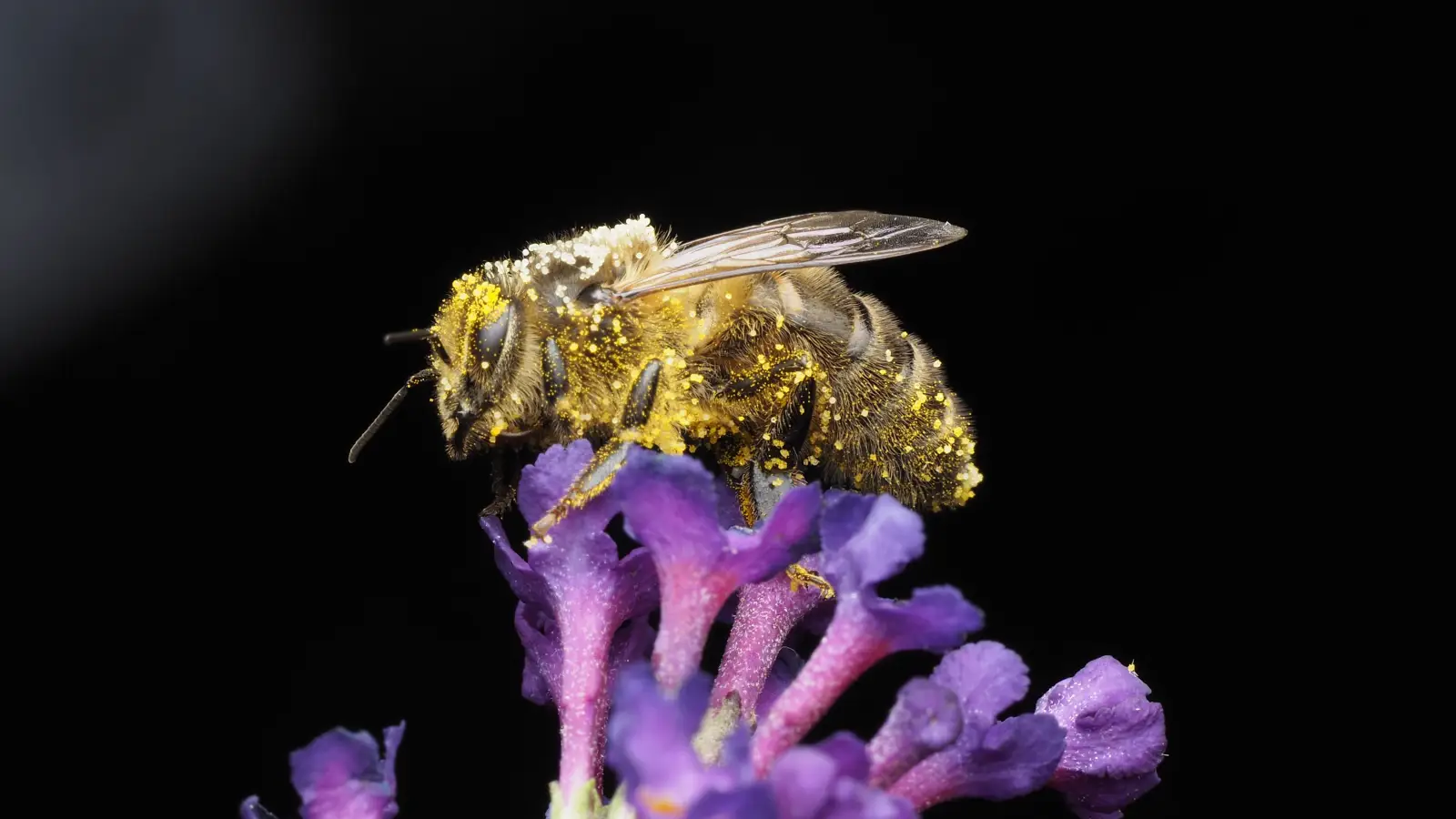
Even if a beekeeper truly sells honey from hives less than 5 miles from your home, the pollen inside is not what makes you sneeze. Bees forage insect-pollinated flowers—clover, wildflower, fruit blossoms. Seasonal allergies come from wind-pollinated grasses, trees, and weeds whose lightweight pollen stays airborne. Honey’s pollen is largely the wrong type to desensitize your immune system to the actual irritants that cause hay fever. The “local” label cannot override that fundamental biological mismatch.
Three Claims About Local Honey That Don’t Hold Up
Claim: Eating Local Honey Gradually Cures Seasonal Allergies
There is no clinical evidence behind it. The idea borrows from immunotherapy—exposure to small allergen amounts—but honey’s pollen doses are inconsistent and the species is often irrelevant. Several small studies found no difference between honey and a placebo. Relying on local honey instead of proven treatments simply extends discomfort.
Claim: A ‘Local’ Label Guarantees the Honey Came from Nearby
The term is unregulated. A vendor at a farmers market may travel from several counties away. A grocery store jar with a “local” sticker could be blended honey from multiple states, repackaged and labeled “local to the region.” Without asking the producer directly, distance is unknowable.
Claim: If It’s Local, It Must Be Raw and Unprocessed
Many buyers equate “local” with raw, unfiltered honey. In reality, a product labeled local can be pasteurized, heavily filtered, or blended. “Local” speaks only to a claimed origin—not to processing. If raw honey is the goal, look for that exact word.
Your Questions About Local Honey, Answered
Does local honey actually help with allergies?
No. Reviews of the evidence have not found that eating local honey reduces allergy symptoms. The pollen types in honey rarely overlap with the airborne pollen that triggers reactions. If you suffer from seasonal allergies, stick with proven options like antihistamines or allergy immunotherapy.
What’s the difference between ‘local’ and ‘raw’ honey?
“Local” is an unregulated term about claimed origin. “Raw” means the honey hasn’t been heated above a certain temperature and may still retain pollen and enzymes. One does not imply the other: you can find raw honey from another continent and heated, filtered honey labeled “local.”
How can I tell if honey is genuinely from near me?
Look for honey sold by the beekeeper, with a specific address on the label. At farmers markets, ask where the hives are located. If the jar lists only a company name and a distant city, “local” is almost certainly stretched. Producers who belong to state or regional honey associations with defined sourcing boundaries offer a more trustworthy signal.
Is there any federal regulation for honey authenticity or origin?
Yes, but not for “local.” The USDA provides voluntary grading, and the True Source Certified program confirms honey hasn’t been adulterated and traces back to legitimate beekeeping operations. Neither defines “local.” The FDA requires labels to be truthful, but without a concrete definition, “local” is almost impossible to enforce as misleading.
What to Look for Instead of ‘Local’
The next time you reach for honey, skip the “local” label. Insist on transparency: a producer’s name, a nearby town, and ideally a note about the foraging area. Honey’s flavor comes from specific floral sources, not a loosely defined geography. If allergy relief is your real target, put the honey on your toast and talk to a healthcare professional about treatments that work.