No, local honey does not relieve seasonal allergies. The idea persists only because it superficially resembles immunotherapy—expose yourself to tiny doses of local pollen and build tolerance. But bees collect pollen from insect‑pollinated flowers, not the wind‑borne pollen that triggers hay fever. Every controlled trial to date has found local honey no better than a placebo.
If You’ve Heard That Local Honey Cures Allergies, Start Here
Three common starting points, each with a different path through this article:
- You were told about local honey and want to check before trying it. Your path: the mechanism breakdown, then the clinical evidence, then what actually works.
- You’ve already tried local honey and it didn’t help—now you’re looking for an explanation. Your path: skip straight to the clinical evidence and food safety risks to understand why your experience is representative, not an outlier.
- You’re a skeptic who wants one definitive resource to share. Your path: the dismantling of the logic and the studies will give you the ammunition you need.
The Pollen‑Make‑Me‑Immune Theory (And Why It Fails)
What the Logic Sounds Like
Immunotherapy works by introducing small, controlled doses of the exact allergen that bothers you—ragweed, grass pollen, tree pollen—until your immune system stops overreacting. The idea that eating raw local honey could do the same thing is appealing precisely because it piggybacks on that proven principle.
What the Logic Misses
The pollen that ends up in honey is not the pollen that makes you sneeze.
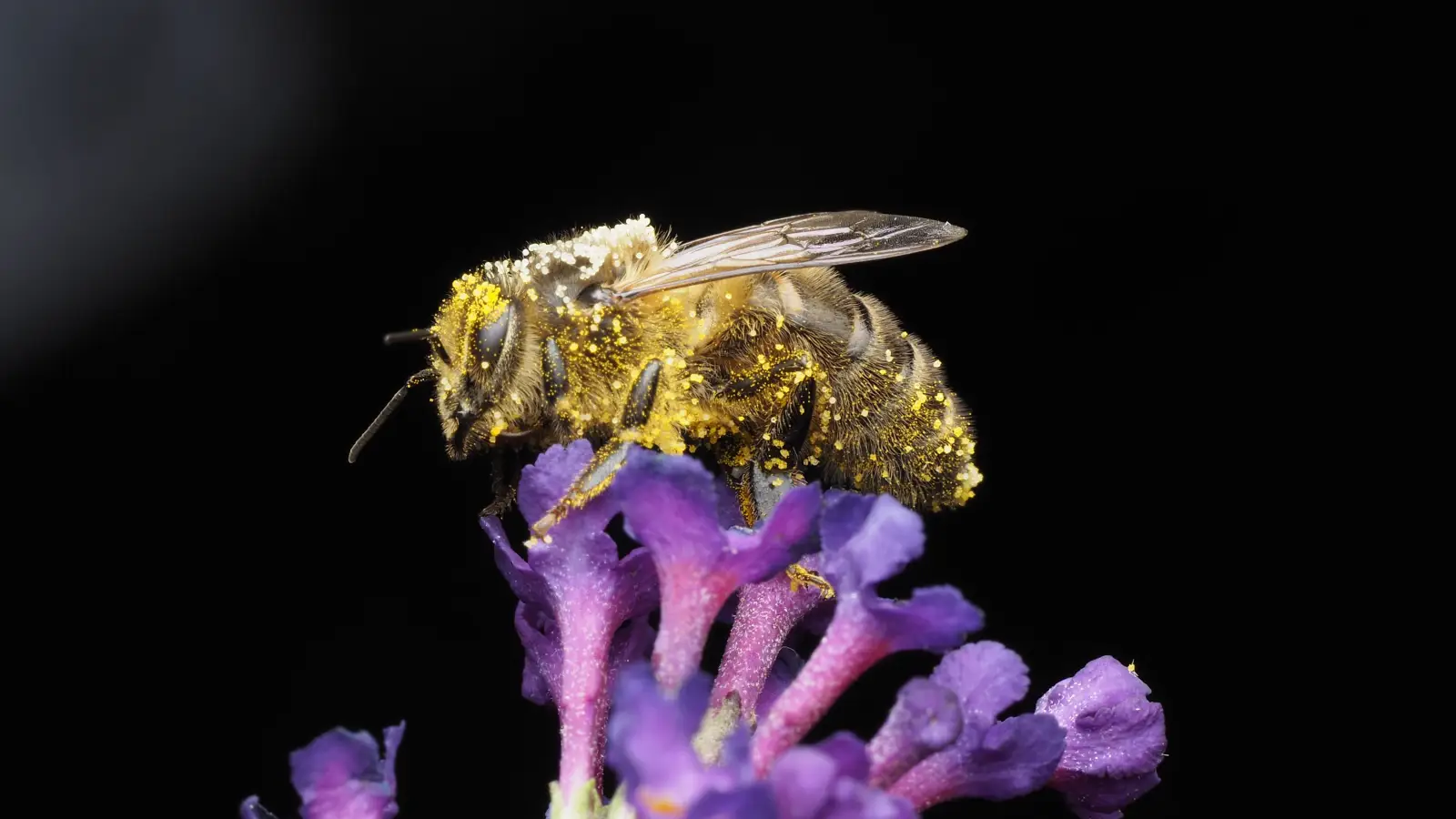
Wind‑pollinated plants—ragweed, most grasses, many trees—produce lightweight, microscopic pollen grains that travel for miles. Bees are not interested in these; they visit insect‑pollinated flowers, which produce heavy, sticky pollen that clings to their bodies and gets packed into pollen baskets. That pollen comes from plants like clover, goldenrod, citrus blossoms, lavender, and fruit trees. There is almost zero overlap between the pollen in a jar of honey and the airborne pollen that triggers seasonal allergies.
Even if a few grains of wind‑blown pollen accidentally land on a flower and get collected, the amount is minuscule. More importantly, when bees process nectar into honey, it undergoes enzymatic changes and an acidic, low‑water environment that can denature the proteins responsible for allergic reactions. The odds that enough intact, relevant allergen survives in your spoonful of raw honey to train your immune system are vanishingly small.
And “local” is a marketing term, not a geographical precision instrument. A bee colony forages within a radius of roughly 3 miles (5 km)—so your “local” honey could contain pollen from fields, gardens, and roadside weeds spread across 28 square miles, nowhere near specific enough to match your personal allergen exposure.
Ready to move on when: You can explain to someone why the pollen in honey is the wrong kind, in the wrong form, and from the wrong distance to function like an allergy shot.
Clinical Trials: Where Enthusiasm Meets Data
The Pivotal Studies
In 2002, Rajan and colleagues published a randomized, double‑blind trial in the Annals of Allergy, Asthma & Immunology. Participants with seasonal allergies were divided into three groups: one received locally collected, unfiltered honey; a second received nationally distributed, filtered honey; the third received a corn‑syrup placebo. After tracking symptoms during the spring allergy season, the researchers found no significant difference among the three groups. The local honey did not outperform the placebo.
A similar study appeared in 2013, this time testing raw, unfiltered local honey against a flavored corn syrup placebo. Again, symptom scores were indistinguishable. Despite the persistent folk wisdom, no peer‑reviewed study has ever shown a clinically meaningful benefit of local honey for allergic rhinitis.
Why Anecdotes Don’t Count
People who feel better after starting local honey are likely experiencing a combination of placebo effect, the natural waxing and waning of pollen counts, or coincidental behavioral changes—like staying indoors more or using other remedies simultaneously. Without a control group, no personal story can isolate honey as the cause.
Ready to move on when: You can name at least one specific, dated study that found no effect and explain why individual success stories are not reliable evidence.
The Downside: Food Safety Risks of Raw Local Honey
Infant Botulism Is Not Theoretical
Raw honey is a known source of Clostridium botulinum spores. Adults with a mature gut microbiome typically clear these spores without illness, but infants under 12 months lack the necessary intestinal flora and can develop flaccid paralysis that requires hospitalization. This is not a rare, theoretical risk—it is a well‑documented pediatric emergency that drives the CDC’s advice never to feed honey to babies.
Severe Allergic Reactions Are Rare But Real
People with a high sensitivity to specific pollens—especially ragweed, birch, or mugwort—can, in rare cases, react to traces of that same pollen in honey. Symptoms range from oral allergy syndrome (itching, tingling in the mouth) to anaphylaxis. When the goal is to relieve allergies, introducing an unstandardized allergen load is a gamble with a poor risk‑reward profile.
No Quality Control for Raw Honey
Unlike medicines or even standardized pollen extracts used in immunotherapy, raw honey sold at a farmers’ market or health‑food store carries no label guaranteeing its pollen content, purity, or absence of contaminants. It can contain pesticide residues from agricultural foraging, antibiotics used to control hive diseases, or heavy metals from environmental pollution. This lack of oversight means you have no way to know what you’re actually consuming.
Ready to move on when: You can list at least two populations who should strictly avoid raw honey and articulate why “natural” does not equal “safe” in this context.
What Actually Works for Seasonal Allergies
The Only Proven Form of “Allergy Training”
Subcutaneous immunotherapy (allergy shots) and sublingual immunotherapy (dissolving tablets under the tongue) are the direct medical descendants of the same tolerance‑building idea that gave honey its folk appeal. The difference: these treatments use standardized extracts of exactly the pollen you’re allergic to, administered in gradually increasing doses under medical supervision. Clinical trials confirm they reduce symptoms and medication use over several years of treatment.
Medications That Reduce Symptoms Now
- Second‑generation antihistamines (cetirizine, loratadine, fexofenadine) block histamine without the drowsiness of older drugs.
- Intranasal corticosteroids (fluticasone, mometasone) reduce nasal inflammation and are considered first‑line therapy for persistent allergic rhinitis.
- Leukotriene receptor antagonists (montelukast) can be an option for those who also have asthma.
Environmental Control and Rinsing
Physical removal of pollen from the nasal passages with a saline rinse (neti pot or squeeze bottle) reduces symptoms and carries almost no risk when done with distilled or properly boiled water. HEPA air filters, keeping windows closed during peak pollen hours, and showering before bed also lower the total allergen load your body faces.
Ready to move on when: You have a shortlist of three to four proven interventions and can discuss them with a healthcare provider.
Turning Points: What You Should Understand After Each Section
- After the mechanism section: You can explain that bees collect insect‑pollinated pollen, not the wind‑pollinated pollen that causes allergies.
- After the clinical evidence section: You can cite the 2002 Rajan study showing local honey behaved like a placebo.
- After the food safety section: You can name infants and those with severe pollen allergies as groups who should avoid raw honey, and you can explain why “raw” doesn’t guarantee purity.
- After the real solutions section: You have a concrete list of evidence‑based treatments to discuss with an allergist.
Worries You Can Set Aside Right Now
- “Maybe I bought the wrong honey.” No variety or processing method has been shown to help; switching brands won’t change the outcome.
- “Could eating honey make my allergies worse?” In the vast majority of people, it won’t. The risk of a true allergic reaction is low, and for most, honey is just a sweetener with no effect on allergy symptoms either way. This becomes relevant only if you have a known severe pollen allergy that cross‑reacts with honey.
- “Should I have my honey tested for pollen content?” Pollen analysis won’t change the fact that the pollen inside is the wrong species; this is an unnecessary laboratory expense.
- “What about bee pollen granules or propolis?” Those are separate products with no credible evidence for allergy relief. Treat them as a different curiosity, not a backup plan.
Frequently Asked Questions
Can local honey help if I eat it daily for a year?
No. The studies that tested daily consumption over an entire allergy season still found no benefit. Longer use does not change the fundamental mismatch between flower pollen and allergy‑triggering airborne pollen.
Is there any honey that contains ragweed pollen?
Almost none. Ragweed is wind‑pollinated and unattractive to bees, who ignore its unremarkable green flowers. Any trace landing in honey is accidental and negligible.
What about honey mixed with royal jelly or propolis?
Neither royal jelly nor propolis has been shown to reduce hay fever symptoms in controlled trials. Adding them to honey doesn’t transform it into an allergy treatment.
Does heating honey destroy its allergy‑fighting ability?
Heating does degrade pollen proteins, but since raw unheated honey also doesn’t work, the cooking question is irrelevant to allergy relief.
Can I still eat local honey for other reasons?
Absolutely. Local honey can be a delicious, minimally processed sweetener with trace antimicrobial properties. Just don’t rely on it for your sinuses.
The Bottom Line: Save Your Money and Breathe Easier
When you stop chasing a spoonful of liquid that can’t deliver, you open the door to treatments that actually reduce symptoms. The next step for the seasonal allergy sufferer who was tempted by local honey is a straightforward one: make an appointment with an allergist and discuss immunotherapy or a medication plan tailored to your specific triggers.