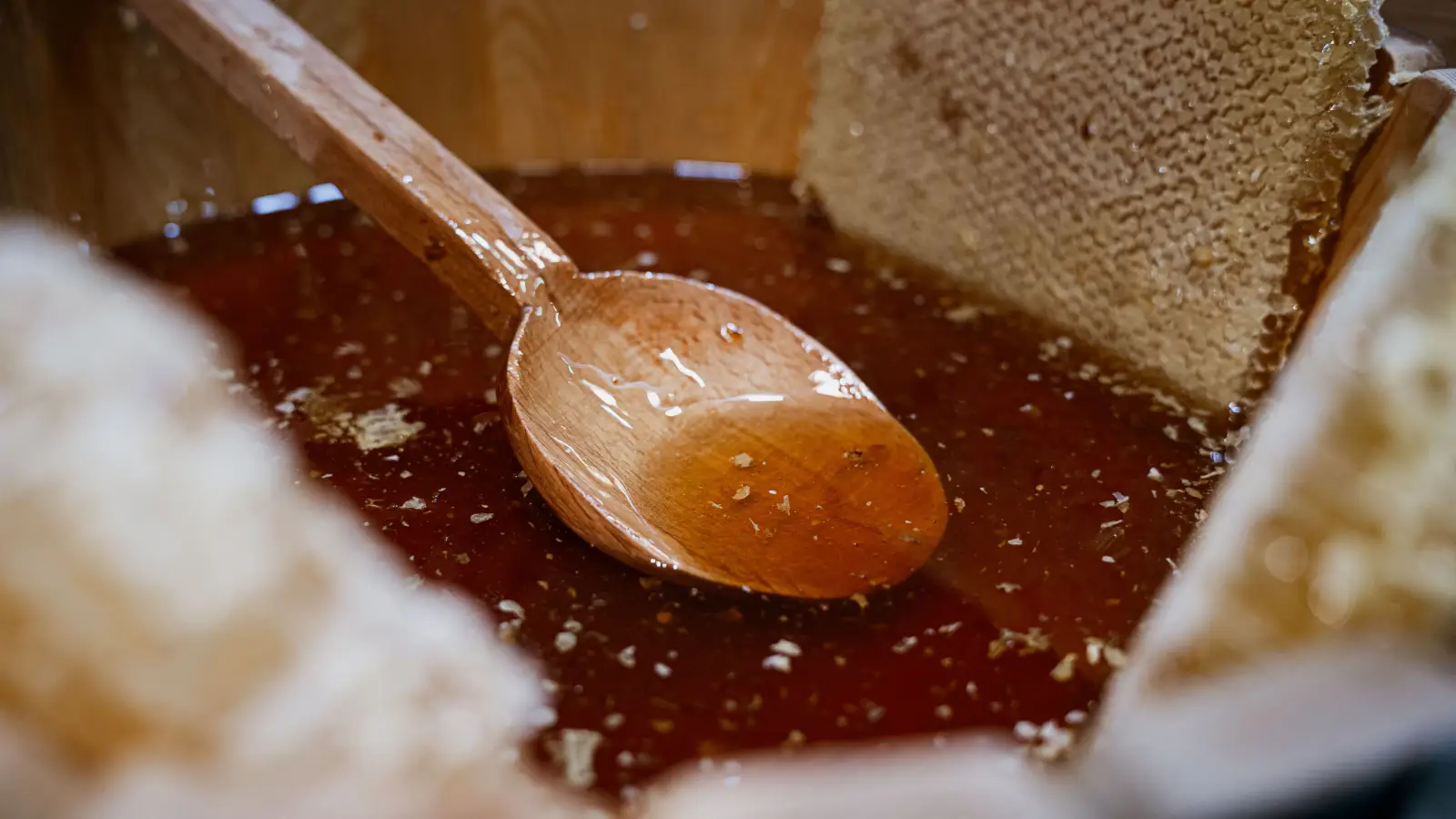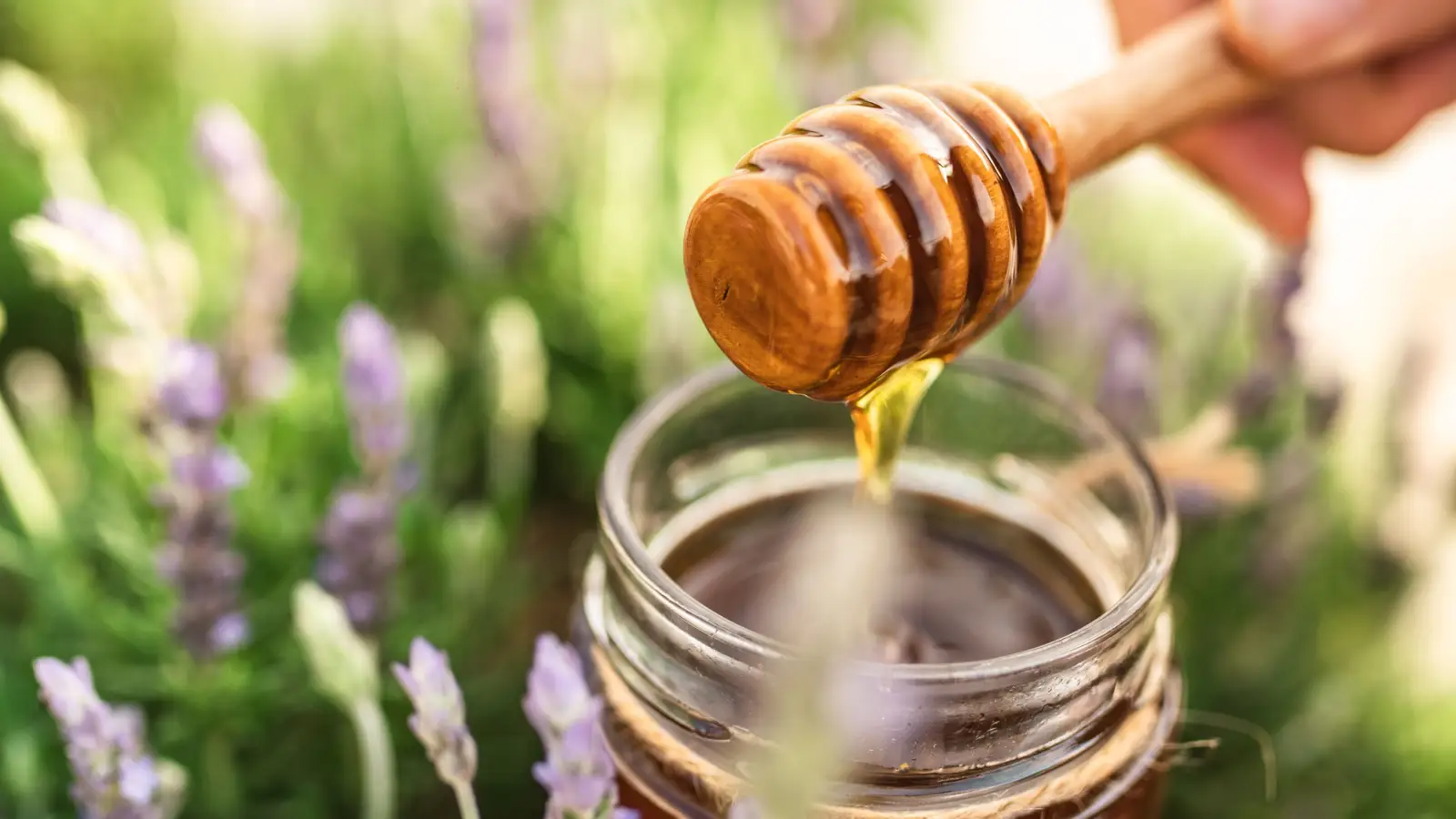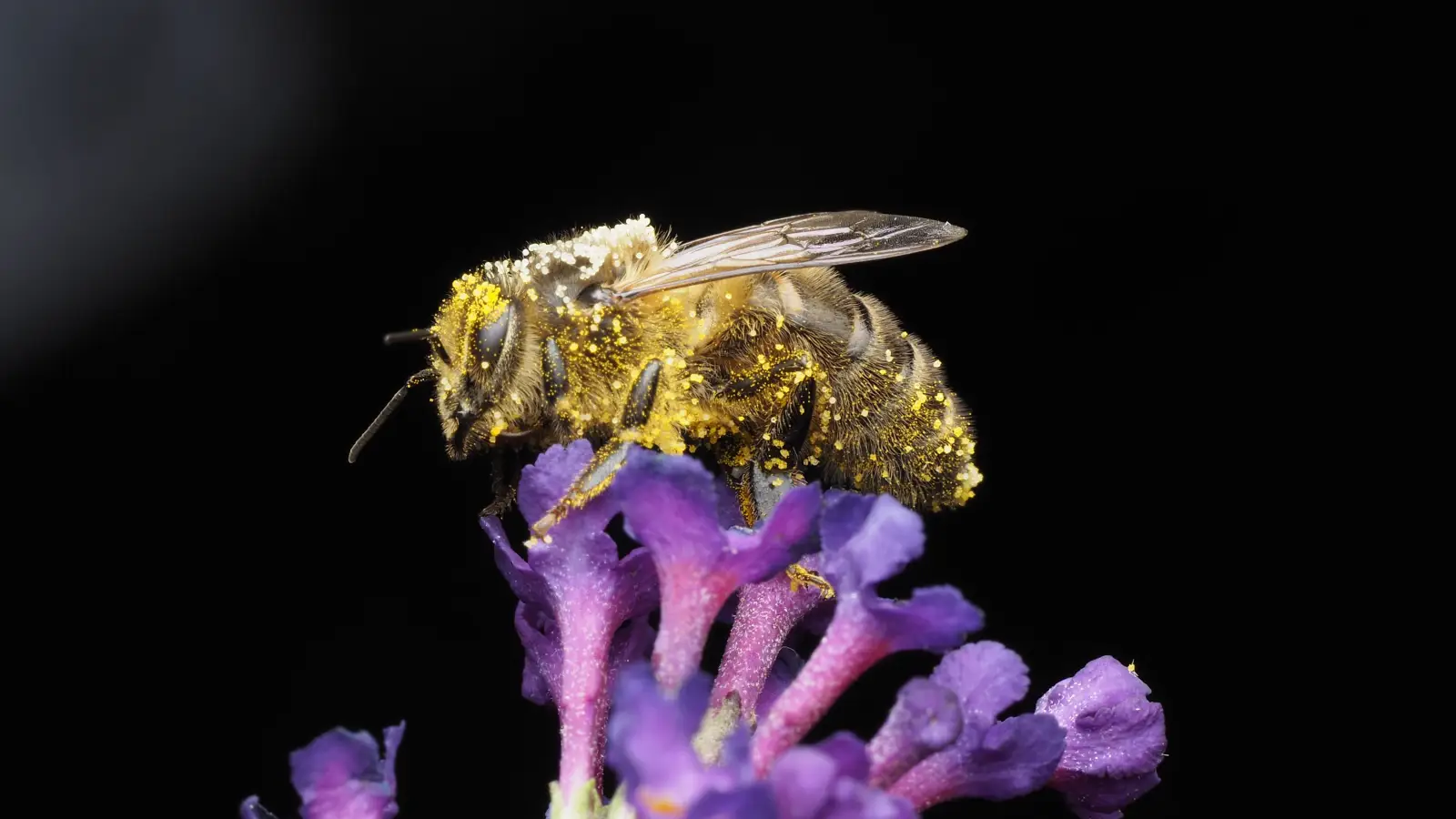
The reasoning behind local honey for allergies appears sound. It posits that bees gather pollen from local plants, depositing it into honey; consuming that honey should, theoretically, desensitize the immune system. The flaw: the pollen bees actively collect is almost entirely the heavy, insect-transported type from flowering plants—a category distinct from the lightweight, windborne grains responsible for hay fever. Even if those grains were present, oral ingestion doesn’t engage the immune pathways that drive seasonal allergies.
The Botanical Misunderstanding Behind the Honey Cure
The honey-as-allergy-shot idea borrows its logic from allergen immunotherapy—the medical practice of exposing patients to gradually increasing doses of an allergen to build tolerance. The assumption that local honey contains the relevant pollen collapses once the two plant reproduction strategies are examined side by side.
Insect-pollinated flowers produce pollen grains that are heavy, sticky, and often vibrantly colored. These grains are cargo, designed to hitch a ride on a bee and be delivered precisely to another flower. Wind-pollinated plants—ragweed, grasses, birch, cedar—release grains that are tiny, dry, and aerodynamic. They float for miles, never requiring an insect intermediary. Bees ignore them because these plants provide no nectar and no easily collected pollen.
The myth endures because most people don’t distinguish between the two pollen categories. Even in the rare event a stray windborne grain lands in a flower’s nectar and ends up in honey, the quantity is negligible and inconsistent. More critically, the route of exposure determines whether any immune training can occur.
How Pollen Gets Into Honey—and Why It’s the Wrong Kind
The Two Pollen Strategies: Insect-Pollinated vs. Wind-Pollinated
Entomophilous (insect-pollinated) plants invest in pollen that is sticky, often spiky, or coated in oils that make it adhere to bees. A foraging bee packs this pollen into corbiculae on its hind legs, mixing it with nectar and glandular secretions to form a dense pellet. That pellet is not airborne. It returns to the hive, where it may incidentally mix with honey.
Anemophilous (wind-pollinated) plants, in contrast, produce pollen designed for dispersal. The grains are small (typically 10–40 microns), smooth, and desiccated. A single ragweed plant can produce a billion grains a season. They become the respiratory irritants measured in pollen counts, not the bee’s loot.
Why Bees Don’t Collect the Pollen That Makes You Sneeze
From a nutritional standpoint, anemophilous pollen is a poor resource. It usually has a lower protein profile than insect flower pollen, and the plant offers no nectar incentive. Bees forage on clover, dandelions, fruit blossoms, and wildflowers—not on grass. Even urban hives source honey primarily from flowering weeds and garden plants, not the trees or grasses that trigger spring and fall allergies. Consequently, a jar of local honey is dominated by pollen from insect-pollinated species. The very allergen a sufferer hopes to find—ragweed, timothy grass, birch—is barely present by weight.
The Immune System’s Training Ground: Why Eating Pollen Doesn’t Work
Allergic respiratory symptoms are driven by mast cells and IgE antibodies that react to allergens in the nasal and bronchial mucosa. Desensitization through immunotherapy works by presenting controlled allergen doses to dendritic cells beneath the tongue or in the skin, which then orchestrate a shift toward regulatory T-cell responses.
Swallowing pollen, however, subjects it to gastric acid and proteolytic enzymes. The proteins that trigger allergies are denatured and degraded. Any fragments that survive encounter the gut-associated lymphoid tissue, which is programmed to promote oral tolerance—a process that dampens immune reactions to food antigens, not airborne ones. The gut’s tolerance machinery does not cross-prime the respiratory tract’s allergic memory. Eating pollen is more akin to inoculating against hay fever by eating bread—the proteins enter a different system with different rules.
When Local Honey Still Matters—and When It Doesn’t
When a Spoonful of Local Honey Might Still Pay Off
Local raw honey has its virtues. It contains trace enzymes, antioxidants, and bee pollen that may offer minor antimicrobial or soothing properties for a sore throat. It supports local beekeepers, whose hives contribute to pollination of crops and gardens. And a warm honey-lemon drink can provide symptomatic comfort during allergy season, even though the benefit is from warmth and lubrication, not immune training.
When You’re Better Off Leaving the Jar on the Shelf
If the sole reason for buying a $12 jar of local honey is allergy relief, the economics don’t add up. The evidence for desensitization is absent. Worse, people may delay or replace proven therapies—antihistamines, intranasal corticosteroids, avoidance measures, or immunotherapy—with spoonfuls of honey, allowing symptoms to worsen. For those with moderate to severe hay fever, skipping medical management can lead to complications like sinus infections or exacerbated asthma.
Concepts That Connect to the Pollen-Allergy Discussion
- Oral Allergy Syndrome (OAS): A condition where pollen proteins cross-react with similar proteins in raw fruits and vegetables, causing oral itching. OAS demonstrates that pollen allergies can have food-related manifestations, but the immune trigger is mucosal contact in the mouth, not digestion.
- Sublingual Immunotherapy (SLIT): Tablets or drops placed under the tongue deliver standardized allergen extracts to oral mucosal immune cells. This is the controlled, evidence-based analog of what local honey consumption attempts to do.
- Anemophilous Plants: The technical term for wind-pollinated species. Identifying local anemophilous plants (e.g., ragweed, ryegrass) pinpoints the actual allergy culprits, often invisible and ignored next to showy garden flowers.
- Bee Pollen as a Supplement: Pollen pellets trapped from hive entrances are marketed as a superfood. They still consist of insect-collected pollen, not respiratory allergens, and carry a risk of allergic reactions in some individuals—again, not a hay fever remedy.
Where to Look Next If Honey Won’t Stop the Sniffles
Persistent seasonal allergies warrant allergy testing to identify specific anemophilous triggers. Evidence-based treatments, such as nasal corticosteroids or allergist-supervised immunotherapy, address the root immunological pathway. For those curious about food-pollen cross-reactivity, oral allergy syndrome offers a more direct—and scientifically grounded—connection. Keep the honey jar for what it is: a sweet byproduct of insect pollination, not a backdoor allergy cure.