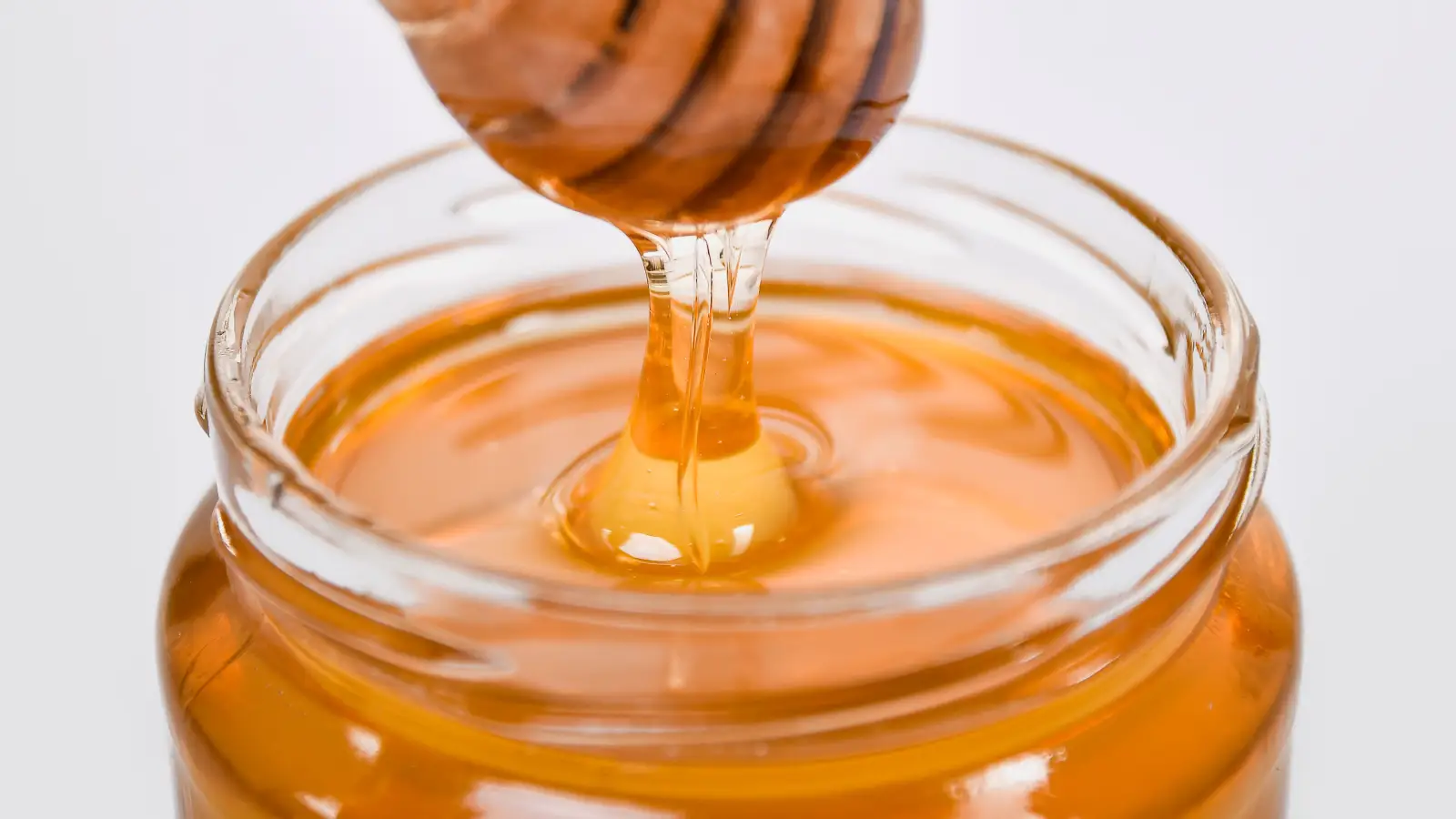
The popular idea that honey is a wholesome, natural sweetener and sugar an empty‑calorie villain crumbles under a direct comparison of their metabolic effects. For everyday sweetening, honey is not a significantly healthier choice—both are added sugars that raise blood glucose and contribute empty calories. The nuance lies in trace nutrients, glycemic variability, and those rare contexts where honey’s properties offer a marginal edge.
For Most People, the Difference Is Negligible
When matched calorie for calorie and gram for carbohydrate, honey and sugar produce comparable blood glucose responses, insulin demands, and liver fat accumulation. The antioxidants in honey are present in such small amounts that they don’t offset its high calorie density at typical intakes. For the average person sweetening coffee or baking cookies, sugar is not the less healthy option—the two are metabolically almost identical.
Nutrition and Cost at a Glance
| Criterion | Refined Sugar (granulated) | Honey (typical clover/orange blossom) |
|---|---|---|
| Calories per tbsp | ~49 cal (12.6g carbs, 0 nutrients) | ~64 cal (17g carbs, trace minerals) |
| Glycemic Index (range) | 60–65 (sucrose) | 35–85 (varies by floral source; average ~58 for clover) |
| Fructose content | 50 % after digestion | ~38 % free fructose (plus other sugars) |
| Micronutrients | None | Trace potassium, calcium, B vitamins; antioxidants like flavonoids |
| Cost per pound (US) | ~$0.50–$1.00 | ~$3.00–$10.00 depending on raw/organic |
| Best for | Baking, precise sweetness control, low‑FODMAP diets | Flavor complexity, wound healing (topical), raw consumption for pollen exposure |
Why Refined Sugar Deserves a Second Look
Sucrose breaks down into equal parts glucose and fructose during digestion, an end state remarkably similar to the free sugars already present in honey. Because honey contains free glucose and fructose, its immediate metabolic demand is almost indistinguishable from sucrose once absorbed. Neither sweetener provides a distinct advantage in blood sugar spikes or insulin requirements when consumed in equivalent carbohydrate amounts.
Sugar actually pulls ahead in one common scenario: gut sensitivity. Honey is a high‑FODMAP food because of its excess free fructose; for anyone dealing with irritable bowel syndrome (IBS) or fructose malabsorption, sugar is the safer choice. Sugar also delivers fewer calories per tablespoon, which makes it easier to fit into a calorie budget. Substituting honey for sugar at a 1:1 volume ratio adds more calories and more carbohydrates—a net loss for weight management.
In baking, sugar’s crystalline structure does work that liquid honey cannot. It aerates butter, stabilises egg foams, and drives caramelization. Honey adds moisture and can cause baked goods to brown too fast, often forcing recipe modifications that add more fat or flour. For a home baker who values predictability, sugar is the more reliable tool.
Why Honey’s Health Halo Is Overshadowed by Calories
Honey does contain trace enzymes, minerals, and antioxidants absent from sugar, but the amounts are vanishingly small at typical serving sizes. A teaspoon (about 7 g) provides roughly 1 mg of potassium and a fraction of a milligram of calcium—figures with no measurable effect on daily nutrition. The antioxidant flavonoids, which vary dramatically with floral source, would require consuming well over 100 g of honey (around 5 tablespoons) to match the flavonoids in a single serving of blueberries. At that dose, the sugar burden far outweighs any antioxidant gain.
Unprocessed, raw honey retains pollen grains and heat‑sensitive enzymes. While some people believe these help with seasonal allergies, controlled studies have not found a reliable effect, and the pollen can trigger allergic reactions in sensitive individuals. Pasteurised honey, the form most commonly sold, loses those enzymes and a portion of its antioxidant activity, narrowing the nutritional edge even further.
The glycemic index of honey is often pointed to as an advantage. In principle, unfiltered, high‑fructose honeys like acacia can have a GI as low as 35, while sugar sits around 60–65. In practice, commercial honey is almost always a blend of varietals, yielding an average GI close to 58—nearly equivalent to sugar. Without knowing the exact nectar source, any assumption of a lower GI is guesswork, which undermines any diabetes management benefit.
The one domain where honey clearly outperforms sugar is topical use: its antibacterial and humectant properties make it effective for wound dressings and sore throats. These applications are clinically recognised but have no bearing on dietary comparisons. Used as a sweetener, honey simply adds sugar to the diet with a thin layer of micronutrients that don’t alter the metabolic outcome.
The Metrics That Separate Hype from Reality
Glycemic Impact and Predictability
Honey’s glycemic index changes from batch to batch; one jar of manuka may elicit a moderate rise while clover honey pushes responses closer to table sugar. Sugar, as chemically pure sucrose, produces a consistent glycemic response every time. For someone who doses insulin based on carbohydrate counting, that predictability matters—and sugar offers it far more reliably than honey.
Fructose Load and Liver Metabolism
Both sweeteners deliver fructose to the liver, where it can be converted into fat and contribute to insulin resistance when consumed in excess. Honey provides free fructose directly, while sucrose is split into fructose and glucose. Because the total fructose load per gram of carbohydrate is broadly similar (38 % in honey vs. 50 % in sugar, but honey contains more total carbs per teaspoon), the liver’s burden is not meaningfully different. Neither sweetener spares the liver from the effects of overconsumption.
Nutrient Density at Realistic Doses
At one to two teaspoons per day—the amount a health‑conscious person might add to tea—the nutritional contribution of honey is negligible. To get a physiologically relevant dose of antioxidants from honey would require consuming it in quantities that exceed daily added sugar limits. This makes honey a poor vehicle for micronutrients, not a health food.
Overconsumption Risk
Liquid sweeteners are easier to pour without precise measurement; a drizzle of honey over oatmeal can quickly become two or three teaspoons. Granulated sugar is typically measured with spoons, providing a visual stop signal. In uncontrolled home settings, sugar may lead to less inadvertent overconsumption than honey, though both remain added sugars that should be limited.
Choosing by Your Health Priorities
If you’re counting calories or managing weight: sugar is the lower‑calorie per tablespoon option and is easier to measure accurately. Substituting honey 1:1 by volume will increase calorie intake.
If you have IBS or fructose malabsorption: choose sugar. Honey’s high free‑fructose content can trigger bloating and pain; sugar is low‑FODMAP and generally well tolerated.
If you value trace nutrients and raw food benefits: select raw, local, unfiltered honey from a known floral source, but treat it as an added sugar—not a nutrient supplement. Account for its calories within your daily limit.
If you’re baking: stick to sugar unless you are willing to adjust recipes for moisture, acidity, and browning. Honey can be used in quick breads and marinades, but it rarely performs as a drop‑in substitute for sugar in cakes and cookies.
If you need a remedy for a sore throat or minor wound: honey is a validated, effective choice. Use it topically or in tea, but recognise that its medicinal value does not translate to daily sweetening.
What You’ll Pay at the Store
Price is a practical differentiator. Granulated white sugar costs roughly $0.50–$1.00 per pound in the US. Standard honey runs $3.00–$6.00 per pound, while raw, monofloral, or organic honeys can reach $10.00 or more. For a household that goes through several pounds of sweetener per month, that difference adds up. If health outcomes are the same, spending five to ten times more for honey is a luxury, not a health investment.
Frequently Asked Questions
Is honey lower on the glycemic index than sugar?
It can be, but the average GI of blended commercial honey is around 58, which is barely below table sugar’s 60–65. Specific varietals like acacia may be lower, but without knowing the floral source you can’t assume a significant advantage.
Does honey help with weight loss compared to sugar?
No. Weight loss depends on total calorie balance, and honey is more calorie‑dense per tablespoon. Replacing sugar with honey while using the same volume will increase calorie intake, not decrease it.
Can diabetics use honey instead of sugar?
Both will raise blood glucose. Because honey’s GI averages close to sugar’s and its carbohydrate content per serving is higher, there’s no metabolic advantage. People with diabetes should treat honey as they would any added sugar and adjust medication or intake accordingly.
Is raw honey healthier than processed honey?
Raw honey retains pollen, enzymes, and more antioxidants, but the differences are minor at typical consumption levels. Pasteurisation reduces some heat‑sensitive compounds, yet both raw and processed honey stay concentrated sources of sugar.
The Takeaway: Natural Doesn’t Mean Nutritious
Honey is a natural product with trace benefits that sugar lacks, but those benefits are too small to make it a healthier sweetener for daily use. Assessed by glycemic response, fructose metabolism, and calorie load, honey and sugar are close enough to be considered equivalent added sugars. The choice should hinge on taste, budget, and specific dietary tolerances—not on the belief that one is inherently better for you. In most kitchens, for most people, sugar remains a perfectly sound, and often more practical, option.