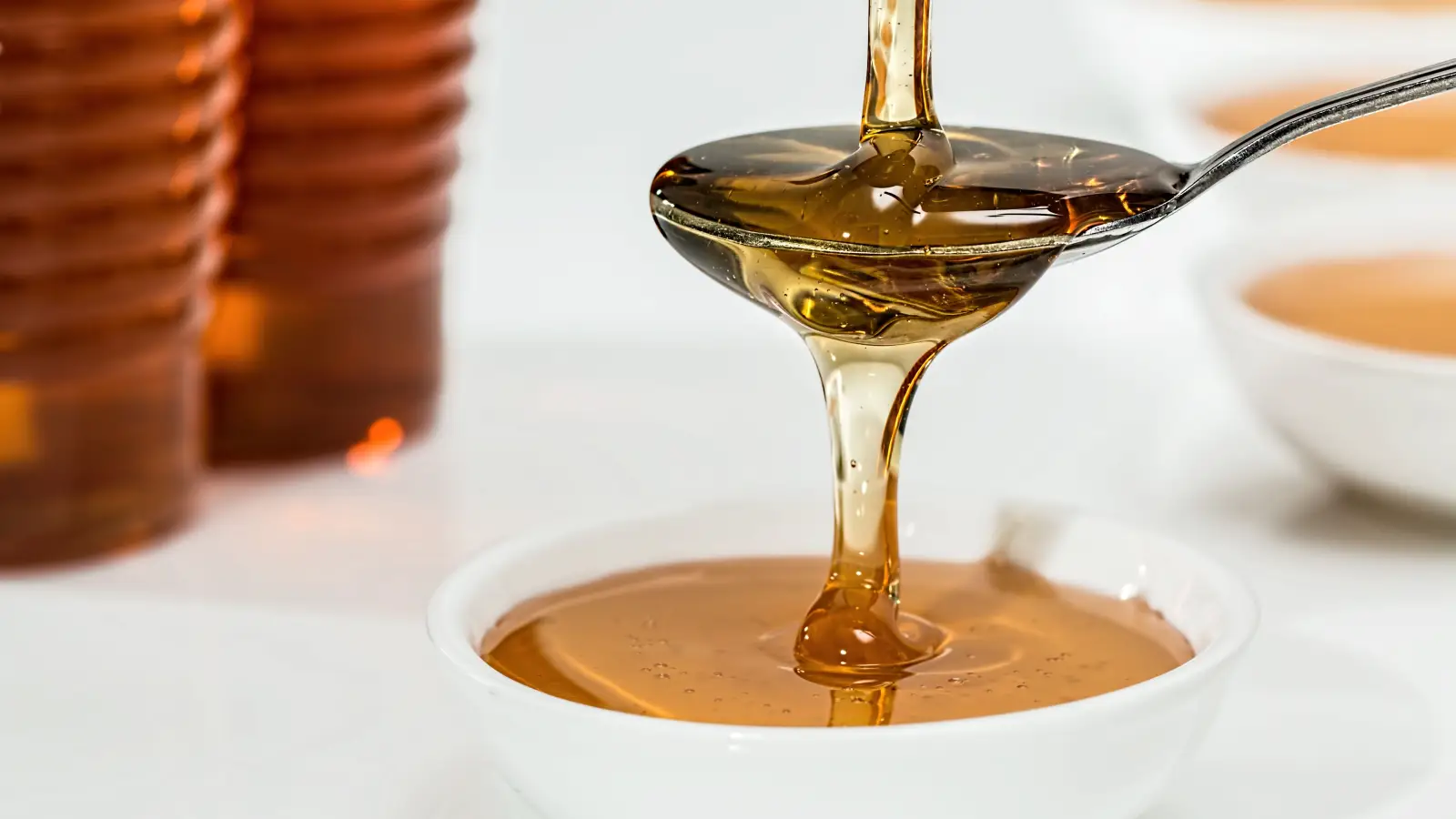
USDA honey graders don't care how good your honey tastes. They measure moisture with a refractometer, look for specks of wax or bee parts, and detect off-flavors like smoke or fermentation. A Grade A stamp is a cleanliness inspection result, not a flavor rating. You can have a Grade A honey that tastes forgettable and a raw, ungraded one that's remarkable.
Where You're Standing When You Reach for a Jar
Three typical misunderstandings lead shoppers here. Identify yours before you read further.
You think Grade A means tastier honey
Because "A" sounds like the best, it's natural to treat the letter as a quality guarantee. This guide will show you what the inspection actually verifies, so you can pick honey based on floral source instead of a letter.
You buy local honey with no grade at all
Most small-batch honey lacks a USDA shield. You'll walk away with a short list of questions for the beekeeper and a way to judge jars without a grade.
You see “Grade A” and “100% pure” and assume they mean the same thing
Purity and grade are different claims. We'll separate what the USDA inspects from marketing language, so you stop paying extra for a label that doesn't carry the meaning you think it does.
Inside the Grading Room: What Inspectors Actually Check
A USDA honey grading session operates like a quality-control lab, not a tasting party. The grader's job is to produce a replicable score that signals cleanliness, moisture level, and lack of defects—not which honey you'd enjoy more.
The inspector uses a standard scorecard. For filtered extracted honey, the points split like this:
- Flavor and aroma: 50 points
- Absence of defects: 40 points
- Clarity: 10 points
For unfiltered honey, clarity is not scored. Those 10 points get reallocated—flavor and aroma becomes 45 points, absence of defects 45.
Here's the part most shoppers miss. The flavor score is not about deliciousness. It measures the absence of off-notes: smoke taint, fermentation, overheated caramel, sourness, chemical residue. A honey can earn a perfect 50 because nothing is wrong, yet come from a mild nectar source that tastes bland. Meanwhile, a bold, complex honey with a hint of fermentation loses points and drops a grade, even if many people would prefer its character.
Moisture gets its own measurement with a refractometer. For Grade A and B, the limit is 18.6 percent. Grade C allows up to 20 percent. Anything above that is substandard—excess moisture invites fermentation and spoilage.
Color classification (water white through dark amber on the Pfund scale) sits entirely outside the quality score. A dark, intense amber honey can earn Grade A just as easily as a pale water white, as long as it's clean and defect-free.
You're ready to continue when: You can explain why a Grade A honey could taste bland while a Grade B honey might have more character—and why neither fact reflects badly on the grader's work.
How Points Become a Letter on the Jar
After each factor gets a number, the inspector totals the points and applies hard thresholds:
- Grade A: 90 points minimum
- Grade B: 80 points minimum
- Grade C: 70 points minimum
- Below 70: Substandard, no grade shield
Individual factors also have floors. For a filtered Grade A, flavor and aroma must reach at least 45 out of 50, and absence of defects at least 35 out of 40. A honey that's otherwise spotless but picks up a light smoke note from a beekeeper's smoker can lose just enough to become Grade B—even if the total could still clear 90 with perfect marks elsewhere.
Moisture works as a solid cutoff. A visually perfect, great-tasting honey that lands at 18.7 percent moisture can never earn Grade A or B. It drops to Grade C or lower automatically.
This is where the letter confuses buyers. Grade B honey isn't an inferior product in the sense a B-grade egg might be. It might be darker (irrelevant to quality), slightly cloudier from a few pollen grains, or carry an extremely faint off-note that most palates wouldn't catch. The grade tells you what the inspector's checklist caught, not how you'll experience the honey.
You're ready to continue when: You can point to the measurable differences between Grade A and Grade C—moisture caps, clarity deductions, and defect scoring—and explain them in plain terms.
Reading the Grade When You're Holding the Jar
In a supermarket aisle, the USDA shield looks official, but you need to decode what it actually tells you.
Grade A honey, for filtered styles, will usually be transparent, bright, and free of visible bits, foam, or bubbles. It's the safe choice if you want honey that pours cleanly and stays clear. It says nothing about the floral source. A Grade A clover and a Grade A orange blossom can taste entirely different, and both can be outclassed in complexity by a Grade B wildflower honey that lost a few points on clarity.
Grade B permits a slight haze, minor air bubbles, or occasional specks. The flavor may be a notch less uniform but remains fine. For baking, marinades, or stirring into hot tea where appearance doesn't matter, Grade B does the same job for less money.
Grade C will look noticeably cloudy, may have suspended particles, and the flavor can stray somewhat—though it's still safe. Most of it lands in commercial food production, not on retail shelves.
One fact that matters: USDA grading is voluntary. A producer who filters honey to crystal clarity and pays for inspection can earn Grade A. A beekeeper who sells raw, unfiltered honey typically won't bother, because the clarity factor gets waived anyway, and the grade shield doesn't match their customer's expectations. So a raw, ungraded jar is not automatically lower quality.
You're ready to continue when: You can decide when to pay extra for Grade A and when a lower grade—or no grade at all—fits what you'll do with the honey.
No Grade on the Label: What to Look for Instead
Plenty of honey sold in the U.S. carries no USDA grade, and that's not a red flag. Here's how to judge it without leaning on a letter.
Check moisture first. Ask the vendor directly: "What's the moisture content of this batch?" Competent beekeepers know their numbers. If they pause or dodge, consider that a warning. For safety, the figure should stay under 18.6 percent. With raw honey that hasn't been heated to drive off water, moisture is even more critical.
Next, look at clarity and filtering, but adjust your standards. Raw, unfiltered honey naturally contains pollen, tiny wax bits, and occasional air bubbles. None of those are defects for that style. A thick foam layer or large debris, however, signals careless handling.
Color indicates floral source, not quality. Light honey often comes from clover, alfalfa, or fireweed; dark honey from buckwheat, avocado, or chestnut. Neither is better. Match the color to the flavor intensity you want.
Finally, scan the back label. Words like "raw," "unfiltered," and a specific floral source ("star thistle" is useful; "wildflower" is vague) give you more actionable information than any grade. Country of origin matters too—imported honey sometimes shows a grade, but enforcement isn't uniform.
You're ready to continue when: You can evaluate a jar without a USDA grade using moisture awareness, filtration expectations, and label details, and you know which questions to ask the beekeeper.
Clear Signs You've Moved Past the Label Confusion
- You can explain why a Grade A honey could taste bland if the nectar source is mild.
- You can describe the measurable differences (moisture limits, clarity deductions, defect scoring) between letter grades.
- You can decide when to pay more for Grade A and when a lower grade or no grade works fine.
- You can assess an ungraded jar using moisture, filtration, and origin clues.
Worries You Can Set Aside for Now
A handful of concerns regularly trip up honey shoppers, but they don't belong at this stage.
“Is Grade B honey less healthy?” Not because of the grade. Letters don't reflect antioxidants, enzymes, or pollen content. Those depend on heat and filtration, not the points a grader deducts for a few specks. This only matters when you're comparing raw versus heavily processed honey, and at that point the grade becomes secondary.
“Does USDA grade mean the honey is organic?” No. Organic certification is a separate, unrelated process. You'll find organic honey with no grade and Grade A honey that isn't organic. If organic is your main buying criterion, ignore the grade entirely.
“My honey crystallized—does that mean it's low grade?” Crystallization is a normal sugar phenomenon for all real honey, regardless of grade. It signals nothing about quality. Only worry if the honey smells fermented or tastes off—then moisture may be the issue, not the crystals.
“Should I avoid honey without a grade?” Absolutely not. Many of the most interesting single-origin, raw honeys never pass through a USDA grader's hands. The absence of a grade tells you only that the producer chose not to pay for the voluntary service.
A Shortcut That Actually Works
If you'd rather skip the detailed grade analysis in a store, here's a legitimate accelerator: buy directly from a beekeeper at a farmers' market or apiary and ask two straightforward questions. "What's the moisture content of this batch?" and "How was it filtered?" A beekeeper who gives you a clear number under 18.6 percent and describes whether the honey is raw, lightly strained, or fully filtered has just handed you more practical information than any USDA letter grade. This works because it cuts through packaging and marketing and gets you straight to the measurable quality factors a grader would check anyway.
Questions That Come Up After You've Read the Grade
What's the difference between Grade A and Grade B honey?
Grade A is clearer, with virtually no particles, foam, or off-flavors. Grade B may have a slight haze, a few small bubbles, or a very mild off-note. Both are safe; the difference is a cleanliness inspection, not a taste ranking.
Why do some store-bought honeys have a grade and others don't?
USDA grading is voluntary and costs money. Large packers who filter honey to a uniform look use grades to signal consistency. Small beekeepers selling raw or varietal honey rarely participate because the clarity standard doesn't match their product, and their customers don't expect a grade shield.
Can I use Grade C honey for cooking?
Yes. Grade C honey often goes into commercial food manufacturing. It may have more particles, a cloudier appearance, or a flavor that isn't perfectly clean, but heat and mixing mask those traits. For home baking, it performs just as well.
Is graded honey always pasteurized?
Not as a rule, but in practice most honey that earns a USDA grade has been heated enough to delay crystallization and remove air bubbles—both of which help hit the clarity and defect scores required for Grade A. Raw, unheated honey typically can't reach those marks, which is another reason it's usually sold without a grade.
Does a higher grade mean the honey is sweeter?
No. All real honey is roughly 80 percent sugar. Sweetness perception depends more on the fructose-to-glucose ratio and the floral source than on anything a grader measures.
When you can separate a USDA inspection score from a flavor recommendation, you'll pick honey that actually fits your purpose—whether that's a crystal-clear Grade A for a delicate tea or a cloudy, ungraded local varietal for a cheese board. For shoppers who start by assuming Grade A equals better taste, the first move is straightforward: turn the jar around, read the ingredient list and origin, and then taste a few varieties without letting the letter decide.