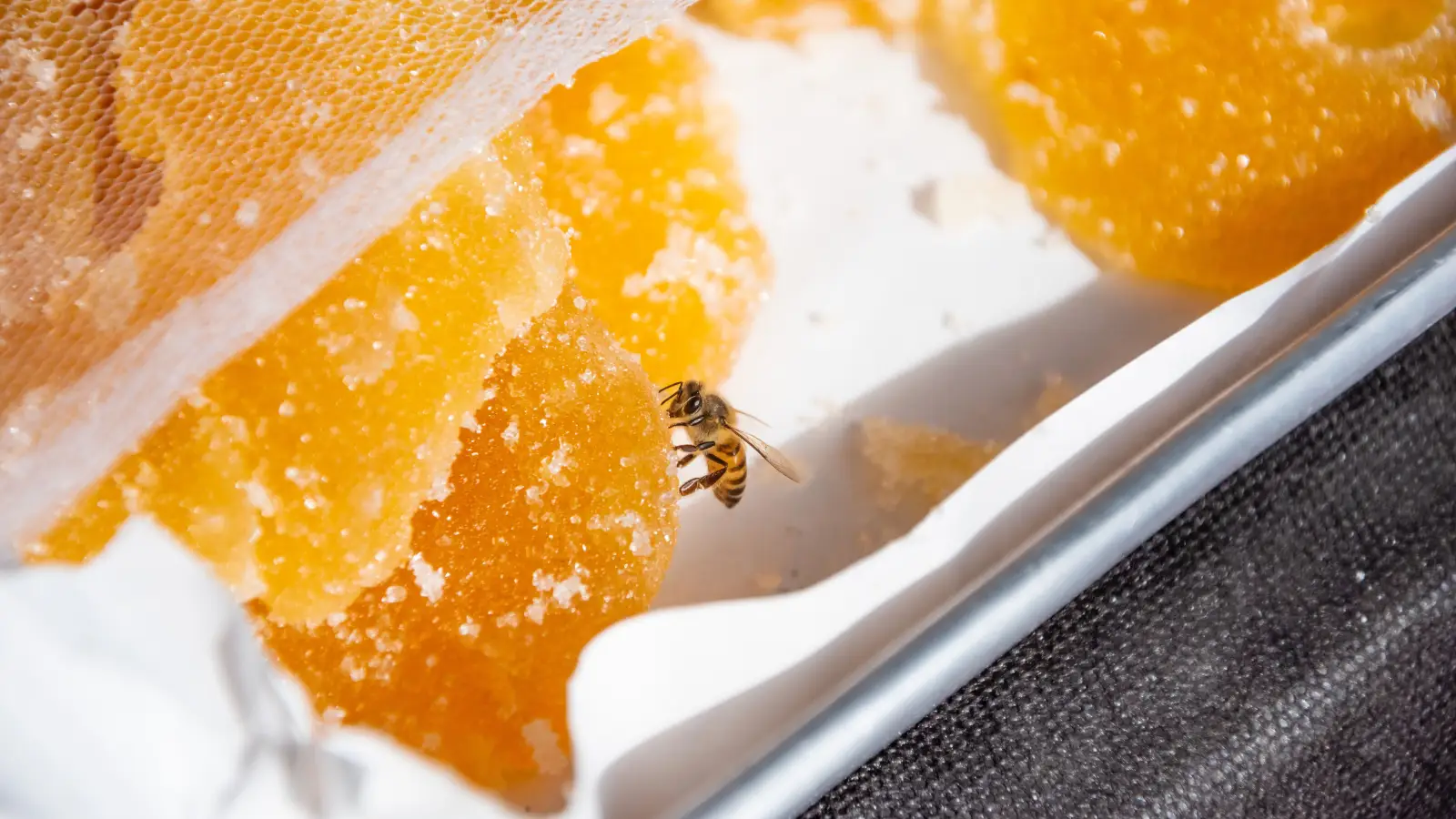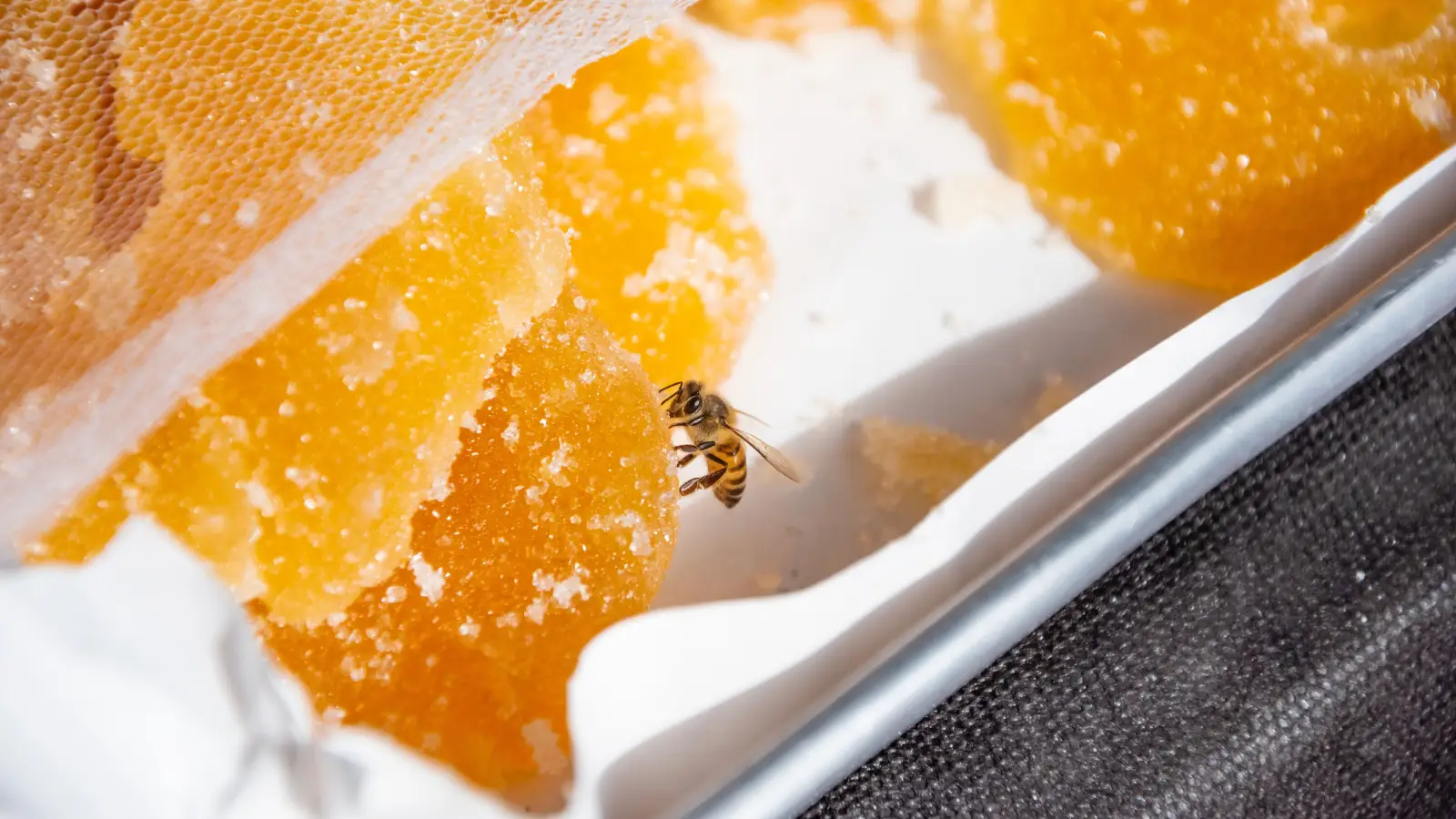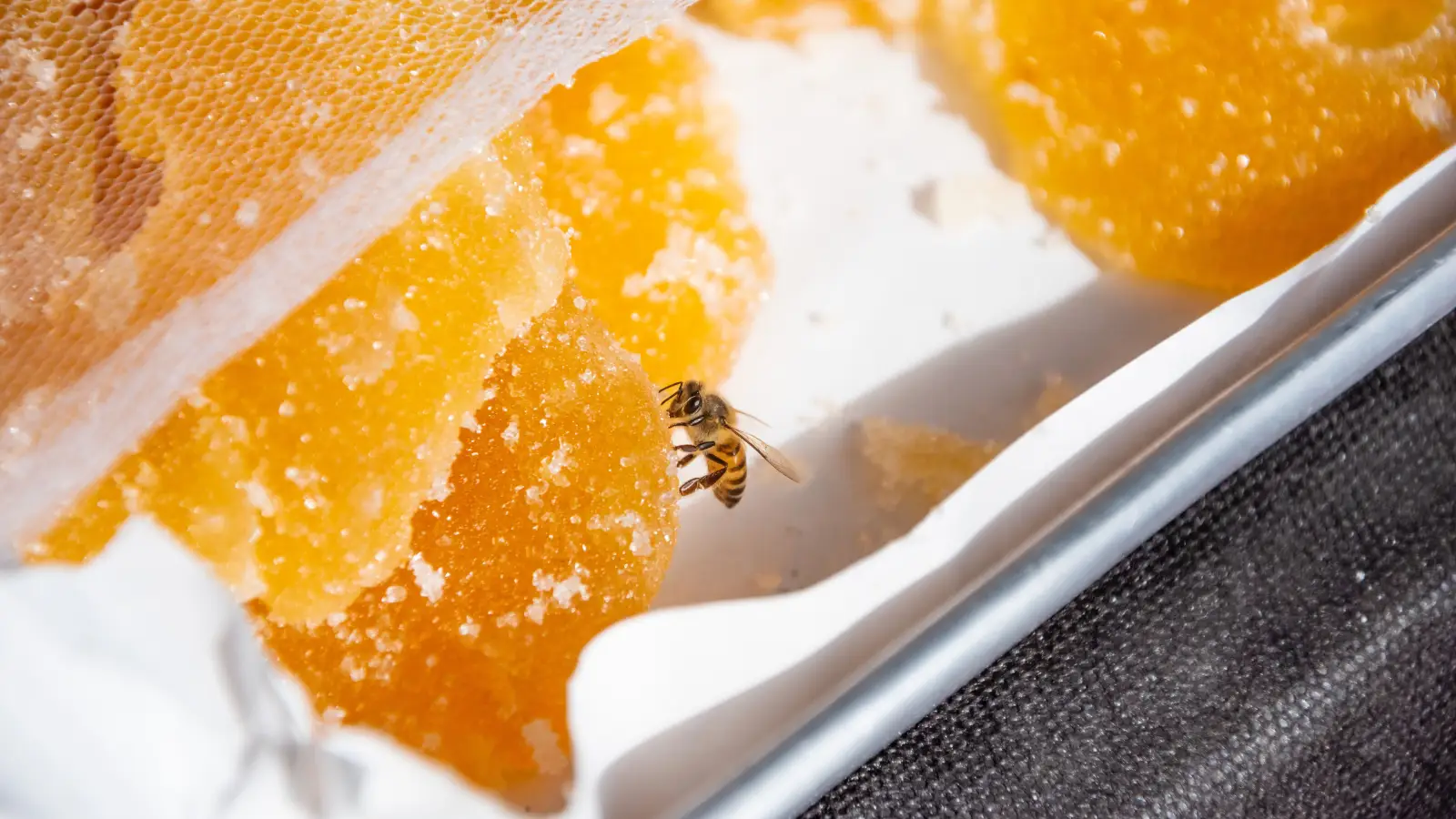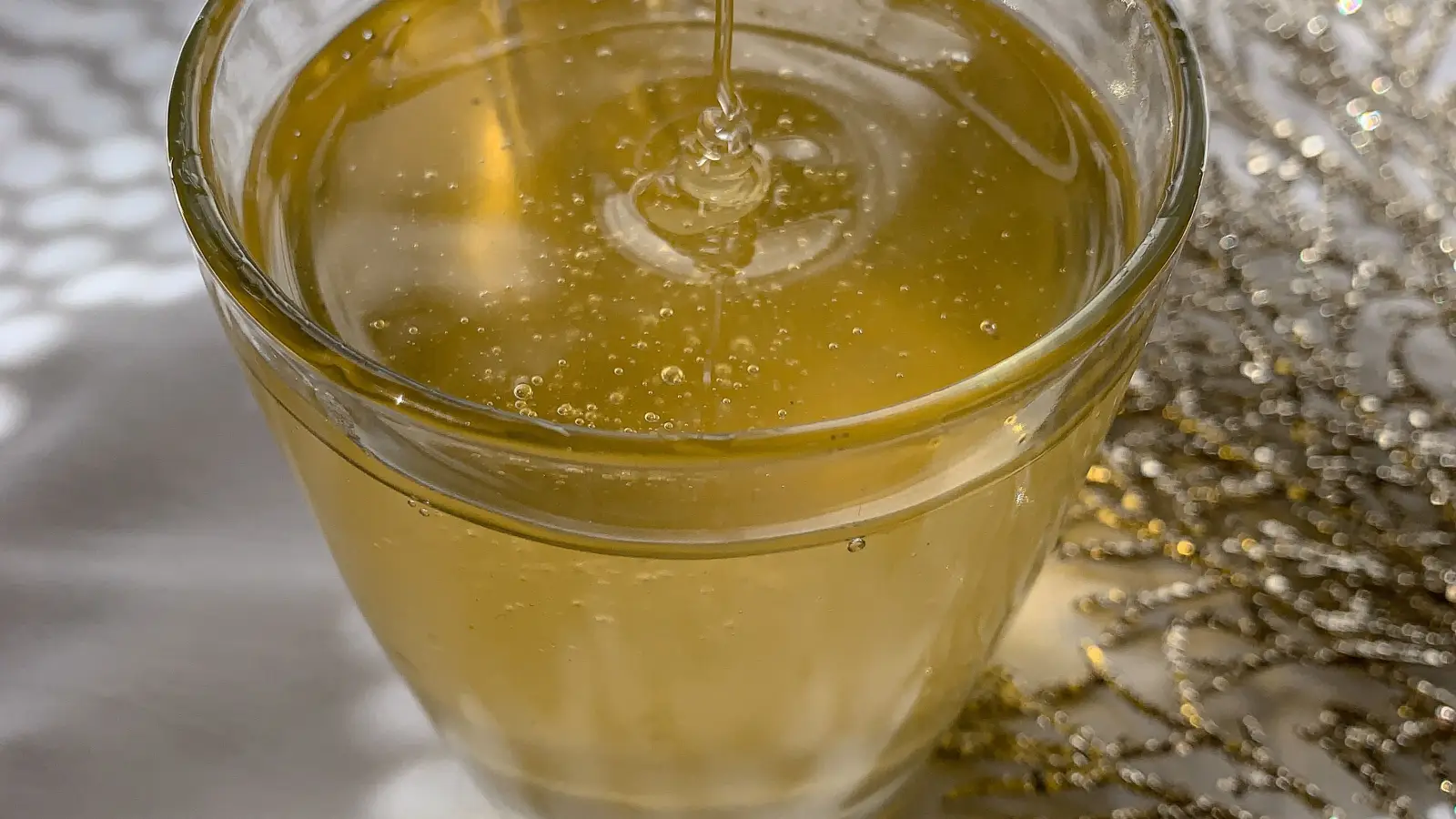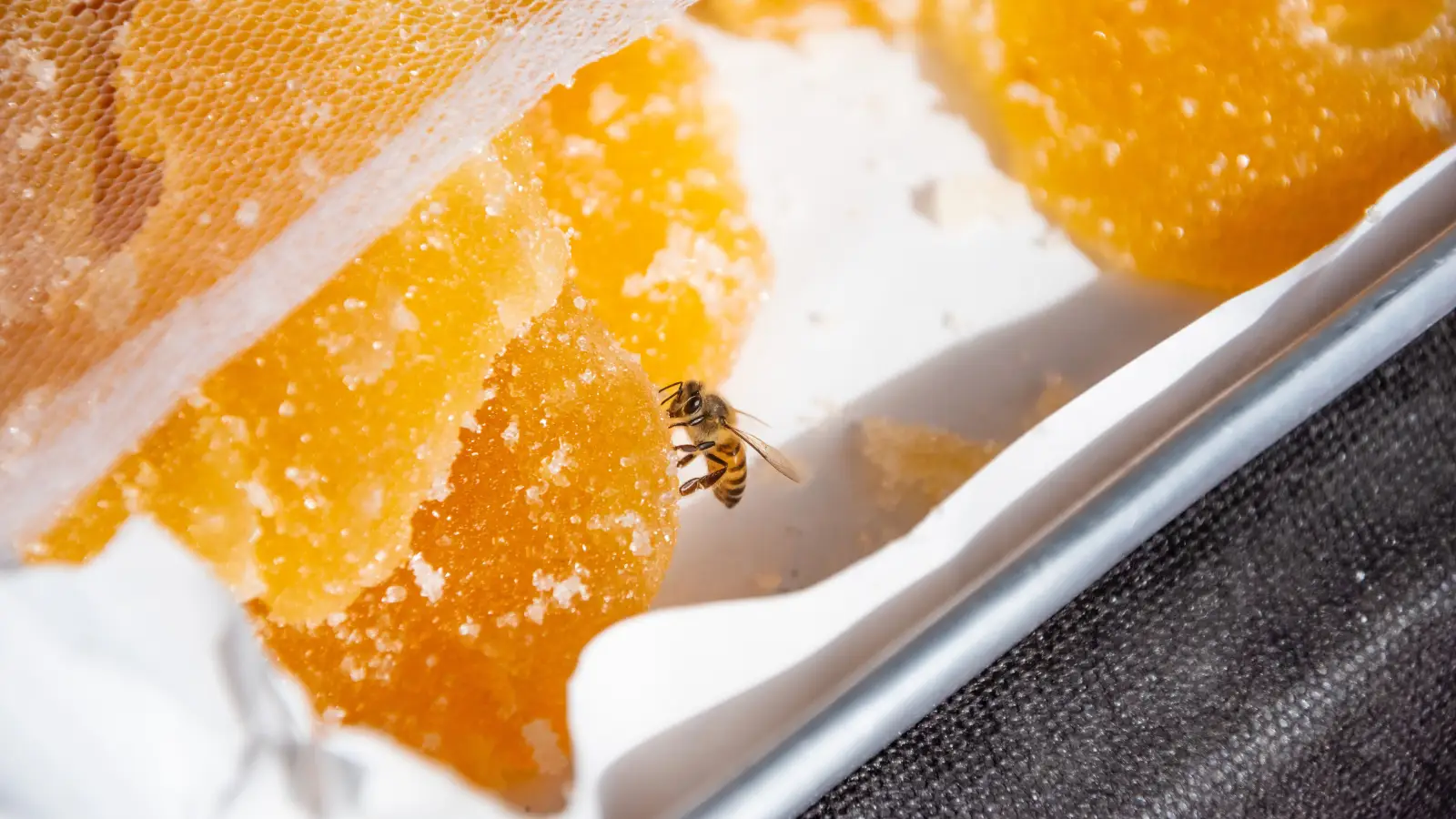
The fastest way to ruin crystallized honey is to hit it with high heat—the microwave or a pan on the stove will destroy its enzymes and cook off the floral aromatics in seconds. The only method that preserves both flavor and beneficial compounds is controlled gentle warming. A warm water bath or a yogurt maker, held to a strict maximum of 104°F (40°C), re-liquefies honey without sacrifice. Anything hotter, and you’ve lost what made that raw honey worth keeping.
How to Warm Honey Without Ruining It: The 5-Step Cheat Sheet
- Heat water to 95–100°F (35–38°C). Do not let it boil.
- Submerge the honey jar (glass is best) so the water reaches halfway up the sides.
- Monitor the temperature with a kitchen thermometer; keep it between 95°F and 104°F at all times.
- Stir the honey gently every 10 minutes to distribute warmth and loosen crystals.
- Remove the jar the moment the honey flows smoothly and no grains remain.
A Closer Look at Each Step
Fill a Pot with Warm Water—Not Hot Enough to Hurt Your Skin
Tap water heated to 95–100°F feels comfortably warm on the inside of the wrist. That’s the target. Boiling water, even if you later let it cool, starts enzyme breakdown immediately and can crack a glass jar from thermal shock. The microwave is worse: it generates intense, uneven heat that caramelizes sugars and scrambles delicate flavor before you even notice. Direct stovetop heat off a metal burner transmits high temperatures directly into the jar—no buffer, no safety.
Submerge the Jar and Keep the Lid Dry
Place the jar in the pot so the water covers half to two-thirds of its height. Keep the lid well above the waterline to prevent any seepage. For plastic containers, cap the water temperature at 100°F—some plastics soften or warp and may leach chemicals. Glass jars eliminate that risk entirely.
Watch the Thermometer: 104°F Is the Hard Stop
Clip a probe thermometer to the pot and check every 5–10 minutes. The safe operating range is 95–104°F (35–40°C). If the bath dips below 90°F, add a splash of hotter water while you stir the bath—never pour directly onto the jar. Crossing 104°F starts to denature invertase, the enzyme that breaks down sucrose. At 120°F and above, diastase degrades, light floral notes vanish, and the honey begins to darken and taste cooked.
Stir Every 10 Minutes to Break Up Crystals
Use a clean, dry spoon to stir the honey during the soak. This moves heat from the warmer outer rim into the crystallized core and prevents stagnant hot spots. Don’t whisk or whip—air bubbles introduced now can accelerate recrystallization later.
Stop the Instant the Honey Runs Clear
The warming is done when the honey pours easily and you feel no grittiness on the spoon. Prolonged warmth, even at safe temperatures, will slowly flatten the most delicate floral top notes. Remove the jar, dry it, and let it reach room temperature before sealing.
A yogurt maker that holds a steady 100–110°F is a reliable hands-off tool. Place the sealed jar inside, run it for 8–12 hours, and check periodically until the honey flows.
How to Know It Worked: Verification at Each Stage
- The water never exceeded 104°F—confirmed by thermometer reading.
- The jar felt warm but never uncomfortably hot to the touch.
- The honey’s outer edges became transparent first, with crystals receding steadily toward the center.
- Stirring met no grainy resistance; the last crystals dissolved.
- The honey’s aroma matched its uncooked state: no caramel or burnt notes.
When the Honey Doesn’t Turn Out Right
The Honey Tastes Burnt or Bitter
If the warmth pushed past 120°F, volatile aromatics have broken down permanently. Use it for baking where the cooked flavor fades into other ingredients, or discard it. There is no restoration.
The Honey Re-Crystallized Within a Day
Microscopic seed crystals likely survived the warming and triggered fresh crystal growth. Rewarm the jar, soak longer, and stir more often this time. Also check where the jar lives: storage below 50°F practically guarantees rapid crystallization.
Water Got into the Jar
A loose lid or overfilled bath can let moisture inside. Dilution invites fermentation. If you see bubbles or smell anything sour or yeasty, discard the jar—fermented honey is unsafe. Without those signs, use it quickly.
The Plastic Jar Warped
Plastic can’t take sustained warmth. Transfer the honey to a glass jar right away and don’t reuse the damaged container for warming. From now on, always warm in glass.
Common Questions About Warming Honey
Can I microwave honey on defrost or low power?
No. Even on low, microwaves generate hot spots that ruin enzymes and burn off delicate flavor. The slight convenience isn’t worth trashing a jar of good honey.
Does warming honey destroy all its nutrients?
Only if it’s overheated. Diastase and invertase stay largely intact under 104°F. The real damage happens at pasteurization temperatures (140°F and above), where they are wiped out rapidly.
What temperature kills honey enzymes?
Invertase activity starts to dip around 118°F (48°C). By 140°F (60°C), diastase is destroyed quickly. The often-quoted 140°F mark is a processing threshold; staying below 104°F keeps the honey’s active compounds safe.
Why does my honey crystallize right after I warm it?
Leftover micro-crystals from incomplete warming, or storage in a cold spot (below 50°F), cause fast re-crystallization. Warm the honey until absolutely clear, then keep it in a pantry at 70–80°F—never in the refrigerator.
Keep the temperature strictly capped at 104°F, and your honey will be liquid again with its full character intact. Store it in a cupboard away from cold drafts and the refrigerator door—that’s the run it needs to stay smooth.