Honey resists bacteria through more than sugar concentration. Glucose oxidase, an enzyme bees add during nectar processing, converts glucose and oxygen into hydrogen peroxide and gluconic acid as soon as water becomes available. Antioxidant compounds from the nectar and the bees stabilize this reaction sequence. The outcome is an active chemical defense that keeps a jar of raw honey unspoiled even after frequent exposure to moisture and utensils—long past the point where a plain sugar syrup would fail.
A Jar of Raw Honey on the Counter — Why It Never Spoils
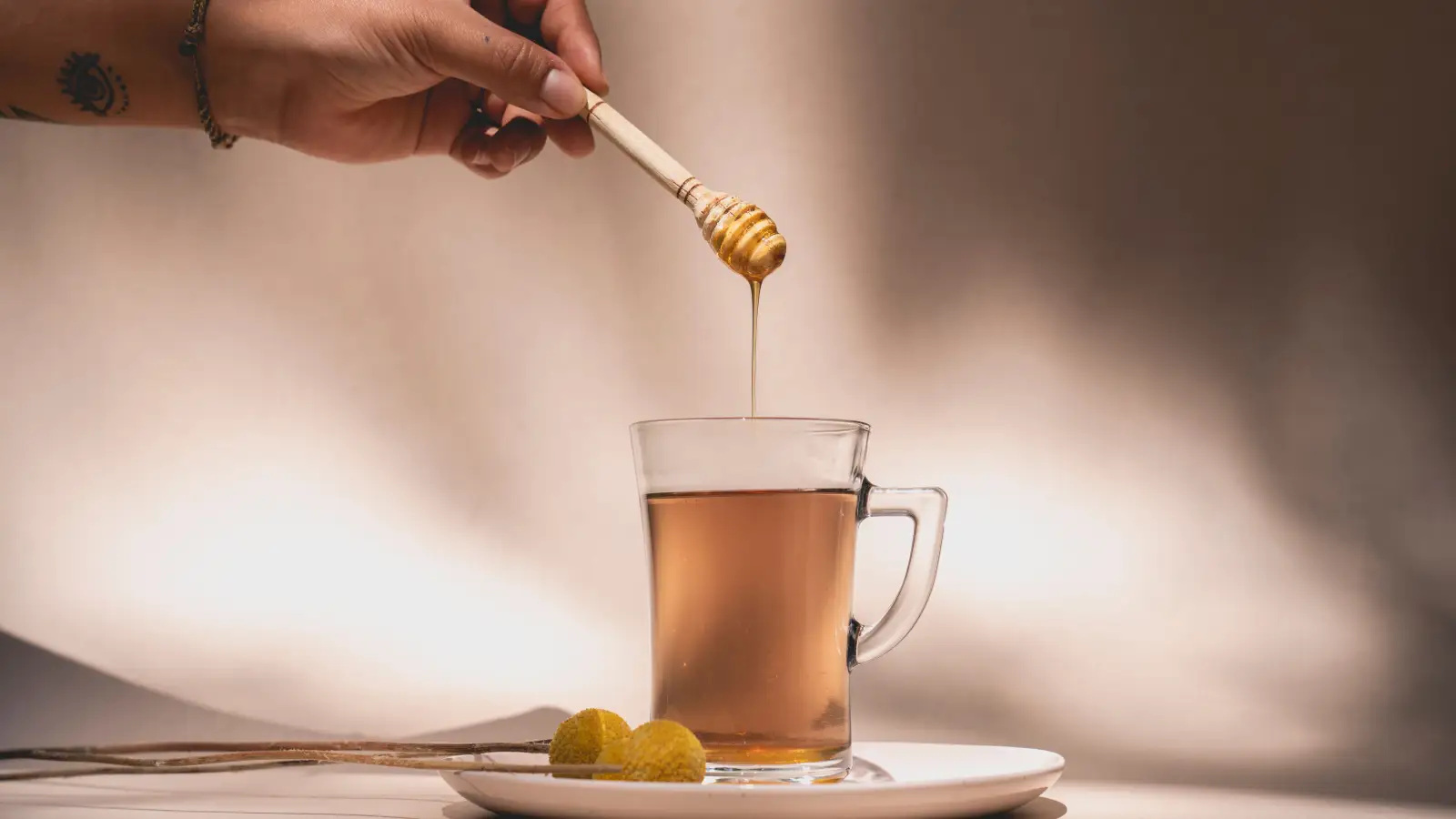
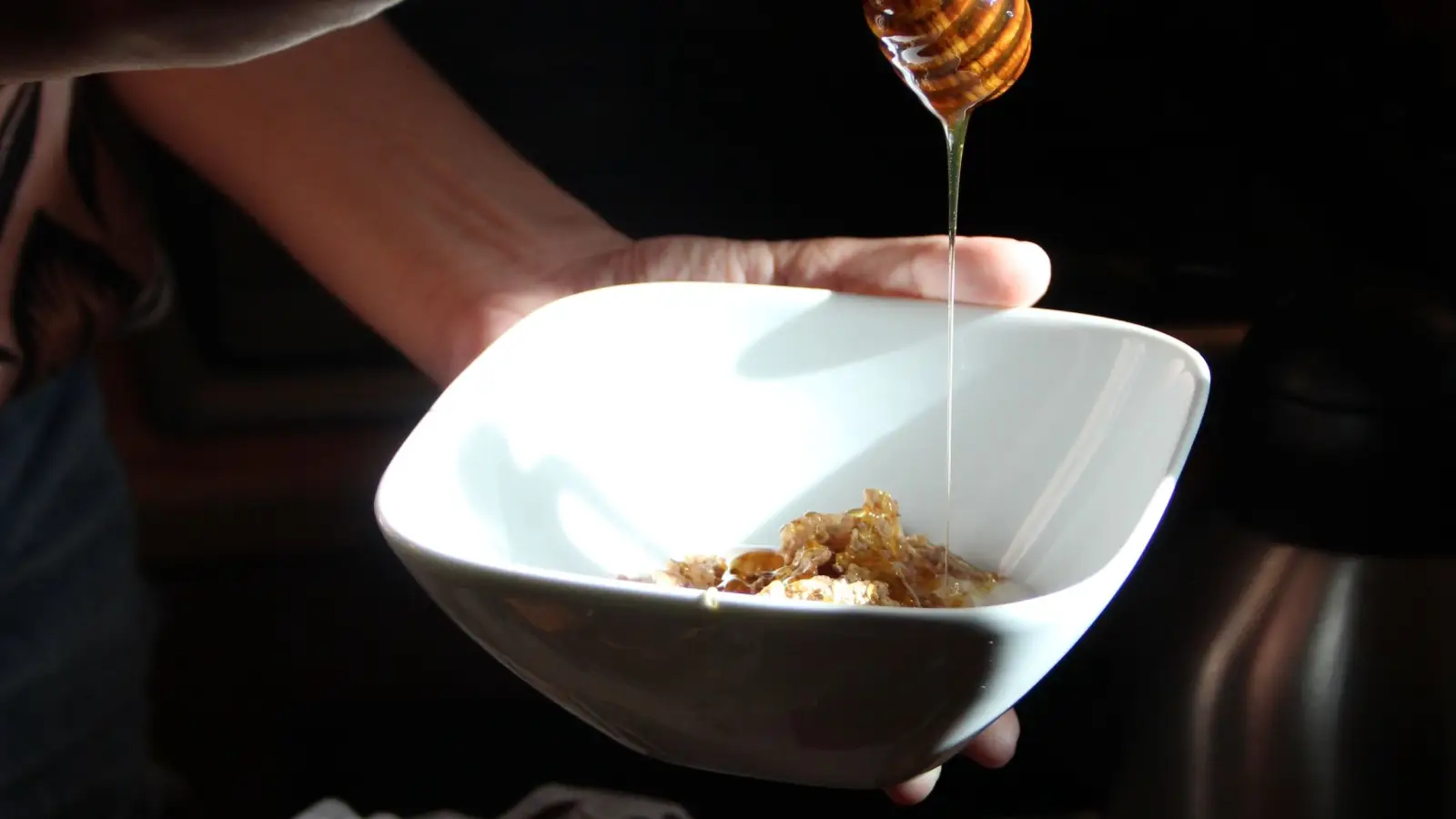
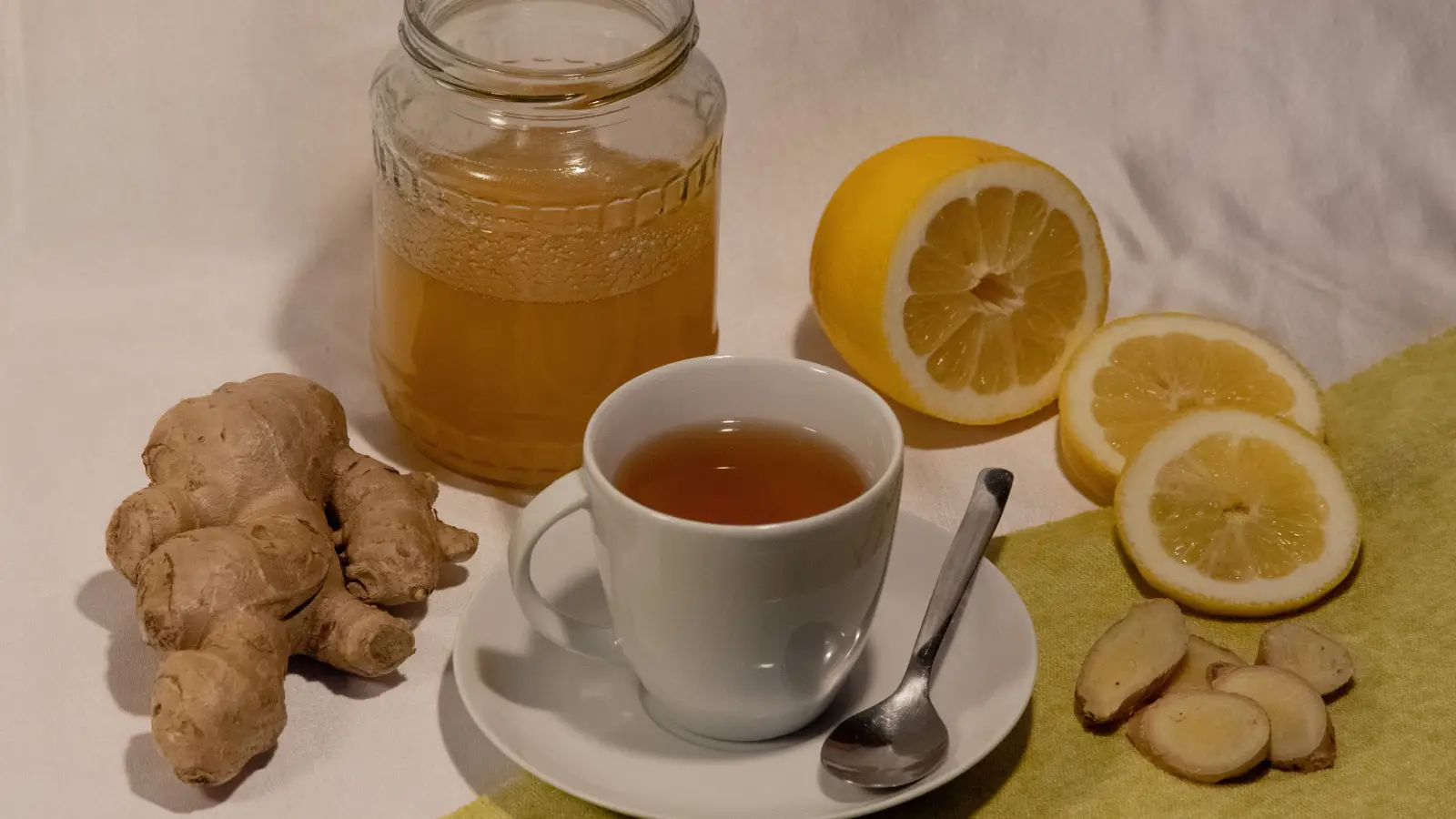
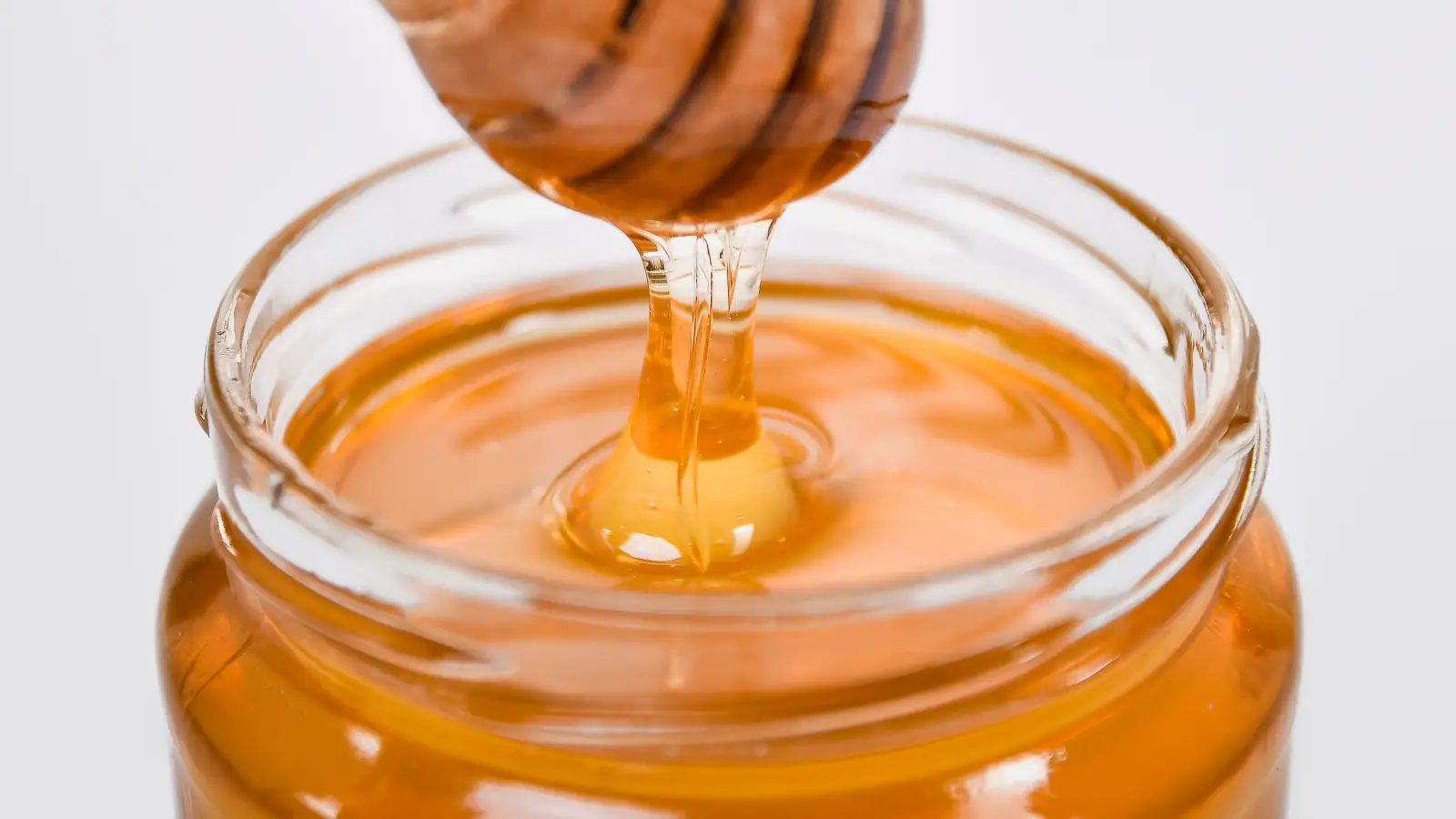
A jar of raw wildflower honey sits opened on a kitchen shelf. Over eighteen months, it has been dipped into with a butter knife, a spoon replaced after a near-miss in the sink, and left in a humid summer kitchen. The honey’s surface shows no mold, no off-odor, and no detectable bacterial growth. Store a jar of simple syrup under identical conditions and mold appears within a month.
The critical variable isn’t just water activity. Even thin, diluted films at the jar’s rim—where sugar’s osmotic pull falls below dehydrating thresholds—stay clean. A different preservation mechanism is operating there.
The Chemistry of Preservation in an Opened Jar
Glucose Oxidase Activation Is Triggered by Dilution
Inside thick honey, glucose oxidase remains dormant because water is the limiting reactant. Whenever moisture enters—from a damp spoon or from ambient humidity condensing at the surface—localized dilution lifts that constraint. The enzyme oxidizes glucose, extracting electrons and transferring them to dissolved oxygen. The immediate products are gluconolactone, which spontaneously hydrolyzes to gluconic acid, and hydrogen peroxide. Because honey’s viscosity restricts oxygen diffusion, the reaction proceeds at a low, sustained rate rather than a rapid burst.
Hydrogen Peroxide Production Follows a Controlled Kinetics
Hydrogen peroxide is the main inhibitory molecule. Many raw honeys generate enough peroxide to suppress Staphylococcus aureus and Escherichia coli in standard broth assays. The peroxide forms continuously wherever dilution occurs, maintaining a persistent bacteriostatic concentration without the tissue irritation that higher-titre antiseptics can cause.
Honey also contains residual catalase from nectar and bee secretions. Catalase decomposes hydrogen peroxide into water and oxygen, creating a self-limiting system. A fraction of the peroxide is dismantled, keeping levels below human-cell toxicity while still overwhelming bacteria that lack robust catalase defenses or slow-peroxide-scavenging pathways.
Gluconic Acid Lowers pH Independently of Sugar’s Osmotic Effect
Oxidation adds gluconic acid to the mixture, pushing the honey’s pH into the 3.2–4.5 range depending on floral origin. This acidic environment disrupts membrane potentials and metabolic enzymes in many pathogens that require neutral pH. The acid effect works synergistically with osmotic pressure; while sugar alone can suspend some microbial growth, the combined acid-plus-peroxide condition interferes with bacterial physiology more thoroughly than either factor isolated.
Antioxidant Cofactors Prolong the Peroxide Window
Flavonoids, phenolic acids, and the enzyme–antioxidant matrix itself scavenge stray radicals that would otherwise shorten peroxide persistence. By buffering the redox environment, these cofactors extend the time hydrogen peroxide stays available to damage microbial cells. Dark honeys like buckwheat and chestnut carry higher polyphenol loads, and their peroxide output often correlates with that antioxidant capacity—though non-peroxide mechanisms (such as methylglyoxal in manuka) are an additional layer.
Where This Enzyme System Makes a Practical Difference
Storing Raw Honey Without Refrigeration
A sealed jar of raw honey stored at room temperature remains stable for years. Frequent opening does not induce spoilage provided the interior stays largely dry and the lid restricts ambient moisture. Crystallization is a physical change, not a sign of degradation; gentle warming generally preserves glucose oxidase activity if temperatures stay low. The practical rule is that a dry spoon matters more than a sterile one.
Using Honey as a Topical Wound Coating
Medical-grade honey, irradiated for sterility, retains functional glucose oxidase. On a wound, exudate supplies the water that activates the enzyme, delivering hydrogen peroxide at a controlled rate. This low-level peroxide suppresses microorganisms without the cytotoxic side effects of concentrated disinfectants, while the acid milieu supports epithelial repair. The effect is distinct from the osmotic pull that removes excess fluid—both processes operate in parallel.
Selecting a Honey That Retains Its Enzymatic Activity
Commercial processing frequently involves flash heating and fine filtration, which denature glucose oxidase and strip away pollen-associated enzymes. When the glucose oxidase system matters—for everyday preservation or for experimental first-aid uses—raw, unfiltered honey from a local apiary offers a higher probability of enzyme retention. “Raw” on a label does not guarantee enzymatic activity; darker, antioxidant-rich honeys like buckwheat tend to show stronger peroxide generation in published assays, consistent with their higher polyphenol content.
Why Sugar Content Alone Can’t Explain Honey’s Shelf Life
The common narrative that honey preserves itself purely through sugar-induced dehydration does not survive scrutiny for opened jars. Two observations undermine it. First, the thin, moisture-absorbed film at the jar’s rim should support microbial growth if only sugar and water activity mattered; yet it remains clean for weeks. Second, honey deliberately diluted to a concentration where osmotic pressure no longer inhibits bacteria still demonstrates bactericidal effects in broth models. Glucose oxidase resolves both anomalies. The moment water arrives, the enzyme initiates peroxide production before competing microbes can establish.
This argument does not dismiss sugar’s contribution. Low water activity and high osmotic pressure remain necessary conditions. But they are not sufficient for indefinite preservation after opening. The enzyme system supplies the active barrier at the diluted margins.
Common Questions About Honey’s Antibacterial Enzyme
Does heating honey destroy glucose oxidase?
Heat treatments beyond roughly 40–50°C (104–122°F) begin to denature glucose oxidase. Industrial pasteurization, which often exceeds those temperatures for extended periods, can eliminate most enzymatic activity. That is why raw, unheated honey is more likely to retain peroxide-generating capacity than the clear, heat-processed honey in many retail bottles.
Are all honeys equally antibacterial?
No. Hydrogen peroxide yield varies with floral source, bee genetics, and post-harvest handling. Dark, polyphenol-rich varieties—chestnut, buckwheat, certain forest honeys—frequently exhibit higher glucose oxidase activity and greater peroxide accumulation. Other honeys rely more on non-peroxide pathways, notably the methylglyoxal system in manuka, which remains active even after heating.
How does honey compare to manuka honey’s antibacterial effect?
Manuka honey’s characteristic antibacterial agent is methylglyoxal, a heat-stable compound that operates independently of glucose oxidase. Most non-manuka honeys depend primarily on the glucose oxidase–hydrogen peroxide cascade. A raw multifloral honey with intact enzyme activity can, in laboratory broth models, match or exceed manuka’s peroxide-driven antibacterial performance, but manuka retains its potency through heating. The two mechanisms are not mutually exclusive; a honey can exhibit both, though manuka’s distinguishing trait is its non-peroxide activity.
Can honey kill bacteria in your mouth or throat?
Dilution with saliva activates glucose oxidase, generating peroxide that can inhibit oral bacteria such as Streptococcus mutans. However, ingested honey also delivers fermentable sugars that oral microbes can use. The net outcome depends on the specific peroxide yield of the honey and the duration of contact. For throat irritation, raw honey may reduce bacterial load in the pharynx, but it should not replace dental care or prescribed antimicrobial treatment.
The Simplest Way to Remember This
A jar of raw honey remains intact because every drop of water that enters the system triggers a localized antiseptic reaction. Glucose oxidase, dormant in the thick matrix, generates hydrogen peroxide and acid precisely where dilution occurs. That is why the sugar alone does not carry the full burden of preservation—without the enzyme, that repeatedly opened jar would deteriorate like any sugary syrup.