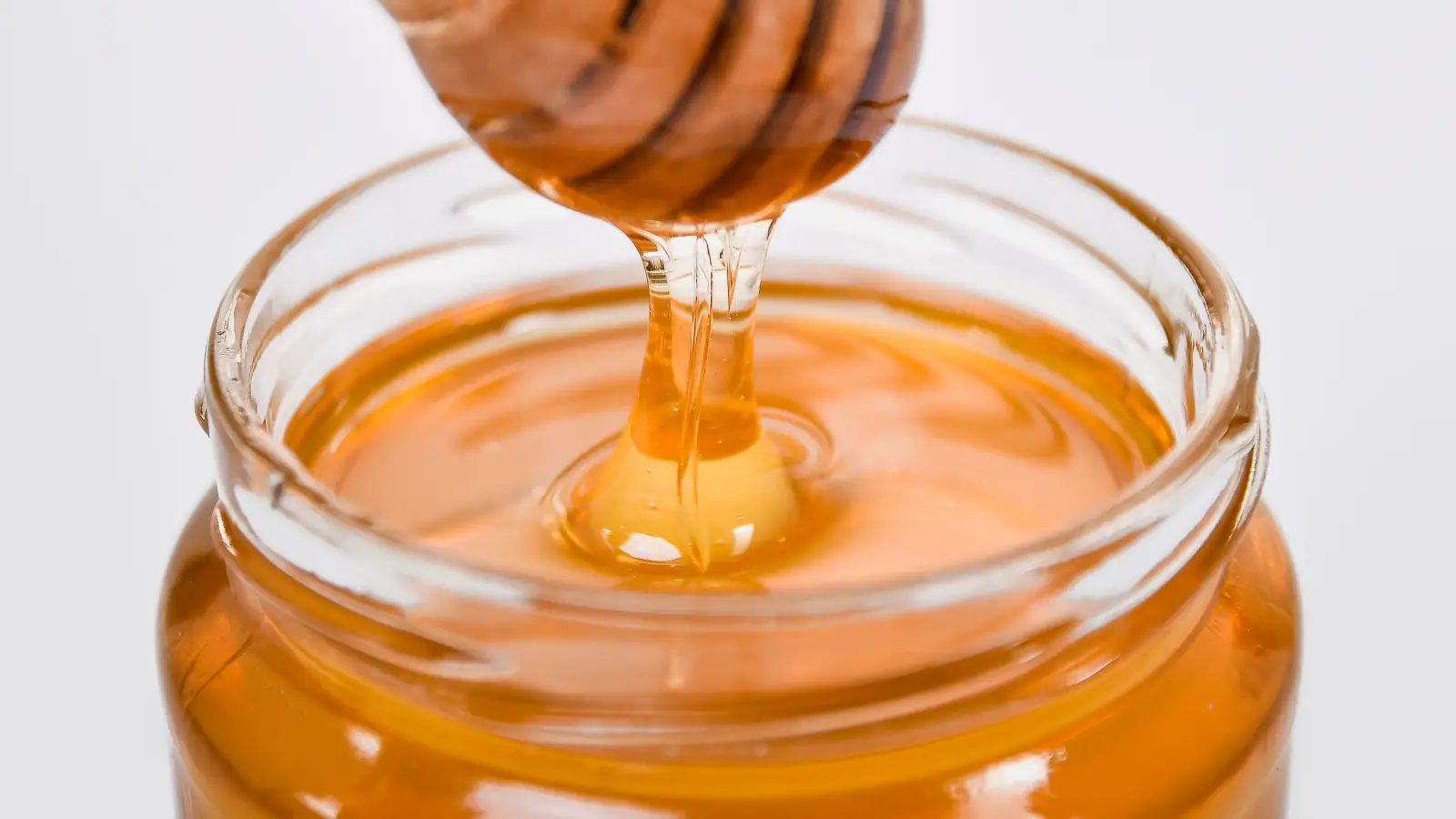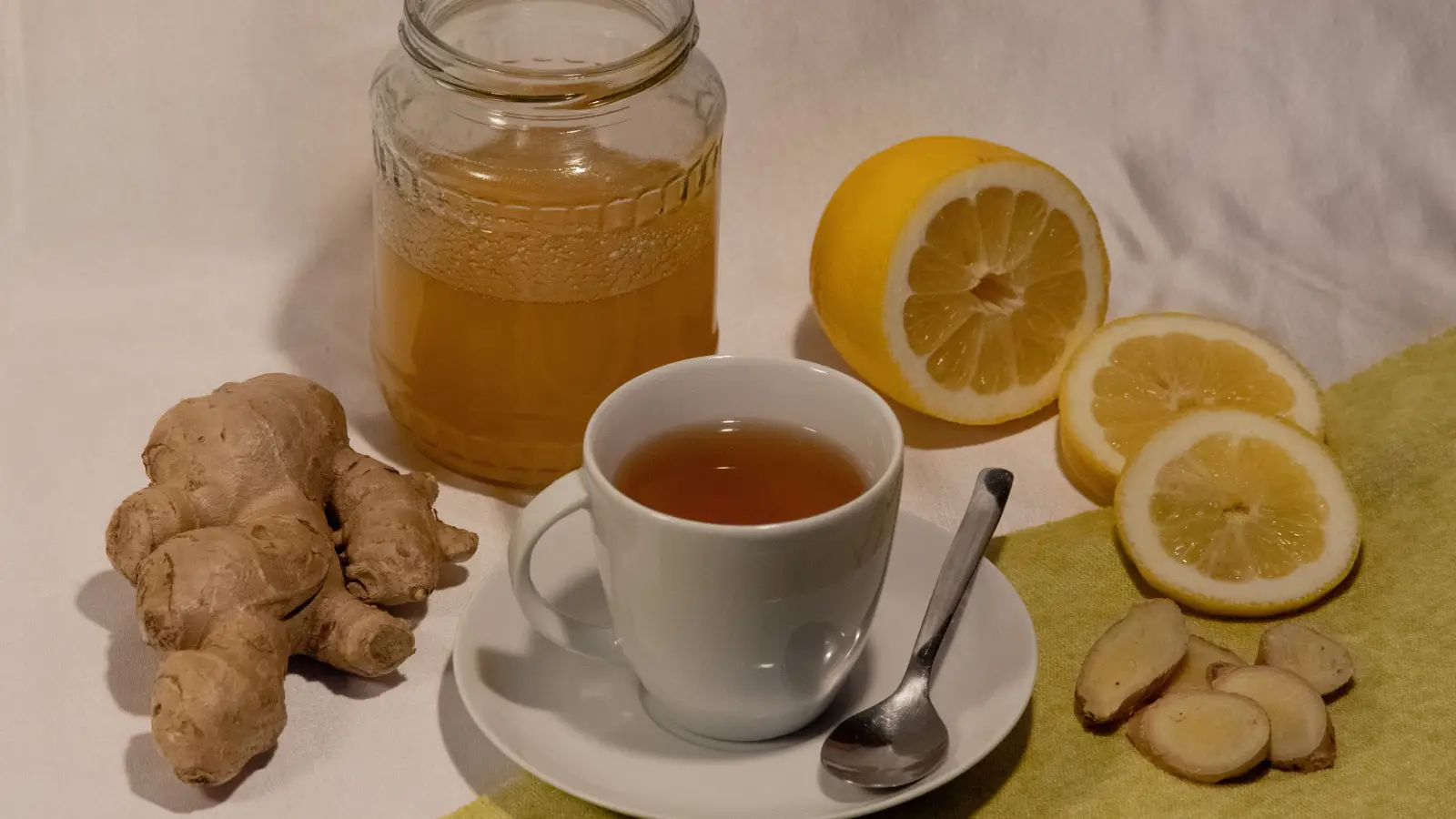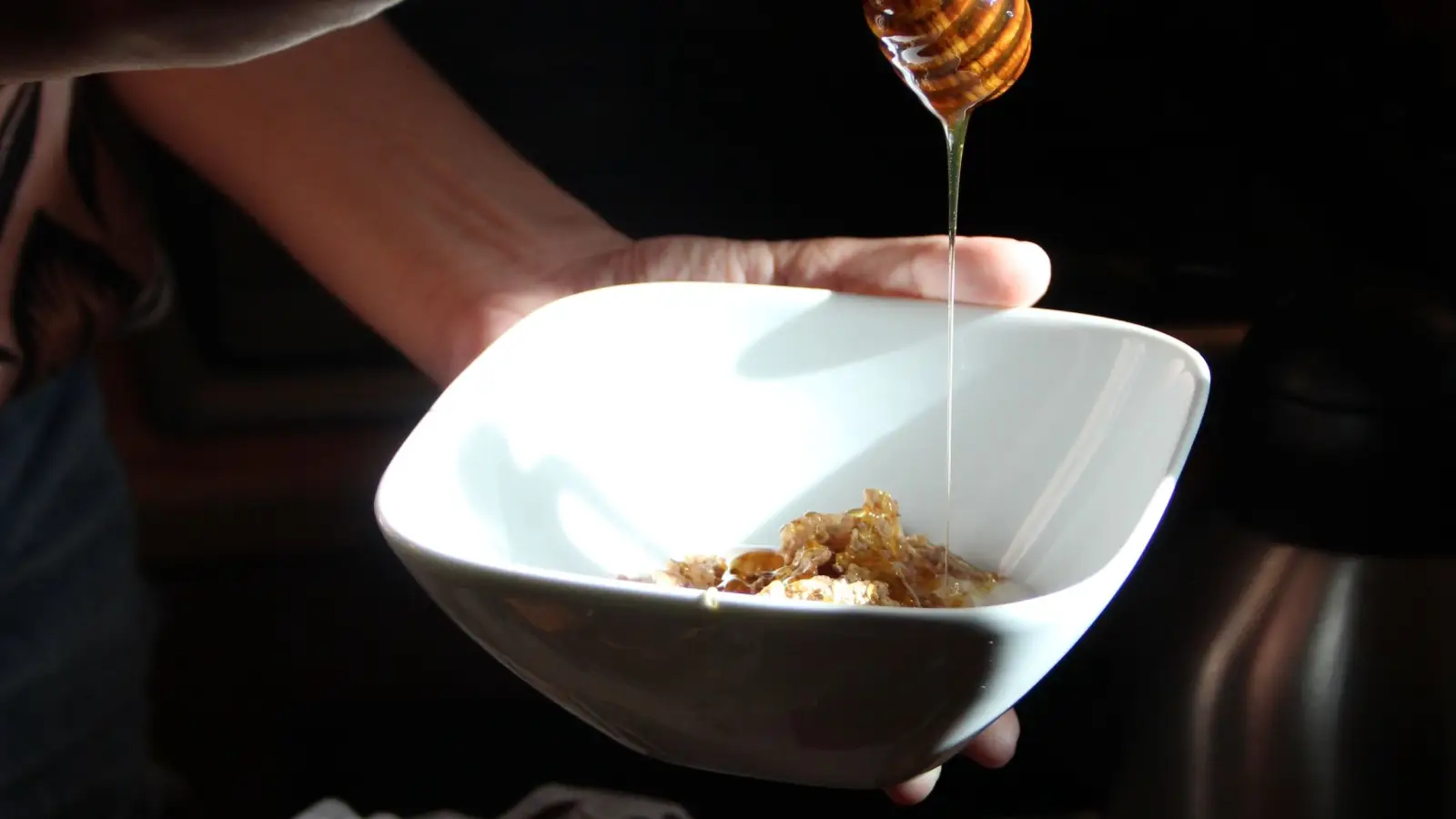
Honey carries a reputation as the healthy sweetener, but a direct nutritional comparison with table sugar shows the differences are small—and in some situations, sugar is the better choice. The numbers make it clear: the idea that honey is automatically healthier ignores its calorie density, its similar effect on blood glucose, and the near-negligible level of nutrients at normal serving sizes. This breakdown looks at the facts without the health halo.
The Verdict on Whether Honey Beats Sugar
For daily sweetening—in coffee, tea, or breakfast porridge—neither sweetener is a health food. The gap between them is narrow. If the priority is pure calorie control by the spoon, table sugar wins: it contains fewer calories per equal volume. Raw honey offers a small antioxidant bonus and, depending on the floral source, a slightly lower glycemic index. But the margin is too small to base major dietary decisions on. If health is the motivation, reducing added sugars altogether matters far more than switching from one to the other.
Honey vs. Table Sugar: A Side-by-Side Look
| Criterion | Honey (1 Tbsp, ~21 g) | Granulated Sugar (1 Tbsp, ~12.6 g) |
|---|---|---|
| Calories | ~64 | ~49 |
| Glycemic Index (average) | 50 (range 32–85) | 65 |
| Fructose content | ~40% fructose, 30% glucose, 10% other sugars + water | 50% fructose, 50% glucose (as sucrose) |
| Micronutrients | Trace B vitamins, vitamin C, potassium, antioxidants (highly variable) | None |
| Best For | Flavor-forward uses, liquid applications, niche antioxidant support | Precise baking, cost, calorie-conscious sweetening |
Note: Honey is denser and sweeter, so people often use less by weight. The table uses equal volume for a straightforward spoon-by-spoon comparison.
Honey’s Nutrition: A Closer Look
Honey contains more than just sugars and water, but not enough to change how it should be treated in a diet. The trace amounts of enzymes, pollen, and polyphenols depend heavily on the flowers the bees visited and on how the honey is processed. Raw, unfiltered honey retains more of these compounds; many commercial honeys are heated and ultra-filtered, which strips most of them away. Some imported honey is adulterated with cheap syrups, which further reduces any nutritional difference from sugar.
Strengths:
- Provides flavonoids and phenolic acids that act as antioxidants; darker varieties like buckwheat or manuka tend to contain more.
- Its average GI is lower than table sugar’s, though the range is wide and depends on the botanical origin.
- Adds liquid sweetness that can work well in dressings, marinades, and warm beverages.
Weaknesses:
- A tablespoon packs about 30% more calories than the same spoon of sugar, so free-pouring quickly adds extra energy.
- Roughly 40% fructose means it still taxes the liver when consumed in large amounts, similar to other fructose-rich sweeteners.
- Unsafe for infants under one year because of botulism spore risk.
- The nutrient argument collapses on examination: reaching a meaningful fraction of daily vitamin needs would require several tablespoons—an amount that far exceeds any sensible daily sugar limit.
Table Sugar: The Baseline Sweetener
Granulated sugar is sucrose, a simple carbohydrate that provides energy and nothing else. It is predictable, stable, and, when adjusted for sweetness and density, not vastly different from honey.
Strengths:
- Lower calorie count per tablespoon (49 vs. 64), which matters for anyone who measures sweeteners by volume.
- Consistent chemical makeup ensures reliable results in baking, candy-making, and yeast-leavened doughs.
- Cheap, widely available, and produced under standardized conditions—no concern about batch-to-batch variation or adulteration.
Weaknesses:
- Contains zero micronutrients.
- GI of 65 causes a fast blood sugar spike.
- Heavy consumption is linked to weight gain, insulin resistance, and other chronic conditions.
Where the Numbers Actually Diverge: 4 Key Factors
Glycemic Impact
Honey’s GI varies sharply—from about 32 for a pure acacia honey to 85 for some blended products. The typical average is around 50, lower than sugar’s 65. For a person tracking glycemic load, that appears favorable, but the reality is more cautious: even a lower-GI honey still causes a clear post-meal blood glucose rise. Someone with prediabetes swapping sugar for honey will not eliminate the spike. If the goal is to lower GI, choosing a verified low-GI floral source helps, but controlling portion size remains the main lever.
Calorie Density vs. Sweetness
Per level tablespoon, honey delivers roughly 30% more calories than sugar. Honey’s greater sweetness, however, can lead people to use less. In practice, a person who measures both by the spoon without adjusting will take in more calories from honey over time. But a person who uses half a teaspoon of honey instead of a full teaspoon of sugar ends up at similar calorie totals. The decisive factor is measuring habit, not an inherent nutritional disadvantage.
Nutrient Value
Honey’s “trace nutrients” are real but too modest to matter in a balanced diet. A tablespoon of dark honey might supply a few milligrams of potassium and a tiny dose of antioxidants—equivalent to a small piece of fruit, not a serving. The idea that honey is a significant source of vitamins or minerals does not hold up when you look at the quantities. Any benefit is marginal at best.
Practical Use in the Kitchen
Sugar is a dry solid that creams with fat, provides structure in baked goods, and dissolves easily in cold drinks. Honey is a liquid sweetener that adds moisture, acidity, and browning; substituting it directly for sugar in baking will produce a denser, wetter product unless the recipe is adjusted. For cold beverages, honey tends to clump. For hot tea or coffee, it dissolves readily, but the flavor can overpower.
Picking the Right Sweetener for the Job
If you prefer honey’s flavor — use it in moderation. The taste justifies the choice, not a health claim.
If you are counting calories by the spoonful — table sugar gives fewer calories per equal volume, so it can help prevent unnoticed excess over repeated use.
If you are baking a written recipe — sugar is usually the safer option unless the recipe is specifically designed for honey. Changing sweeteners without recalculating liquid and acid can ruin the texture.
If you want a small antioxidant boost — a raw, dark honey from a local producer supplies more polyphenols than light, filtered varieties, but the quantity is still minor.
If you have blood sugar concerns — neither is harmless, though a documented low-GI honey may produce a slightly slower rise. Measuring portions and tracking carbohydrates matter far more than the choice between the two.
Frequently Asked Questions About Honey and Sugar
Is honey better for diabetics than sugar?
Both raise blood glucose. Some honey varieties have a modestly lower GI, but they still carry a full sugar load. Anyone with diabetes should count honey as they would any added sugar and watch their blood sugar response. It is not a safe alternative.
Does raw honey have more health benefits than regular honey?
Raw honey keeps enzymes, pollen, and antioxidants that heating and filtering can remove. The actual amounts are small, but if you are consuming honey with those compounds in mind, raw is the better form.
Can honey cause weight gain?
Yes. Like any concentrated sugar source, extra calories from honey add up. Because it is denser, it is easy to pour more than intended; using a measuring spoon helps keep intake in check.
Is it safe to give honey to babies?
No. Honey can contain botulism spores that an infant’s digestive system cannot handle. This risk exists for all honey, regardless of processing.
Can I replace sugar with honey in baking?
Yes, with adjustments. A common rule: use ¾ cup of honey for every 1 cup of sugar, reduce other liquids by 2–4 tablespoons per cup of honey, and lower the oven temperature by 25°F to avoid excessive browning. Results depend on the specific recipe; treat the first attempt as a test.
Honey is not a hidden health food. Its small antioxidant content and slightly lower GI do not override the fact that it is still a concentrated source of sugar and calories. For most people, the decision between honey and table sugar should rest on taste, recipe requirements, and price. The real health move is to cut back on added sugars from any source.