The question hiding inside a worried stomach is rarely "will this cure me?"—it is "could this gentle, everyday thing make a real difference?" Honey, with its long folk history and its emerging prebiotic profile, seems to answer that question with a quiet maybe. In a laboratory dish, certain honey types feed Bifidobacterium and Lactobacillus as readily as they suppress unwanted microbes. But what survives the acid bath of the stomach and the chaos of a living gut is a much harder story to pin down. The human evidence is thin, the doses used in trials are high, and the comfort you feel after a warm honey drink might owe more to warmth and time than to any microbial shift. Holding those two layers apart—what could be and what is proven—is the only honest way to think about honey for digestion.
Two Forces That Make Honey Digestively Interesting
Honey arrives in the colon carrying two separate conversations. The first is chemical: short chains of carbohydrates called oligosaccharides that human enzymes leave untouched, so they travel deep into the gut and offer a meal to resident bacteria. The second is physical and experiential: honey’s coating texture, its low water activity, and its faint acidity have been used for centuries to calm an irritated throat and, by extension, a raw-feeling digestive tract. These two forces—a prebiotic feeding signal and a simple mucosal comfort—are the foundation of the digestive claims, but they are not equally well supported. The prebiotic side relies on a handful of lab studies and a very small number of human trials; the comfort side is mostly cultural inheritance and personal testimony.
Four Checkpoints for Thinking Clearly About Honey and the Gut
When a worried digestive system meets a jar of honey, the wise approach is not to ask "does it work?" but to walk it through four specific checkpoints. Each one pulls apart a different layer of the claim.
Checkpoint 1: What Happens in a Petri Dish Stays in a Petri Dish
In-vitro work has been generous to honey. Multiple experiments show increased growth of Bifidobacterium and Lactobacillus and a dampening of pathogens like C. difficile when honey is added to a culture medium. The effect seems to depend on a mix of oligosaccharides, hydrogen peroxide, and polyphenols that varies enormously by floral source and processing. But a petri dish has no stomach acid, no competing microbiome of a trillion other cells, and no peristaltic waves that push everything along. Tempting as it is to read those results as a gut-health promise, they are really just a biochemical screen—pointing out which honeys deserve a closer look, not which ones will change a person’s day-to-day digestion.
Checkpoint 2: The Human Data Is Small, Short, and Sugar‑Heavy
The studies that involve actual people tend to be few in number, short in duration, and built around doses that would give a nutritionist pause. Some have reported modest bumps in Bifidobacterium counts or small improvements in constipation scores after several weeks of daily honey, often in the range of 30 to 70 grams. Other trials see no difference from a placebo. When benefits do appear, they come wrapped in a significant sugar load—enough to raise questions about whether the trade-off is sensible for someone whose primary concern is gut health. Honest reading of this checkpoint says: there is a faint signal, but it is too faint to guide a daily habit without careful personal testing.
Checkpoint 3: Comfort Is Not the Same as a Microbial Shift
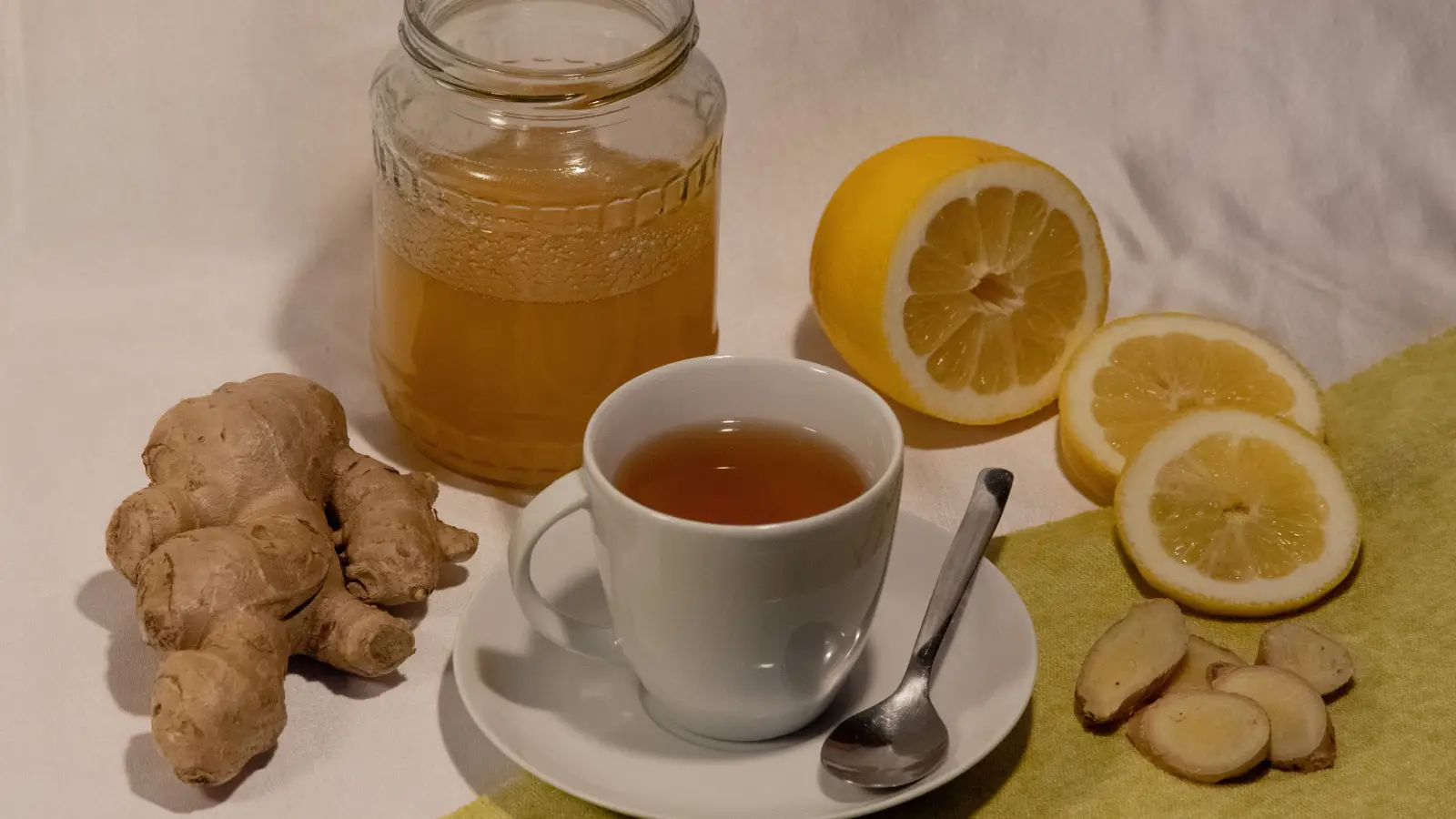
Warm water, a spoonful of honey, a quiet moment before bed—this ritual has an undeniable soothing effect. If someone notices less bloating the next morning, it is tempting to credit prebiotic fermentation. But the relief might just as easily come from improved hydration, the mild demulcent action of honey’s sugars, or the psychological reset of a calming habit. Lumping comfort and a prebiotic mechanism together makes it impossible to know what is actually helping. For anyone trying to make rational decisions about digestive health, this checkpoint demands a simple but uncomfortable question: am I observing a biological change or an emotional one?
Checkpoint 4: Honey Cannot Carry the Whole Gut‑Health Burden
Even if all the prebiotic hopes were confirmed, honey would still belong in the passenger seat. The dietary fiber from vegetables, legumes, and whole grains, the live cultures in fermented foods, the circadian rhythm of meal timing—these are the heavy lifters of gut ecology. Honey might add a few more oligosaccharides to a day that is already rich in them, and that contribution might nudge the microbial community in a favorable direction for some people. But expecting honey to compensate for a low-fiber diet or to act as a primary therapy for functional gut disorders is a category error the current evidence does not support.
A Real Person Walks Through the Four Checkpoints
Picture someone who experiences mild, intermittent bloating after meals. They eat a reasonably varied diet, try to include vegetables at lunch and dinner, and now want to experiment with honey. They settle on a dark, minimally filtered wildflower honey and decide to stir one teaspoon into warm water between meals. That is roughly 7 grams of honey—far below the doses used in clinical trials. After a week, they notice a slightly calmer stomach. The four checkpoints help them interpret what is happening: the petri dish data on dark honey is encouraging (Checkpoint 1), but human research is silent at this low intake (Checkpoint 2); the calm could be comfort, not a prebiotic effect (Checkpoint 3); and their overall diet—not the honey—remains the biggest lever for gut health (Checkpoint 4). The experiment is worth continuing, but with the clear understanding that it is a small nudge, not a remedy.
Where the Four‑Checkpoint Approach Gets Ignored
Believing Honey Is a Probiotic Rather Than a Prebiotic Candidate
The word “probiotic” has become shorthand for “helps my gut,” and it leads people to assume honey delivers live beneficial microbes directly. Raw honey may contain trace spores, but not at levels that reach a therapeutic threshold. Honey is a prebiotic candidate—food for the bacteria you already host. Mistaking it for a probiotic sets up a false expectation and can delay a person from seeking an intervention that actually replaces missing strains.
Assuming That More Honey Equals More Benefit
The trials that showed any human signal used hefty daily doses, and it’s easy to conclude that if some is promising, more must be better. But exceeding 50 grams of honey a day adds roughly 150 calories of sugar, with a glycemic impact that can strain metabolic health. The digestive upside, even if real, does not justify that load for most people. Honey’s role, at best, is a modest flavor‑plus‑prebiotic accent—not a volume intervention.
Quick Reference: Four Checkpoints for Honey and Digestion
| Checkpoint | Goal | Key Action |
|---|---|---|
| Laboratory Evidence | Understand the biochemical potential | Note that effects are strain‑ and honey‑type‑specific; not all honeys are equal. |
| Human Study Data | Separate promise from proven effect | Look for the doses and durations used; most are small, short, and sugar‑heavy. |
| Comfort vs. Mechanism | Clarify what you are actually treating | Ask: Is the relief microbial or simply soothing? |
| Whole‑Diet Context | Keep honey in its proper place | Ensure fiber, fluids, and fermented foods are doing the heavy lifting. |
FAQ
Is there a recommended daily amount of honey for gut health?
No. The few human studies that exist have used widely varying doses, and no regulatory body has set a prebiotic intake for honey. A teaspoon or two added to an already fiber-rich day might offer a trace of extra oligosaccharides, but don’t expect a clinical shift from that alone.
Does the floral source change how honey affects digestion?
Very likely. Dark, minimally processed honeys—such as those from buckwheat, manuka, or certain forest blooms—tend to carry more poly phenols and oligosaccharides than light clover or orange blossom varieties. The difference can be meaningful, but without a certificate of analysis, any single jar is a guess.
Can honey make IBS symptoms worse?
It can, because honey is a source of excess fructose and falls into the FODMAP category that triggers symptoms for many people with IBS. A small spoonful might be tolerable; a larger serving on an empty stomach could provoke bloating or pain. Those with diagnosed IBS should introduce it with caution and observe the response.
Is raw honey significantly better than regular honey for prebiotic purposes?
Raw honey preserves more enzymes and delicate pollen fractions, and it has not been exposed to the high temperatures that can degrade some oligosaccharides. The difference, however, is one of degree, not transformation. A gently heated, lightly filtered honey can still retain prebiotic activity; an ultra-filtered, syrup-like product likely will not.
Where the Next Step Hides
Walk any digestive concern about honey through four checkpoints—lab biology, human evidence, the comfort-versus-mechanism distinction, and whole‑diet context—and the gap between interesting laboratory signals and reliable personal benefit becomes clear. The best next step is not to buy a specific product, but to examine the honey already sitting on your shelf: what flowers it came from, how it was handled, and the tiny amount you actually spoon out. Only then can you decide if a purposeful, modest addition belongs alongside the fiber, water, and fermented staples that carry the real weight of gut health.