A 21 g serving of honey — roughly a generous tablespoon — adds about 0.1 mg of vitamin C and trivial fractions of several B vitamins. Those amounts are so low that a person would need to consume nine tablespoons, totaling around 540 calories, to reach 1% of the daily value for vitamin C. What makes honey worth examining isn’t its vitamin content; it’s the enzymes, antioxidants, and other bioactive compounds that come from the hive.
One Tablespoon of Honey in Your Tea — The Real Numbers
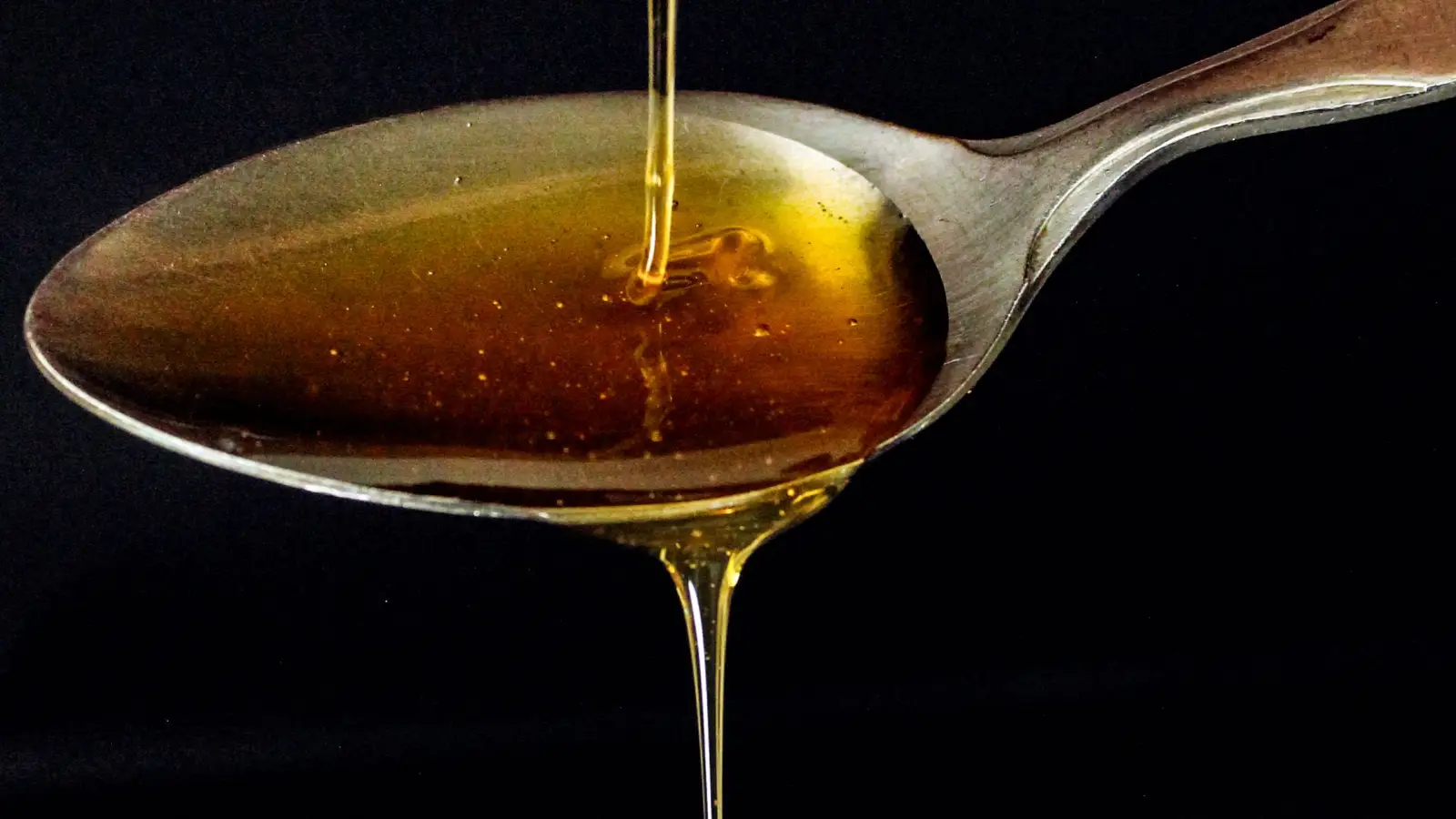
Consider someone who adds a tablespoon to a mug of tea each morning, under the impression that it’s a natural vitamin boost. That single spoonful is the volume where honey’s nutritional promise either holds up or falls apart. Measuring it objectively lets the numbers, not the health halo, do the talking.
What’s Actually in That Spoonful
Vitamin and Mineral Measurements at a Typical Serving
In a 21‑gram (one‑tablespoon) portion of an average multi‑floral honey, the vitamin figures sit barely above zero:
- Riboflavin (B2): 0.008 mg (0.6% DV)
- Niacin (B3): 0.025 mg (0.2% DV)
- Pantothenic acid (B5): 0.014 mg (0.3% DV)
- Vitamin B6: 0.005 mg (0.3% DV)
- Folate: 0.4 µg (0.1% DV)
- Vitamin C: about 0.1 mg (0.1% DV)
Minerals fare no better — potassium, calcium, and magnesium each amount to fractions of a percent of daily needs per spoonful.
When Percent Daily Values Start to Look Like a Rounding Error
For the tea‑drinker who wants even 1% of the vitamin C daily value, the math is unforgiving: nine times that single tablespoon, or roughly 120 grams of honey, costing 540 calories. The B‑vitamins don’t rescue the picture either; multiple tablespoons still fall hopelessly short of meaningful intake. In the quantities most people actually eat, honey’s vitamin contribution rounds to zero.
The Bioactives That Actually Distinguish Honey
Once the vitamin column is set aside, the same spoonful contains the compounds that give honey its functional identity:
- Enzymes — glucose oxidase (which generates low levels of hydrogen peroxide), diastase, and invertase — are incorporated by bees during nectar processing. They underpin honey’s mild antimicrobial properties and serve as markers of rawness and freshness.
- Antioxidants such as flavonoids (pinocembrin, chrysin, galangin) and phenolic acids fluctuate with floral origin but are measurable and bioactive. They drive honey’s anti‑inflammatory potential and its ability to lessen oxidative stress.
A standard nutrition facts panel omits these entirely, yet they define honey’s biological role far more than the missing vitamins.
Where This Vitamin Illusion Trips People Up
Swapping Sugar for Honey to Get More Nutrients
When someone replaces white sugar with honey in coffee or baking, the assumption is often that they’re upgrading to a micronutrient source. In reality, the vitamin gap between the two sweeteners is vanishingly small — both deliver calories and virtually no vitamins. The actual upgrade is the introduction of enzymes and plant‑derived antioxidants.
Looking for Vitamin C in a Home Remedy for a Sore Throat
The tea‑drinker with a cold might expect the honey to contribute vitamin C for recovery. The spoonful supplies almost none. The genuine relief comes from honey’s viscous, coating texture and its weak but real antibacterial activity, courtesy of the hydrogen peroxide and organic acids — not from any meaningful vitamin dose.
Reading a Nutrition Label and Seeing Zeroes
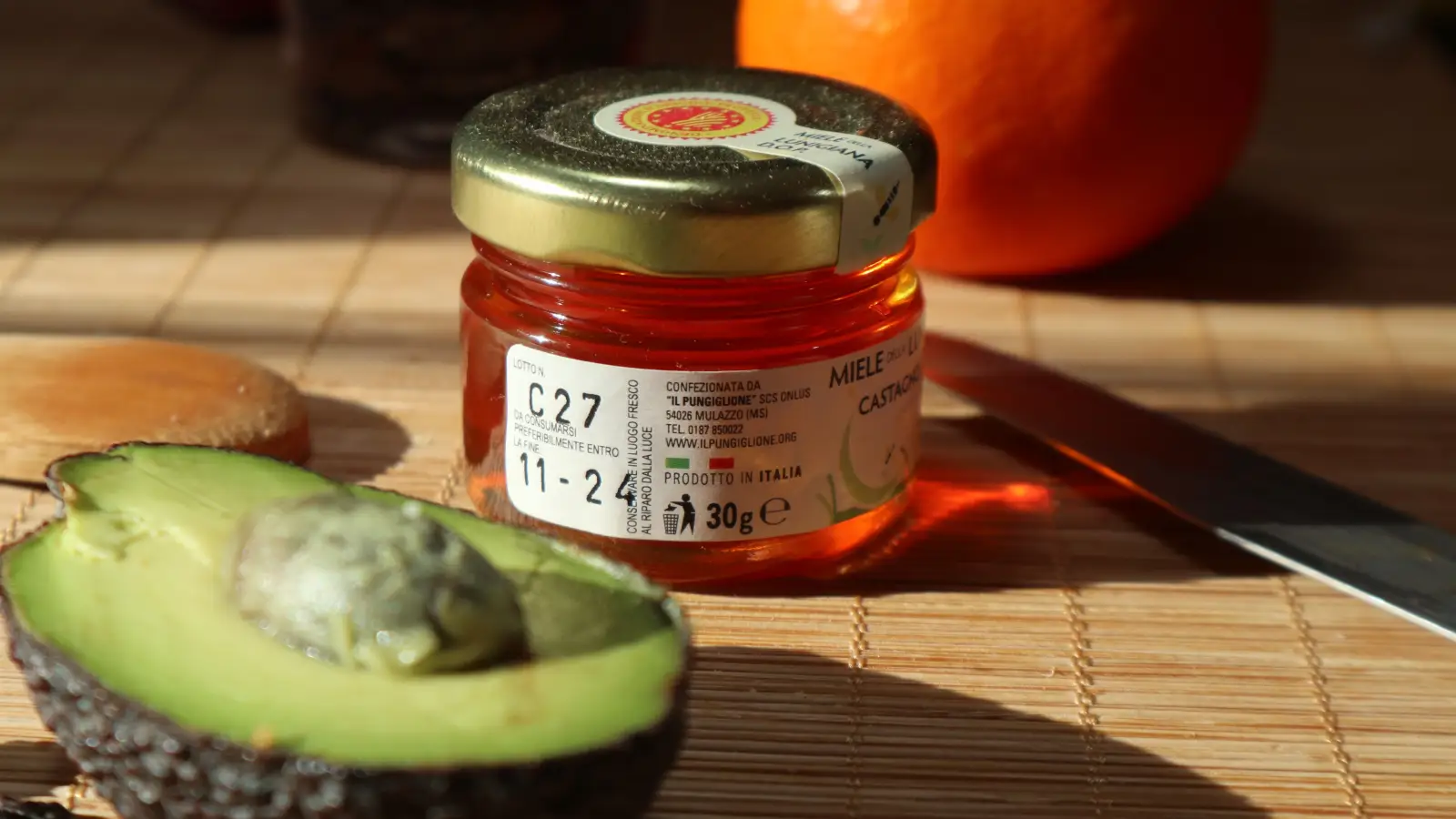
A quick glance at a honey jar’s label, where nearly every vitamin line reads zero or a dash, can convince someone that they’re buying pure sugar with no nutritional merit. That surface reading misses everything that isn’t mandated on the panel: the enzymes and polyphenols that nudge honey into the category of a functional food, not a vitamin supplement.
A Tablespoon of Orange Juice, for Contrast
Take the same volume — one tablespoon of orange juice — and the picture inverts. It delivers about 12 mg of vitamin C, roughly 20% of the daily value. That’s a genuine micronutrient contribution. But that spoonful contains no glucose oxidase, no pinocembrin, and none of the floral‑specific polyphenols that characterize honey. One spoonful earns its place through a vitamin; the other earns it through a completely different set of molecules.
The Misconception That Overlooks the Real Story
The most persistent error is evaluating honey solely by its vitamin panel and concluding it has nothing to offer. The person adding a spoonful to tea and scanning for vitamins is using the wrong benchmark. That spoonful isn’t a vitamin carrier — it’s a delivery mechanism for heat‑labile enzymes and plant‑derived antioxidants concentrated from nectar. Once the search for vitamins is put aside, honey’s actual chemical fingerprint — the one that matters — clicks into focus.
Frequently Asked Questions
Does honey contain any vitamin C?
Only trace amounts — roughly 0.1 mg per tablespoon. Dozens of tablespoons would be needed to approach a meaningful fraction of the daily requirement, so honey is an inconsequential source.
Which B vitamins are found in honey?
Honey holds small quantities of riboflavin, niacin, pantothenic acid, vitamin B6, and folate, but none in amounts that register nutritionally at ordinary serving sizes.
Is honey a good source of minerals?
No. Potassium, calcium, and magnesium appear in variable but consistently low levels; a single tablespoon contributes far less than 1% of the recommended daily intake for each.
What are the main health benefits of honey if it lacks vitamins?
The benefits derive from its non‑vitamin bioactives: enzymes that enable mild antimicrobial action, antioxidants that help counteract free‑radical damage, and phenolic acids associated with an anti‑inflammatory response. These effects are dose‑dependent and best understood as subtle, complementary factors, not therapeutic guarantees.
Does raw honey have more vitamins than processed honey?
Not in any meaningful way. Raw honey may preserve slightly higher enzyme activity, but its vitamin profile remains just as negligible. The primary casualty of heating is enzyme function, not vitamin loss.
The Simple Takeaway
When you stir that spoonful of honey into your tea, set aside the vitamin arithmetic. Recognize it instead as a food that adds enzymes, antioxidants, and a distinct floral signature — qualities no multivitamin can offer.