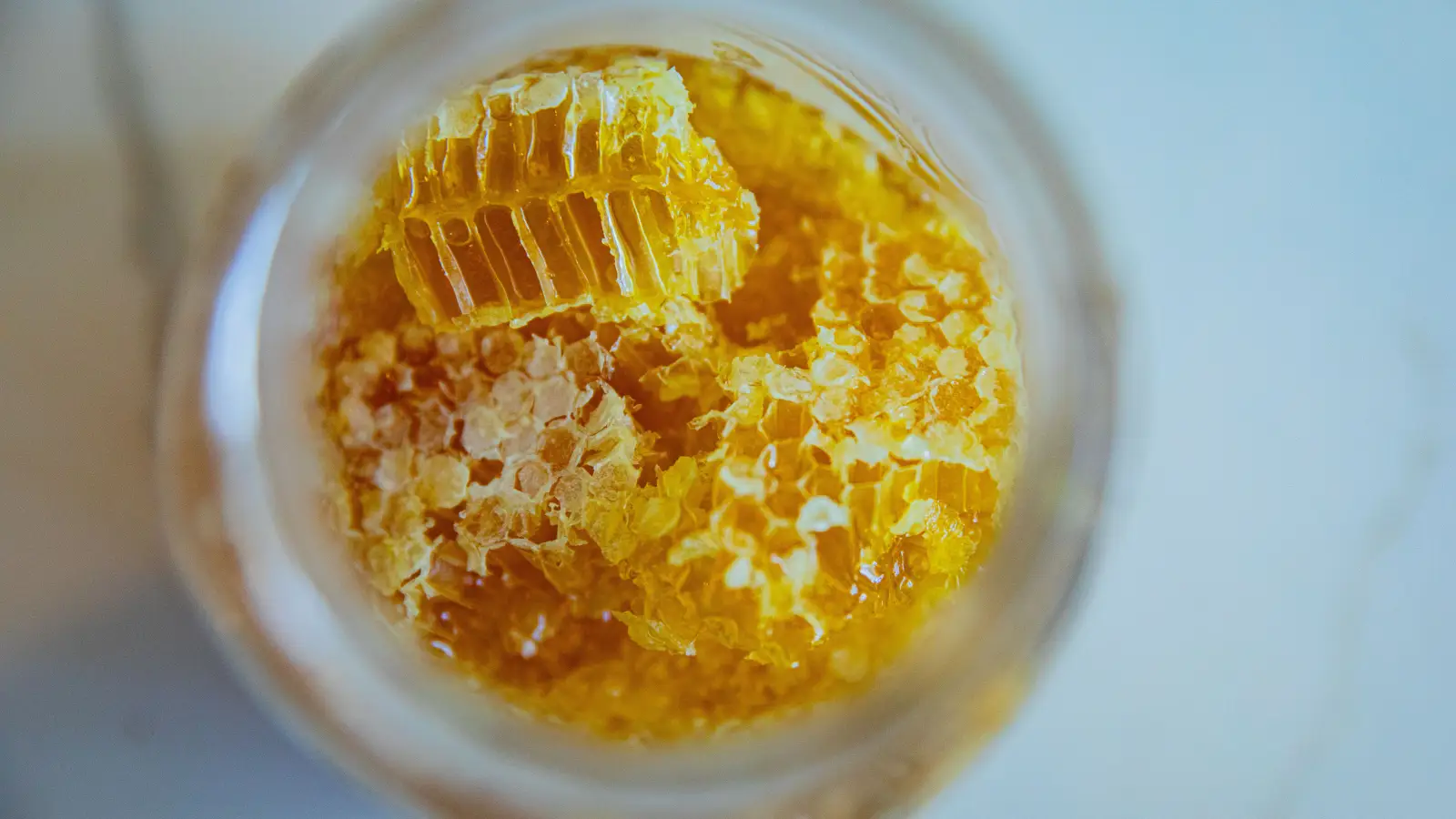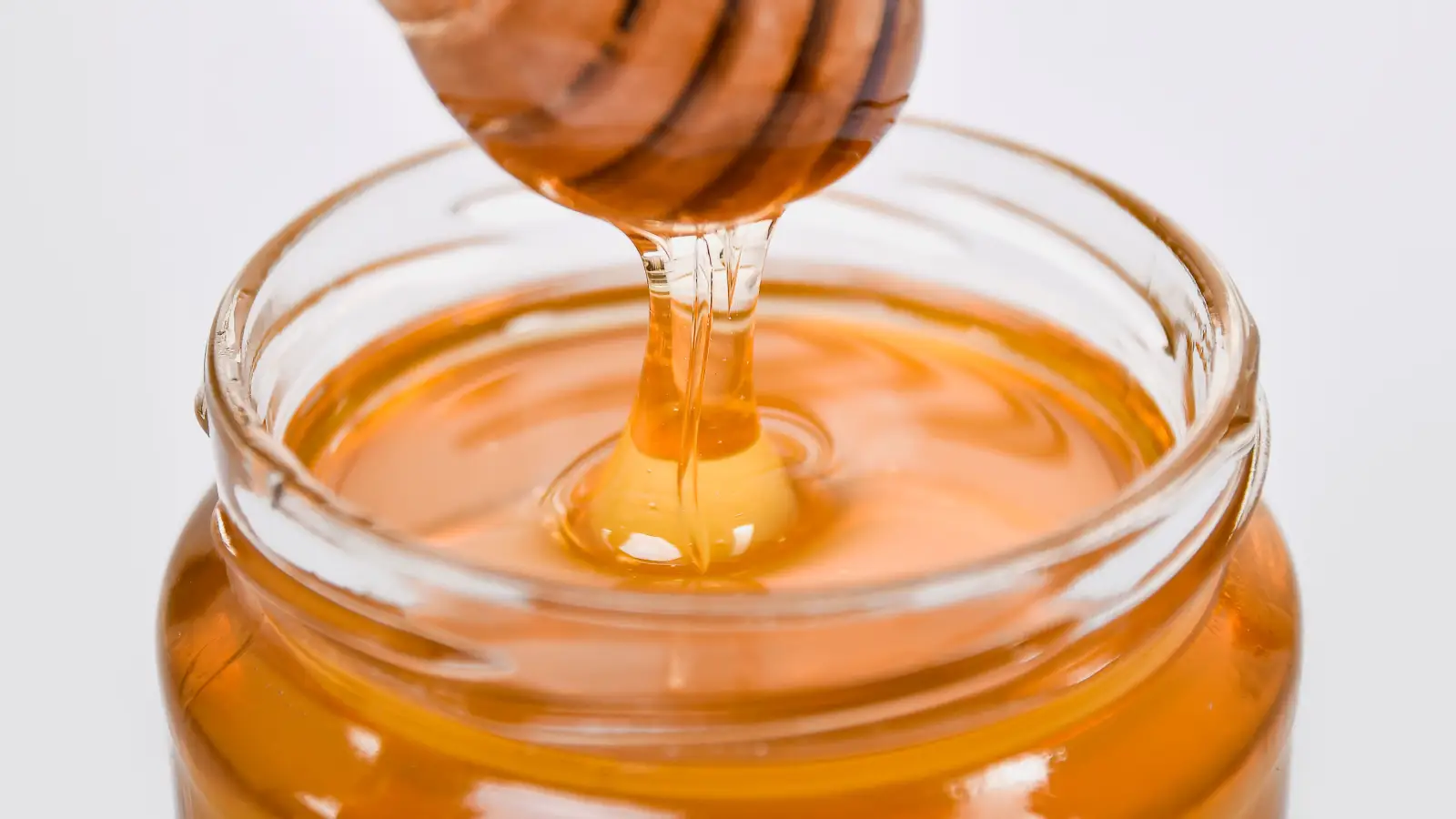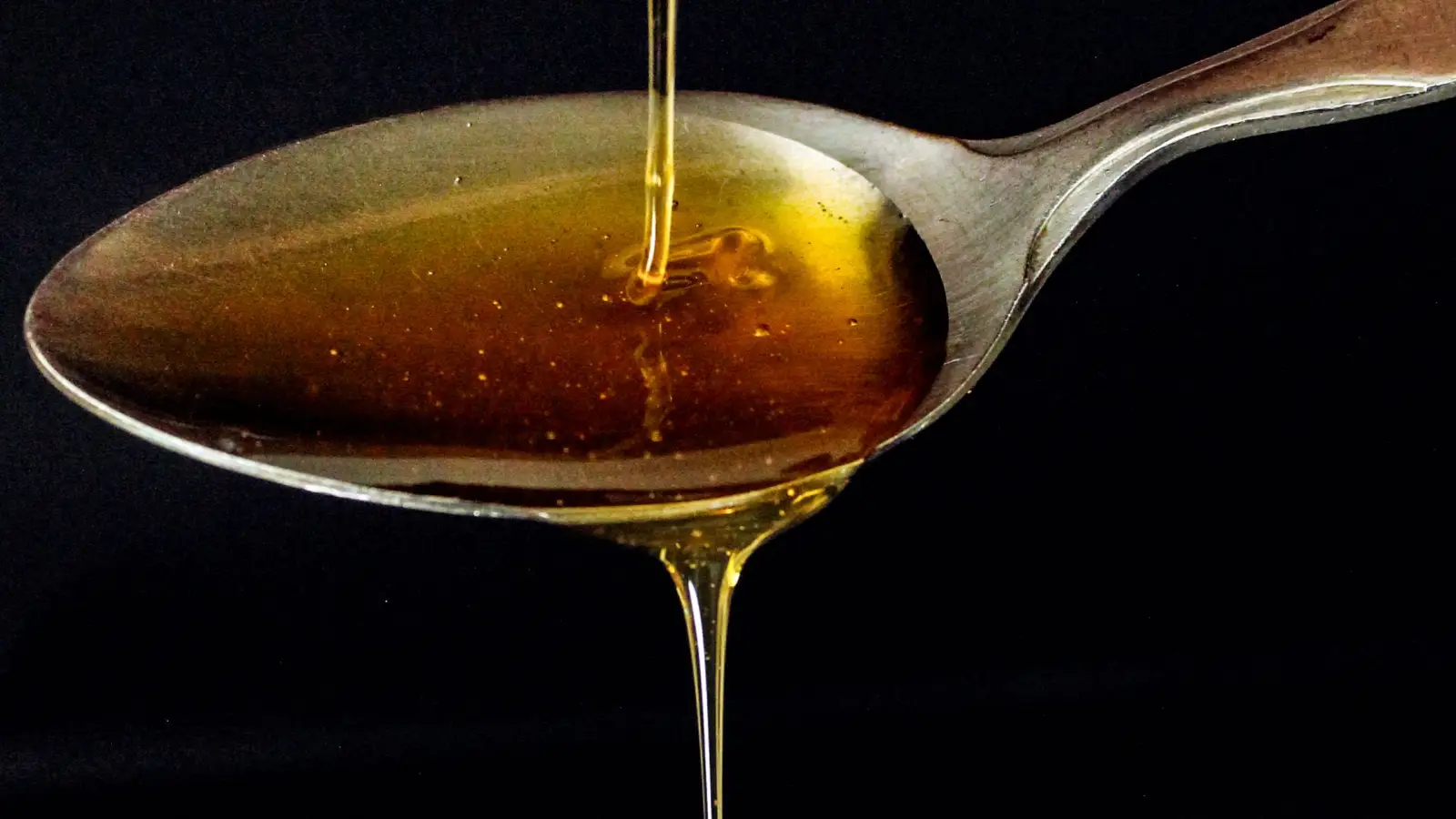
Three teaspoons of honey contain about 17 grams of sugar. That’s 68 calories. For a woman following the American Heart Association’s 6-teaspoon (25-gram) daily added-sugar cap, this uses up two-thirds of it. For a man, it’s just under half of the 9-teaspoon (36-gram) limit. This article translates those limits into real spoonfuls, shows the visual portions that trip people up, and weighs the calorie cost for anyone tracking weight.
The AHA Caps in Plain Honey Spoonfuls
The American Heart Association sets a clear line: women, no more than 25 grams of added sugar a day; men, 36 grams. A level teaspoon of honey averages 5.7 grams of sugar. Three teaspoons deliver 17 grams.
After that 3-teaspoon pour, a woman has about 8 grams of added sugar left for the day — maybe a single flavored yogurt or a small cookie. A man has around 19 grams remaining.
Your goal here is to stop treating honey as a free-floating ingredient and start slotting it into a fixed allowance. Measure one level teaspoon, put it on a scale, and lock in the number. You’re ready to move on when you can state — without hesitating — that 3 teaspoons of honey equal about 17 grams of sugar, and you know your personal AHA limit.
What a 3-Teaspoons-a-Day Habit Looks Like on the Plate
A teaspoon is small. Spread on toast, stirred into tea, or drizzled on oatmeal, it disappears. Three teaspoons spread across a day can vanish without you noticing.
Common pattern:
- Morning coffee or tea: 1 teaspoon honey.
- Midday yogurt bowl: 1 teaspoon.
- Evening warm lemon water: 1 teaspoon.
That’s the full 17 grams, and no dessert yet. If you’re glazing salmon or roasting vegetables with honey in the evening, you may have already blown past the limit in one meal.
Action: audit your own day. Identify every moment you’d use honey, and measure or estimate honestly. The sign you can move on: you know exactly how many spoonfuls you’d use in a realistic day and whether that keeps you under 3 teaspoons — no imagining a “light drizzle” that’s actually two teaspoons.
The Weight-Management Math: 68 Calories, Minimal Returns
Honey contains trace B vitamins, potassium, calcium, and antioxidants — mostly in darker varieties. But those nutrients ride in on sugar. One teaspoon gives you about 21 calories. Three teaspoons: 63 to 68 calories.
That same calorie spend buys you:
- One-third of a medium banana.
- Half a slice of whole-wheat bread.
- A heaping cup of raw spinach (zero sugar).
For weight management, the question is whether 68 calories of honey-sweetness displace something more filling. If you cut protein or fiber to make room for those spoonfuls, you’re trading satiety for a brief sweet taste.
You’re clear on this trade-off when you can cite the calorie cost of 3 teaspoons and name at least one food you’d swap out to keep your daily balance.
Keeping Honey Use Under Three Teaspoons, Consistently
Three habits keep you honest:
- Measure with a fixed spoon. A demitasse spoon or a ½-teaspoon measure prevents the over-pour a honey dipper invites.
- Always pair honey with protein, fat, or fiber. A teaspoon of honey in plain full-fat yogurt with nuts keeps you full longer than the same spoonful in hot water.
- Scan labels for sneaky honey. Ingredient lists where honey appears in the top three mean the product likely eats up a chunk of your daily limit before you even open your jar.
The sign you’re in control: you can read a package and quickly decide whether a honey-sweetened food still leaves room for your 3-teaspoon habit from the jar.
Readiness Recap: Self-Checks That Confirm You’ve Got This
- You can state your AHA sugar limit and how much of it 3 teaspoons of honey eat up.
- You can mentally see a level teaspoon and know it’s about 6 grams of sugar.
- You’ve mapped a day’s honey use and it stays within 3 teaspoons.
- You know the 68-calorie cost and which food you’d reduce to accommodate it.
- You have a reliable way to measure a true teaspoon and you use it every time.
Worries to Set Aside for Now
- Glycemic index differences. Honey and table sugar have minor differences in blood-sugar response, but when they’re eaten as part of a mixed meal, the total sugar grams matter far more. Prioritize the gram count first.
- Raw vs. regular honey. The sugar content is nearly identical. Raw honey may have slightly more antioxidants, but that edge only matters after you’ve mastered staying within your limit consistently.
- Fructose and liver concerns. Unless you have a diagnosed condition like non-alcoholic fatty liver disease or your total added sugar intake is high from multiple sources, the small amount in 3 teaspoons is not worth the mental energy.
Quick Answers to Common Questions
Is honey better for weight loss than white sugar?
No. Both provide about 4 calories per gram and count as added sugar. Honey’s trace nutrients don’t offset the calorie load.
Does exercising let me use more honey?
Technically, exercise increases your calorie budget. But for body composition, prioritize protein after a workout instead of adding sugar.
Does honey count as natural sugar, so I can ignore the AHA limit?
No. The AHA limit applies to all added sugars — honey, maple syrup, agave, and table sugar. Only the sugar inside whole fruit and vegetables is exempt.
Can honey work as a pre-workout energy source?
Yes. A teaspoon before a run gives quick carbohydrate energy. That’s a performance choice, not a daily sweetening ritual, and it fits more easily within an active person’s sugar allowance.
When 3 Teaspoons a Day Works Without Working Against You
Reaching a balanced place means you’ve budgeted 17 grams of sugar from honey, kept your total added sugar within the AHA limit, and haven’t sacrificed protein, fiber, or overall calorie goals to do it. The first action for anyone starting out: scoop a level teaspoon of honey, place it on a kitchen scale, and read the number. That single fact makes every other choice simpler.