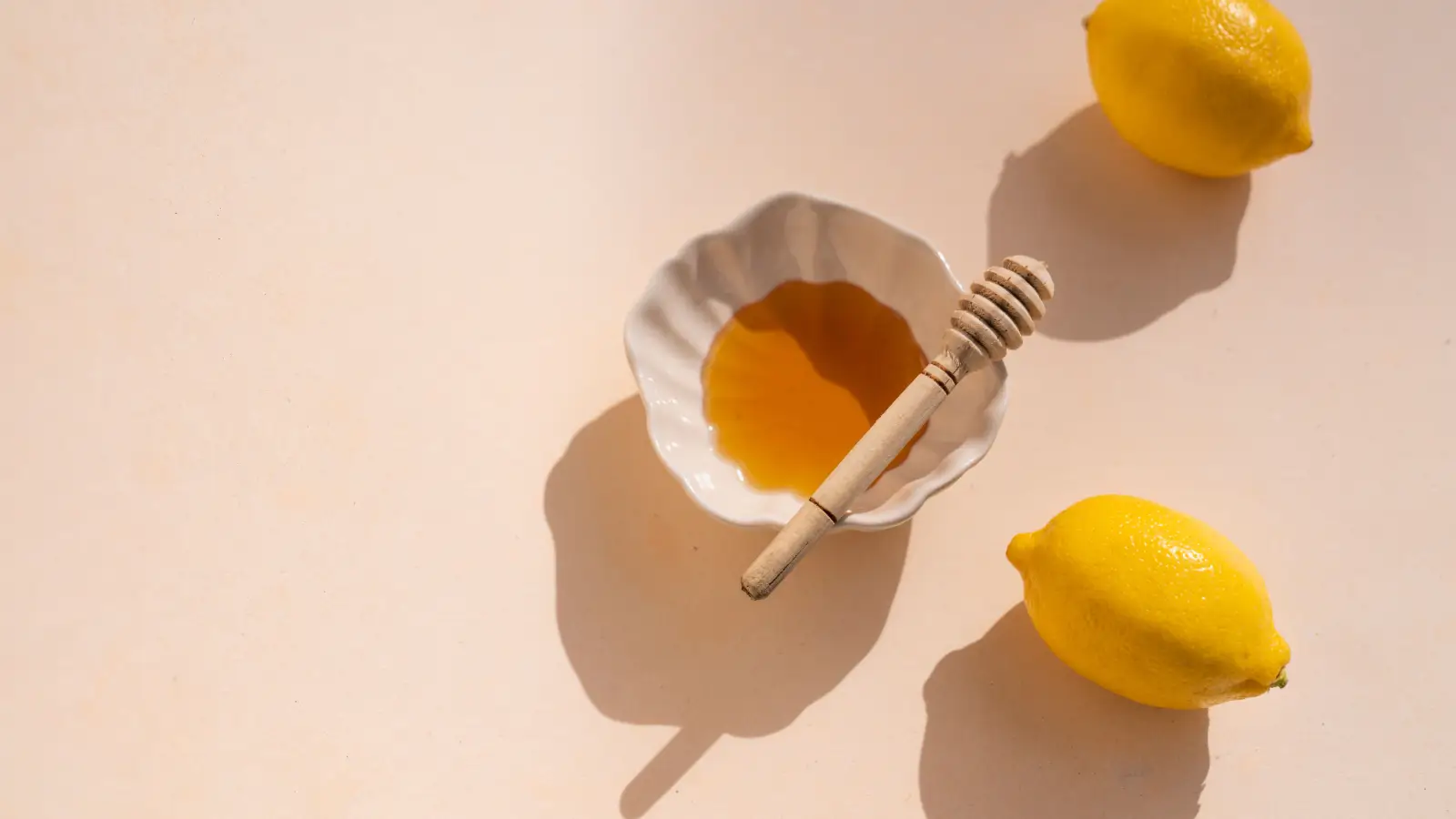
Manuka honey can feel like a gentle friend for skin that flares up at the slightest thing—but only if you approach each remedy with care. The five recipes below give you a face mask, a throat soother, a wound compress, a hair treatment, and a sleep tincture, each with exact amounts, a patch-test reminder, and storage notes so you can use them safely without guessing.
Quick Picks: Top Recommendations by Need
Best for Face — Manuka & Oat Calming Mask
Best for Throat — Honey Ginger Soother
Best for Scalp — Honey Coconut Scalp Treatment
Best for Bedtime — Lavender Honey Sleep Tincture
Topical Soothers for Sensitive Skin
These three recipes put manuka honey’s gentle properties to work on the outside. They’re for anyone whose skin reacts to fragrance, alcohol, or strong actives—and they’re built around the principle that you test first, treat second.
Manuka & Oat Calming Face Mask
A paste of manuka honey, finely ground colloidal oatmeal, and a drop of jojoba oil. The oatmeal dials down surface redness while the honey hydrates without sitting heavy on pores. Rinse after 10–15 minutes—leaving it on longer can turn sticky and invite irritation, not calm it. Use 1 tsp manuka honey (aim for UMF 10+ or MGO 250+), ½ tsp colloidal oatmeal, and 1–2 drops jojoba oil. Before any face application, patch-test on the inside of the arm. This recipe is not for anyone with a known bee-product allergy. Mix fresh each time; storing it won’t work here.
Manuka Honey Wound Compress
A thin layer of medical-grade manuka honey spread onto a clean non-stick pad and placed over a minor scrape or dry, chapped spot. It keeps the area moist, which the skin needs to mend itself quietly. This compress is only for superficial skin—never use it on deep wounds, puncture injuries, or anything that looks infected. Spread about ¼ tsp of honey on the pad. One caution worth keeping in mind: raw honey can theoretically carry Clostridium botulinum spores, so skip this compress entirely for infants or anyone with a weakened immune system. When you can, reach for a sterile single-use packet; if dipping from a jar, use a clean utensil and don’t put unused honey back.
Honey & Coconut Hair Scalp Treatment
A blend of manuka honey, melted coconut oil, and pure aloe vera gel massaged into the scalp. It softens flakes and soothes itchiness without the burn of chemical exfoliants. Coconut oil can feel heavy on fine hair, so start with half the amount and adjust. Combine 1 Tbsp manuka honey, 1 Tbsp melted coconut oil, and 1 tsp aloe vera gel. Patch-test behind the ear—coconut allergy is uncommon but possible. If you end up with a little extra, refrigerate in a sealed container for up to 2 days and re-mix before applying.
Internal Comforts for Throat and Sleep
When a scratchy throat or a restless night calls for something edible and gentle, these two warm remedies are made with sensitive systems in mind.
Honey Ginger Throat Soother
Warm water infused with fresh ginger, cooled until just warm, then stirred with manuka honey and a squeeze of lemon. The honey coats, the ginger offers a quiet warmth, and the lemon brightens without overwhelming. This is comfort, not a cure—persistent symptoms need a doctor. Be mindful of the temperature: add honey only when the water has cooled to roughly 104°F (40°C) so its beneficial compounds survive. Steep a 1-inch ginger slice in 1 cup hot water for 5 minutes, let it cool, then add 1–2 tsp manuka honey and 1 tsp fresh lemon juice. Never give any honey internally to children under 1 year. If diabetes is part of the picture, talk to a healthcare provider about sugar intake.
Lavender Honey Sleep Tincture
A simple steep of culinary lavender and manuka honey in warm milk—dairy or plant-based. It nudges relaxation without knocking you out. Keep the lavender modest; too much can unsettle the stomach. Use ¼ tsp dried culinary lavender, steeped in 1 cup warm milk for 5 minutes, strain, then stir in 1–2 tsp manuka honey. This one is not for use during pregnancy or if you’re on sedative medications. Make it fresh each evening.
Comparison at a Glance
| Remedy | Group | Key Ingredients | Prep Time | Storage |
|---|---|---|---|---|
| Face Mask | Topical | Manuka honey, colloidal oatmeal, jojoba oil | 2 min | Use fresh |
| Wound Compress | Topical | Medical-grade manuka honey | 1 min | Use fresh or sterile single-use |
| Hair Scalp Treatment | Topical | Manuka honey, coconut oil, aloe vera gel | 3 min | Refrigerate up to 2 days |
| Throat Soother | Internal | Manuka honey, ginger, lemon | 5 min steeping | Use fresh |
| Sleep Tincture | Internal | Manuka honey, lavender, milk | 5 min steeping | Use fresh |
Choosing Within a Group
Within the topical group, reach for the face mask when redness is spread across cheeks and forehead, the compress when a small dry patch or scrape needs a protective layer, and the hair treatment when flaking and itchiness sit at the scalp. For the internal group, the ginger soother makes sense during a cold, while the lavender tincture is your quiet companion in the evening.
Frequently Asked Questions
What UMF or MGO rating is best for sensitive skin?
UMF 5+ (MGO 83+) can handle gentle applications, but UMF 10+ (MGO 250+) brings a broader set of beneficial compounds without being harsh. For very reactive skin, start low and see how it feels.
Can I leave a manuka honey face mask on overnight?
No—the stickiness can trap dirt, weaken the skin barrier, and raise the chance of irritation or breakouts. Ten to fifteen minutes is enough.
Is manuka honey safe for babies or toddlers?
On intact skin, topical use is generally fine, but avoid broken areas. Internally, all honey is off-limits for infants under 12 months because of botulism risk.
How should I store mixed remedies?
Fresh is best. If you must keep a leftover, refrigerate it in an airtight container for no more than 48 hours and re-mix before use, since ingredients can separate.
Start With the Face Mask
If you’re new to manuka honey and your skin is easily unsettled, begin with the Manuka & Oat Calming Face Mask. It’s three ingredients, takes two minutes to mix, and the patch-test step is built in—so you can learn how your skin responds before moving on to anything else.