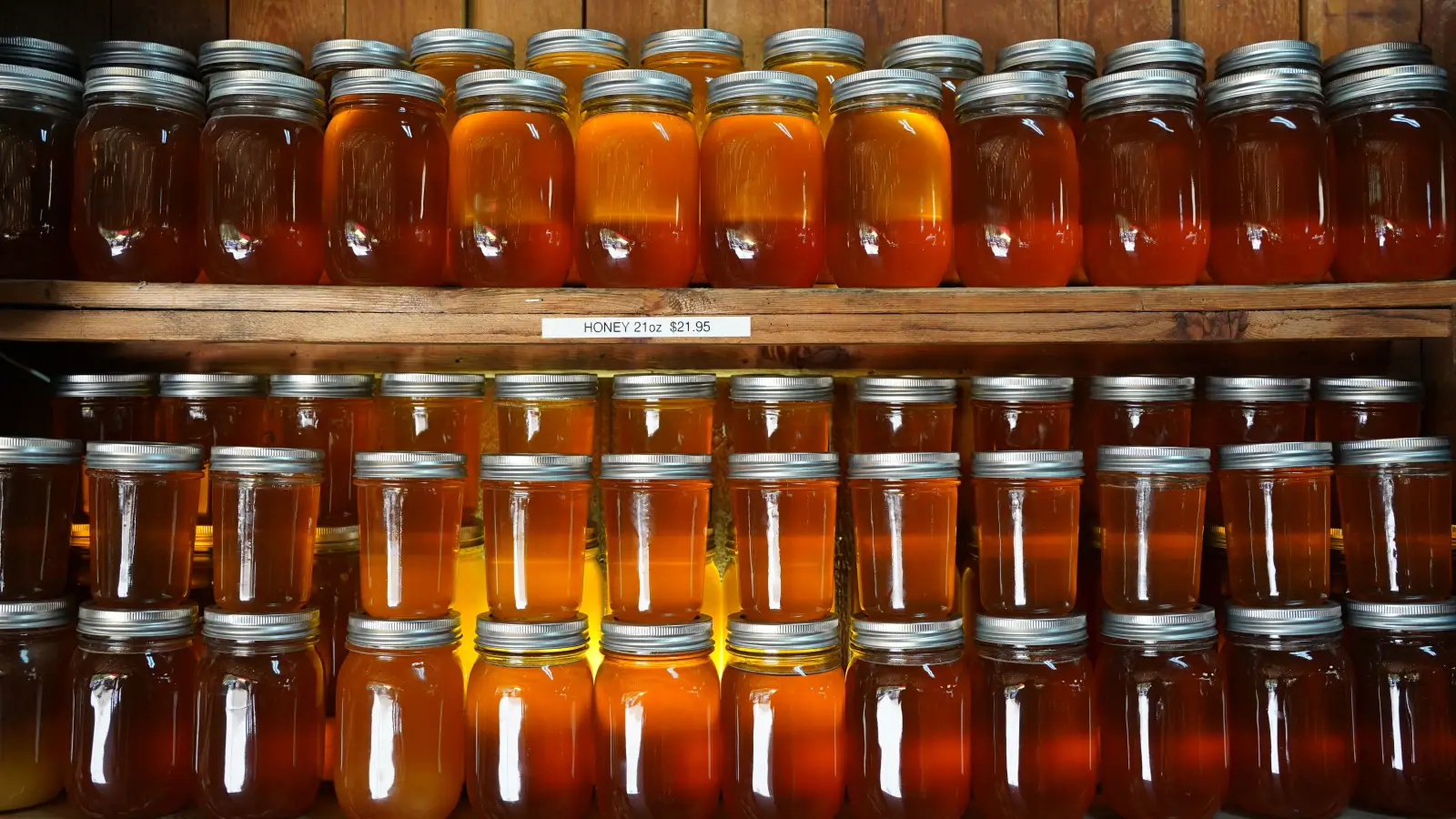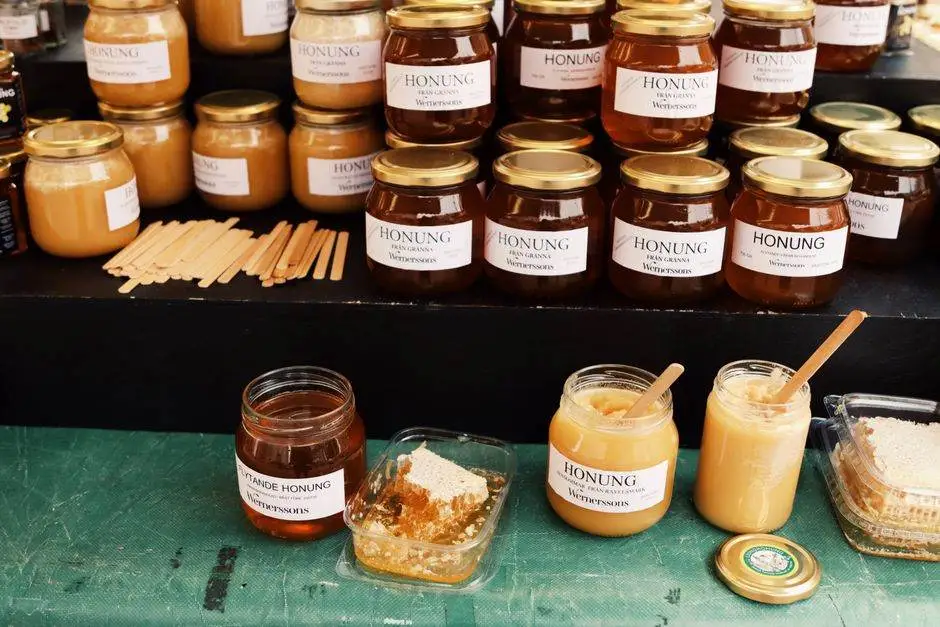
The USDA’s seven honey color designations—Water White, Extra White, White, Extra Light Amber, Light Amber, Amber, and Dark Amber—correspond to bands of nectar sources. Color indicates what flowers the bees visited; it does not measure purity or sweetness. Because the Pfund scale is based on light absorption, the hue gives a quick, rough guess of the floral origin.
A lighter honey typically comes from blossoms like clover or alfalfa and tastes mild. When the color shifts to Amber or Dark Amber, the source plants—buckwheat, avocado—produce stronger, often molasses-like flavors. This ranking orders the designations by how accurately the color alone can narrow down the floral source and predict flavor.
The Yardstick: What Makes a Color a Reliable Flavor Clue
Three criteria form the ranking:
- Source Predictability — Whether the color points to a single plant or a tight group.
- Flavor Consistency — Whether honeys within that grade tend to taste similar enough to set a reliable expectation.
- Label Trustworthiness — How often producers actually pair that color grade with a named varietal (e.g., “orange blossom” is almost always Light Amber or lighter).
A designation scoring well on all three provides a useful signal. A low score means the color tells you little.
1. Dark Amber
Dark Amber is the deepest designation. It almost always originates from nectar with strong pigments; in the U.S., buckwheat is the main example. Avocado, some thyme, and chestnut can also fall here.
Why it earned #1: The possible sources are few and distinctive. A Dark Amber grade reliably predicts buckwheat or a similar robust honey. The flavor is consistent—molasses, malt, or light licorice—across different beekeepers.
What it does better than #2 (Amber): The Amber band includes a wider array of floral sources with varied taste; Dark Amber’s tighter source list gives a sharper forecast.
What keeps it from ranking higher: It sits at the top. Its strong taste limits versatility in delicate recipes, but that does not affect its ranking, which is based on its value as a varietal clue.
2. Amber
Amber honey is a shade lighter than Dark Amber. Common sources include black locust (which can also be lighter), leatherwood, bayberry, some eucalyptus, and certain heathers.
Why it earned #2: The Amber grade filters out the very mild blossoms, narrowing the pool. Flavor usually has moderate assertiveness—malty, herbal, or slightly astringent—though specifics depend on the plant.
What it does better than #3 (Light Amber): Light Amber covers a broad set of popular varietals that overlap in color; Amber eliminates many generic light honeys and points to more characterful sources.
What keeps it from ranking higher: Two Amber honeys from different nectar origins can diverge in taste, so the color signal is less crisp than Dark Amber’s.
3. Light Amber
Light Amber is the home of many known single‑floral honeys: orange blossom, tupelo, sourwood, and some clover crops that picked up extra color.
Why it earned #3: The band has moderate predictability—orange blossom, tupelo, and sourwood are strongly associated with this shade. The flavor notes (citrus, fruity, buttery) are recognizable.
What it does better than #4 (Extra Light Amber): Extra Light Amber’s possible sources are longer and less distinct; moving to Light Amber raises the probability of getting a named varietal.
What keeps it from ranking higher: The borderline between Light Amber and neighboring grades can be fuzzy. Two Light Amber jars can differ considerably—one tasting of citrus, another of generic wildflower—reducing reliability.
4. Extra Light Amber
Extra Light Amber marks the transition to mild everyday honeys. Clover, alfalfa, fireweed, and some citrus‑blend honeys routinely land here.
Why it earned #4: It separates nearly water‑clear honeys from those with a subtle golden cast. Predictability, however, drops because many common forage plants produce nectar in this range.
What it does better than #5 (White): The White grade is even lighter, often carrying only the faintest floral character. Extra Light Amber still offers slightly more flavor variety, such as fireweed’s faint berry note.
What keeps it from ranking higher: At this point, the color predicts little. Clover, alfalfa, and a general wildflower mix can all appear Extra Light Amber. A buyer cannot confidently identify the source by shade alone.
5. White
White honey sits near the colorless end. Clover and sweet clover are the primary sources; alfalfa and sage can also produce white honey.
Why it earned #5: It ranks above Extra White and Water White because it retains a faint body that sometimes signals a clover‑dominant origin, which some consumers associate with the standard “honey” taste.
What it does better than #6 (Extra White): White honey tends to have a slightly more noticeable taste than Extra White, which can approach neutral sweetness.
What keeps it from ranking higher: The difference among the lightest grades is so subtle that White offers almost no varietal-specific information. Two white honeys from different areas may taste identical.
6. Extra White
Extra White honey is almost water clear. Very light fireweed and clover crops can reach this grade, as can some acacia (though acacia is more common in Europe).
Why it earned #6: It edges out Water White because an experienced taster might still pick up a faint floral clue—such as a whisper from fireweed—but for most buyers, it reveals little.
What it does better than #7 (Water White): Water White is the most neutral; Extra White may carry a trace of scent that hints at the origin.
What keeps it from ranking higher: The color is virtually useless as a varietal predictor. Many light‑colored honeys share this appearance.
7. Water White
Water White is the lightest USDA grade. Alfalfa, pure‑strain fireweed, and very light clover harvests produce this near‑transparent honey.
Why it earned #7: The color tells you almost nothing about the specific flower. Source predictability is negligible because any pale honey fits here.
What it does better than the item below: There is no lower rank.
What keeps it from ranking higher: A Water White label gives no varietal guidance. It could taste nearly identical to a White or Extra White jar.
Where the Color Clue Starts to Blur
The sharpest drop in usefulness occurs after Light Amber (#3). Extra Light Amber and the three white‑family designations (#4–#7) overlap so much that color alone cannot distinguish clover from alfalfa from fireweed. These light grades are helpful only for estimating mildness, not for identifying the flower. If the label says Extra Light Amber, expect a gentle honey, but read the fine print if the varietal name matters.
Matching the Shade to Your Use
- When you want the strongest varietal identity: Pick Dark Amber (#1). A buckwheat honey will announce itself immediately.
- When you need a daily honey that blends into tea or toast: Light Amber (#3) orange blossom or tupelo provides flavor without dominating.
- When the honey will be used in baking or cooking where subtlety is important: White (#5) or Extra White (#6) are least likely to alter the recipe’s planned flavor.
- When you want a single‑floral honey that tells a clear story without costing too much: Light Amber (#3) offers recognizable varietals like orange blossom that are widely available.
Quick Questions About Honey Color
Does darker honey mean it’s higher quality?
No. Color indicates floral source and, in some cases, processing, but it is not a quality measure. A Water White alfalfa honey can be handled just as carefully as a Dark Amber buckwheat honey. Quality comes from extraction and storage practices, not hue.
Can the same type of honey vary in color?
Yes. Weather, soil conditions, and the specific mix of forage available in a season can shift the color of a single‑floral honey by a grade or two. Orange blossom honey, for instance, may test as Light Amber one harvest and Extra Light Amber the next. The USDA color grade is a measurement of that year’s light transmission on the Pfund scale, not a fixed property of the plant.
Is raw honey always darker?
Not always. Raw honey can appear darker because suspended pollen, wax, or air bubbles scatter light. However, its true color grade is determined after filtering to remove suspended solids. A raw sample might look Amber to the eye but measure as Light Amber on the Pfund scale once clarified.
A Final Word on the Shade Spectrum
Dark Amber (#1) remains the best color clue for a specific floral source—buckwheat in most cases. The one situation where you should move away from it is when the honey needs to recede into the background of a dish; there, a Light Amber (#3) like orange blossom gives a named variety without overpowering the food.