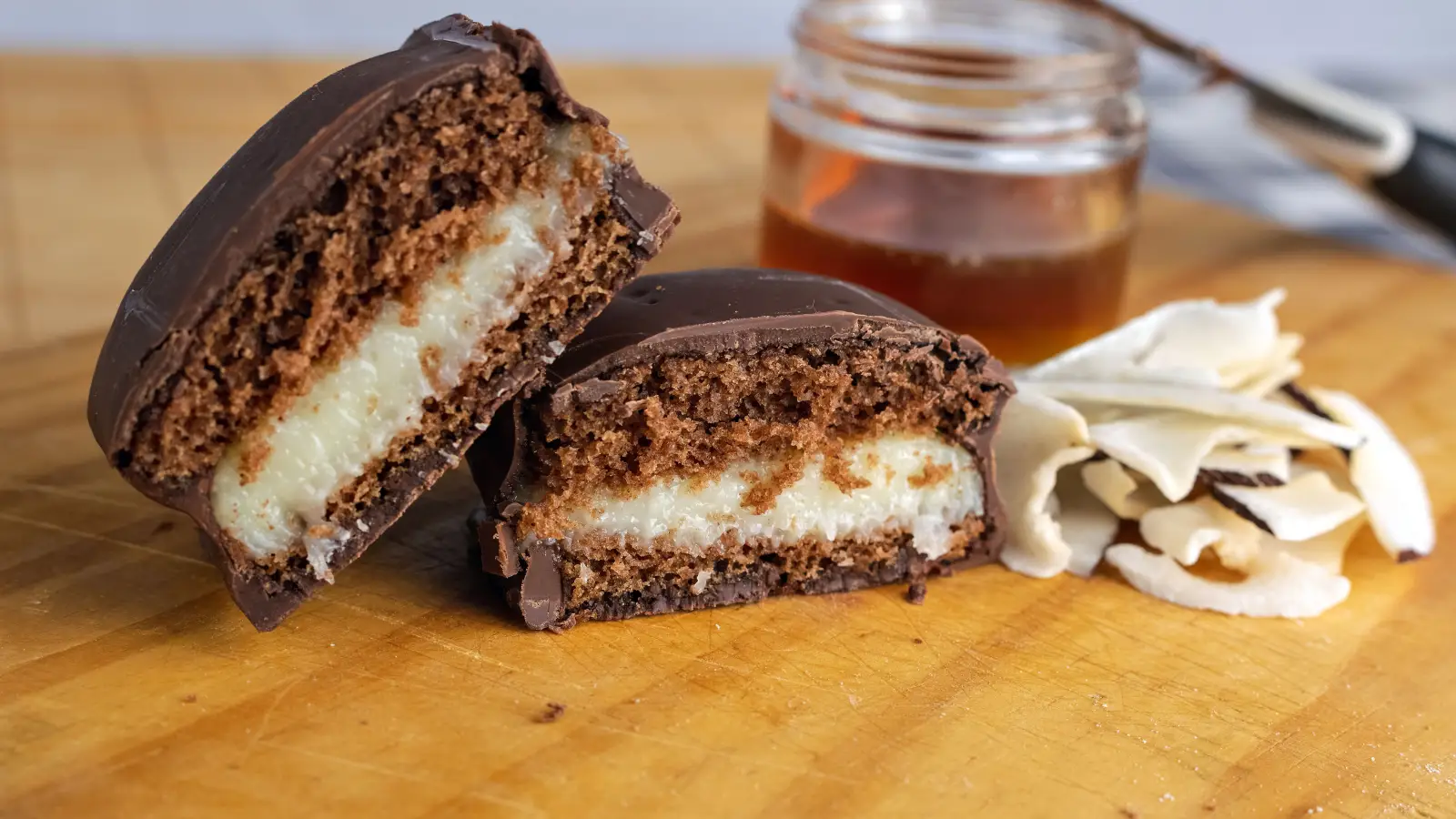
The honey you stir into chocolate cake isn’t just sweetener—it arrives with its own quiet story, from the clover fields’ clean simplicity to the deep, almost brooding molasses of a buckwheat harvest. This guide matches specific honey varietals to chocolate cakes not by sugar levels, but by the honey’s aroma profile and intensity, so you know which voice will sing beside the cocoa before you even crack an egg.
How Chocolate Cake and Honey Find Their Language: The Three Forces
A pairing that feels right rests on three moving parts. The first is the chocolate cake’s own personality—how dark the cocoa sings, how much butter softens the edges, and any extra whispers of vanilla, espresso, or spice that already live in the batter. The second force is honey’s intensity; from pale and barely-there to dark and commanding, it decides how much space the honey takes up in the finished slice. The third is the aromatic fingerprint inside the jar—the florals, the fruitiness, the earthy or spicy hum—that either intertwines with the chocolate or jars against it.
Stage 1: Listen to Your Chocolate Cake’s Flavor Fingerprint
Before you pick a honey, describe what the cake would taste like if you baked it plain. A tender, milk-chocolate sponge with a high butter ratio wants a honey that adds a delicate thread of character, never a shout. A dense, bittersweet cake laced with espresso or dried chile can welcome a bold, earthy partner. The task is to name the cake’s voice along two lines: weight (light-bodied crumb to rich, almost fudgy heft) and flavor notes (fruity, smoky, nutty, warm-spiced). Done right, this step hands you a clear mission for the honey—to add contrast, deepen something already there, or simply round out the sweetness without distraction.
Stage 2: Place the Honey on the Intensity Scale
Honey varietals fall into three natural intensity bands, not by color alone but by how far their aroma travels in a mouthful of cake.
Light intensity honeys, like clover or alfalfa, carry a faint, green-floral breath. They belong in soft cakes—a buttermilk chocolate loaf, a mild milk-chocolate layer—where you want honey’s tenderness but not its taste stealing the scene.
Medium intensity honeys, such as orange blossom or fireweed, arrive with a clear floral-citrus or fruity tone that stays contained. They suit cakes with a solid cocoa presence that aren’t yet dark and brooding; the honey adds a lift of orange zest or berry that brightens without covering the chocolate.
Dark intensity honeys—buckwheat, chestnut, manuka—speak in molasses, malt, and sometimes a leathery, almost savory depth. These are the jars for cakes that could swallow a lighter honey whole: extra-dark chocolate, a beer-infused batter, a flourless torte with its own fierce character.
Choosing the band isn’t about how much you love a spoonful of orange blossom. It’s about the space the cake offers. A honey in the wrong band either fades into nothing or turns every bite into a clash that neither the chocolate nor the honey can win.
Stage 3: Weave the Aroma Notes into the Cake
Here the real pairing matrix unfolds. After placing a honey’s intensity, you look at the specific notes it brings and decide how they will meet the cake.
- Clover honey has a clean, barely-there floral greenness. Use it in a classic devil’s food cake to let vanilla and cocoa hold the center, the honey adding nothing but a round, quiet sweetness.
- Orange blossom honey carries a vivid orange-flower perfume with a citrus-zest edge. It lifts a chocolate-almond cake beautifully: the orange brightens the nuttiness, and the chocolate remains the anchor.
- Buckwheat honey is earthy and malty, with a dark-rye warmth. Pair it with a chocolate cake that already has prune purée or stout—the fermented, malted notes braid together into a crumb that tastes deep and ancient.
- Avocado honey, dark and buttery-caramel, brings a heavy richness that complements a ganache-coated chocolate cake without introducing fruitiness.
- Lavender honey, medium-intensity and unmistakably floral, is a careful choice; with a chocolate-and-white-chocolate marble cake, a touch can be glorious, but too much turns the whole cake soapy and strange.
- Tupelo honey, light with a soft green-apple whisper, works in a sour-cream chocolate cake where the tartness and gentle fruitiness lift each other in a quiet, surprising way.
When the aroma notes align, each bite feels intentional—the honey not just an ingredient for sweetness but a flavor layer that makes the whole thing breathe.
A Real Walkthrough: Pairing Honey for an Espresso-Dark Chocolate Cake
Imagine a baker facing a dense, dark chocolate loaf with a shot of espresso and a hint of cinnamon. The cake’s fingerprint: heavy crumb, bitter cocoa and roasted coffee, a thread of warming spice. It needs—almost demands—a dark-intensity honey.
Stage 1 is already spoken. Stage 2 places the cake squarely in the dark band, narrowing the choice to buckwheat, chestnut, or a bold eucalyptus honey. Stage 3 steps into the aroma details: the espresso-cinnamon heart calls for a honey with malty, earthy notes that can stand beside roasted bitterness without fighting. Buckwheat honey, with its molasses depth and a faint barnyard hum, mirrors the coffee’s edge while the cinnamon ties them together. Chestnut honey, though dark, leans woody and tannic, which could sharpen against the coffee rather than soften it. Eucalyptus risks a cool, medicinal note that feels out of place.
The baker chooses buckwheat, using it to replace half the sugar. The baked loaf arrives: dark chocolate first, then a swell of malt and coffee, then a lasting warmth that feels far more complex than the short list of ingredients would suggest. That’s the gift of choosing honey by its voice, not just its sweetness.
Where Bakers Stumble on the Pairing Ladder
Reaching for Honey Without Knowing Its Intensity Band
Grabbing the nearest jar labeled “local wildflower” without any thought to its varietal is the quickest route to a cake that doesn’t sing. A mild, light wildflower honey that tasted gentle on a spoon will disappear inside a rich chocolate sponge, leaving behind only extra moisture and a faint blankness. The cost is real: you’ve changed the crumb structure by adding liquid but gained no flavor in return.
Equating Darker Honey with Sweeter, Not Aromatic
Many bakers assume a dark honey must be sweeter, so they shy away from it in cake, worried it will turn cloying. In truth, a dark buckwheat honey often tastes less sweet per tablespoon than a pale clover honey because its heavy malt and earthy compounds crowd out the simple sugar perception. Pairing by aroma instead of sweetness reveals that buckwheat’s maltiness can make a chocolate cake taste richer without making your teeth ache—but only when the cake’s own volume can hold that depth.
Forgetting That the Oven Changes Honey’s Aroma
Volatile aromatic molecules are fragile. A lavender or orange blossom honey that blooms intensely at room temperature may leave only a ghost of its perfume after 45 minutes of heat. To keep the pairing honest, use a more robust specimen of the varietal, or save a bit of the honey to brush onto the baked layers as a soaking syrup, where it won’t face the full assault of the oven.
Where the Ladder Leads: Starting Your Next Cake
The pairing ladder moves from listening to the cake’s character, through placing honey’s intensity, to threading in the specific aromatic notes. Begin today by tasting your chosen honey alongside a broken shard of the chocolate you’ll bake with—that one small bite reveals more than any chart. Then bake a single test cupcake with that honey so the oven can tell you what remains. The pairing that stays with you is the one that makes you close your eyes on the first bite.