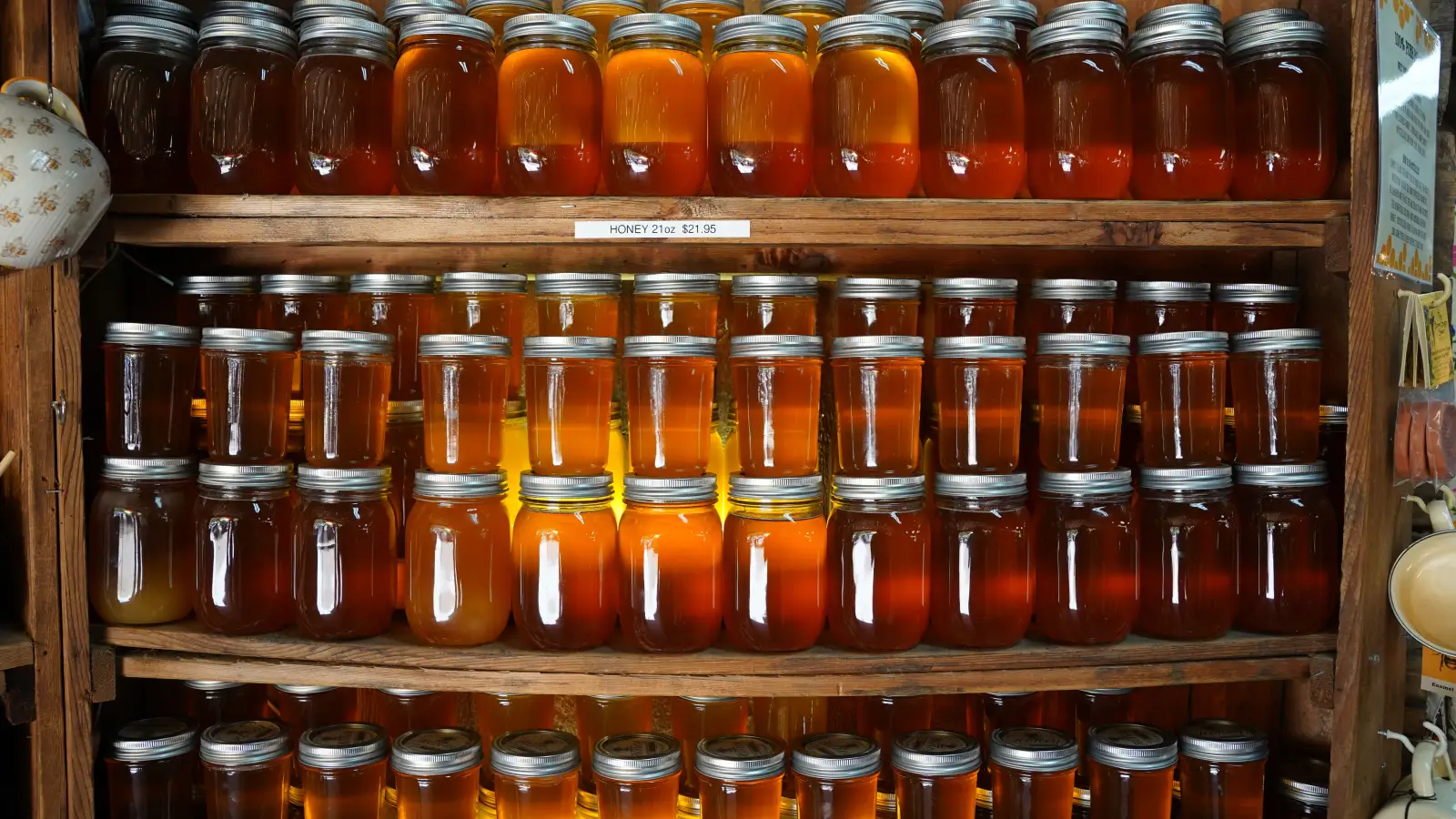
A single spoonful of honey seems harmless—maybe even beneficial given its natural reputation. But for an infant under 12 months, that golden sweetness can hide a danger you can’t see, smell, or taste. Honey can carry dormant Clostridium botulinum spores, the starting point of a potent neurotoxin that causes botulism. Because a baby’s gut isn’t yet equipped to stop those spores from waking up and releasing poison, even a tiny trace can trigger progressive muscle weakness and breathing trouble. That’s why avoiding all honey until the first birthday is such an essential safety rule.
When a Sweet Spoonful Turns Dangerous
In many families, dipping a pacifier in honey or letting a baby taste a bit on a spoon feels like a comforting gesture—something done with the purest intentions. Honey’s long history as a soothing food can make the danger hard to grasp. Yet botulism spores give no clues; they don’t alter flavor, color, or texture. The only way to stay safe is to deeply understand the biology at work. When you know the precise pathway from spore to paralysis, you can gently but firmly protect your baby, even when others don’t see the risk.
The Biological Steps From Spore to Paralysis
How Botulism Spores End Up in Honey
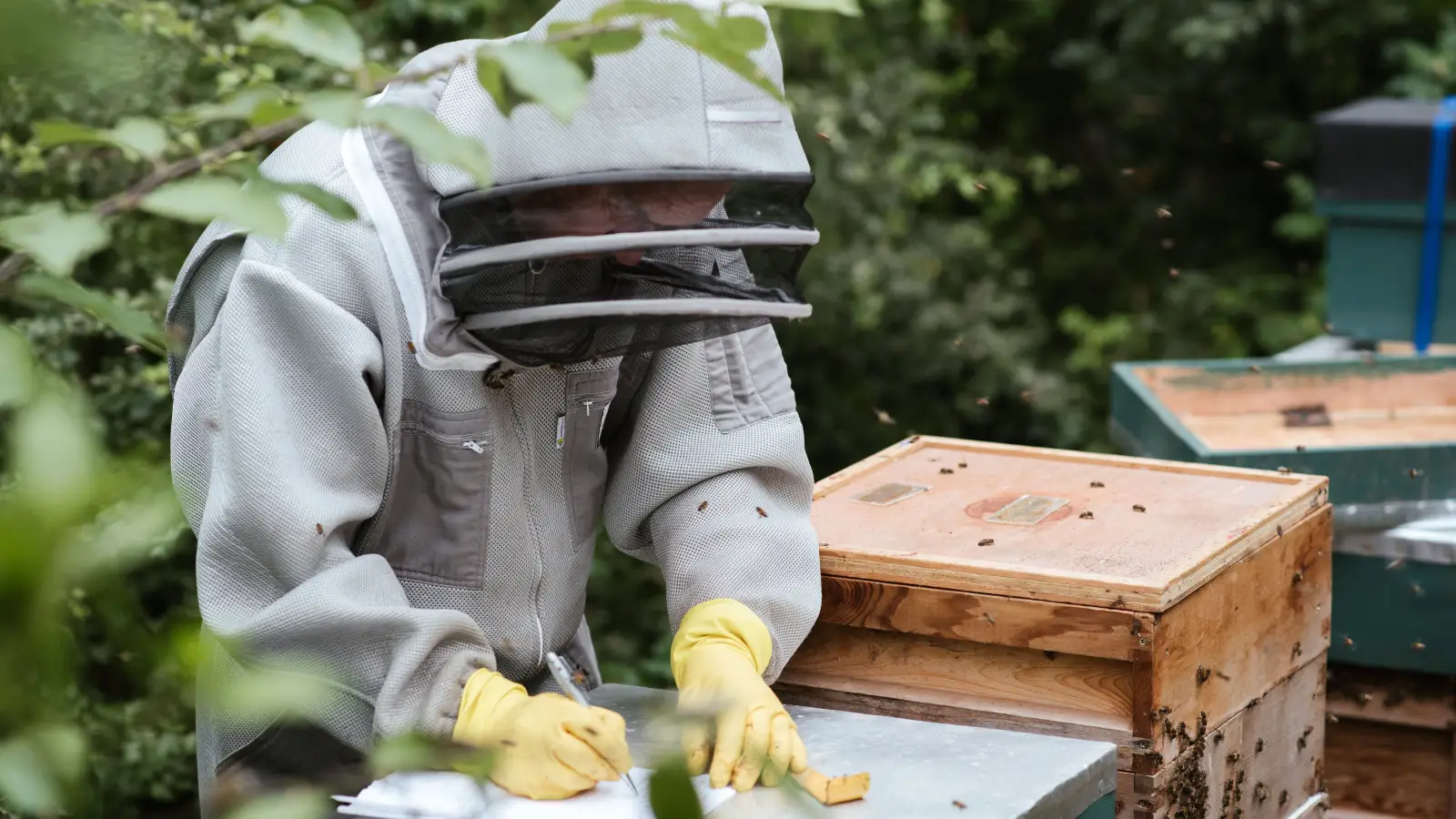
Clostridium botulinum is a bacterium that lives quietly in soil and dust all over the world. It forms tough, heat-resistant spores that can survive for years. Bees foraging for nectar and water brush against these microscopic particles and bring them back to the hive. There, the spores blend into the honey as it’s made and extracted. Because of honey’s high sugar content and low moisture, the spores just sit there, dormant—they don’t multiply or cause spoilage. Experienced beekeepers know that no matter how clean the apiary, spores are part of nature and can end up in even the purest honey. That’s why the warning applies to every jar, regardless of origin or processing.
Why a Baby’s Gut Welcomes the Spores
An adult’s stomach produces strong acid that kills most spores on contact, and a well-established gut microbiome keeps any stragglers in check. An infant’s digestive system simply isn’t there yet. Stomach acid is weaker, the gut empties more slowly, and the community of beneficial bacteria is still assembling. This creates a window where spores can pass through the stomach unharmed and arrive in the large intestine, where they germinate and start making toxin. Around 12 months of age, digestion and microbial defenses mature enough that spore germination is no longer a threat. Until then, the baby’s body invites the exact process we need to stop.
How the Toxin Attacks the Nervous System
After germination, the active bacteria release botulinum toxin. The toxin seeps into the bloodstream and travels to the junctions where nerves meet muscles—the neuromuscular junctions. There, it blocks the release of acetylcholine, the chemical that tells muscles to contract. Without that signal, muscles become weak and floppy. The first sign is often constipation because gut muscles stop moving normally. Then a weak cry, poor feeding, droopy eyelids, and overall limpness appear. If the muscles that control breathing are affected, it becomes a life-threatening emergency. Yet there is hope: when caught early, botulism antitoxin can neutralize toxin still circulating, and with weeks or months of supportive hospital care, babies can make a full recovery as new nerve endings grow.
Misconceptions That Put Babies at Risk
All Honey Must Be Avoided, Not Just Raw
It’s easy to think that raw honey is the problem while pasteurized honey is safe—after all, pasteurization kills many germs. But the heat used for honey (typically 145°F to 170°F) is far too low to destroy botulism spores; they require sustained temperatures over 250°F under pressure, conditions that would ruin honey’s quality. Filtering removes pollen and wax but not microscopic spores. So whether the honey is raw, pasteurized, creamed, organic, or from a local farmers’ market, the risk is exactly the same.
Baked Foods With Honey Aren’t a Safe Loophole
A warm muffin or a teething biscuit made with honey might feel like a gentle treat for a baby moving to solids. Unfortunately, home ovens rarely heat every spot inside baked goods high enough or long enough to reliably kill spores. The thick, sugary matrix of honey can protect them. Even commercial bakery products aren’t processed under pressure, so they offer no guarantee. The only safe path is to keep honey—any honey—out of your baby’s food until age one, including in baked items, cereals, sauces, and sweetened teas.
Honey Is the Most Clear-Cut Avoidable Risk
Infant botulism can also be caused by breathing in dust or playing in soil, and those exposures are hard to control entirely. Honey, however, is a recognizable food that parents can simply remove. Around 20% of infant botulism cases in the United States are linked to honey consumption. That makes avoiding honey one of the most straightforward, science-backed steps any caregiver can take to dramatically lower the risk.
Answers to Common Parent Searches
Why can’t babies have honey before age 1, but adults can?
An adult’s digestive system has potent stomach acid and a fully developed gut microbiota that prevent spores from germinating. Babies lack these defenses until around their first birthday, so they are uniquely vulnerable.
What if my baby accidentally tasted a tiny bit of honey?
Watch for early signs: constipation, decreased appetite, weak cry, floppy movements, or drooping eyelids. Symptoms can take several days to appear. If any develop, seek emergency medical care immediately. Even without symptoms, call your pediatrician promptly so they can advise on monitoring.
Are there other foods besides honey that can carry botulism spores?
Home-canned vegetables and improperly stored low-acid foods can also contain botulism spores, but these are rarely given to babies. Honey remains the most prominent food risk for infants because it is often fed directly or present in store-bought items without caregivers realizing it.
Can honey from my own beehive be safe?
No. Spores are naturally present in the environment, and backyard bees are just as likely to pick them up as commercial hives. Home-produced honey is not safer; in fact, it may contain more coarse particles that can harbor spores. The recommendation applies without exception: no honey of any kind until age 1.
Making the No-Honey Rule Second Nature
Knowing the “why” behind a rule turns an anxious don’t into a confident protective choice. When a well-meaning relative suggests a taste of honey, you can gently explain the science. Until that first birthday candle is blown out, check ingredient labels on yogurts, breads, cereals, and sauces—and pass that habit on to babysitters and grandparents. It’s one of those rare food safety rules where the biology is absolute, and your everyday vigilance really does keep your baby safe.