Raw honey mixed with pure aloe vera gel can calm mild scalp flaking and irritation without harsh detergents when used as a 2x/week scalp mask. This at‑home approach is a first step for seborrheic dermatitis and seasonal flaking — not a substitute for prescription treatment when symptoms are severe. Stop the protocol and see a dermatologist if redness spreads, itching worsens, or flakes do not improve within two weeks.
Medicated dandruff shampoos often contain potent antifungals like ketoconazole or zinc pyrithione. They work, but they can also strip moisture and leave the scalp tight. A raw‑honey‑and‑aloe paste provides a gentler alternative that supports the scalp barrier while addressing microbial imbalance and inflammation. The protocol below is strict — follow it exactly, document results, and know the exit points.
Essential Supplies for the Honey–Aloe Scalp Mask
- Raw, unprocessed honey with known antimicrobial activity (monofloral manuka or a dark varietal such as buckwheat). Enzyme content varies by source; choose honey that crystallizes naturally at room temperature.
- Pure aloe vera gel — fresh from a cut leaf, or a commercial product listing aloe barbadensis leaf juice as the first ingredient, without added alcohol, fragrance, or numbing agents.
- A glass or ceramic bowl (avoid metal, which can affect some honey compounds).
- A clean pastry brush, silicone scalp brush, or freshly washed fingertips.
- A shower cap or an old towel designated for this purpose.
- A timer that signals after exactly 20 minutes.
- A mild, fragrance‑free shampoo for rinsing, if desired.
- A notebook or digital note to record observations before each treatment.
Step 1: Patch Test on the Inner Elbow 24 Hours Ahead
Mix a pea‑sized amount of the paste at the same 2:1 honey‑to‑aloe ratio you will use on the scalp. Apply it to a coin‑sized section of skin on the inner elbow or behind the ear. Let it sit for 20 minutes, rinse, and pat dry. Wait a full 24 hours. If any redness, itching, or raised bumps develop, do not proceed. The risk of contact dermatitis cancels any possible benefit.
Step 2: Prepare the Paste at a Measured 2:1 Honey‑to‑Aloe Ratio
Measure 2 tablespoons of raw honey into the bowl, then add 1 tablespoon of aloe vera gel. Stir until the mixture is uniform and slightly thinner than the honey alone. A thick paste stays on the scalp; adding water dilutes the active components and makes the mixture runny. Do not guess the ratio — measuring spoons ensure consistency between applications.
Step 3: Apply to a Dry Scalp, Not Freshly Washed Hair
Section the hair to expose the scalp. Using the brush or clean fingertips, dab the paste directly onto the skin, avoiding the hair shafts. Work from the hairline toward the crown. A thin, even layer is sufficient — excess paste does not increase effectiveness and only complicates rinsing. Cover with a shower cap or a towel you accept may stain.
Step 4: Set a Timer for 20 Minutes. Do Not Extend the Duration.
Honey’s humectant properties draw moisture into the skin, but leaving it on beyond 20 minutes can begin to macerate the outer scalp layer, especially if the skin is already compromised. Twenty minutes allows the enzymatic activity and mild peroxide release to act without provoking irritation. If you feel stinging or burning before the timer ends, rinse immediately; do not wait.
Step 5: Rinse with Lukewarm Water and an Optional Mild Shampoo
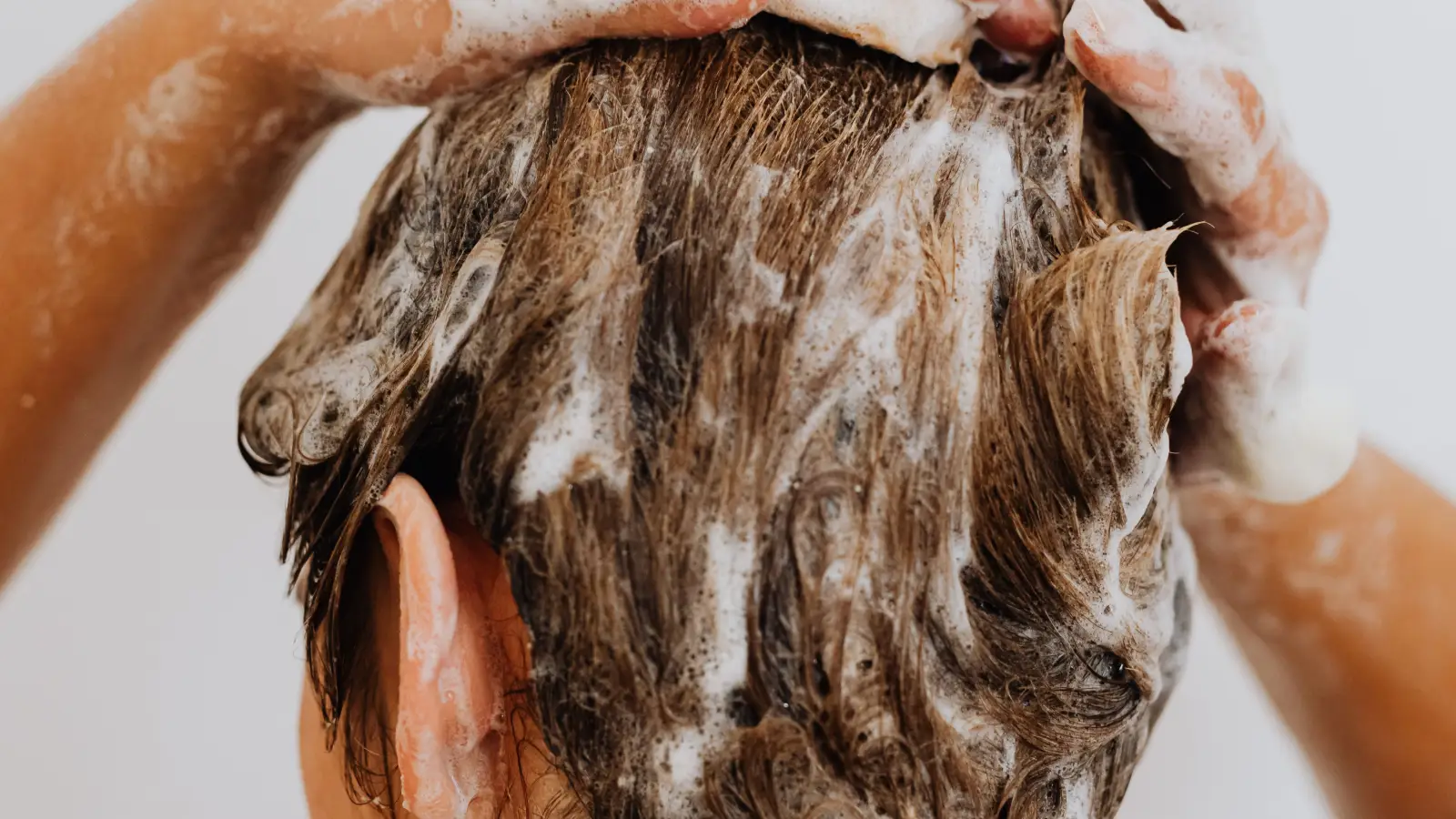
Rinse until the water runs clear. Honey is water‑soluble, so a small amount of fragrance‑free shampoo can remove any residual stickiness without stripping the scalp. Avoid hot water, which aggravates inflammation. Pat the hair dry with a soft towel — rubbing disturbs fragile skin.
Step 6: Execute the Mask Twice Weekly, Spacing Applications 3–4 Days Apart
Select two fixed days — Sunday and Wednesday, for instance — and adhere to them for a minimum of two weeks. Consistent spacing allows observation of scalp response without over‑treatment. Daily use is not part of this protocol; it disrupts the moisture balance and can worsen flaking.
Step 7: Record Scalp Condition Before Each Session
Before every application, take a photograph of the most affected area or note a brief description: “fewer flakes, slight pink cast,” “no change,” etc. Objective records replace memory and make the two‑week evaluation reliable.
Clear Signals to Discontinue the Protocol and Consult a Dermatologist
Stop immediately and schedule a dermatology appointment if: redness extends beyond the hairline onto the forehead or neck; yellow crusting or oozing appears; stinging evolves into sharp, persistent burning after rinsing; or flakes become thick and adherent rather than loose. These indicators suggest the condition exceeds what a food‑based topical can safely address.
Frequent Errors and How to Prevent Them
Using Pasteurized Honey Instead of Raw, Enzyme‑Active Honey
Pasteurized honey has been heated to delay crystallization, a step that destroys the glucose oxidase enzyme needed for hydrogen peroxide production. Without that enzyme, the paste behaves mostly as a sugary moisturizer with negligible antimicrobial value. Verify the label states “raw” or “unpasteurized” and select honey that crystallizes naturally.
Leaving the Mask on Beyond the 20‑Minute Limit
Extra time does not intensify the antifungal or soothing effect. It raises the risk of maceration and irritation. Always use a timer and rinse when it sounds.
Purchasing Aloe Gel Containing Alcohol, Dyes, or Numbing Agents
Many after‑sun aloe gels include isopropyl alcohol, green dye, or lidocaine. Such additives can sting a sensitive scalp. Check the ingredient list: aloe should occupy the first position, and preservatives should be limited to food‑grade options like citric acid or potassium sorbate.
Applying the Mask to Broken or Bleeding Scalp Skin
Open scratches or fissures invite stinging and potential contamination. Keep the paste away from damaged areas and wait until the skin has closed before treating that spot.
Expecting the Mask to Cure Seborrheic Dermatitis
Seborrheic dermatitis is chronic. Honey and aloe can lower symptom severity for many individuals, but they rarely eliminate the underlying yeast overgrowth permanently. View the protocol as a maintenance tool, not a permanent fix.
A Slightly Stronger Version: Adding One Drop of Tea Tree Essential Oil
For those who have used the basic paste for two weeks without irritation and want a modest antifungal boost, one drop of tea tree essential oil can be diluted into the two‑tablespoon batch. Never apply undiluted tea tree oil to the scalp. Perform a fresh patch test with the modified mixture and do not exceed one drop per treatment — tea tree oil is concentrated and can trigger contact dermatitis at higher doses.
Frequently Asked Questions
Can honey and aloe really replace my ketoconazole shampoo?
They can work as a first‑line option for mild flaking and irritation, but they lack the standardized concentration of a prescription antifungal. If a dermatologist has prescribed ketoconazole, use the honey‑aloe mask between medicated washes only with their guidance.
Will the honey leave my hair sticky or attract ants?
A thorough rinse removes virtually all residual sugars. If any stickiness remains, a second rinse with a small amount of shampoo clears it. Ants are not a concern once the hair is dry and the honey has been washed out.
How soon will I notice reduced flaking?
Some scalps show fewer visible flakes after the second or third treatment; others require the full two weeks. If there is zero change after four sessions, the protocol is unlikely to help, and a dermatologist evaluation is the correct next step.
Can I use this mask on color‑treated hair?
Honey may cause slight fading, particularly in darker shades. While it will not strip color dramatically, test on a hidden strand first if preserving color is a priority.
Is the mask safe for a child’s scalp?
For children over 12 months, a patch test is mandatory. Honey is not recommended for infants under 12 months due to botulism risk, even for topical application on intact skin.
After Two Weeks: Interpreting Your Scalp’s Response
You have completed a two‑week trial of twice‑weekly honey‑and‑aloe masks, with records for each session. Compare your notes. If flaking decreased and itching is manageable, continue the routine as maintenance or slowly extend the interval, monitoring for rebound symptoms. If the scalp did not improve or the condition worsened, discontinue the protocol and schedule a dermatologist appointment — a medicated approach may be needed. For those with partial improvement, pair the mask with practical supportive measures: cut back on styling products that build up on the scalp, wash pillowcases weekly, and manage stress, which can influence sebum production. The honey‑aloe mask is a dependable starting point, not the final answer.