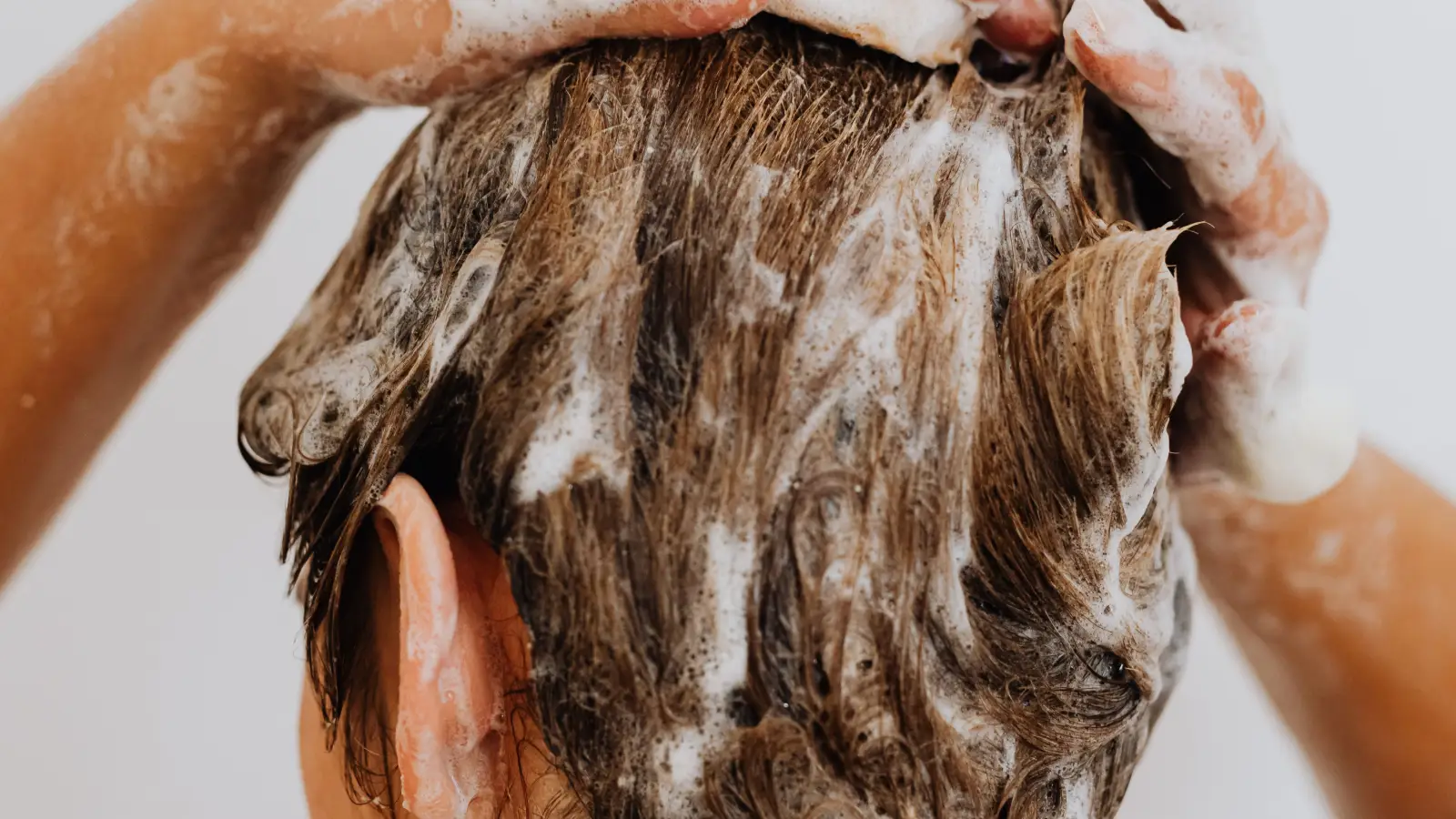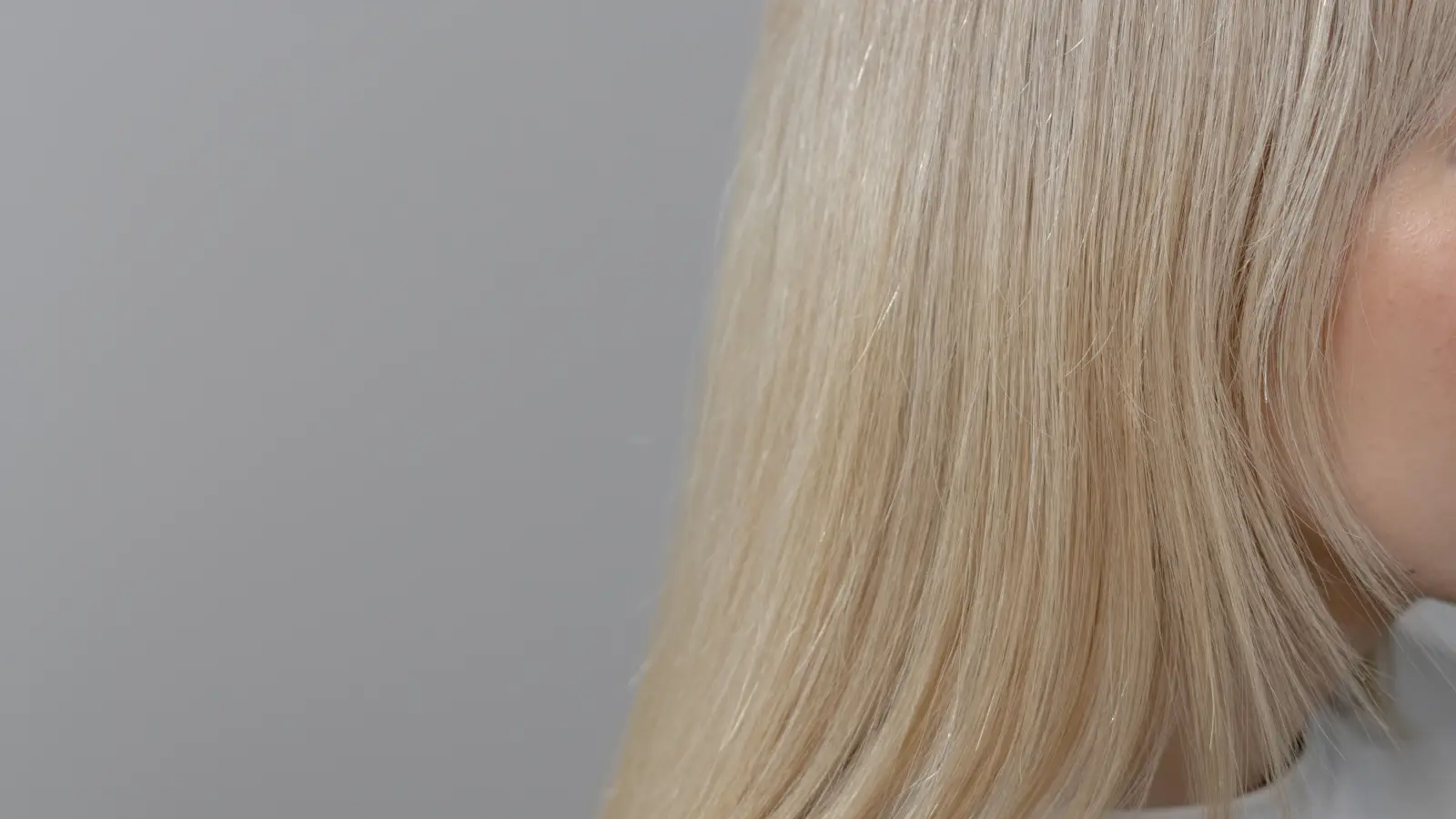
When you have tried every conditioner and serum and your hair still feels dull and lifeless, a gentle, natural ingredient like honey can feel like your last real hope. Honey softens hair by attracting moisture and clearing away the silent buildup that dims your strands—but only when you prepare it carefully and follow a specific sequence. For the fastest path to soft, shiny hair: dilute 1 part raw honey with 2–3 parts warm water, apply to damp mid-lengths and ends, cover with a cap, and leave for 20–30 minutes before rinsing with cool water.
This routine—the Honey Hair Reset—works because it respects how honey actually interacts with hair. The following sections walk you through the science in plain terms, then guide you through every small move so you can feel the difference without the guesswork.
The Two Properties That Set Honey Apart from Every Other Hair Ingredient
Honey’s gift to hair is quiet but powerful. It does not coat the hair with a layer of slippery polymers the way a silicone serum would; instead, it draws moisture from the air and delivers it into the strand. At the same time, a tiny enzyme inside raw honey gently dissolves the residues left by styling products and the minerals that hard water deposits. This dual action is why honey can restore a genuine, weightless shine when richer products have failed.
Honey’s humectant nature means it attracts and holds water molecules. When applied to damp hair and covered, the honey creates a small humid environment around each strand, and that moisture is absorbed into the hair shaft over time. The hair becomes more flexible and reflects light better—without the heavy film that oils can leave.
The enzyme glucose oxidase, activated when honey is mixed with water, produces a very mild, slow release of hydrogen peroxide. This is not strong enough to bleach hair aggressively, but over consistent use it can lift the hair by a subtle quarter- to half-shade, especially on light brown or dark blonde bases. Far more important for everyday care, the same enzymatic activity breaks up the invisible buildup that makes hair feel coated, heavy, and perpetually dull.
Honey’s natural pH—usually between 3.2 and 4.5—helps the hair’s outer cuticle lie flat. A flat cuticle reflects light more evenly, which reads as shine. This is a gentle, structural shift that happens without stripping the hair.
All of this stays dormant, however, if the preparation steps are skipped. The next three stages give you a safe, repeatable order of operations.
Dilute the Honey to the Right Concentration
Straight honey from the jar is too dense to work through hair, and it will not activate the glucose oxidase that makes the mask worth doing. Adding water wakes up the enzyme and thins the mixture to the point where it can glide through the hair and reach each strand. This first stage is the quiet foundation that everything else rests on.
What to do: For 1 tablespoon of honey, measure out 2 to 3 tablespoons of warm water—not hot. Water that is too hot (above roughly 95°F–104°F) can start breaking down the enzyme before it ever reaches your hair. Stir gently until the honey disappears and the mixture feels like a light syrup that slides easily off a spoon.
Checkpoint: If the mixture still clumps or feels tacky between your fingers, add a little more water. If it drips through your fingers like plain milk, it has become too thin and will run off the hair before it can work. Aim for the consistency of a delicate pancake batter.
Small adjustments matter for different hair types. Fine hair almost always responds better to a slightly thinner dilution—closer to 3 parts water to 1 part honey—so that nothing sticky remains. Coarse, thick hair can hold a 2:1 ratio and benefit from the slightly richer coating.
Apply the Mask in the Correct Order
The order in which you dampen, section, coat, and cover your hair determines whether the diluted honey stays where it belongs long enough to do its work. Without this sequence, even a perfectly mixed mask will underperform.
Step one: Start with damp, detangled hair. Use a spray bottle to mist the hair until it is damp but not dripping. Waterlogged strands cause the solution to bead up and slide off. Hair that is completely dry will grab the mixture unevenly and can tangle during application.
Step two: Apply from mid-lengths to ends. Smooth the mixture starting a few inches away from the scalp and work downward. Most scalps do not need the humectant pull, and leaving honey near the roots can lead to a tacky feeling. If your scalp is very dry or flaky, a very light fingertip application is fine, but rinse it out well. Oily scalps should keep the product entirely below the ears.
Step three: Work in sections. Clip the hair into four to six manageable parts. Apply the mixture to each section individually, then gently comb through with a wide-tooth comb or your fingers. This ensures an even coating without knots.
Step four: Cover the hair. A shower cap, plastic wrap, or reusable processing cap traps the warmth and humidity that keep the honey moist. Without a cover, the mask dries out and begins pulling moisture out of the hair instead of putting it in.
Done well looks like: Hair that feels lightly slick but not dripping, with every strand from about ear level down holding a faint, even slip. The cap stays dry on the outside and the hair stays cool underneath.
Time the Treatment to Match Your Hair’s Characteristics
Timing is where many thoughtful attempts fall apart. The right duration depends on your hair’s porosity, thickness, and the humidity of the space you are in—not on a universal clock.
Minimum effective time: 20 minutes. Less than that, and the humectant may not have enough contact time to hydrate the hair deeply.
Maximum safe time: Up to 60 minutes for coarse, low-porosity hair that needs longer to accept moisture. Fine or highly porous hair generally does well with 20–30 minutes. In a very dry room—common with indoor heating or low-humidity climates—going past 45 minutes risks a reverse effect, where the honey begins pulling water out of the hair because there is none to pull in from the air.
Checkpoint: Around the halfway mark, lift an edge of the cap and feel a strand. It should feel cool and slightly slippery. If it feels stiff or tacky, the mask is starting to dry; rinse it off right then, regardless of the timer.
Rinse with cool or lukewarm water. Hot water can lift the cuticle and let go of some of the moisture you just added. In most cases, a thorough water rinse is enough; no shampoo is needed. If your hair feels any residue, use a small dab of very mild conditioner on the ends only and rinse again.
A Real-Life Walkthrough: Fine, Greasy-Prone Hair Finally Getting Volume
Picture someone with fine, straight hair that looks oily at the roots by midday but feels dry, brittle, and tangly at the ends. Heavy conditioners smother it, and clarifying shampoos leave it stripped. The goal is softness and shine without losing every trace of volume.
They begin by mixing 1 tablespoon of raw honey with 3 tablespoons of warm water and stir until it becomes a thin, even liquid. The hair is lightly misted until damp but not wet. With a clip, the hair is separated into four sections, and the mixture is applied from the ears downward, keeping a three-inch gap from the scalp. Then a shower cap goes on and a timer is set for 25 minutes.
When the timer sounds, they check a strand. It feels cool and slippery. The mask has not dried. They rinse with cool water for two full minutes, letting the water flow through the ends. No shampoo. As the hair air-dries, the ends look noticeably smoother, and the roots remain clean and lifted. The next morning, the hair still feels soft at the ends, and the usual frizz around the temples has calmed down.
That kind of restrained application—dilute, avoid the roots, time it right—is what lets fine hair benefit from honey without turning heavy or stringy.
Where People Skip Steps—and What It Costs Them
First-timers often blame the ingredient when the real problem is a small but crucial misstep. These three mistakes skip a stage in the reset and lead to exactly the disappointing result that discourages further tries.
Using Honey Straight Out of the Jar
Undiluted honey cannot spread, cannot activate its enzyme, and cannot wash out cleanly. Strands get glued together and a hard, crusty residue forms as it dries. The hair ends up feeling rougher than before. Diluting is not optional; it is the step that lets honey become a treatment instead of a mess.
Leaving the Mask On Until It Dries Completely
Once the mask loses its moisture to the air, the humectant reverses direction. Instead of pulling water in, it pulls water out of the hair shaft. The hair turns stiff, brittle, and is at higher risk for breakage. If you ever feel the mask turning dry and tacky under the cap, rinse it out immediately.
Starting with Soaking Wet Hair
Sopping wet hair causes the honey solution to bead up and slide right off. The mask never makes sustained contact, and the extra water thins the mixture so much that its humectant ability is diluted away. Damp hair—light, cool, barely there moisture—is the correct canvas.
Honey Hair Reset at a Glance
| Stage | Goal | Key Action |
|---|---|---|
| Dilute | Activate enzymes, create spreadable consistency | 1 tbsp honey : 2–3 tbsp warm water; stir until thin syrup |
| Apply | Even coat on damp hair | Section hair, apply from mid-lengths to ends, cover with cap |
| Time | Hydrate without overdrying | 20–30 minutes for fine hair, up to 60 for coarse; rinse with cool water if stiff |
Questions You Probably Ask After Your First Honey Mask
Does honey lighten hair?
Yes, but only slowly and subtly. The tiny amount of hydrogen peroxide that develops when honey is diluted can gradually lift the hair a fraction of a shade over weeks of regular use. The shift is noticeable mainly on light brown to dark blonde hair; on very dark hair, the difference may be so subtle you only see it in bright sunlight. This is not a substitute for chemical lighteners, and expecting a dramatic change leads to disappointment.
Can I use honey on an oily scalp?
You can, but it needs a light hand. Keep the mask on the mid-lengths and ends. If you want to use it on the scalp to loosen flakes or soothe a dry, irritated feeling, apply a very small amount with your fingertips, leave it for 10–15 minutes, and rinse carefully. Leaving honey on an oily scalp too long can create a sticky film that is harder to remove.
How often should I use a honey hair mask?
A good starting rhythm is once a week. If your hair is fine and easily weighed down, every 10–14 days tends to work better. Thick, dry hair sometimes appreciates a mask twice a week. Pay attention to how your hair feels after a few sessions; if it starts feeling stiff or coated—despite having no protein in the mix—reduce the frequency.
Is raw honey better than pasteurized?
Yes. Raw honey still carries the glucose oxidase enzyme that drives the beneficial reactions. Pasteurized honey has been heated to extend shelf life, a process that deactivates the enzyme. Look for a label that says “raw” or “unfiltered.” Even crystallized raw honey works, as long as it dissolves fully in the warm water.
Can honey cause hair loss?
Honey itself does not cause hair loss. What can happen, though, is mechanical breakage if you tug at tangles during application or let the mask dry into a hard shell that pulls at the strands. Gentle handling and the proper dilution prevent this entirely.
The Honey Hair Reset comes down to three simple, patient acts: dilute, apply in the correct order, and time the treatment to your own hair. If you are completely new to honey hair care, begin with 1 tablespoon of raw honey and 3 tablespoons of warm water, test the consistency on a small section, and let that first cautious trial teach you everything you need to know. That small beginning—rather than a perfect recipe—is what leads to soft, shiny hair that finally feels nourished.