Beekeepers verify monofloral honey purity by quantifying the percentage of pollen grains from a single plant species using microscopic analysis, and by matching sensory profiles—aroma, color, flavor—to established benchmarks for that floral source.
Why Monofloral Honey Requires Verifiable Standards
Monofloral honey comes predominantly from a single plant species. The taste differences are obvious to beekeepers, but labeling laws require objective proof. That proof relies on pollen counts and sensory standards. Without a fixed set of measurable criteria, any honey could be labeled as acacia or lavender regardless of its actual origin. Pollen quantification and regulated sensory evaluation solve that by giving producers, packers, and regulators a repeatable, common benchmark.
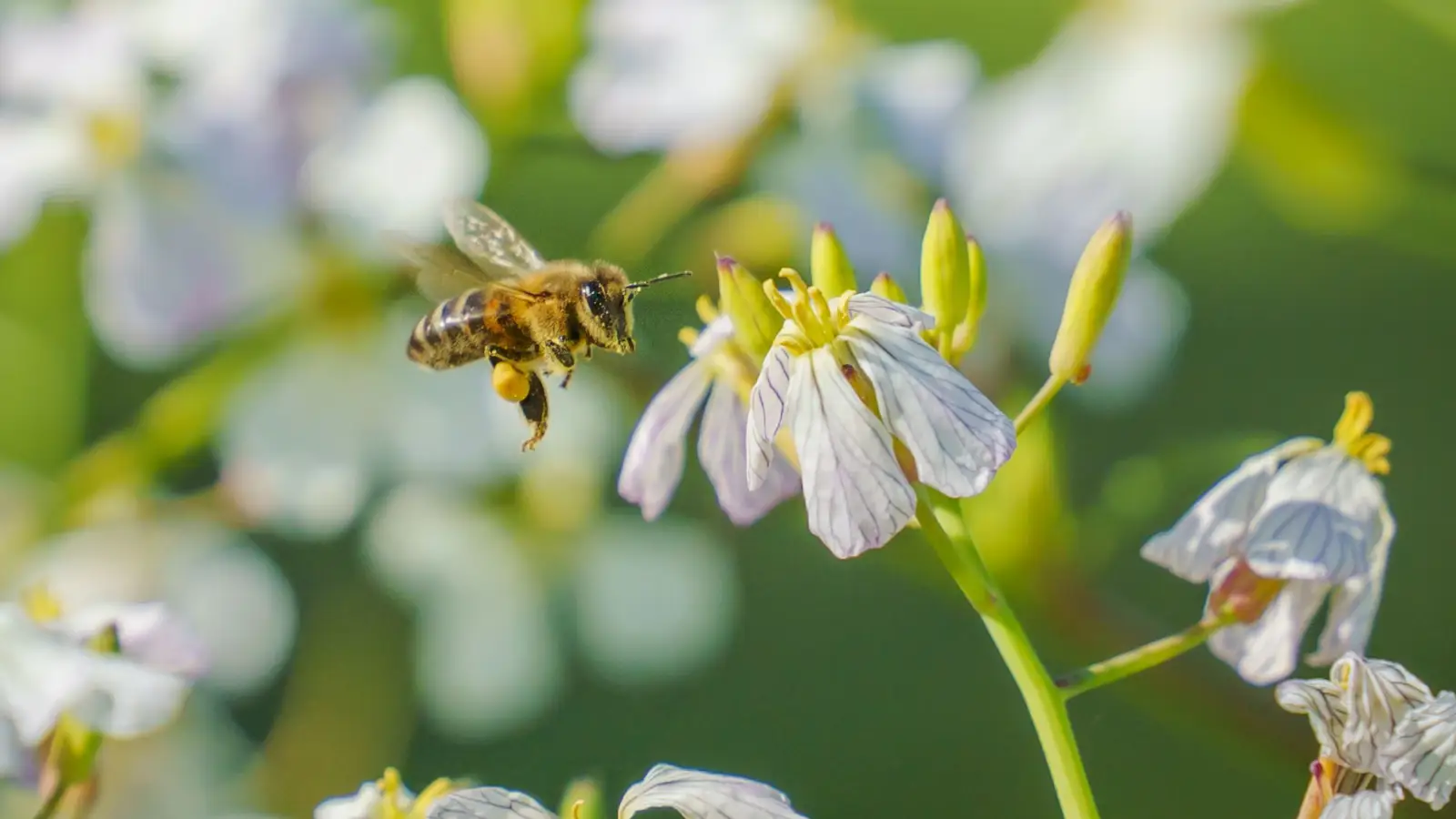
This system exists because nectar—the raw ingredient—leaves behind only microscopic traces. Pollen grains serve as botanical markers, but they do not always represent nectar composition accurately. Chestnut honey carries abundant pollen, while citrus honey holds very little. To close that gap, sensory testing checks whether the product’s smell, taste, and appearance match the expected profile of the claimed floral source. Together, laboratory pollen data and organoleptic results form the accepted international framework, outlined in the Codex Alimentarius and enforced through national regulations.
A Brief History: From Hive Location to Forensic Pollen Science
In earlier decades, a beekeeper knew the honey was orange blossom because the hives were placed inside an orchard during bloom and the resulting honey was pale gold with a citrus aroma. That was sufficient for local trade. As honey became a global commodity, high‑value varieties like acacia and lavender began appearing on supermarket shelves with minimal barriers to fraud.
The solution emerged in the late 20th century with melissopalynology—the systematic study of pollen in honey. Laboratories standardized counting methods, built pollen reference libraries, and linked pollen spectra to sensory panel descriptions. Today, the verification process follows protocols from the International Honey Commission and is codified in the food laws of dozens of countries.
The Two-Part Method: Microscopy and Tasting Panels
Pollen Analysis: Counting 300 Grains to Determine Dominance
A honey sample enters an accredited lab. The technician weighs it, dilutes it with distilled water, centrifuges the mixture, and mounts the pollen sediment on a slide. Under a compound microscope set to 400x magnification, they identify and count at least 300 pollen grains. Each grain is recognized by its size, shape, aperture type, and surface ornamentation. A reference slide collection and illustrated atlas are required for accurate identification.
The resulting pollen spectrum—the percentage of each type—determines whether the sample meets the legal threshold for the claimed floral source. These thresholds are derived from authentic, verified samples and vary because different plants shed pollen differently.
Typical minimums:
- Acacia (Robinia pseudoacacia): 20% in Germany, 10% in France
- Lavender (Lavandula): 10–15%, depending on French region
- Chestnut (Castanea): above 85% in Italy
- Sunflower (Helianthus): commonly above 70%
When a plant type is known to be over‑represented (rockrose in Greek pine honey) or under‑represented (citrus in many regions), the lab applies a correction factor. This correction prevents misclassification based on pollen behavior rather than true nectar dominance.
Sensory Analysis: Matching Aroma, Taste, and Color to a Botanical Fingerprint
Trained sensory panelists or a qualified technician evaluate the honey in three stages. Color is measured against the Pfund scale—a transparent wedge from water‑white to dark amber. Aroma is assessed first at room temperature, then after gentle warming to release volatile compounds. Taste notes record acidity, sweetness, bitterness, and specific descriptors (vanilla, smoky, floral, etc.).
These observations are cross‑checked against official organoleptic profiles for the claimed monofloral type. If the pollen count is borderline—say, 19% acacia pollen in a German sample—a matching sensory profile can confirm the designation. Conversely, a sample that meets the pollen number but carries off‑notes from fermentation or storage will be rejected.
Reference Standards and Certification Bodies
There is no universal global rule; national authorities publish their own lists. Italy’s MIPAAFT decree sets pollen percentages and sensory requirements for 24 monofloral honeys. New Zealand’s Ministry for Primary Industries defines mānuka through pollen DNA analysis plus chemical markers (methylglyoxal, leptosperin), enforced via the UMFHA grading system. The Codex Alimentarius provides the overarching framework, requiring that monofloral honey come “wholly or mainly” from the named source and display the corresponding microscopical and organoleptic traits.
Accredited labs issue certificates that become the legal documentation behind a label claim. A producer exporting Sidr honey, for example, sends samples to a lab recognized by the export authority; the certificate is the evidence the buyer requests.
When Pollen-Verified Purity Matters—And When It Doesn’t
When It Matters: Consumer Trust and Premium Pricing
Monofloral honey sells for two to five times the price of generic blended honey. That price depends on a guarantee: the jar contains nectar primarily from one floral source, delivering a distinct flavor and, in some cases, specific compounds. Without verification, the premium has no factual basis and the market risks fraud. Export contracts and specialty retailers typically demand a lab report. Consumers with pollen allergies—though reactions from honey‑borne pollen are rare—also benefit from knowing the dominant pollen type.
A beekeeper in central Florida who harvests orange blossom honey for the European market must provide a lab analysis showing at least 20% Citrus pollen after correction and a sensory report that matches the orange blossom profile. The document converts a personal claim into a tradable asset.
When Thresholds Are Less Critical: Personal Use and Straightforward Harvests
Verification carries a cost—typically $50 to $150 per sample—and takes time. For a small‑scale beekeeper selling at a farmers’ market where buyers know the hive sits next to a single large basswood tree, formal testing often isn’t justified. Home use or gifts require nothing more than an informal sensory check (taste, smell, color).
When bees are placed in an isolated area with an obvious dominant bloom and every frame yields honey of the same light color and mild floral character, the risk of mislabeling is low. A pollen count would confirm the identity, but the expense and effort lead many producers to rely on their own observations unless a buyer or regulation demands a certificate.
Concepts That Connect to Monofloral Purity Verification
- Melissopalynology — The scientific discipline of analyzing pollen in honey; the primary lab method for establishing monofloral status.
- Adulteration — The deliberate dilution or misrepresentation of honey; pollen counting originated as a tool to detect and deter it.
- Organoleptic Profile — The complete sensory signature (appearance, smell, taste, mouthfeel) used together with pollen data to confirm floral identity.
- Unifloral vs. Multifloral — The opposite end of the spectrum: honey from diverse nectar sources with no single dominant pollen type.
FAQ
What is the typical pollen percentage needed for monofloral honey?
It varies by plant species and country. Minimums range from as low as 10% for lavender to over 85% for chestnut. The International Honey Commission offers reference values, but producers must check the specific requirement for their target market.
Can you test monofloral honey purity at home?
No, reliable pollen analysis requires a compound microscope, reference slides, and trained identification skills. A home sensory check—color, aroma, taste—can suggest purity but is not legally recognized and cannot replace a lab certificate.
Does pollen count always match the nectar source?
No. Some plants contribute little pollen to honey (citrus) while others contribute abundantly (chestnut). Labs apply correction factors to account for this discrepancy. That is why sensory evaluation is always required alongside microscopic analysis.
Is monofloral honey healthier than other honey?
Health benefits are linked to specific plant compounds (e.g., methylglyoxal in mānuka), not the monofloral label itself. Pollen dominance indicates flavor consistency and botanical origin, not a guaranteed nutritional advantage.
How do beekeepers isolate a single floral source?
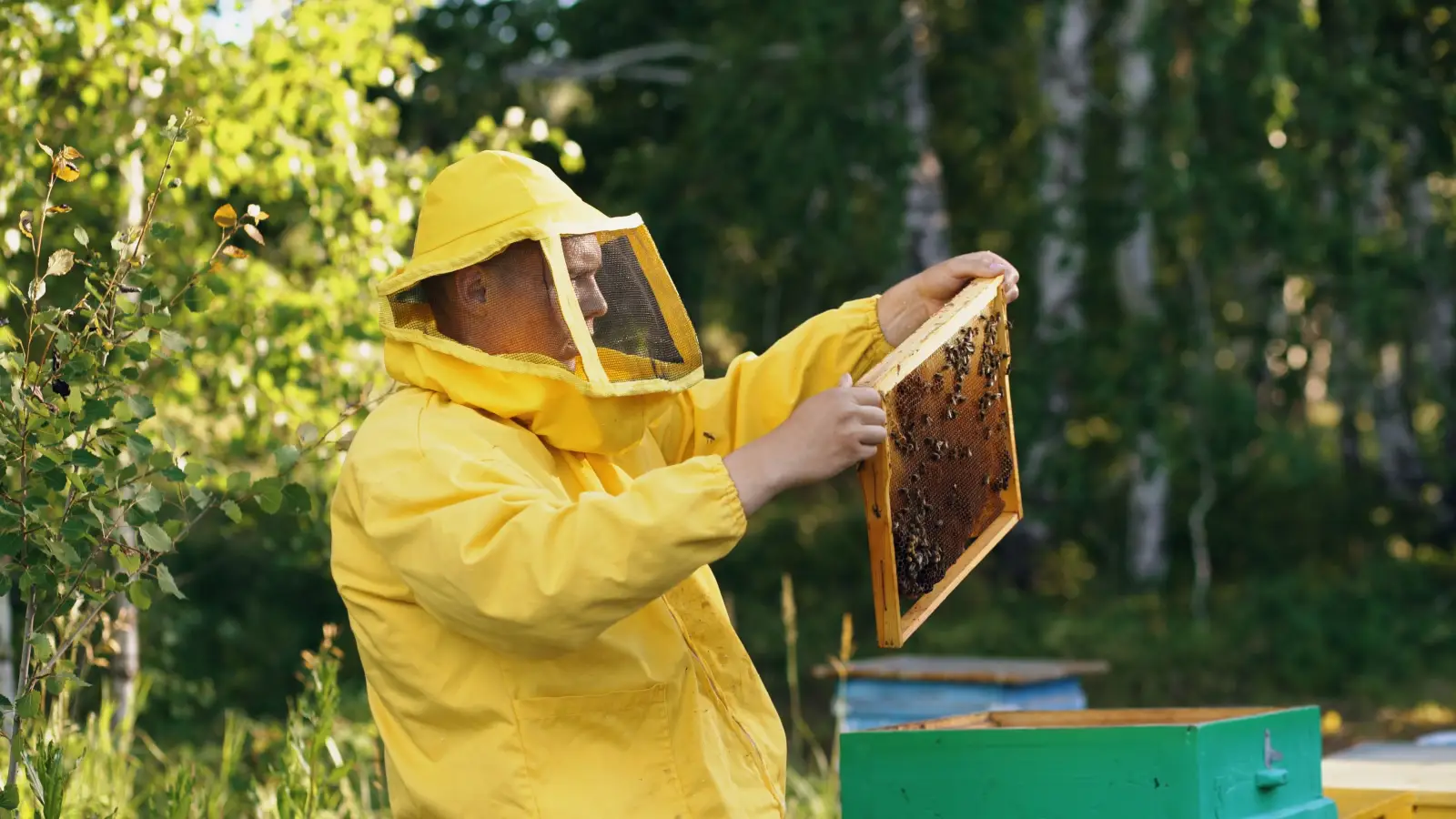
They move hives into the target bloom at the right time and remove honey supers immediately after flowering ends. This prevents bees from mixing later nectar sources. Migratory beekeeping is the standard practice for producing monofloral crops.
Conclusion
Verification through pollen thresholds and sensory panels turns a beekeeper’s claim into a documented, auditable fact. The next practical question for a consumer reading a label is which certification marks—UMF, DOP, or a national monofloral designation—genuinely indicate a lab‑tested product. Check for those marks when you want a verified single‑flower honey.