Wildflower honey never tastes the same, and that’s exactly why it feels alive. A bee colony samples whatever blooms within range, so a spring jar from a Florida meadow carries a different story than a late-summer jar from a Vermont hillside. The honey doesn’t try to be consistent; it simply mirrors the land it came from. That shifting character is not a defect—it’s the clearest sign you’re tasting something real.
The Same Hive, Two Different Jars
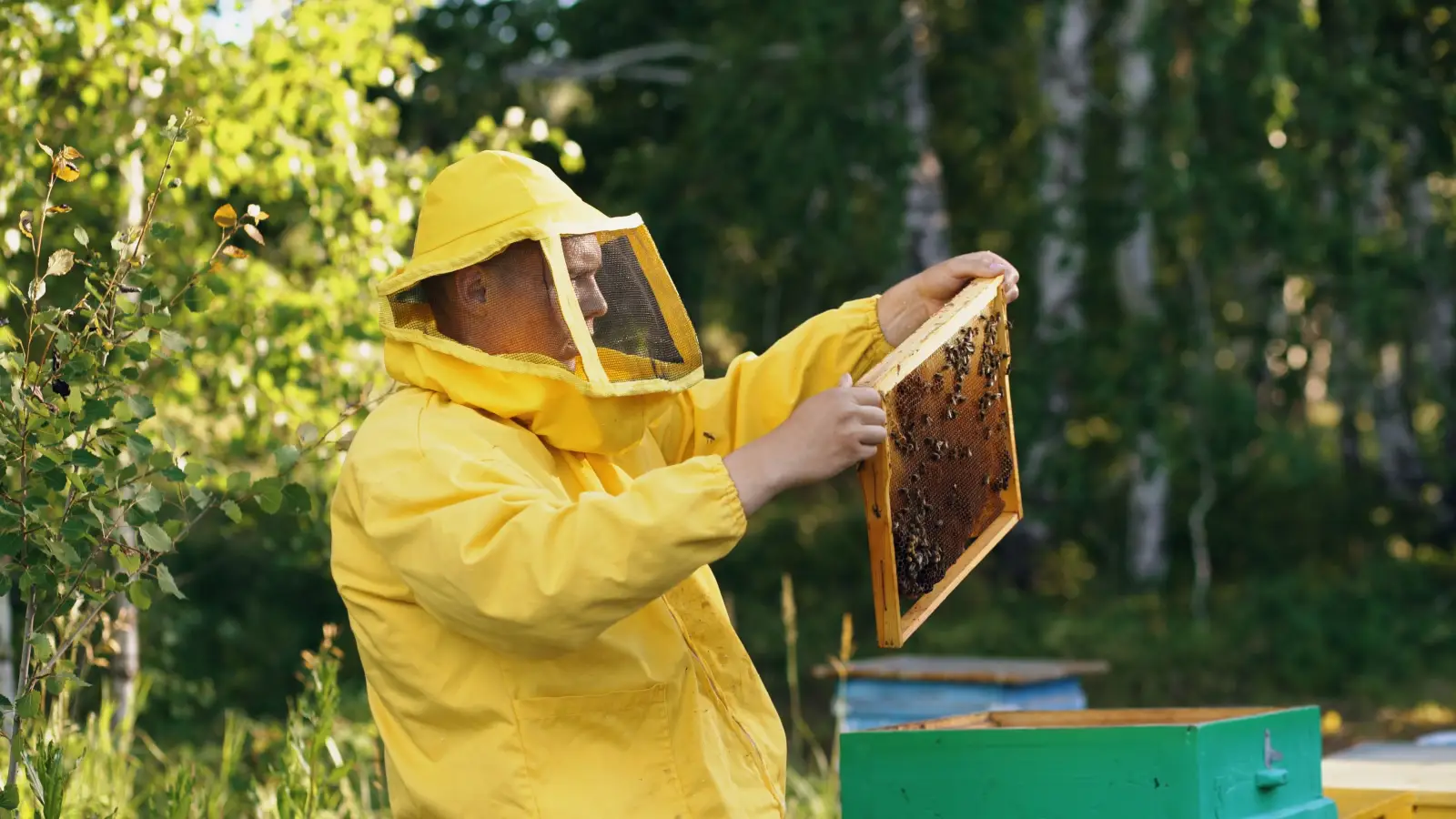
A small beekeeper in upstate New York works a handful of hives tucked between a forest edge and overgrown pasture. In late June, she uncaps the frames to find a honey so pale it’s nearly transparent, with a gentle sweetness carrying notes of black locust and white clover. She jars it as ‘Early Summer Wildflower.’ By early September, the same hives give a second harvest, this time dark amber, heavier, with an earthy finish and hints of goldenrod and wild aster. Someone who loved the light June honey might open the second jar and feel confused. Yet both jars are honest—they hold two different chapters of the same field.
Why the Flavor Keeps Shifting
The Bloom Calendar
Flowers do not wait for convenience. In that upstate New York apiary, black locust and clover dominate the early growing season, yielding a light, mild honey. A few weeks later, goldenrod and aster take center stage, bringing darker tones and a stronger presence. The same rhythm plays out everywhere: a Florida beekeeper watches saw palmetto give way to gallberry, then partridge pea. Even within a single season, the floral script flips, and the honey follows. There is no official ‘wildflower’ taste because the wild doesn’t follow a recipe.
The Foraging Radius
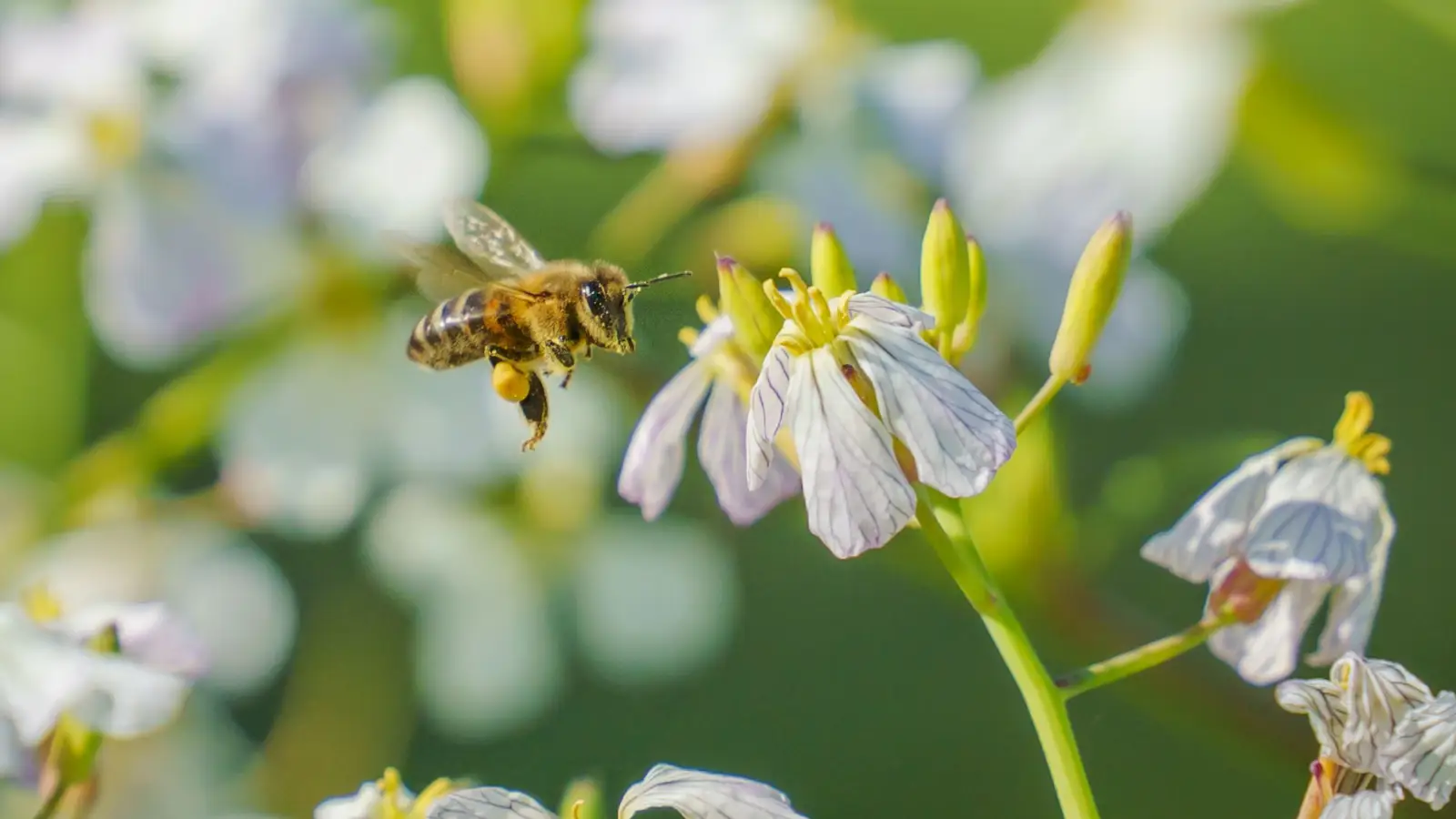
A honeybee rarely ventures more than two or three miles from home, so the nectar it gathers paints a tight portrait of the immediate surroundings. The New York hives sit near a mix of old pasture and woodland—habitat that favors one set of blooms over another. Shift the apiary a few hundred yards downhill toward a creek, and the bees might bring back more jewelweed than goldenrod. Every jar is a local fingerprint, drawn from a patch of ground that shifts its offerings from week to week.
Weather's Quiet Hand
Even when the flower species stay the same, rain and temperature reshape the honey. A cool, wet spring coaxes thin, abundant nectar; a dry, hot late summer concentrates sugars and deepens color. After a drought, the September honey might be darker and bolder than after a rainy August. Weather writes itself into the jar without permission, adding another layer of one-of-a-kindness to every harvest.
Where You'll Taste the Difference
At a Farmers’ Market
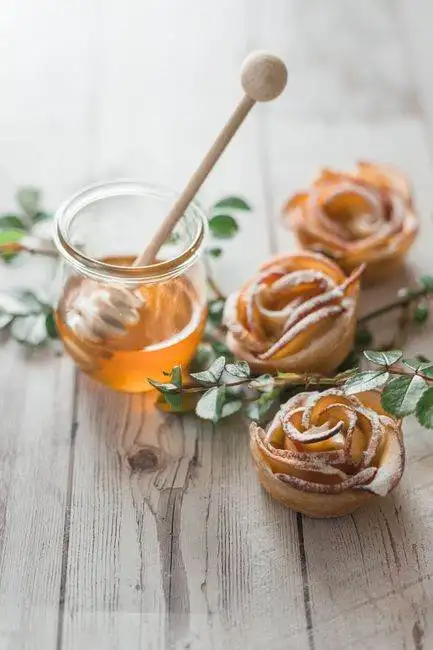
When buying wildflower honey from a local producer, ask about the harvest date or season. A spring batch and a fall batch from the same hands can taste like two entirely different honeys. Some beekeepers label each extraction as a separate vintage. Tasting them side by side—light next to dark—makes the lesson immediate. For many, that moment turns honey into something more like seasonal fruit: fleeting, worth savoring while it’s here.
On a Supermarket Shelf
Commercial wildflower honey often blends many batches from different regions and times to smooth out extremes and deliver a consistent product. Still, variation can creep in if the packer shifts its supplier network between seasons. A jar bought in March might not be quite the same as one bought in October. The important thing to recognize is that what large-scale blending hides—unpredictability—is exactly what local, small-batch honey offers.
While Traveling Abroad
Wildflower honey from Greece, New Zealand, or Yemen tastes nothing like American wildflower honey. The local flower palette—thyme and orange blossom in Mediterranean maquis, rata and manuka-adjacent blooms in New Zealand scrub—creates a flavor that belongs to that place. In every case, the same truth holds: the honey is a taste of a landscape at a specific moment. Different ground, different season, different jar.
When ‘Different’ Feels Like a Mistake
The biggest misunderstanding about wildflower honey is that a change in flavor means something went wrong. People sometimes open a second jar from a beekeeper they trust, taste something unfamiliar, and assume the honey was cut with syrup or mishandled. But in a living system, consistency isn’t the goal. The light June honey and the dark September honey from upstate New York are equally pure, raw, and honest—they simply capture two completely different points in the calendar. Expecting them to match is like asking a field to look frozen in time. The shifting flavor is the proof that the honey came from a real place, not a factory blend.
Common Questions About Wildflower Honey
Why does my wildflower honey taste different from the last jar?
The short answer: because the flowers changed. Wildflower honey is polyfloral, and even a few weeks can alter which blooms the bees are working. Two jars from the same beekeeper, harvested weeks apart, will naturally taste different. If you want absolute predictability, choose a blended product, but if you value authenticity, lean into the variety.
Is darker wildflower honey better than lighter?
Color doesn’t signal quality; it signals season and floral source. Light spring honeys are delicate and quiet, while dark fall honeys are robust and lingering. Neither is ‘better.’ Choosing one over the other comes down to personal preference and how you plan to use it. A dark late-summer wildflower might stand up beautifully in a marinade, while a light spring honey shines in a cup of chamomile tea.
Does wildflower honey go bad or lose its flavor over time?
Raw wildflower honey keeps almost indefinitely if stored properly, though delicate aromatic notes may fade after a year or so. It may darken and crystallize, but that’s a natural process, not spoilage. To reliquefy, warm the jar gently in a water bath—never over direct high heat. Each harvest’s unique profile is fragile, so treat it with care.
Can I use wildflower honey in recipes that call for a specific honey?
You can, but the dish will reflect the honey’s own character, which changes from jar to jar. Substituting a dark fall wildflower for a recipe that expects orange blossom will steer the flavor earthier and less citrusy. That variation isn’t a flaw; it’s an opportunity to see how a single recipe responds to the same apiary’s honey across different harvests.
A Landscape in a Jar
For the beekeeper in upstate New York, the two jars hold a whole summer: the light one tastes of clover and June afternoons; the dark one carries the dry warmth of goldenrod fields in early autumn. Wildflower honey was never meant to be uniform. The simplest way to understand it is to approach each jar as a taste of a moment that can’t be repeated—a place, seen through bees, just once.