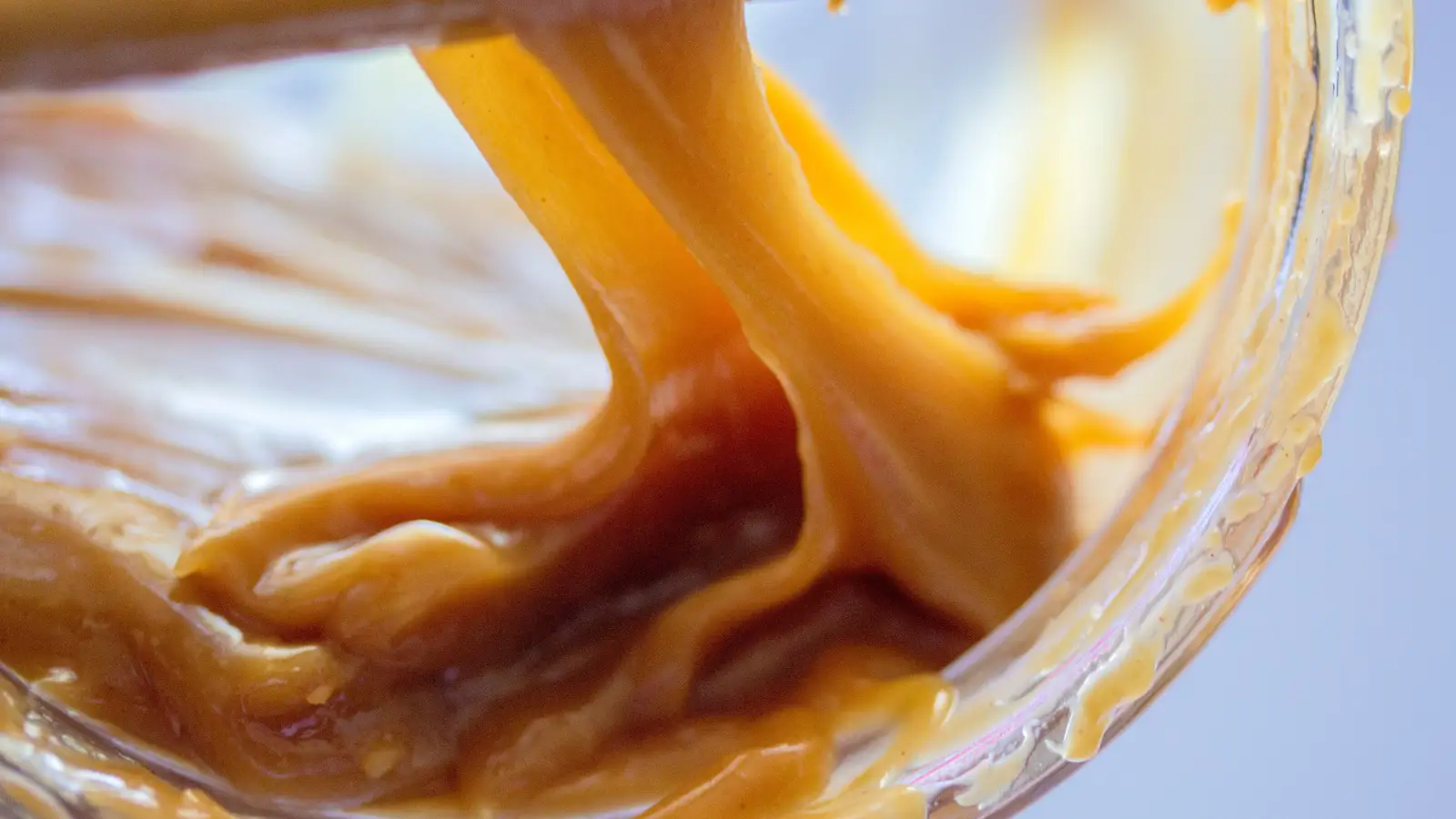
Savory honey cooking gets a bad reputation when sweetness takes over. The secret is to treat honey as a flavor builder, not a sweetener. When you balance it with acid, salt, and fat, and pick a varietal that fits your protein—buckwheat for beef, orange blossom for pork—the sweetness steps back into a deep, savory note that feels intentional.
A cook who struggles with cloying honey dishes isn’t doing anything wrong—honey just asks for a few simple partners. The technique-first approach here treats honey like a wine pairing. The right varietal brings complementary depth, while acid, salt, and fat work together to tame the sweetness and let savory flavors shine. By the time you plate, the honey amplifies everything else, never stealing the show.
What a Balanced Savory Honey Dish Tastes Like
A well-balanced dish looks glossy and inviting, but the first bite tells the real story. It tastes savory and rounded, with the honey weaving in as a gentle floral or earthy thread—never shoving the other flavors aside. The meat or vegetables taste more like themselves, because the sweetness isn’t masking them. You’ll notice a bright acidity that lifts everything and a salt level that makes each flavor distinct.
Your Savory Honey Technique Checklist
- Pick a honey varietal that matches your protein or vegetable
- Add an acid to cut through the sweetness
- Salt the dish early, not just at the end
- Use a complementary fat to blend the flavors
- Taste and tweak the sweet-sour-salty ratio
Master Each Balancing Technique: Varietals, Acids, Salt, and Fat
Choose a Honey Varietal That Works With Your Ingredients
How to do it: Getting to know your honey before it hits the pan makes a real difference. A small taste—maybe stirred into a little warm water—reveals its personality. Robust, dark varietals like buckwheat, chestnut, or manuka stand up to beef, lamb, or deeply roasted root vegetables. Light, floral honeys such as orange blossom or tupelo feel right at home with chicken, pork, and tender vegetables. When in doubt, a good wildflower honey with some complexity (not just sugary sweetness) works as a flexible starting point.
Typical time: 5 minutes of tasting and assessing.
Most common mistake: The most frequent misstep is using a delicate honey in a boldly seasoned or charred dish—it vanishes, leaving behind nothing but sugar. That’s when the dish feels sweet without purpose.
Add Acid at the Right Moment for Brightness
How to do it: Acid is honey’s best counterpoint. Add it toward the end of cooking so its brightness stays vibrant—vinegars like sherry or rice, citrus juice, or a splash of wine all do the job. For marinades, acid goes in early; for glazes and pan sauces, it’s best to wait. A helpful guideline: for every tablespoon of honey, stir in at least a teaspoon of acid. Taste, and you’ll feel the whole dish light up.
Typical time: Less than a minute to add and stir.
Most common mistake: The mistake that trips up many cooks is adding acid too soon and letting it simmer away. Without that tangy spark, the sauce turns flat and heavy, and the honey’s sweetness sits awkwardly alone.
Salt Early to Keep Sweetness in Check
How to do it: Salt isn’t just for the meat. Season your protein or vegetables before any honey touches them, and then season the honey mixture too. Kosher salt, soy sauce, or a dash of fish sauce all add umami, which deepens the savory character. When everything is salted well, the honey reads as an intentional layer, not a sticky afterthought.
Typical time: Salting at the start of cooking takes seconds; salting the honey component near the end adds another moment.
Most common mistake: A common oversight is thinking the salt on the meat will do the work. The honey glaze or sauce needs its own pinch of salt; otherwise, the sweet layer sits separate and unbalanced.
Let Fat Carry the Honey’s Depth
How to do it: Fat is the quiet harmonizer. Olive oil, butter, rendered bacon drippings, or even coconut oil help carry honey’s subtle aromas and soften its sweetness. Sauté aromatics in fat first, then introduce honey. For a pan sauce, a swirl of cold butter just before serving pulls everything together into a velvety coat. The fat spreads honey’s flavor across the palate instead of letting it hit in a rush.
Typical time: A few minutes of cooking with fat before adding honey, or a quick swirl at the end.
Most common mistake: Hesitating to add fat because it might feel heavy is a missed opportunity. Without that richness, honey often comes across as thin and syrupy, not integrated.
Taste and Fine-Tune the Balance
How to do it: Right before you plate, steal a small taste. Let the flavors register. Is the sweetness playing support, not lead guitar? Can you pick out a pleasant tang? Does the salt bring the savory elements into sharp focus? A splash more acid or a pinch of salt can make a world of difference. And remember, warm food tastes sweeter—so if you’re sampling straight from the stove, the balance might be even better once it rests a moment.
Typical time: 30 seconds.
Most common mistake: It’s tempting to trust the recipe and skip that last taste, but the interplay of sweet, sour, and salty only reveals itself on the palate. A quick taste is the final insurance that everything sings together.
The One-Minute Balance Check Before You Plate
- Sweetness is a background note, not the dominant flavor
- A bright acidic element is detectable
- Salt level makes savory ingredients stand out
- Flavors taste integrated, with no single note hijacking the dish
Save and Print This Savory Honey Balance Guide
- Pick a honey varietal that matches your protein or vegetable
- Add an acid (citrus, vinegar, wine) just before serving or at the end of cooking
- Salt your dish early and salt the honey mixture directly
- Use a fat (oil, butter, rendered fat) to round out and carry the flavor
- Taste and adjust acid-salt-sweet balance before plating
Common Questions About Cooking with Honey in Savory Dishes
Can I use any honey for savory cooking, or do I need special varietals?
Any honey can find a place in savory cooking, but the varietal is what gives you real character. Lighter honeys like clover or acacia can fade into the background in a heavily spiced dish, leaving just sweetness. Bolder ones like buckwheat or manuka can walk all over delicate ingredients. The sweet spot is matching intensity: a strong honey for a strong dish, a gentle honey for a gentle one.
How do I substitute honey for sugar in a savory recipe?
Because honey is sweeter than sugar, use about two-thirds to three-quarters of the sugar amount called for. Honey also brings liquid, so slightly reduce other liquids in the recipe. And be ready to tweak the acid and salt—honey’s floral notes can shift the whole flavor profile, often in delicious ways that call for a fresh balance.
Why does honey sometimes make my sauce or glaze taste bitter?
Honey doesn’t love intense, prolonged heat. When it gets too hot, its natural sugars can scorch and turn bitter. To avoid this, add honey after the initial high-heat sear or roast, and glaze meats only in the last 10 to 15 minutes. Gentle warmth preserves its nuance.
Does the type of acid matter? What acids work best with honey?
Absolutely. Delicate honeys pair beautifully with rice vinegar or lemon juice, while bold, dark honeys can handle balsamic, red wine vinegar, or tamarind. The goal is harmony—you want the acid to lift the honey’s notes, not wrestle with them.
What if I can’t find specialty varietal honey?
A high-quality wildflower honey is a reliable fallback. Look for one that has some depth—not just a flat sugary taste. Taste it before you start, and be ready to adjust acid and salt a little more, since its flavor may be less pronounced. Even a good generic honey, treated with the techniques above, can produce a lovely savory dish.
Your Next Savory Honey Dish Will Taste Deliberate
When you treat honey as a teammate rather than a soloist, every dish tells a more interesting story. The flavors balance naturally, and that cloying sweetness becomes a thing of the past. The fastest way to get there next time is to keep acid and salt close and taste often. After a couple of rehearsals, your instincts will take over—and you’ll wonder why honey ever felt tricky.