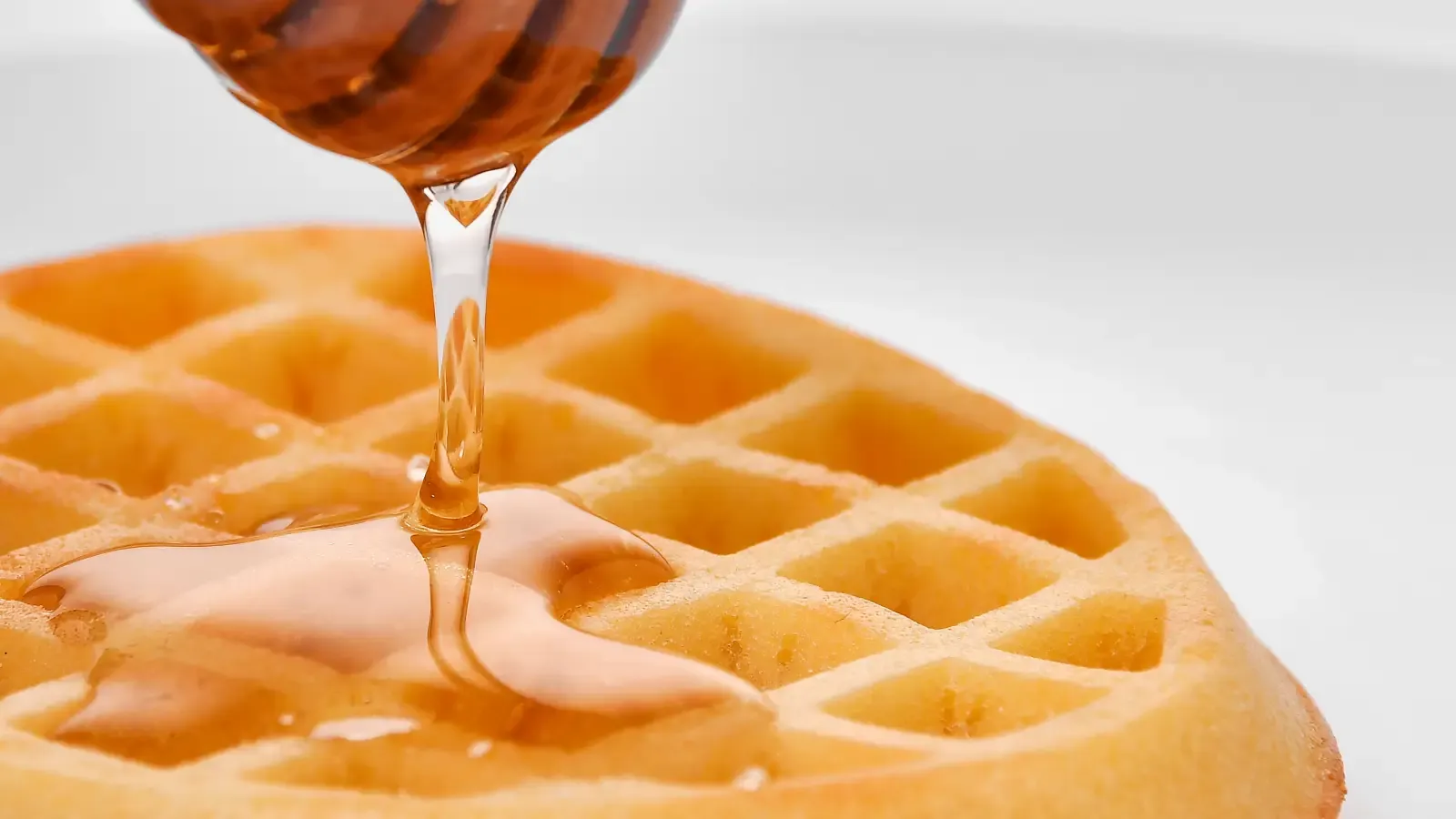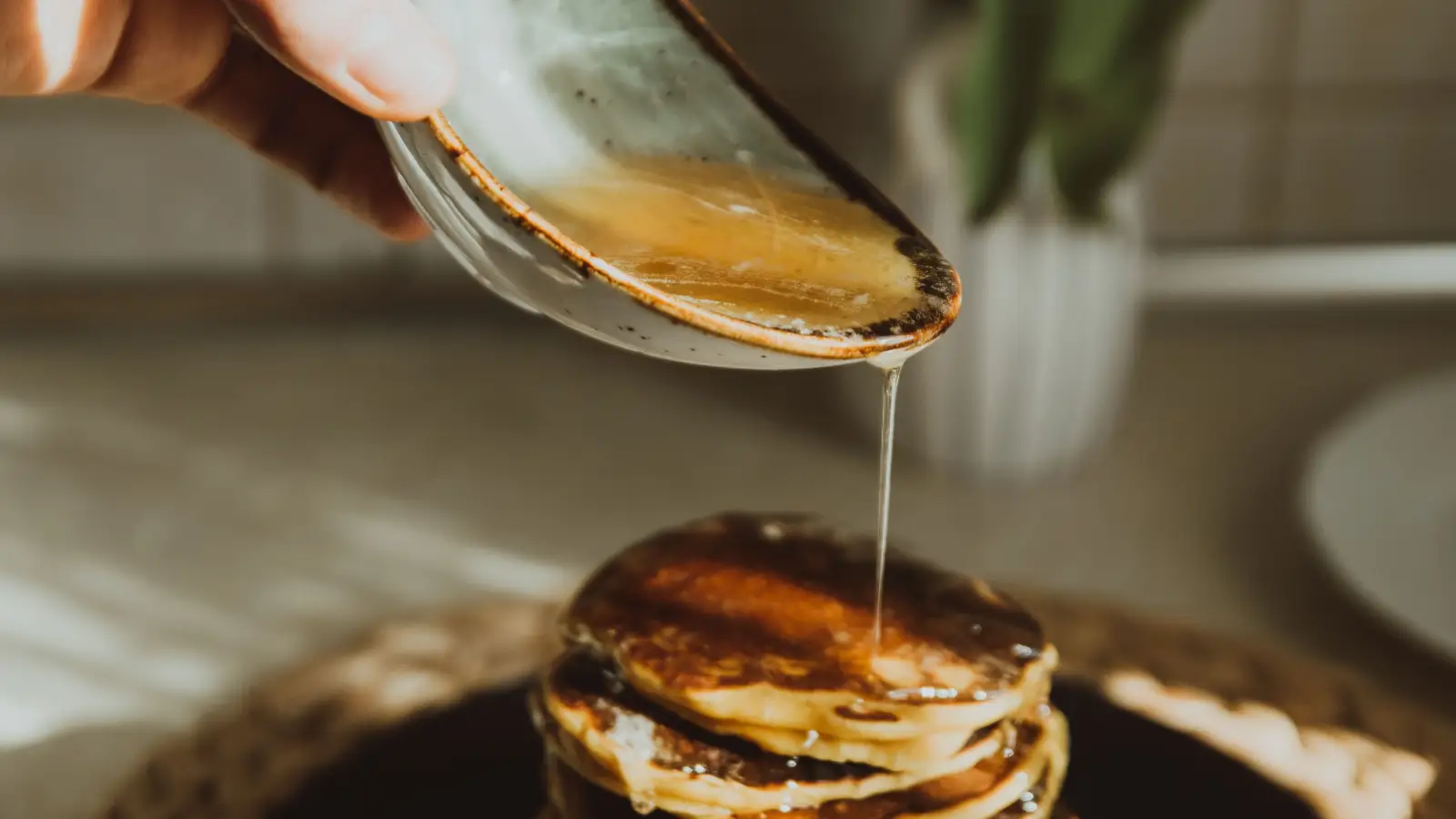
Raw honey’s safety in no-cook recipes comes down to one number: water activity below 0.92. Hit that target, and botulism spores remain exactly what they are in the jar — harmless hitchhikers. Miss it, and a cold-prepared energy ball or fridge-set bar can become a vehicle for one of the most potent neurotoxins known. This guide maps the food-science guardrails for building no-cook honey mixtures that stay safe for the right people under the right conditions.
The Invisible Risk: Botulism Spores in Raw Honey
Raw honey carries Clostridium botulinum spores — a fact, not a scare tactic. The adult gut, with its acidity and mature microbiota, neutralizes them routinely. The danger surfaces only when those spores find a low-acid, moist, oxygen-poor pocket. No-cook recipes eliminate the only easy kill step. Safety then becomes a physics problem: control the water well enough that the spores never wake up.
Water Activity: The Microbiology Gatekeeper
Free water, measured as water activity (aw), dictates whether a spore can germinate. Honey alone sits at about 0.6 — arid enough to hold spores dormant indefinitely. C. botulinum strains need at least 0.94 aw to start growing; most require 0.97. An aw ceiling of 0.92 gives a conservative buffer that keeps the entire mixture in the danger-free zone.
The logic is straightforward. Dry ingredients like rolled oats (aw ~0.1–0.2), almond flour, desiccated coconut, cocoa powder, and powdered proteins all bind available moisture. They work exactly like a desiccant pack, pulling the system’s aw down. Introduce fresh banana (aw ~0.98+), yogurt, milk, or juice, and the numbers flip — especially if the batch sits at room temperature for a few hours while the spores start their lag phase.
Ingredient Selection Rules for No-Cook Honey Mixtures
Prioritize Dry, Water-Binding Ingredients
Build the recipe around ingredients with a high affinity for water: finely ground oats, flaxseed meal, coconut flour, peanut flour, cocoa powder. Their particle size and hygroscopic nature lock up any free moisture the honey brings, keeping the overall aw safely low.
Limit or Avoid High-Moisture Add-Ins
Fresh fruit, mashed banana, applesauce, yogurt, and any liquid dairy or juice belong in a bowl for immediate eating, not in a mixture meant to hold for days. If the recipe must include them, treat the final product as a same-day perishable — refrigerate within minutes and consume within a few hours.
Use Acidic Ingredients to Help Suppress Spore Germination
A pH below 4.6 prevents C. botulinum from germinating. Lemon juice, unsweetened cranberry concentrate, or a measured splash of vinegar offer a secondary barrier. Note what acid does not do: it does not kill the spores. A high-moisture mixture that later becomes less acid through buffering or ingredient separation can still support toxin production. Acid is backup, not permission.
Storage and Shelf-Life Rules
Refrigerate Immediately After Mixing
Cold forces spore metabolism into a near halt. Even recipes that seem bone-dry benefit from refrigeration from the moment they are shaped.
Consume Within Three Days
A three-day window covers small moisture gradients that might form inside a rolled ball or pressed bar. Beyond that, the risk-to-benefit ratio tips unfavorably for an uncooked product.
Never Leave at Room Temperature More Than Two Hours
Treat the batch like a dairy item. After two hours between 40°F and 140°F, discard. No exceptions.
Freezing for Longer Storage
Freezing stops any biological clock. Spores survive the process unchanged, so thawed items still require the same aw discipline, but a stable frozen chain extends safe storage to weeks.
Ingredient Safety at a Glance
| Ingredient Category | Safe Examples | Why Safe or Risky |
|---|---|---|
| Dry binders and fillers | Rolled oats, almond flour, flaxseed, coconut, cocoa | Keep overall aw well below 0.92 |
| Nut and seed butters | Peanut butter, tahini, sunflower seed butter (no added water) | aw typically 0.3–0.5; safe |
| Sweeteners and syrups | Raw honey, maple syrup (if used in small amounts) | Honey's aw is low, but other syrups can have higher aw; check label |
| Dried fruits | Raisins, dried cranberries, dried apricots | aw 0.5–0.6; safe when finely chopped |
| High-moisture ingredients | Fresh fruit, mashed banana, yogurt, milk, juice | Push mixture aw above 0.92; use only with immediate refrigeration and same-day consumption |
| Acidic add-ins | Lemon juice, lime juice, unsweetened cranberry concentrate | Lower pH, extra barrier but not a standalone safeguard |
Who Should Avoid Raw Honey in Uncooked Form
Infants under one year are non-negotiable. Their intestinal flora and stomach acidity cannot block spore germination, and infant botulism has been linked directly to honey consumption. This holds for any food containing raw honey, regardless of moisture level. Pregnant individuals without immune suppression face no direct risk, and botulism is not transmitted via breast milk. Immunocompromised individuals — transplant recipients, those on high-dose corticosteroids, advanced HIV — have insufficient defenses against germination and should avoid all raw honey. People on chronic proton pump inhibitors or with achlorhydria also live with a less acidic gastric barrier, which reduces the body’s ability to neutralize ingested spores.
FAQ
Can I use raw honey in no-bake energy balls for my toddler?
No. The spores responsible for infant botulism survive even in dry mixtures. Wait until the child is at least 12 months old. After that, low-moisture, refrigerated energy balls are a reasonable choice.
Does freezing kill botulism spores?
It does not. Freezing prevents growth but leaves spores intact. A frozen mixture that was safe before freezing stays safe; the moment it thaws, the same water activity discipline applies.
Is pasteurized honey a safer choice for no-cook recipes?
Pasteurization mainly targets yeasts and sugar crystallization. It may reduce spore numbers but offers no sterility guarantee. The same aw control and refrigeration rules are necessary.
What about honey in a vinaigrette or salad dressing that isn't cooked?
Acid from vinegar or citrus brings the pH below 4.6, which inhibits spore germination, and dressings are typically consumed quickly. Refrigerate leftovers and use within three days; discard if separation or cloudiness appears.
Can I add raw honey to homemade nut milk for a no-cook drink?
Straight nut milk has a water activity near 0.99 and a neutral pH — ideal spore-growth conditions. Unless the mixture is pasteurized or consumed immediately with zero storage, it presents a genuine risk.
Key Takeaways
- The safety of raw honey in no-cook recipes depends on holding overall water activity below 0.92; dry, absorbent ingredients make that possible.
- Refrigerate every no-cook honey preparation immediately, and consume within three days.
- Infants under 12 months and severely immunocompromised people must avoid raw honey entirely.
- Acid provides a useful secondary barrier but never replaces water activity control.
- Freezing preserves a safe state; it does not remediate a risky one.
The Single Most Important Control Point
Before you portion a batch into balls or press it into a pan, test the moisture condition with your hands. A correctly balanced mixture rolls without leaving a sticky film on your palm. If it feels damp, like chilled cookie dough, the aw has likely crossed the threshold. Add more dry binder, introduce acid, or commit to eating the entire batch within a few refrigerated hours. That tactile checkpoint — not a recipe’s popularity — is what stands between raw honey and a botulism-capable environment.