Most wildflower honey pairing advice is painfully lazy—it treats a complex botanical snapshot as just “sweet goo.” The real secret is that wildflower honey isn’t a flavor; it’s a chorus of specific flowers. Identify the dominant nectar plants (clover, goldenrod, lavender, whatever your local bees chased) and match them to cheeses, breads, and fruits that share or sharpen those notes. That’s the system this article unpacks, and it starts with the jar you already own.
What You Need Before You Start Hunting for Floral Notes
- A jar of wildflower honey, ideally with a label that names a region or floral source
- Access to a local beekeeper’s knowledge or a bloom calendar for your area
- Plain, unsalted crackers or unflavored bread as neutral palate bases
- Room-temperature water for rinsing between tastes
- A notebook or simple grid to capture aromas and flavors
How to Pinpoint the Dominant Floral Notes and Build Synergistic Bites
1. Trace the Nectar Source Through the Label or Region
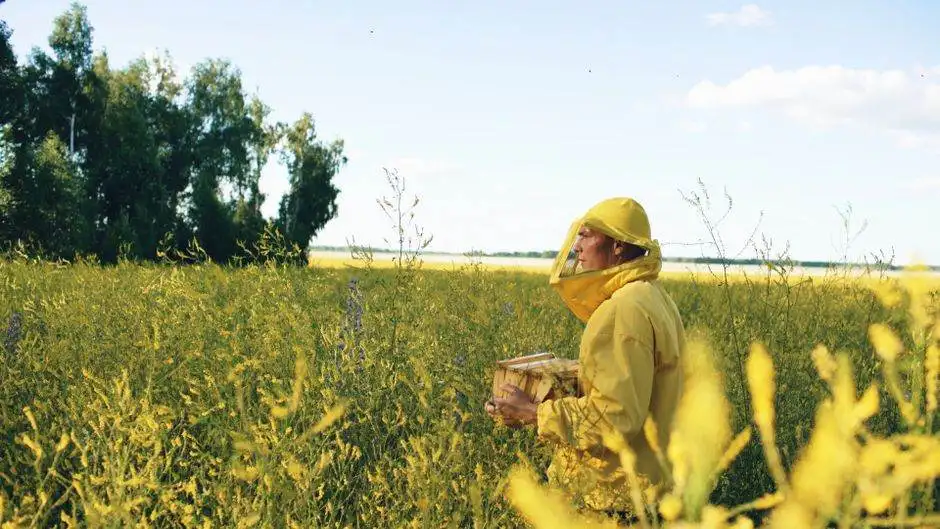
A label that just says “wildflower” is a shrug, not a fact. Dig deeper: note the state, county, or farm. That geography tells you what probably bloomed while hives were active. In much of the U.S., early summer means clover, late summer leans goldenrod, and spring often brings basswood or tulip poplar. No label? Research where you bought it and pull up local bloom charts. Why this matters: the dominant flower is the lead singer; everything else harmonizes around it. Ignore it and you’re guessing.
2. Taste the Honey in Three Passes to Isolate Its Floral Signature
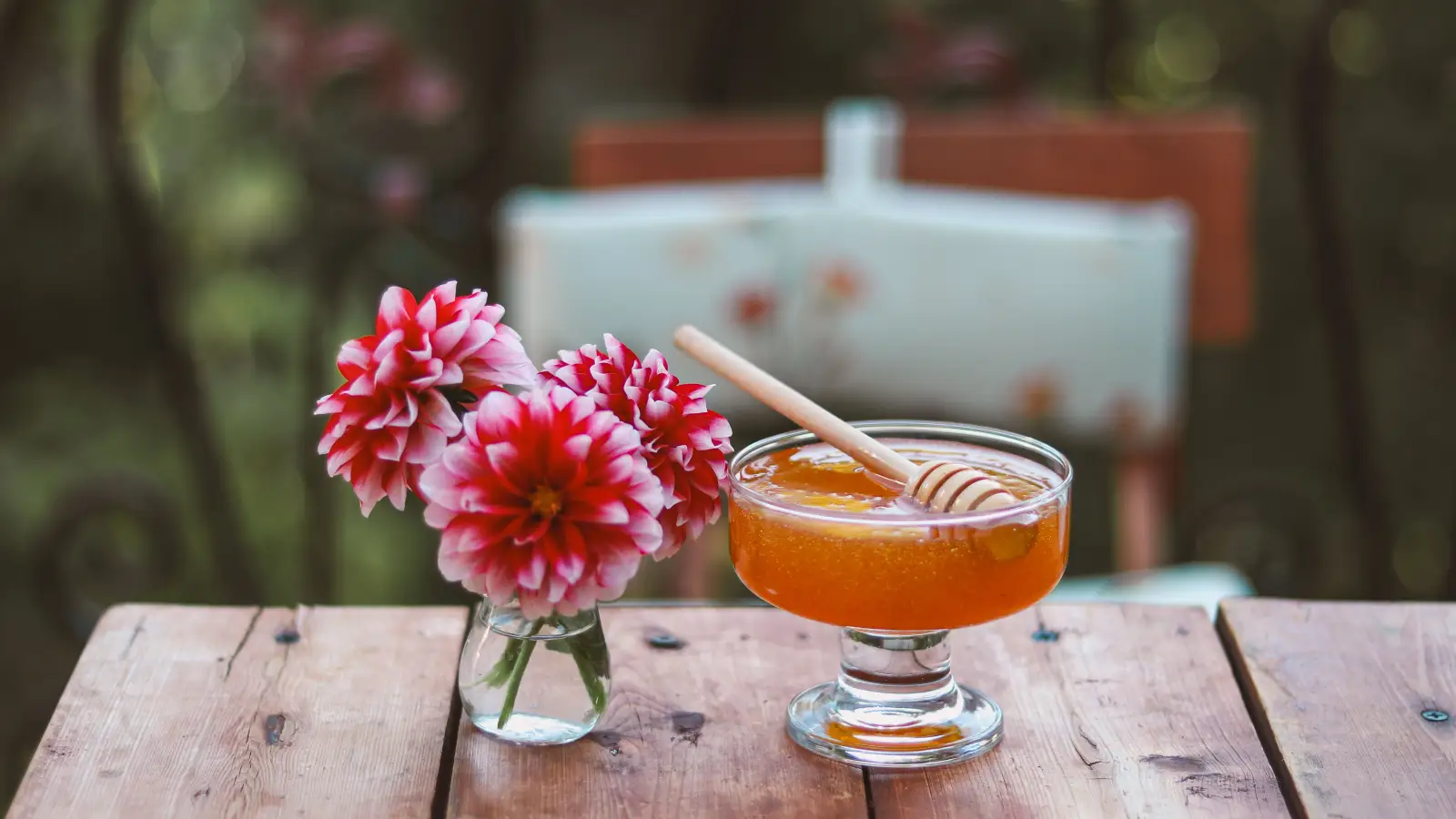
Take a small spoonful. First pass: note the top-line aroma and immediate sweetness—grassy, floral, resinous? Second pass: slow down and hunt the mid-palate. Clover often whispers fresh hay and vanilla; goldenrod can hit like butter and black pepper. Third pass: pay attention to the finish—clean or a little bitter? Rinse with water and chew a plain cracker between tastings. This methodical three-stage tasting is the fastest way to hear what the bees actually collected, not what the label implies.
3. Classify the Honey’s Character and Map It to a Flavor Family
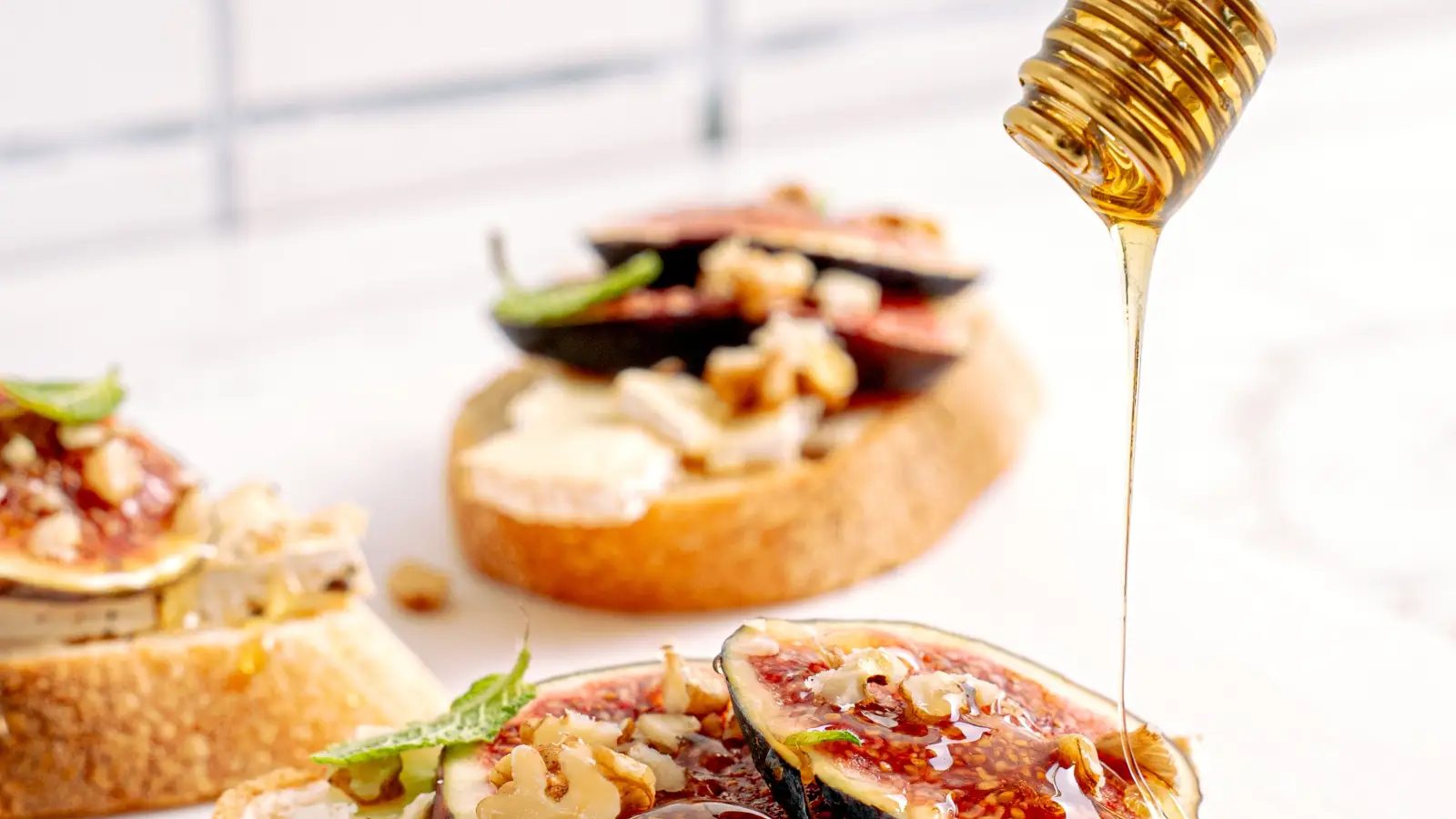
Drop the dominant notes into one of four buckets: delicate floral (clover, alfalfa, fireweed), robust herbal (goldenrod, buckwheat, avocado), fruity or berry-touched (sourwood, tupelo, raspberry blossom), or resinous/woody (eucalyptus, manuka, pine). Delicate florals love fresh chèvre, brioche, and strawberries. Robust herbals handle aged gouda, dense rye, and roasted peaches. Fruity honeys sing with blue cheese, cornbread, and apricots. Resinous kinds stand up to sharp pecorino, whole-grain bread, and dried figs. This classification is what transforms “wildflower” from a gamble into a repeatable pairing tool.
4. Test Pairings Systematically: Cheese, Bread, Fruit
Place a small piece of food on a plate and add just enough honey to taste both components equally—too much and you’ve got a one-note puddle. Start with the category matches from step three, but also try one intentional contrast: an herbal honey on a sweet pear can create a dynamic bridge. Jot down what works. Over time, you’ll build a mental map that connects specific floral notes to food, rooted in your region’s botany.
Pairing Errors That Break the Botanical Connection
Skipping the Floral Detective Work and Treating All Wildflower Honey as Generic
Without pinning down the dominant flower, every pairing is a shot in the dark. A fireweed-heavy meadow honey tastes entirely different than prairie clover honey. The result: wasted potential and clashing plates.
Matching by Color Instead of Floral Notes
Dark honeys aren’t always bold; light ones aren’t always mild. Avocado honey can be pale and shockingly bitter; chestnut honey, dark and nutty. Color alone misleads. Only the floral profile tells the truth.
Drowning Cheese, Bread, or Fruit in Honey
A heavy pour buries both the honey’s delicate aromas and the food’s flavor. The botanical link works only when both voices are audible. Use a toothpick, spoon tip, or a tiny drizzle.
Skipping the Palate Reset Between Tastings
Even a smear of blue cheese or a bitter rind will cling to your tongue and warp the next honey’s taste. Water and plain starch between bites aren’t optional—they’re the difference between a curated flight and a confused mess.
Pairing Without Considering Texture and Intensity
Crystallized honey on a fragile cracker overwhelms; thin honey on dense bread vanishes. Match the honey’s body and intensity to the food’s structure, not just the flavor notes.
Frequently Asked Questions
How do I identify which flowers are in my wildflower honey?
Start with the label—look for a region or beekeeper’s story. If that’s absent, taste it against known varietals: clover brings vanilla and grassiness; goldenrod tends toward buttery, slightly peppery notes. Local beekeeping groups and seasonal bloom calendars are your best fallback.
What if I can’t find any floral origin details?
Treat it as a blind tasting. Use steps two and three to slot the honey into one of the four flavor families, then experiment with pairings from that family. The botanical method still works; you’re just reverse-engineering from taste to likely flower group.
Can I use this floral-pairing method with tea or wine?
Absolutely. A delicate floral honey belongs in chamomile or green tea; a robust herbal honey pairs with smoky black tea or oolong; a resinous honey brightens a bold red wine. The rule is the same: match the dominant floral note to the drink’s weight and character.
Does older wildflower honey lose its botanical specificity?
Yes—volatile aromatics fade over time, and the flavor edges soften toward a generic sweetness. Store honey in a cool, dark place and use it within 12–18 months for the clearest floral signature. Older honey still pairs, but the botanical detail will be muted.
Are there fruits that clash badly with certain floral notes?
High-acid citrus can turn aggressively bitter with herbal honeys like goldenrod or buckwheat; very ripe tropical fruits can flatten delicate florals. Test tiny amounts first, and often a pinch of salt or a buttery element rescues the combination.
From Mystery Jar to Intentional Pairing: Your Next Step
You can now open a jar of wildflower honey and read it as a landscape of the flowers the bees worked. The dominant notes aren’t anonymous sweetness—they’re a set of signals you can use to build better cheese plates, fruit salads, and bread pairings. The logical next move: grab two single-flower honeys from different regions (Maine blueberry vs. California orange blossom, for instance) and compare their pairing behavior using this same classification system. The more floral vocabulary you accumulate, the sharper your pairing instincts become.