Unfiltered honey does not relieve seasonal allergies, and allergists want you to know why. The idea—along with the twin beliefs that unfiltered automatically means raw and that commercial honey is stripped of anything beneficial—collapses once you look at what pollen actually does, how the FDA regulates labels, and which bioactives survive processing.
Does eating local unfiltered honey help with seasonal allergies?
No, it doesn't. The immune system reacts to airborne pollen from wind-pollinated plants—trees, grasses, weeds—that never needed bees to carry their grains. Bees visit flowers, and that pollen is not what makes people sneeze. Even assuming some stray airborne pollen ended up in a jar, the amount you'd get from a spoonful is trivial compared to the controlled doses used in immunotherapy. The American College of Allergy, Asthma & Immunology has stated clearly that there is no evidence behind this practice, and it's not for lack of trying to find some.
Is unfiltered honey the same as raw honey?
Not reliably. "Unfiltered" simply means the honey wasn't forced through a fine filter to remove visible bits like pollen and wax, but it may still have been warmed enough to stay liquid or slow down crystallization. That gentle heating disqualifies it from being truly raw, which is generally understood as never heated above hive-ambient temperature. The FDA doesn't define "raw" on labels—leaving it as a marketing term with no legal teeth. If you want raw, you're better off ignoring that word alone and looking for phrases like "cold-extracted" or "never heated" on the jar.
So what does the FDA say about pollen and honey labels?
The FDA requires honey to be free of adulteration and properly identified, but it sets no minimum pollen content. A producer can't claim a specific pollen count on the label unless it can be verified, and added pollen must be declared. The agency has sent warning letters to companies making unfounded allergy-treatment claims. The takeaway: pollen is not a legal marker of purity or quality, and its presence—or absence—does not decide whether something can be sold as honey.
Does commercial honey have any of the same bioactives as unfiltered honey?
Yes, many of them. Fine filtering removes pollen and other suspended particles, but it doesn't pull out all the enzymes, antioxidants, and phenolic compounds. Darker honeys are especially rich in flavonoids and organic acids that survive standard processing. Heat can degrade glucose oxidase, an enzyme that produces hydrogen peroxide, but plenty of other bioactives remain intact. The notion that store-bought honey is just colored sugar water ignores what actually holds up after filtration.
Can the pollen in unfiltered honey trigger an allergic reaction?
It can, but only rarely. The pollen in honey mostly comes from insect-pollinated flowers, which generally don't trigger hay fever. Still, airborne pollen—ragweed, grass, some tree pollen—can fall onto blossoms and get mixed in. For someone with severe seasonal allergies or asthma, that trace contamination could provoke a reaction, though documented anaphylaxis is extremely uncommon. People with bee-venom allergy need their own caution: bee parts can end up in unfiltered honey.
Why don’t allergy doctors suggest honey instead of immunotherapy?
Immunotherapy relies on standardized extracts of exactly the allergens a patient reacts to, delivered in measured, escalating doses that retrain the immune system predictably. Honey offers none of that—no guaranteed pollen type, no control over dose, no consistency from jar to jar. Invoking it as a stand-in for allergy shots isn't just unsupported, it's a mismatch of mechanism. The right analogy isn't a gentle exposure therapy; it's something closer to eating a random handful of weed seeds for a grass allergy.
What about raw honey—does that mean it contains pollen?
Usually, yes. Raw honey is taken straight from the comb without heat and passed through only a coarse strainer, so most of the natural pollen remains. But pollen levels vary wildly depending on which flowers the bees visited and even the size of the strainer. Some raw honey can be surprisingly low in pollen, because a nectar source like certain tree blossoms yields very little. Using pollen content as a proxy for health claims ignores this natural variability.
Are there any proven benefits to eating honey, then?
Honey has real, documented effects. It's antimicrobial—hydrogen peroxide and low pH do that—and it works as a cough suppressant for children over age one. Antioxidants in darker varieties like buckwheat or manuka are well-studied. Notably, these benefits don't hinge on whether the honey is unfiltered. Plenty of clinical trials use pasteurized honey, precisely because it's consistent and safe, and they still see results.
How can I tell if honey is actually unfiltered and raw?
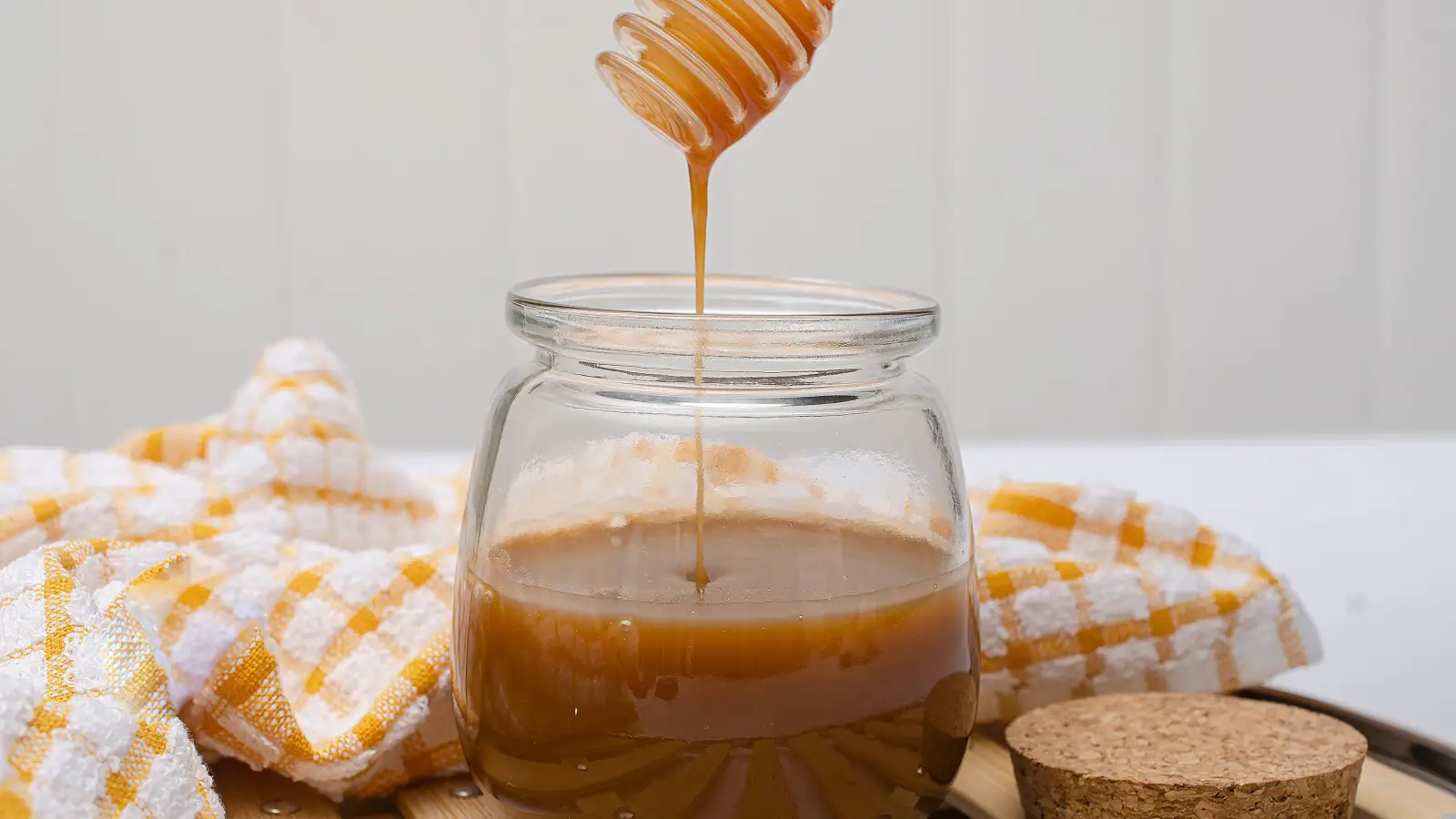
Start with what you see. Unfiltered honey tends to be cloudy and may develop a layer of sediment—pollen and wax particles that settle. Raw honey crystallizes noticeably faster than heated honey. If a jar labeled "unfiltered" stays perfectly clear and fluid for months at room temperature, heat was almost certainly involved, and that means it's not raw. The most reliable cue comes from small producers who describe their method: "cold-spun, only coarse-strained" tells you far more than a single word on the front label.
Beyond the myths: what else should you look into?
If the allergy conversation left you wondering what honey can actually deliver, the next step depends on your goal. For cough relief or wound care, look for honey with a tested antibacterial level, like medical-grade manuka. If flavor is the target, single-origin varietals—orange blossom, tupelo, Greek fir—show how much the plant source matters, far more than filtration ever could. And if seasonal allergies are still a problem, the real move is a conversation with an allergist about skin testing and proven immunotherapy, not another trip to the honey shelf.