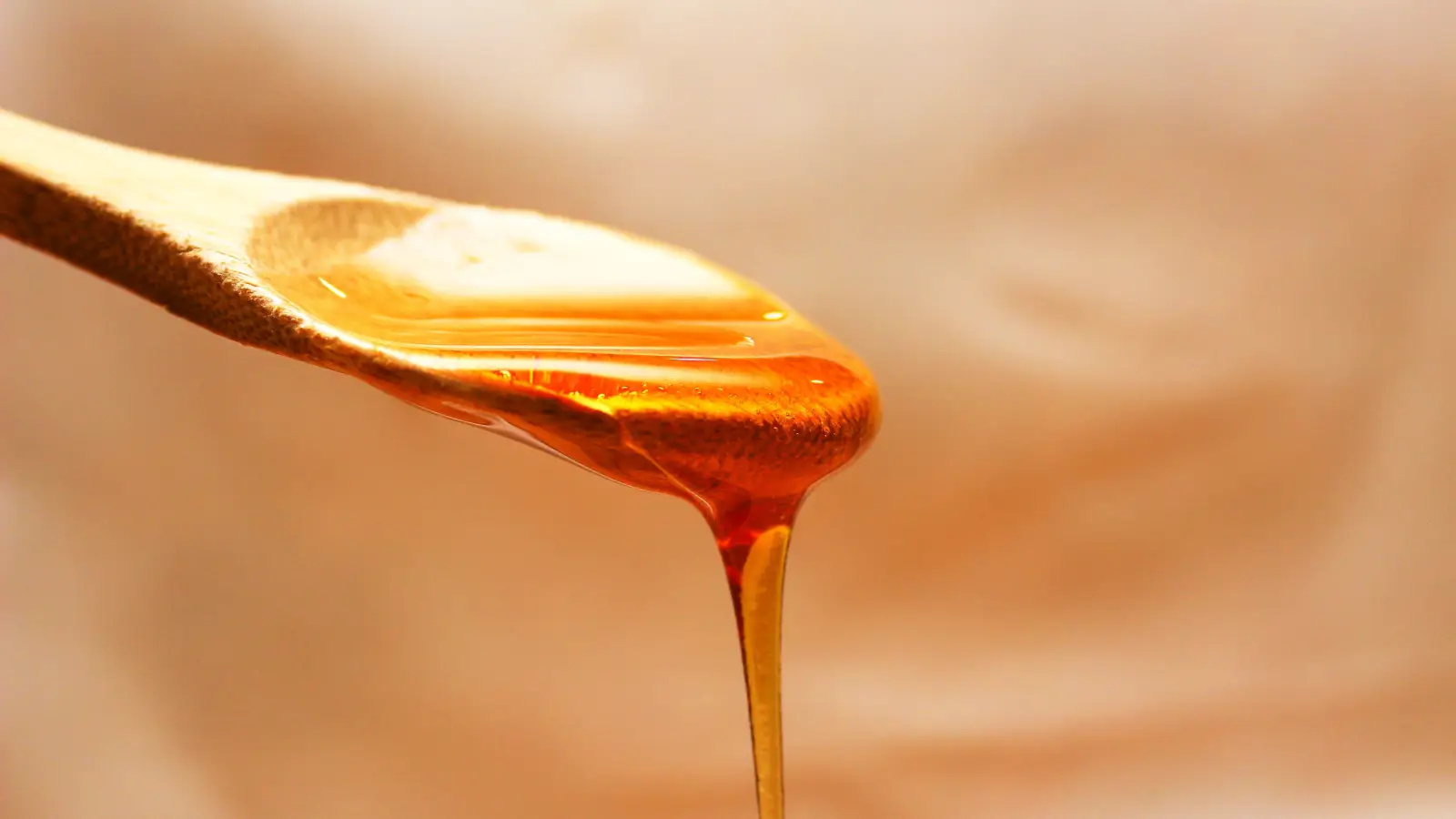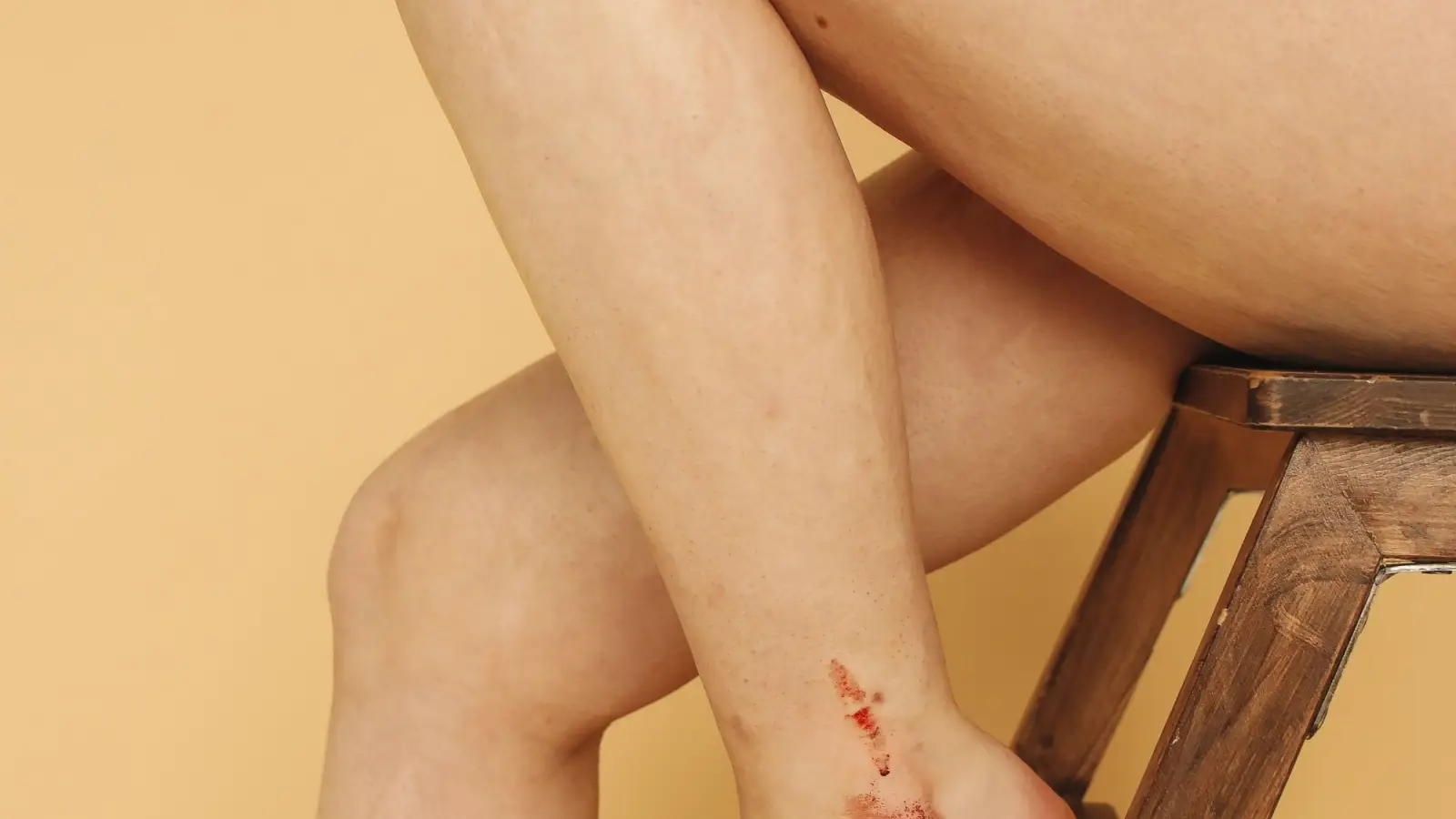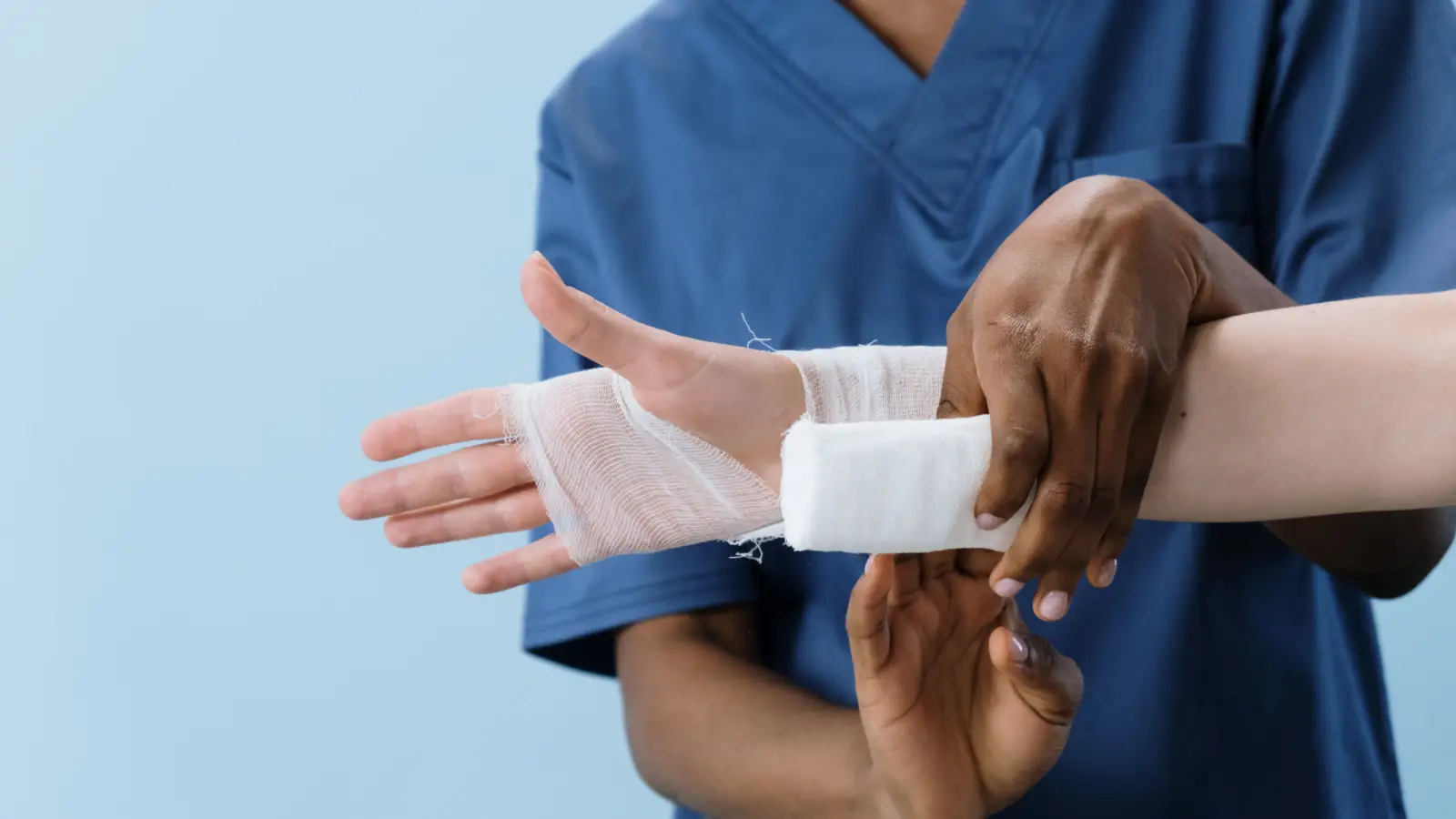
Clinical research demonstrates that medical-grade honey can contribute to wound closure, primarily by reducing bacterial load and maintaining a moist environment. The effect is not uniform; it shifts with the honey’s floral source, wound etiology, and the rigor of the trial that reports it.
This article dissects what laboratory and clinical investigations have revealed about honey’s proposed mechanisms, which honeys are tested, how studies are structured, and what safety data actually show. The analysis stays strictly within the published evidence and makes no medical recommendations.
Mechanisms That Laboratory Data Support, and Where Translation Gets Uncertain
In vitro and animal work has mapped several biological pathways. The challenge is that each requires specific wound-bed conditions to matter in a person, and those conditions are rarely fully controlled in trials.
Osmotic Pull and Moisture Balance
High sugar concentration draws fluid into the dressing, creating the moist interface that accelerates epithelial migration. In the lab, this dehydration also disrupts biofilms. The clinical catch is that excessive exudate can dilute the honey, weakening the osmotic gradient; undocumented dressing-change schedules in many trials make it hard to know when this threshold was crossed.
Low pH and Its Dual Role
A pH range of roughly 3.2 to 4.5 inhibits Staphylococcus aureus and Pseudomonas aeruginosa in culture. Acidity also shifts the oxygen-dissociation curve, theoretically improving tissue oxygenation. However, wound pH is dynamic—heavily contaminated wounds often swing alkaline—and honey’s buffering effect may be overestimated when not measured directly at the wound surface during treatment.
Antimicrobial Agents: Hydrogen Peroxide and Methylglyoxal
Most honeys generate hydrogen peroxide upon dilution via glucose oxidase, producing a sustained, low-level antimicrobial output. Certain Leptospermum honeys (manuka) contribute a separate, non-peroxide mechanism through methylglyoxal. In vitro, methylglyoxal disrupts bacterial cell walls and quorum sensing. Yet its reactivity in protein-rich wound fluid likely reduces the effective concentration at the tissue interface; the in vivo data consistently show a narrower activity window than petri dishes predict.
Inflammation Modulation
Some honey extracts reduce pro-inflammatory cytokines and reactive oxygen species in cell cultures. That may hasten the switch from inflammation to proliferation. The dose-response curve, however, is flat in many studies—beyond a certain concentration, additional honey does not further suppress inflammation, and mechanisms like cytotoxicity to fibroblasts begin to appear in certain lines. Trialists rarely titrate honey application to a measured anti-inflammatory endpoint, leaving a translational gap.
Honeys Selected for Clinical Investigation, and Why That Selection Matters
Only a narrow set of honeys meets the reproducibility requirements of rigorous research, and that narrowness shapes what the literature can claim.
Medical-Grade Products as the Research Baseline
Gamma-irradiated medical-grade honey (e.g., Revamil, Medihoney) is the standard in trials because it eliminates Clostridium spores without destroying glucose oxidase or other bioactives. This sterilization step is not a technical detail; it is the line between a testable wound-care product and an uncontrolled food item. When a trial reports no botulism, that safety record applies only to irradiated honey.
Manuka and the Dependence on Non-Peroxide Activity
Manuka honey dominates the clinical wound literature because its non-peroxide activity (NPA) can be measured and batch-certified. That measurability allows dose-response studies and cross-trial comparisons that are impossible with unrated honeys. The trade-off is that the evidence base becomes almost synonymous with one floral type, and findings may not generalize to other honeys with different antibacterial profiles.
Less-Standardized Honeys
Stingless bee honey, rosemary honey, and polyfloral blends occasionally appear in studies. They frequently show in vitro inhibition but lack the standardized activity grading that makes manuka trials interpretable. Without batch-level potency data, positive results could reflect a particularly active collection rather than a reproducible treatment effect. This heterogeneity is why meta-analyses often exclude them.
How Trial Architecture Shapes the Conclusions
What a trial “reveals” depends heavily on its design choices; ignoring those choices inflates confidence in the reported numbers.
Randomization, Blinding, and the Honey Visibility Problem
Honey dressings are visually and tactilely distinct from hydrogel or saline gauze. True blinding is almost impossible, which makes honey trials inherently susceptible to performance and detection biases. Most studies are small and single-center. Systematic reviews consistently rate the overall evidence as having a moderate to high risk of bias, and this limits how strongly one can interpret a positive finding.
Endpoint Heterogeneity
Studies measure wound closure in different ways—percentage area reduction at a fixed time point, time to complete epithelialization, or three-point scales. Some also track bacterial load, exudate, or pain. The lack of a core outcome set means that even when results point the same direction, they often measure different things, making pooled estimates fragile.
Duration and Dropout Rates
Short trials (two to four weeks) may catch early differences in acute wounds but miss recurrence. Long trials for chronic ulcers struggle with patient dropout, particularly in diabetic populations. When an intention-to-treat analysis is absent, lost patients can tilt the results in either direction.
Wound-Specific Findings That Withstand Scrutiny
Burns
Meta-analyses of randomized trials indicate that honey dressings can shorten partial-thickness burn healing time by approximately 4 to 5 days compared to conventional care. This is the most consistent signal in the literature, though the level of bias in contributing studies tempers confidence. Honey also appears to reduce bacterial colonization in burn wounds, but it does not obviate the need for surgical debridement when indicated.
Chronic Leg and Diabetic Ulcers
The data are mixed. Some systematic reviews report a small benefit for wound closure, especially in diabetic foot ulcers when honey is added to standard offloading. However, several large, well-conducted trials found no significant advantage for venous ulcers over standard dressings. The effect, if real, is far from universal and likely depends on baseline infection, ulcer duration, and whether compression therapy is optimized.
Surgical and Graft Sites
The evidence is thin but directionally positive. A few RCTs report lower infection rates and better cosmetic scores after cesarean section with honey dressings. In skin graft donor sites, faster epithelialization and less pain appear in some comparisons, though it is often unclear whether the dressing’s occlusiveness or the honey itself drives the outcome.
Safety Signals That Jump Off the Trial Data
Transient Pain and Skin Maceration
Across multiple trials, the most frequent complaint is stinging on application—especially in fresh burns—and maceration when excess moisture accumulates. These are manageable but real enough to affect adherence.
The Spore Contamination Line
No clinical trial using irradiated medical-grade honey has reported wound botulism. In contrast, case reports link raw honey to this serious infection in deep wounds. The evidence therefore draws a hard line: safety data apply only to sterilized products.
Antibiotic Resistance and Biofilms
Honey’s multi-target action theoretically reduces resistance development, but no trial has tracked resistance emergence longitudinally. Biofilm disruption has been demonstrated in vitro, but in vivo confirmation is still sparse. Claims that honey is a “resistance-proof” agent overreach the data.
Key Takeaways
- Medical-grade honey, not raw store-bought honey, is the sole product type that generates the safety and efficacy data from clinical trials.
- Osmotic, pH, hydrogen peroxide, and methylglyoxal mechanisms are well described in the lab, but clinical relevance varies with wound fluid composition, pH shifts, and dressing-change frequency.
- Manuka honey is the most studied because its non-peroxide activity can be quantified, making trials reproducible; other honeys lack comparable standardization.
- Trial design weaknesses—non-blinding, small samples, and inconsistent endpoints—mean that even positive meta-analyses must be read with caution.
- Burns produce the most consistent benefit signal; chronic ulcer results are mixed and heavily context-dependent.
- Safety records are strong for gamma-irradiated honey and absent for unprocessed honey, which carries a documented botulism risk.
Frequently Asked Questions
Is manuka honey the only honey used in clinical wound trials?
No. Medical-grade honeys such as Revamil also feature, and some trials test multi-floral or stingless bee honeys. But manuka dominates because its antimicrobial activity can be measured and batch-certified, which is essential for reproducible research.
Can the honey from a grocery store be used on a wound?
Clinical trials do not endorse this. Grocery honey is unsterilized, its potency is unknown, and it may contain spores that cause wound botulism. The entire clinical evidence base is built on gamma-irradiated medical-grade products.
What is the difference between medical-grade honey and raw honey?
Medical-grade honey is sterilized by gamma irradiation to remove bacterial spores while preserving bioactive molecules, and it is tested for consistent antimicrobial activity. Raw honey is unprocessed and variable; none of the safety data from trials applies to it.
Do honey dressings work better than silver dressings?
Comparison trials yield no clear winner. Some show honey equally effective with less host-cell cytotoxicity; others favor silver for short-term bacterial reduction. The choice hinges on wound characteristics, cost, and patient tolerance, not a universal superiority.
How quickly can honey heal a wound in a trial setting?
Healing times differ by wound type. Partial-thickness burns have shown a 4–5-day shortening in some meta-analyses, but chronic ulcers often require weeks and the benefit is inconsistent. Trials do not support rapid overnight healing.
Conclusion
Honey wound-healing research, when stripped of overstatement, presents a biologically active dressing that can accelerate closure under specific, well-controlled conditions. The signal is clearest for burns and most uncertain for chronic ulcers, and the evidence is consistently constrained by small trials without blinding. No single study elevates honey above standard care; instead, the weight of cumulative data places it as a potentially useful adjunct when a standardized, sterilized product is used within a comprehensive wound management plan.
The most productive next step for anyone evaluating this research is to consult the systematic reviews and trial registries that filter for study quality and product standardization. The patterns that matter are visible only when one examines the data through the lens of trial design, not through isolated success stories.