Honey can help a wound heal—but only if you reach for the right jar and use it the right way. The five mistakes that turn a kitchen remedy into a health risk are: grabbing raw, unprocessed honey; ignoring that you might be allergic; slathering it on a deep or puncture wound; forgetting to clean the skin first; and leaving the same honey dressing on too long. Each of these choices can lead to infection, a sudden rash, or a wound that simply refuses to close.
If you’ve already tried honey and something is not right, the symptoms you are seeing right now point straight to the mistake that was made. Here is how to match what you are looking at with what likely went wrong—and what to do about it.
Two Warning Signs That Honey Is Hurting, Not Healing
Which of these matches what you are seeing? Pick the one that fits, then jump to that section.
- The wound is redder, hotter, or more swollen than before – usually a sign of contamination or irritation.
- A rash, hives, or intense itching has appeared near the wound – points toward an allergic reaction.
- You notice a foul smell, yellow or green drainage, or the pain is getting worse – likely a bacterial infection.
- The wound looks unchanged or worse after three days of honey use – suggests the wound type itself was never suited for honey.
Increasing Redness, Swelling, or Heat Around the Wound
Likely Cause: Non-Sterile Honey Irritation or Contamination
Raw honey naturally carries pollen, bee debris, bacteria, and sometimes dormant Clostridium botulinum spores. When that mix touches broken skin, the body often reacts with redness and swelling. In rare cases, those spores can germinate in a deep wound and cause wound botulism—a serious, slow-developing illness.
How to Confirm It
Gently clean the area with sterile saline or lukewarm water. If redness extends well past the wound edges, feels warm, or comes with a low fever, infection is likely setting in.
Fix: Clean, Disinfect, and Switch to a Safe Dressing
Remove every trace of honey. Wash with soap and water, pat dry with a clean cloth, and apply a dab of over-the-counter antibiotic ointment. Cover with a sterile bandage. Do not put honey back on.
What to Expect
Mild irritation clears up within a day. If redness spreads, pain keeps climbing, or a fever develops, get medical help—this cannot be fixed at home.
Sudden Rash, Hives, or Itching Near the Wound
Likely Cause: Allergic Reaction to Bee-Derived Proteins or Pollen
Honey holds tiny amounts of pollen and proteins from bees. For someone sensitive to bee venom, certain plant pollens, or propolis, skin contact can trigger localized hives or, rarely, a body-wide reaction.
How to Tell
The rash appears within minutes to an hour, often as raised, itchy bumps. If you also feel tightness in the throat, lip swelling, or trouble breathing, that is an emergency—act fast.
Fix: Stop Exposure and Treat the Reaction
Wash the honey off immediately with cool water. Take an oral antihistamine for mild skin symptoms. Do not test honey on any wound again.
When to Get Help
Swelling beyond the wound, breathing difficulty, or dizziness means call emergency services. Even a mild rash should be mentioned to a doctor, because a second exposure can be far worse.
Foul Odor, Yellow Drainage, or Worsening Pain
Likely Cause: Bacterial Overgrowth from Contaminated Honey
Non-sterile honey can introduce bacteria like staph or strep into the wound. The sugars draw moisture, and without a clean start, that damp pocket can feed bacteria rather than fight them.
How to Confirm
Thick, cloudy, or yellow-green drainage with a strong odor is a clear red flag. The surrounding skin often feels tight and tender.
Fix: Seek Professional Wound Care
Do not try to drain or scrub this at home. A healthcare provider will clean the wound properly, decide if antibiotics are needed, and dress it correctly. More honey will not solve this.
What to Expect
With proper care, infection signs usually fade in two to three days. Waiting only lets the trouble dig deeper into tissue.
The Wound Looks the Same or Worse After 3 Days
Likely Cause: Using Honey on a Wound That Needs Medical Intervention
Deep cuts, puncture injuries, or wounds from animal bites or dirty objects need professional flushing, possible closure, and often a tetanus update. Honey cannot clean out a puncture track or close a gaping wound.
How to Tell
If the wound edges are far apart, you saw deep tissue, bone, or tendon, or the object that caused the injury was dirty, rusty, or animal-related, honey was never the first step.
Fix: Get Evaluated Urgently
Stop using honey. Cover the wound with a clean cloth and go to urgent care or an emergency room. Tetanus boosters and antibiotics are standard here.
What to Expect
Once properly cleaned and closed, these wounds heal like any other—but delay turns a minor procedure into a complicated one.
If You’ve Already Applied Honey and Something Feels Wrong
These steps calm minor irritations no matter which mistake was made. They do not replace professional care when warning signs are clear.
- Remove the honey gently – Use saline or clean, cool water and soft gauze. Do not scrub.
- Clean the wound – Wash with mild soap and water, then pat dry.
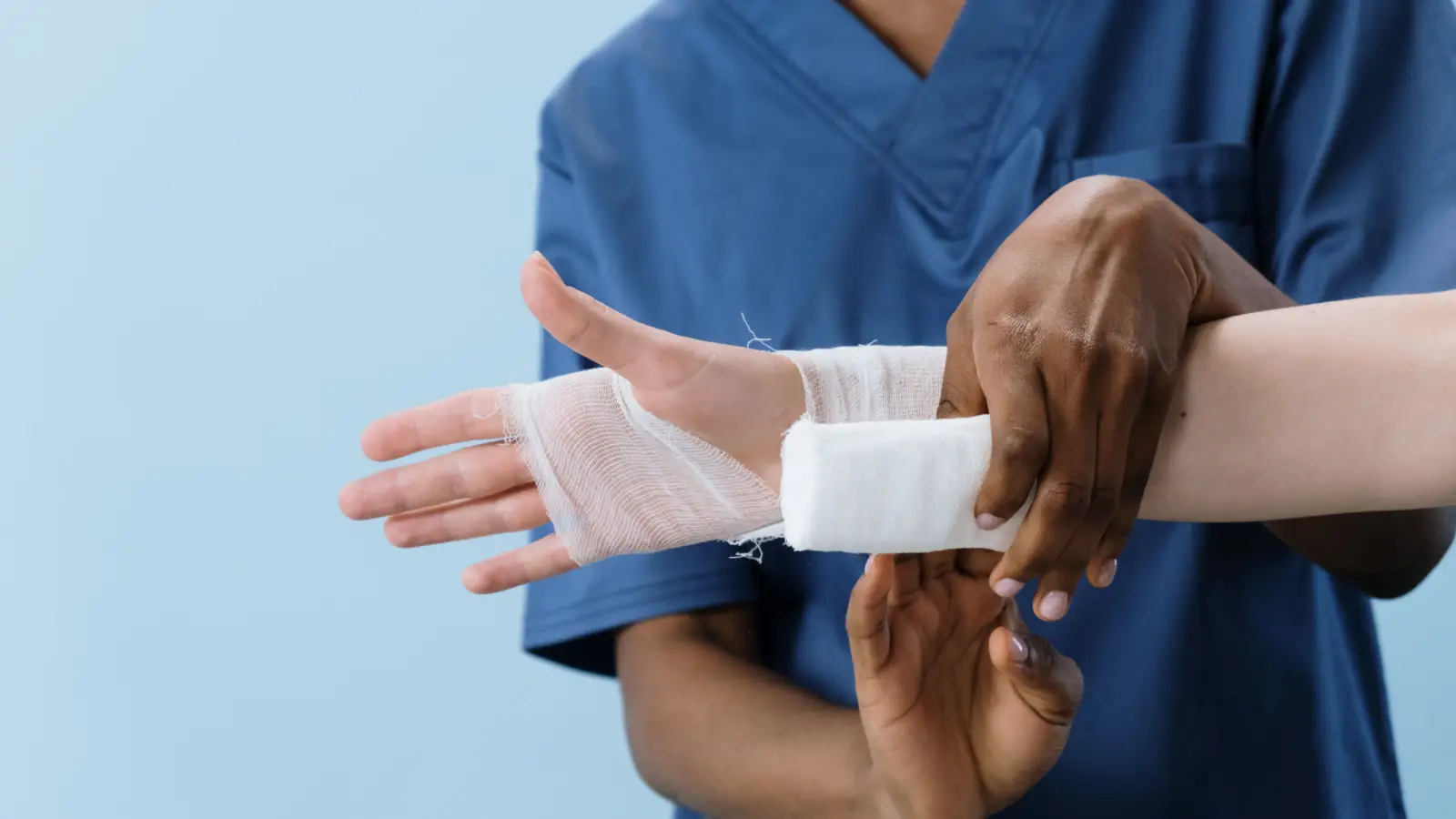
- Apply a sterile dressing – A plain sterile gauze or over-the-counter hydrocolloid bandage protects the wound without adding new contaminants.
- Monitor closely – Check every 12 hours for spreading redness, more pain, or drainage.
When these steps help: mild irritation on a small, superficial scratch. When they waste time: any hint of infection, allergic reaction, or a wound deeper than a paper cut—get professional help.
How to Keep This from Happening Again
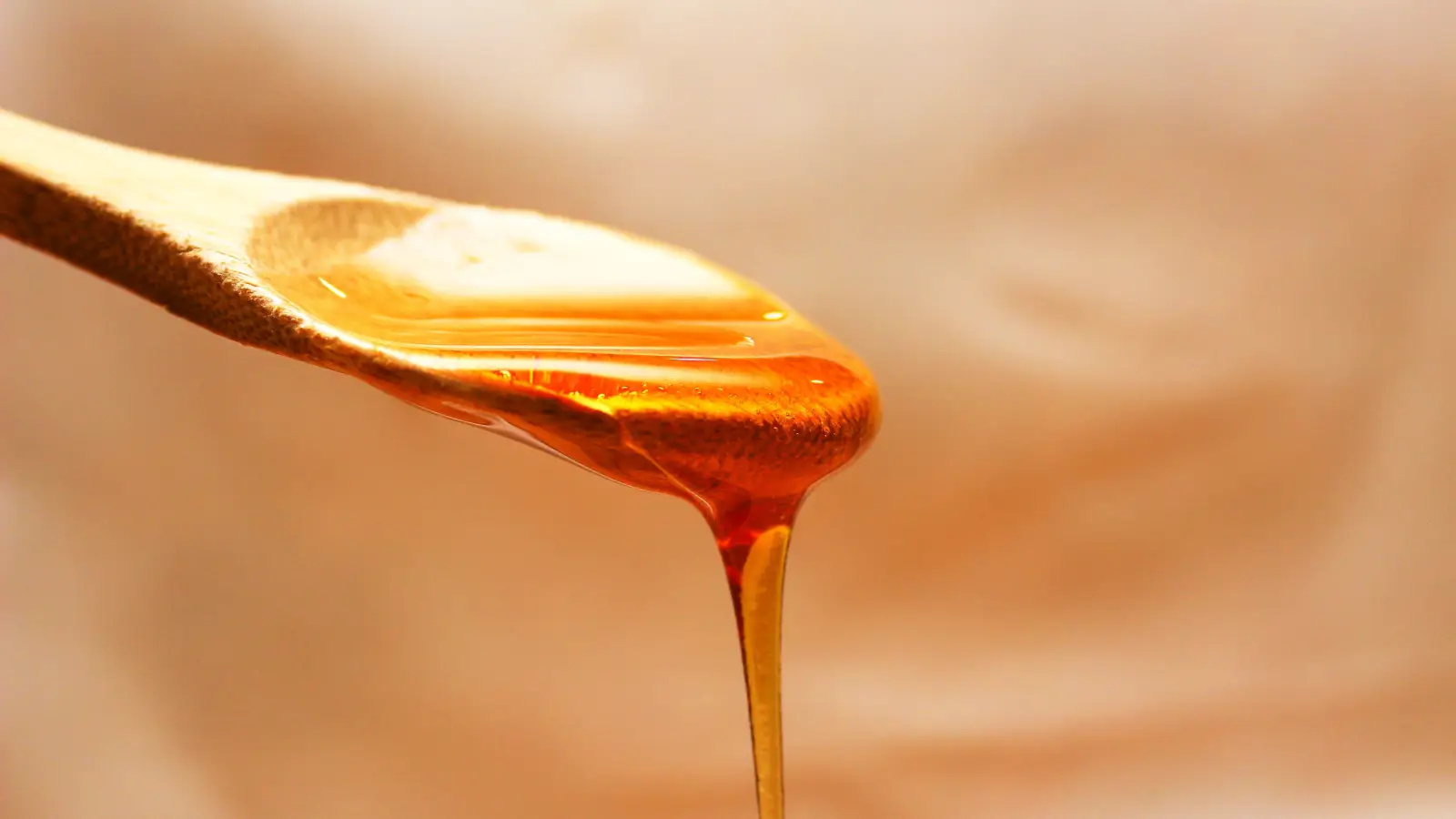
- Use only medical-grade honey. Jars labeled “medical-grade” or “Manuka honey with certified UMF 10+” are sterilized and spore-free. The honey from the kitchen is not.
- Do a patch test. Dab a tiny bit on healthy skin and wait 24 hours. Any redness or itching means a full-blown reaction could follow on broken skin.
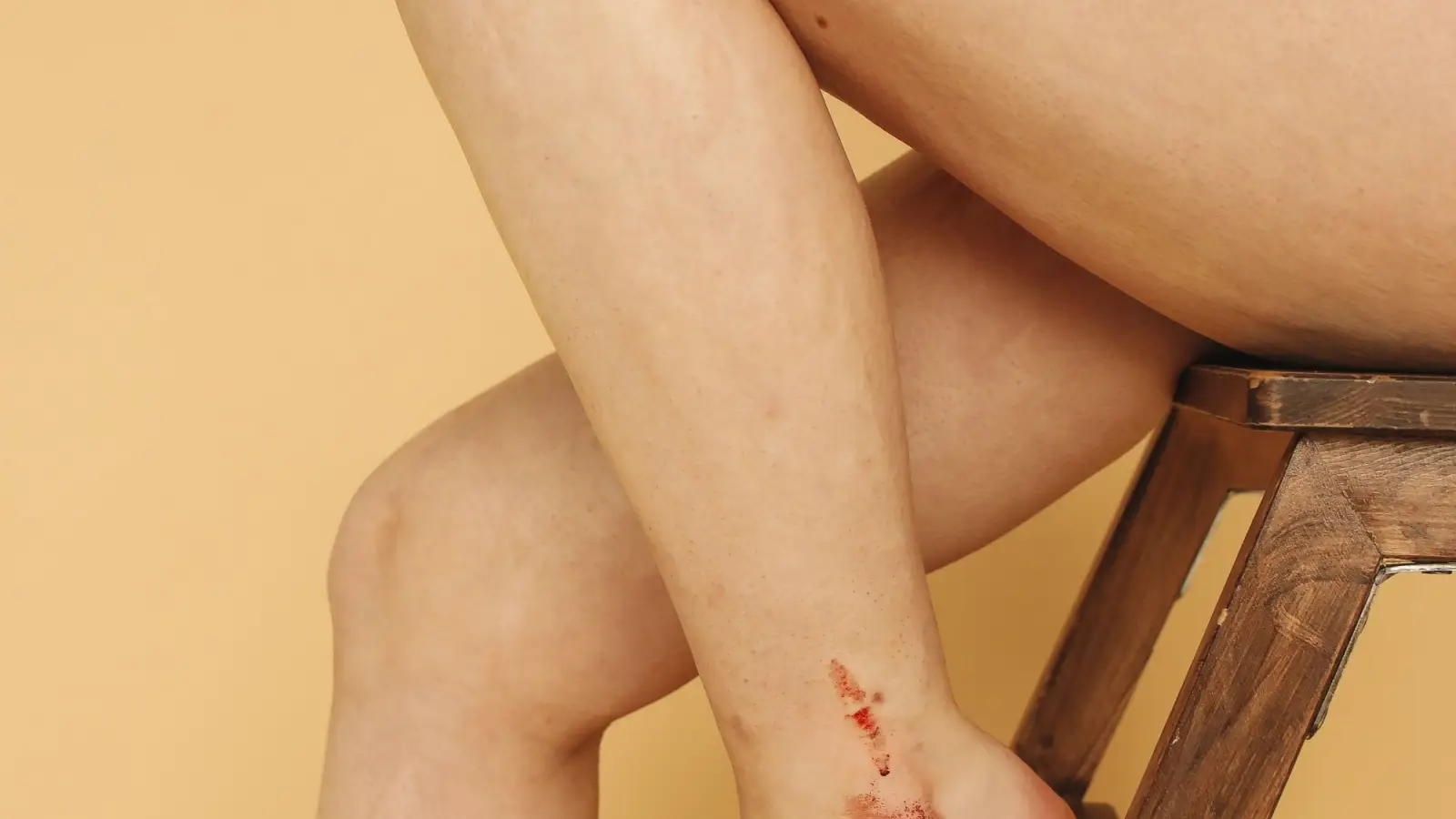
- Reserve honey for minor wounds. Small scrapes, shallow cuts, and superficial burns are the limit. Deep wounds, animal bites, and surgical incisions belong in a doctor’s hands.
- Clean the wound first. Trapping debris under a dressing—honey or not—invites infection. Flush the area with clean water before applying anything.
- Change the dressing daily. Honey’s germ-fighting power fades as it mixes with wound fluid. A fresh layer every 12–24 hours keeps the environment safer.
Common Questions About Honey and Wound Safety
Can honey cause botulism in a wound?
Yes. Raw honey can contain Clostridium botulinum spores. In a deep wound with little oxygen, those spores can activate and produce a nerve toxin, causing wound botulism—which begins with muscle weakness and can affect breathing. That is why only sterilized honey belongs on skin.
Is it safe to use store-bought honey on a cut?
No, unless the label clearly states it is sterilized or medical-grade. Grocery store honey is a food, not a wound-care product. Even a small cut can become infected from bacteria or spores in untreated honey.
What’s the difference between medical honey and regular honey?
Medical honey goes through irradiation or fine filtration to remove spores and is tested for consistent antimicrobial strength. It is packaged in sterile containers. Regular honey is delicious on toast but not designed for open skin.
How do I know if I’m allergic to honey?
Redness, itching, or bumps after skin contact are solid clues. A known allergy to bee stings, pollen, or propolis raises the risk, making any honey-on-skin use a gamble.
Can I use honey on a burn?
Only medical-grade honey on a superficial first-degree burn—reddened skin without blisters. Cool the burn under running water first. Never put honey on a blistered or charred burn; those need professional care.
If Nothing Improves: What to Gather Before Seeking Care
If after removing the honey and cleaning the wound the redness still spreads, pain surges, or a fever appears, it is time for medical help. Before you go, write down:
- When you first applied the honey and what kind it was (raw, store-bought, medical-grade).
- How many times you reapplied it and when you last changed the dressing.
- Your symptoms in order: when redness, swelling, or drainage started.
- Any personal or family history of bee-sting or pollen allergies.
Take the honey container with you if you still have it. That detail helps a doctor figure out quickly whether spores, allergens, or common bacteria are driving the problem—and treat you faster.