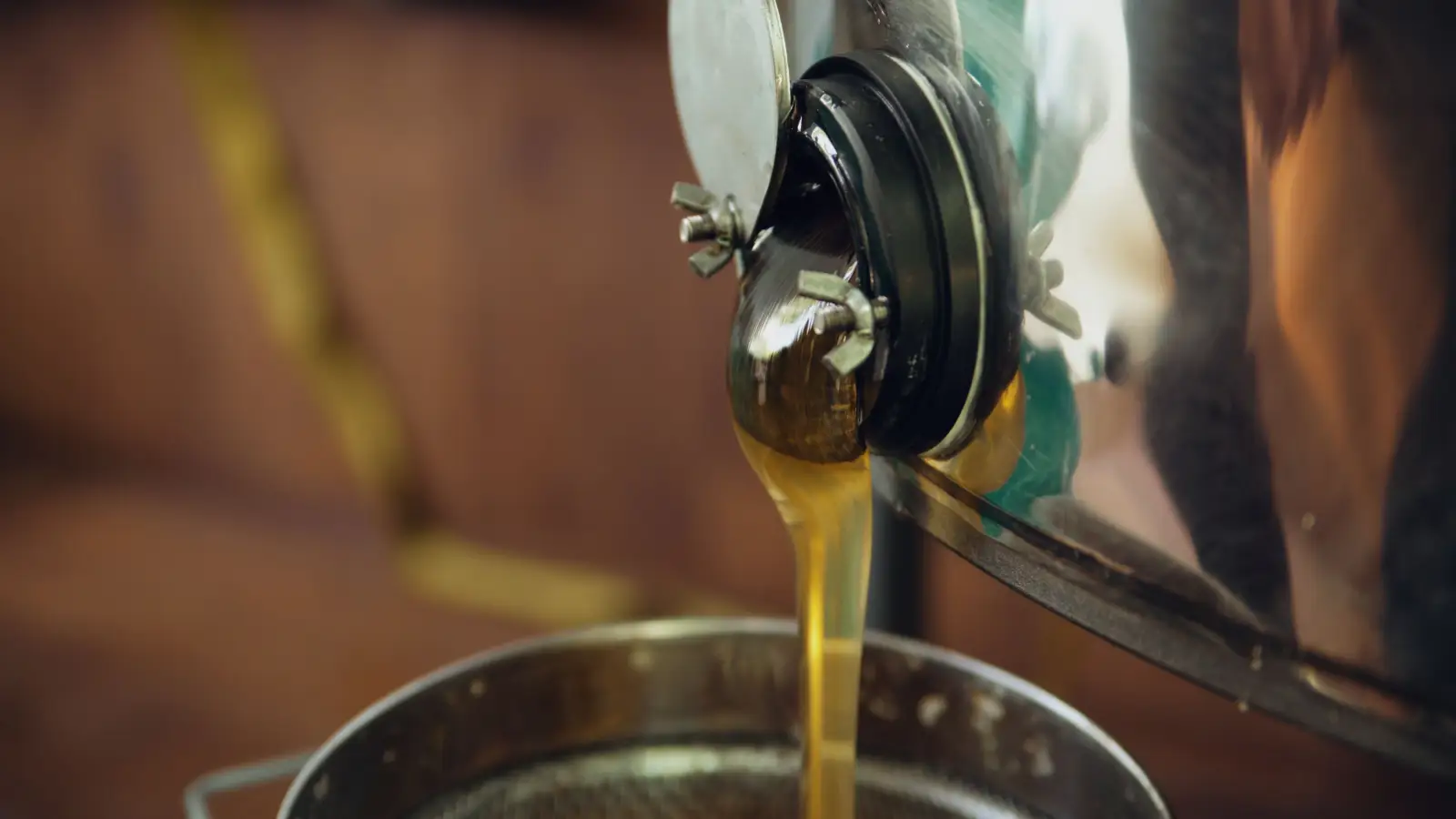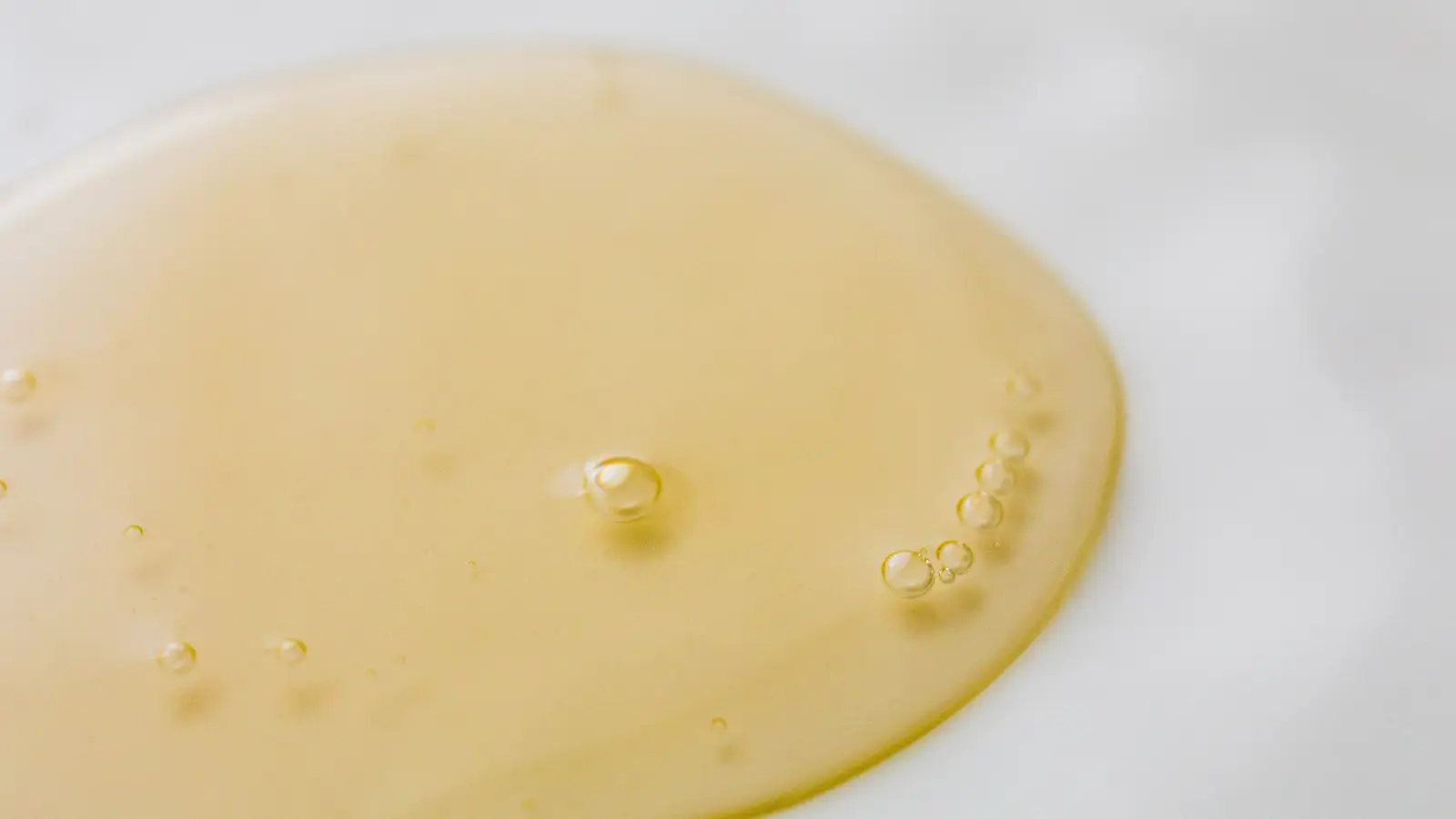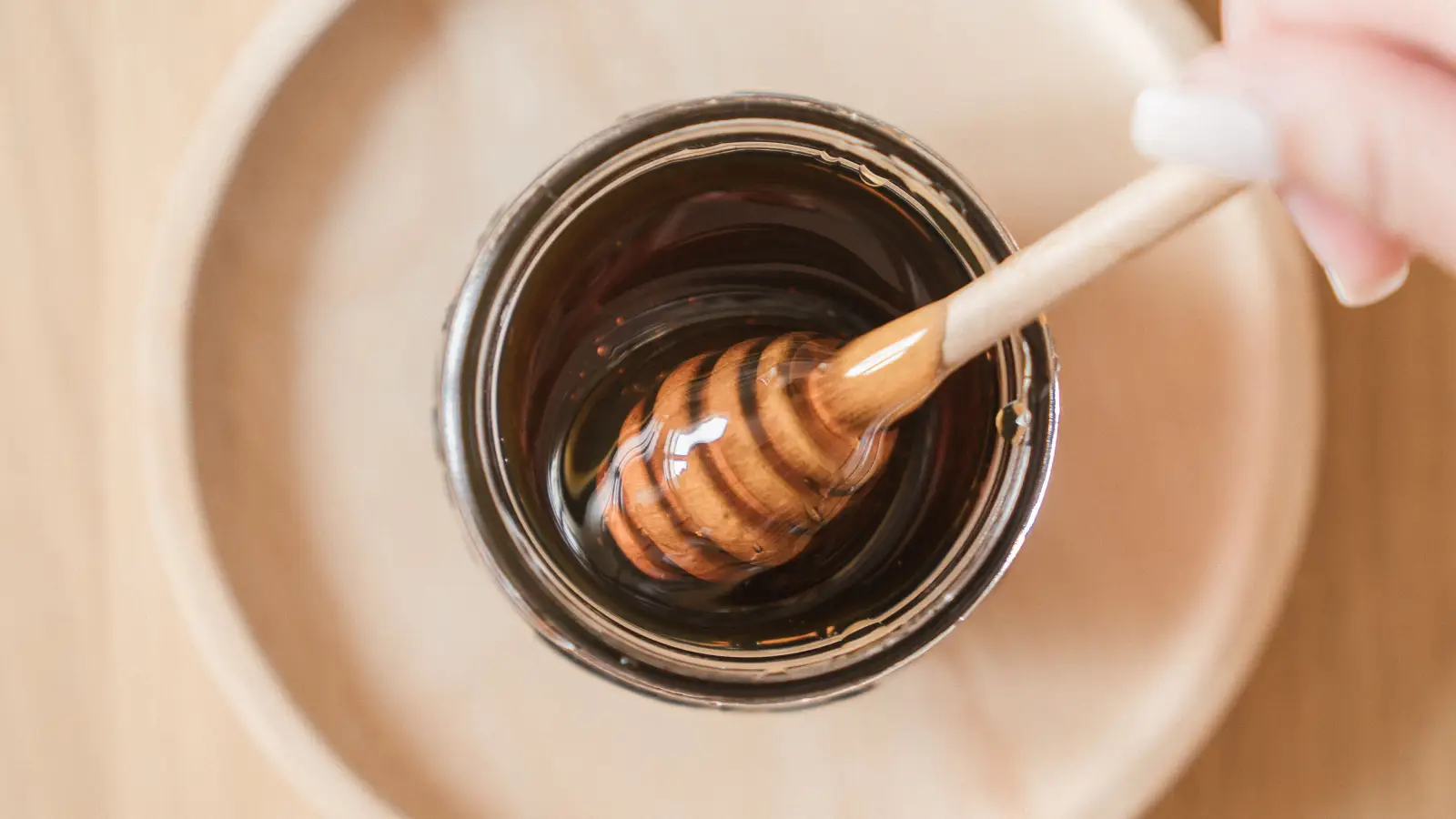
Foam on the surface, a sour or yeasty smell, and tiny bubbles moving through the jar are reliable signs that honey has started fermenting. These signals are different from the harmless, crunchy grain of crystallized honey, which keeps its normal sweetness. A quick check of what the jar looks like and smells like lets you decide whether the honey is still usable.
Which Appearance Fits Your Jar?
Compare your honey to the three descriptions below. Each one leads to a different path in the sections that follow.
- Grainy, firm texture with a typical sweet smell: Crystallization. The honey may be opaque or solid, but it does not smell off.
- Thin foam floating on top, together with a faint yeasty or vinegary note: Early fermentation. The foam often resembles a pale film, and the smell is noticeably different from floral honey.
- A lid that bows outward or is hard to twist open, visible bubbles throughout the liquid, and a sharp sour or alcohol odor: Advanced fermentation. Pressure from carbon dioxide has built up.
If the Honey Is Crunchy but Smells Normal
Confirming Crystallization
Take a spoonful. A grainy, stiff consistency that tastes normally sweet, without any tang, confirms crystallization. Natural honey granulates over time, especially when stored below 50°F (10°C).
Returning It to a Smooth State
Set the sealed jar in a bowl of warm water no hotter than 104°F (40°C). Stir carefully every few minutes. The crystals dissolve gradually. Do not use a microwave; the uneven heat can burn the honey. Once liquid, it stays clear longer when kept at a steady room temperature.
What to Expect
In 30 to 60 minutes, the honey turns smooth again. The quality stays the same.
When a Layer of Foam and a Yeasty Odor Appear
Likely Cause: Excess Moisture
Honey carries natural wild yeasts. When the water content climbs above roughly 18%—because the jar was left open in a humid room, a wet spoon was dipped in, or the lid did not seal—those yeasts feed on sugars. They produce carbon dioxide and alcohols, and eventually acetic acid. The foam is a byproduct.
Confirming Early Fermentation
Remove the lid and smell carefully. A yeasty, bread-like aroma or a sharp vinegar edge confirms fermentation. Stir the honey gently; if fine bubbles rise to the surface, gas is being generated. One or two large bubbles from pouring are not a sign of trouble.
Steps to Take
When the smell is mild and no mold is visible, the honey can often be used for cooking or baking. Skim the foam from the top with a clean spoon and decant the remaining honey into a sterilized, dry jar. Refrigerate immediately to slow yeast activity, and use the honey within one to two weeks. If the sour smell is strong, discard the jar—at that stage the flavor is too compromised and mold may follow.
When the Lid Bulges and the Jar Hisses
Likely Cause: Pressurized Fermentation
A dome-shaped lid or a pop sound upon opening means fermentation has produced enough carbon dioxide to pressurize the container. Open the jar over a sink with care.
Confirming Advanced Fermentation
Check the lid for distortion. After opening, listen for a hiss and watch for a steady stream of tiny bubbles rising. A sharp alcohol or vinegar smell is the final confirmation.
What to Do
Do not tighten the lid again; pressure can rebuild. This honey is rarely pleasant to eat directly. A large batch might be usable in baking—heat diminishes off flavors somewhat—but taste a tiny amount first. If it has a harsh or metallic note, throw it out. The safest decision is to discard any jar that smells like nail polish remover (ethyl acetate), which points to uncontrolled fermentation.
Mild-Case Recovery Steps
These steps apply only to honey with a light foam or faint smell, not to jars that are already fizzy or strongly sour. They are unlikely to rescue seriously fermented honey.
- Skim and move: Lift off any foam with a clean utensil, then pour the honey into a dry, sterilized glass container. Leaving the sediment behind reduces the chance of renewed fermentation.
- Cool it down: Refrigeration slows yeast metabolism considerably. Keep the jar cold and use the honey within 10 days for the best quality.
- Heat-treat as a last option: Heating to 150°F (65°C) for 15 minutes kills yeast but also destroys beneficial enzymes and delicate aromas. Do this only when the honey is bound for baked goods or marinades, not for raw consumption.
These measures waste time when the lid is already bulging, the vinegar smell is strong, or mold spots have appeared. In those cases, disposal is the practical choice.
Habits That Prevent Fermentation
Fermentation starts because honey picks up extra moisture or sits in a warm environment. A few consistent storage practices stop it.
- Tighten the lid right after use: Even a few minutes of exposure in a humid kitchen can raise the water content of the surface layer.
- Pick a cool, dry pantry: Avoid cabinets near the stove, dishwasher, or window. Temperature swings and steam accelerate problems.
- Use only dry spoons: A damp utensil introduces exactly the moisture yeast needs.
- Keep raw honey out of the refrigerator for long-term storage: Chilling speeds crystallization, and condensation formed inside a cold jar can feed fermentation later when the honey warms up.
- Source honey from careful producers: Beekeepers who harvest only capped honey (cells sealed with wax) minimize the risk of high moisture. A direct question about their target moisture percentage can reveal how experienced they are.
When Self-Diagnosis Hits a Wall
If the honey still smells wrong or develops new foam a day after trying these steps, the fermentation is too advanced for home recovery. Before seeking outside advice, collect this information:
- When the honey was bought and what type it is.
- Storage details: temperature, how often the jar was opened, any rust on the lid.
- A precise description of the smell (yeasty, vinegar, alcohol, solvent-like) and what you saw (foam color, bubble action, lid shape).
Bring those facts to a local beekeepers’ group, a university food science extension, or a knowledgeable online forum. Their assessment will help you decide whether the batch can be safely baked with or should be thrown away. In most situations, heavily fermented honey is not worth the risk.