When hair snaps off in the brush and feels rough to the touch, a simple mask at home can reverse some of that damage. This recipe uses only three things—raw honey, coconut oil, and Greek yogurt—with weights measured on a scale, a set time limit, and a cold-water rinse that prevents the cloying stickiness many honey treatments leave behind.
What You Need: 60g Honey, 15g Oil, 25g Yogurt — and a Digital Scale
No guessing. Each ingredient has a clear job, and the gram amounts keep everything balanced.
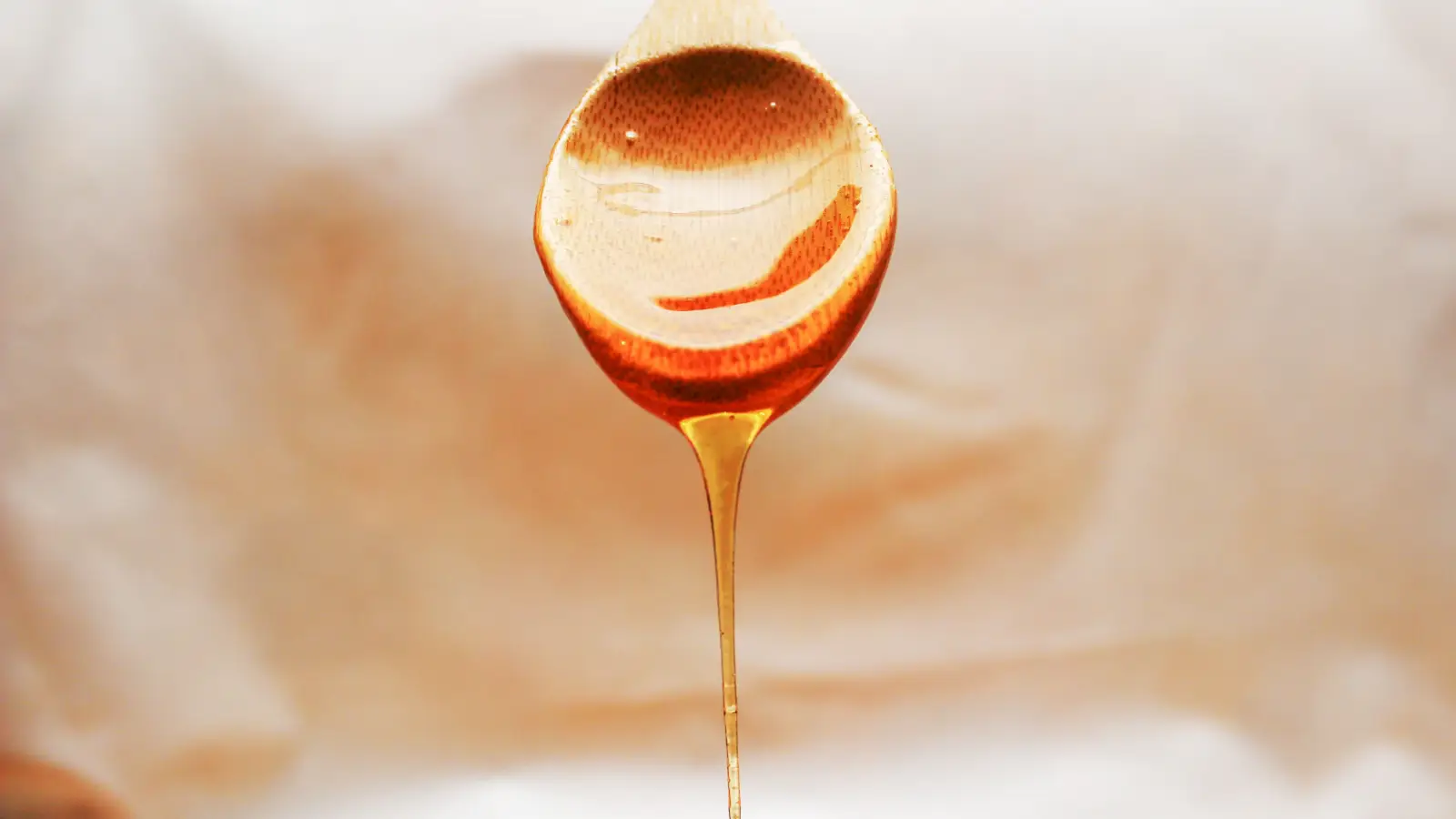
- 60 grams raw, unfiltered honey: It draws moisture from the air into the hair shaft. Raw honey keeps the enzymes and trace pollen that processed honey loses; those mild acids and antioxidants help the cuticle hold onto hydration.
- 15 grams virgin coconut oil: The molecules are small enough to slip inside the hair cortex, not just sit on top. It cuts down protein loss from within while smoothing the outer layer.
- 25 grams plain whole-milk Greek yogurt: The casein and whey proteins temporarily fill gaps in damaged strands, giving them back some tensile strength. Its lactic acid also clears away old product buildup so the honey and oil can actually reach the shaft.
- A digital kitchen scale that reads in 1-gram steps. Honey’s density and yogurt’s moisture content change from jar to jar; a scale is the only way to get a mix that rinses clean instead of leaving a film.
- Small glass bowl, silicone spatula, plastic shower cap, and an old towel you don’t mind staining.
Bring everything to room temperature before you start. Cold yogurt can seize up honey, and heating the mixture destroys the honey’s active enzymes—more on that below.
From Scale to Shower — The Step-by-Step Protocol
1. Weigh the Ingredients, Then Stir Until Uniform
Place the bowl on the scale, zero it, and weigh in the 60 g honey. Tare again, add the 15 g coconut oil (if it’s solid, let it soften on the counter for 20 minutes—do not microwave), then the 25 g yogurt. Stir with the spatula for about half a minute until the color is even and no streaks remain. The mixture will look pale and slightly thickened.
2. Section Damp, Detangled Hair
Start with hair that’s towel-dried and free of knots. Damp hair has slightly lifted cuticles, which helps the coconut oil get inside. Divide the hair into four sections with clips. The mask is concentrated, so sections help you cover every strand without using too much.
3. Apply from Mid-Lengths to Ends, Not the Roots
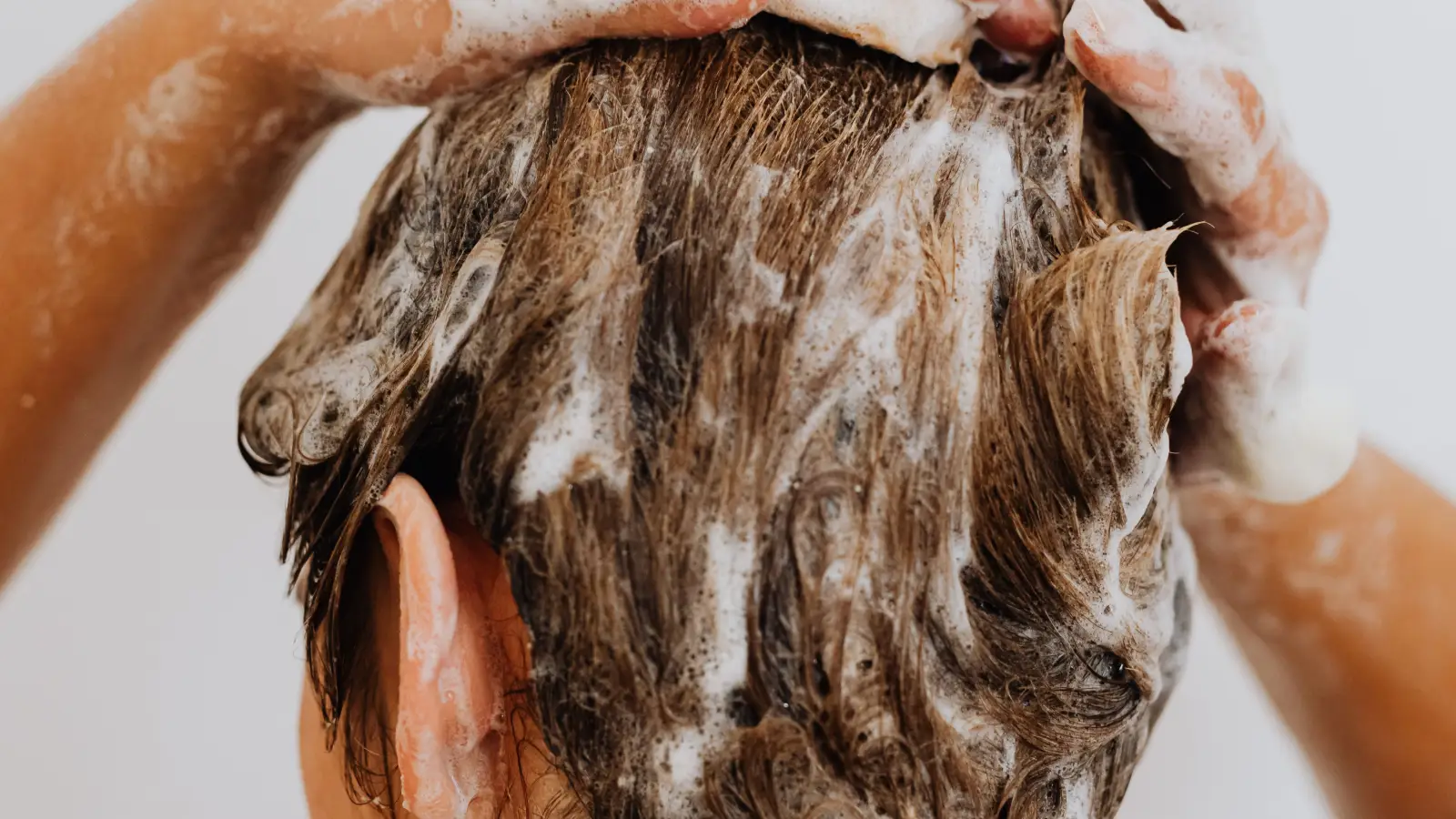
Work the mask through each section with your fingers or a color brush, starting about three inches from the scalp. The scalp produces its own oils; putting honey and oil directly there can weigh roots down and make rinsing much harder. Pin each finished section up before moving to the next.
4. Cover and Wait — Exactly 15 to 25 Minutes
Twist hair into a loose bun, cover it with the plastic cap (body heat under the cap helps the oil flow without denaturing the proteins), and set a timer. For moderately dry hair, 15 minutes is enough for the protein to bind and the honey to hydrate. If your hair snaps easily or feels gummy when wet, go to 20–25 minutes. Do not go past 30 minutes; hair can become stiff and straw-like from too much protein at once.
5. Rinse with Cold Water, No Shampoo
This step is what stops the stickiness. Turn the water as cool as you can handle—roughly 65–75°F (18–24°C). Cold water closes the cuticle and firms up the coconut oil a bit, so it slides off instead of clinging. Let the stream run through the hair while you gently finger-comb to loosen the mask. Do not use shampoo; the yogurt already cleaned away buildup, and shampoo would strip the new proteins. Rinse until the water runs clear and the hair feels smooth, not slippery.
6. Pat Dry and Air-Set
Press moisture out with an old towel (honey can leave a faint tint on light fabrics). Let hair air-dry to avoid heat damage, or use a diffuser on the cool setting. Once dry, the strands should feel denser and less likely to break when you tug gently.
Avoiding the Sticky Aftermath — Mistakes to Watch For
Mistake: Reaching for Processed Honey Instead of Raw
Squeeze-bottle honey has been pasteurized and filtered, which removes the enzymes that help the mask rinse clean. It’s nearly all sugar syrup, and it will coat hair in a stiff film. Use raw honey from a local beekeeper or a jar labeled “raw” and “unfiltered.” The difference in how easily it washes out is striking.
Mistake: Warming the Mask to “Melt” the Coconut Oil
Heat above 95°F (35°C) starts to destroy glucose oxidase, the enzyme in raw honey that gives it a mild cleansing effect. Instead, let the coconut oil sit at room temperature until it softens, or place the sealed jar in warm—never hot—water. Mixing at room temperature keeps the honey’s active parts intact.
Mistake: Forgetting the Cold-Water Rinse
A warm rinse keeps the cuticle lifted and melts the coconut oil deeper into the hair, leaving a greasy film. The cold rinse is not optional if you want to avoid the heavy, sticky feeling that makes people give up on honey treatments. If cold water is too much at once, start tepid and slowly turn it cooler as you rinse.
Mistake: Leaving the Mask On Too Long
Protein helps by filling cracks, but hair can only absorb so much before it becomes too rigid and breaks. Fifteen minutes is a safe window for most. If you push beyond 30, you may need a moisture-only treatment next time to bring the hair back into balance.
Mistake: Applying on Dry Hair
Dry hair has tightly closed cuticles that resist oil absorption. The mask will sit on the surface and feel impossible to remove. A light spritz of water or towel-drying after a wash gives the right starting point.
Questions You Might Have After the Rinse
Can I Swap Coconut Oil for Olive Oil?
Olive oil is a good surface conditioner, but its fatty-acid chains are larger than coconut oil’s, so it doesn’t get as deep into the hair shaft. It will soften the outside but won’t reduce internal protein loss the same way. If you need a substitute, avocado oil comes closer in penetrating ability.
What If I Only Have Pasteurized Honey?
You can still make a conditioning mask, but expect a stickier rinse. Reduce the honey to 45 g and increase the yogurt to 35 g, and rinse with even cooler water. The enzymatic benefit won’t be there, but the mask will still hydrate.
Will the Yogurt Make My Hair Smell Sour?
Not if you rinse thoroughly with cold water. The amount is small, and the honey and oil muffle the scent. Any leftover odor disappears as the hair dries. If it lingers, a final rinse with one tablespoon of apple cider vinegar in a cup of cool water neutralizes it.
How Often Should I Use This Mask?
Once a week is enough for hair that’s dry and snapping. Any more often risks protein buildup and stiffness. If hair still feels dry after a month, check whether it needs more moisture rather than more protein—a honey-only treatment might be the next step.
Why Does Cold Water Work Better Than Warm for Rinsing Out Honey?
Cold water thickens the honey and coconut oil just enough that they separate from the hair as a single film instead of soaking in deeper. Warm water makes them more fluid, pushing them into the hair rather than off it. The cuticle-closing effect is an added benefit.
What That Mask Actually Did — And Your Next Haircare Move
The honey pulled in moisture, the coconut oil slowed protein loss from within, and the yogurt protein filled weak spots. Together, they gave the strands more internal structure and a smoother outer layer. The brittle, crackly feel should be replaced by noticeable flexibility and less breakage when you comb.
For the next wash, choose a sulfate-free shampoo to protect the benefits, and consider a honey-and-aloe moisture treatment if the hair feels balanced but still a little thirsty. If the hair starts feeling stiff again, back off and use a protein-free conditioning mask for a few weeks—pay attention to how your hair responds, and adjust the frequency.