Archaeologists aren’t snubbing ancient honey out of squeamishness. When a jar emerges from a tomb, the contents are often a fermented, watery slop that smells more like mead gone wrong than anything you’d drizzle on toast. The “eternal honey” myth survives on a technicality: honey’s chemistry can keep it stable under lab-perfect conditions, but a burial chamber delivers the exact opposite — moisture, heat, and a porous seal that invites spoilage over enough centuries.
Why the Myth Collides With Real-World Storage
For anyone with a prepper pantry or a sentimental jar of honey from a decade ago, the archaeological record is the ultimate stress test. Stash honey in a hot attic or a damp basement and you’re re-creating a micro-tomb scenario. Knowing which factors actually ruin honey over time means you stop gambling with your food stores — the difference between a safe, stable supply and a jar that’s quietly turning into something you wouldn’t feed a colony of ants.
The Degradation Pathway of Ancient Honey
The same low water activity and acidity that make honey antimicrobial also set up a slow-motion chemical unraveling when conditions tip. Over millennia, these mechanisms flip from preservation to spoilage without much fanfare.
Moisture Content Breaching 18%
Honey’s natural moisture hovers around 17%. Nudge it just above 18% and dormant yeasts throw a party. In a tomb, groundwater seepage or condensation from day-night cycles can push that number up over decades. Archaeologists frequently find jars where the honey has separated into a thin, alcoholic layer — ancient prison hooch, not ambrosia.
Temperature Swings Over Deep Time
Sustained heat kicks the Maillard reaction into overdrive and pumps out hydroxymethylfurfural (HMF), a degradation compound that in high doses is toxic. Egyptian tombs can swing from blistering heat to near-freezing in a single day. Multiply that by 3,000 years and HMF levels can climb into the “do not eat” zone, leaving the honey dark, bitter, and chemically risky.
Porous Clay Containers and Microbial Hitchhikers
Ancient potters weren’t making Tupperware. Clay jars with cloth and wax stoppers are decent barriers against bugs, but against water vapor and oxygen? Not so much. Over centuries, air and dampness sneak in, and the pollen or bee bits already in the honey act as starter cultures — a built-in spoilage timer, just set on slow.
Chemical Breakdown: Acidity and Off-Flavors
Even if microbes never gain a foothold, the honey’s own acids slowly react with sugars, producing furfurals and other compounds that taste like burnt plastic. You could technically eat it without getting sick, but your taste buds would file a complaint immediately.
Misconceptions That Linger About Eternal Honey
The internet loves to repeat that honey found in Egyptian tombs was still edible. That’s half-true at best, and the wrong half.
The Belief That Honey Never Spoils, Period
Yes, honey resists spoiling better than almost any other food. A few samples from exceptionally dry, stable caves have been reportedly edible — but those are the outliers. Most ancient honey tests positive for fermentation or mold. Treating honey as immortal ignores the countless jars in museum storage that reek of vinegar.
The Notion That Crystallized Honey Has Gone Bad
Crystallization is just glucose doing its thing. It’s a physical change, not spoilage. Yet the same person who believes ancient honey is pristine will toss a granulated supermarket jar. That’s a farce.
The Assumption That Sealing Guarantees Preservation
Ceramic is porous, and wax seals crack. Over geological timeframes, even a “sealed” jar turns into a slow leak. The evidence? Mold growing inside jars that were supposedly airtight. Sealing is a speed bump, not a force field.
Finds From Tombs That Tell a Different Story
Take Tutankhamun’s tomb: early reports gushed about liquid honey, but later chemical analysis found elevated moisture and microbial byproducts. It wasn’t ambrosia; it was a science experiment in decay. Similar jars from other New Kingdom burials stank of vinegar. These are artifacts, not condiments.
Frequently Asked Questions About Ancient Honey Edibility
Can you eat 3,000-year-old honey?
Only if your idea of a good time includes botulism spores, yeast metabolites, and unknown mold varieties. Modern food safety guidelines strongly advise against consuming archaeological foodstuffs — it’s a gamble with zero upside.
What makes honey spoil in the first place?
The primary culprits are moisture absorption, which lets yeasts ferment the sugars, and prolonged heat, which accelerates chemical breakdown. Contamination through dust or organic debris also introduces spoilage organisms that would otherwise stay dormant.
Does honey have an expiration date?
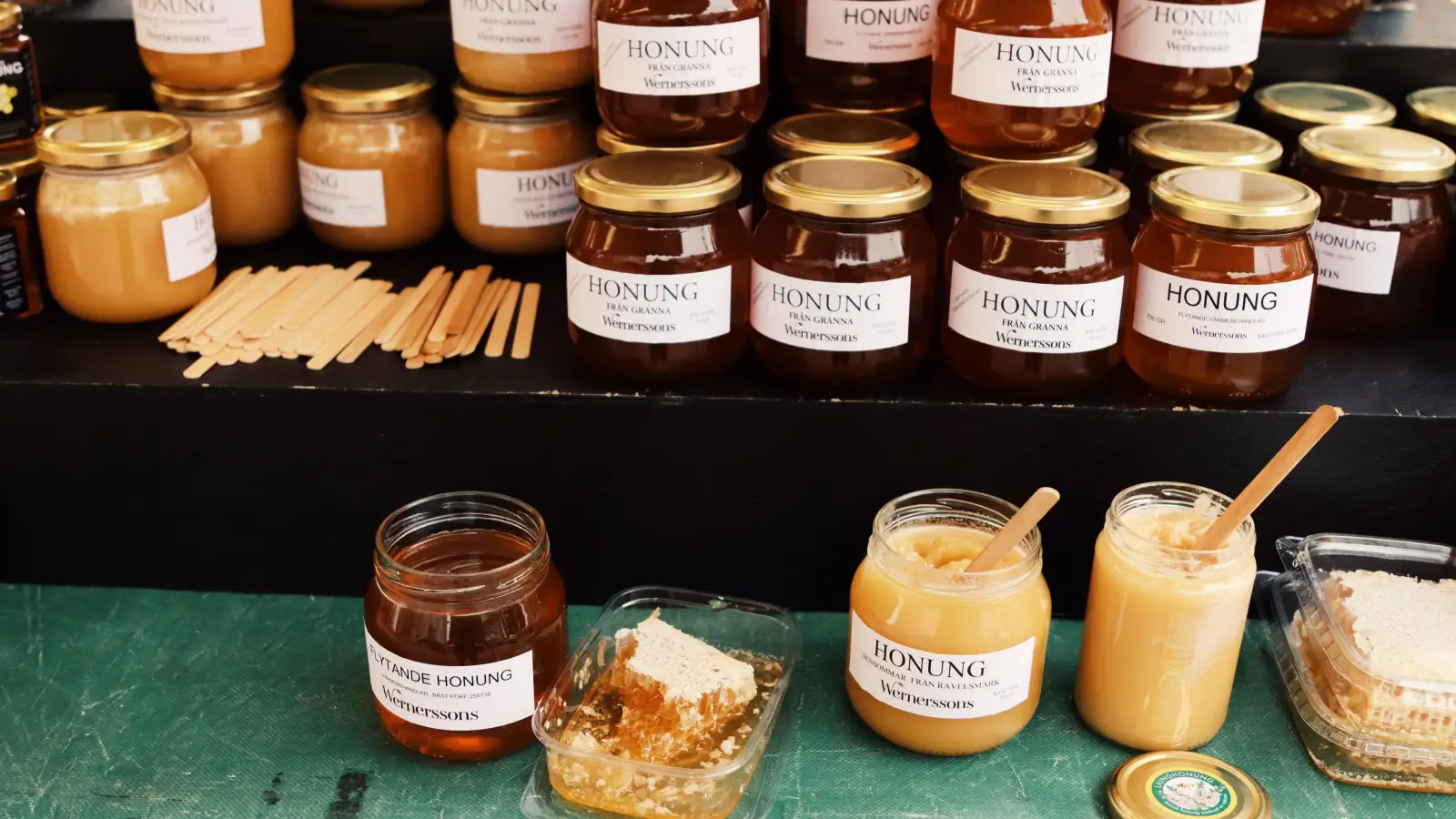
Commercially packaged honey typically carries a “best by” date for quality, not safety. Under ideal storage — cool, dark, and tightly sealed — it can remain safe for decades or longer. But “indefinitely” doesn’t mean “under any conditions,” and a best-by date is a far cry from a 3,000-year guarantee.
Why do archaeologists think ancient honey was spoiled?
When they open jars from tombs, the contents often smell alcoholic, look watery, or show mold growth. Chemical tests frequently detect elevated levels of fermentation products and HMF, signaling degradation well past the point of palatability.
Is crystallized honey safe to eat?
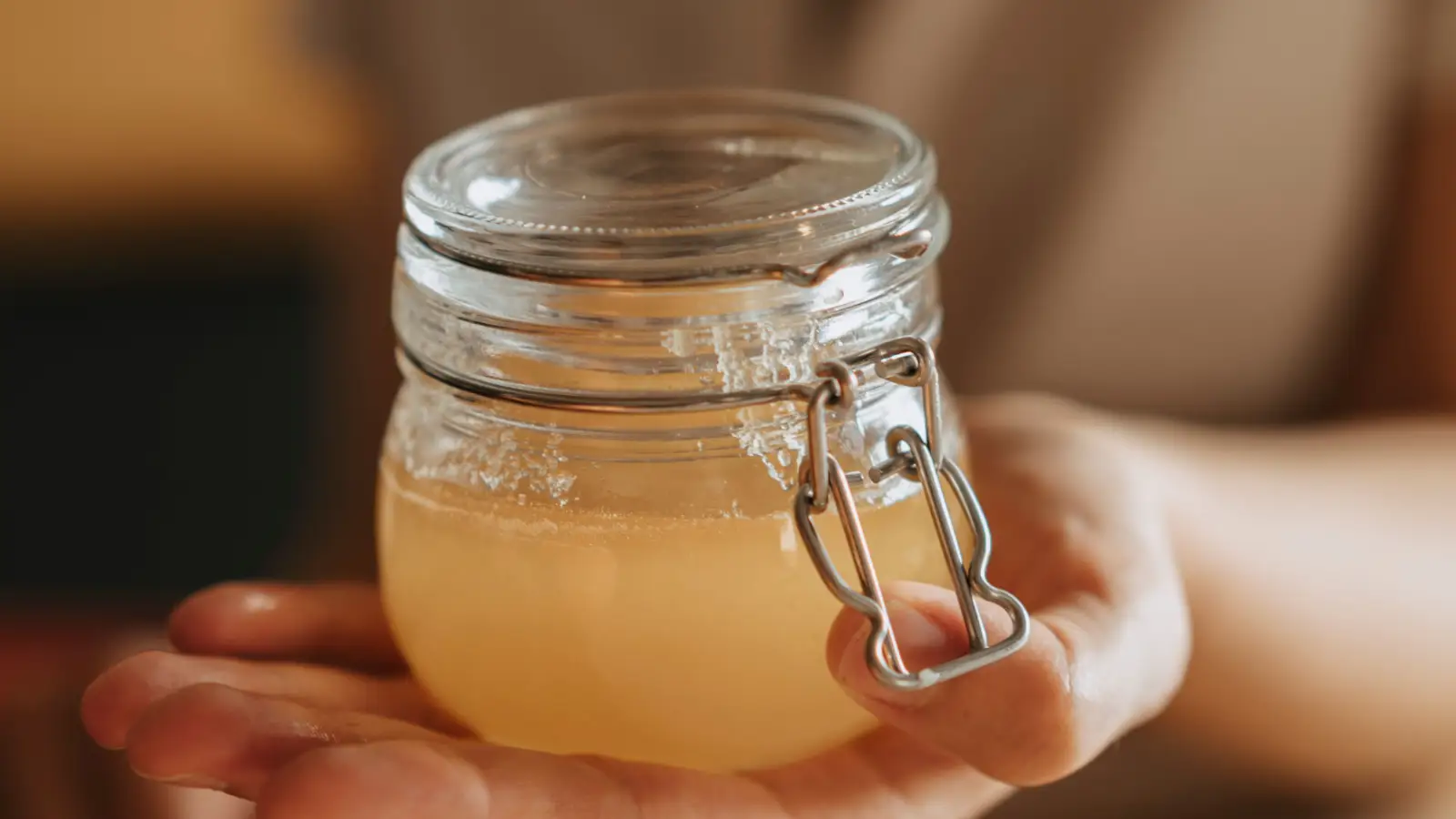
Yes. Crystallization is normal and doesn’t indicate spoilage. Gently warming the jar reliquefies it without harming the honey — that’s not a rescue operation, just a texture fix.
What This Means for Your Own Honey Storage
The takeaway isn’t that honey is fragile — it’s remarkably stable. But the tombs are a reminder that even the toughest foods eventually throw in the towel. For modern storage, keep honey in a glass or food-grade plastic container with a tight lid, away from heat and moisture. If you’re building long-term food reserves, rotate your stock every few years rather than assuming a 3,000-year shelf life. The past left a warning, not a menu.