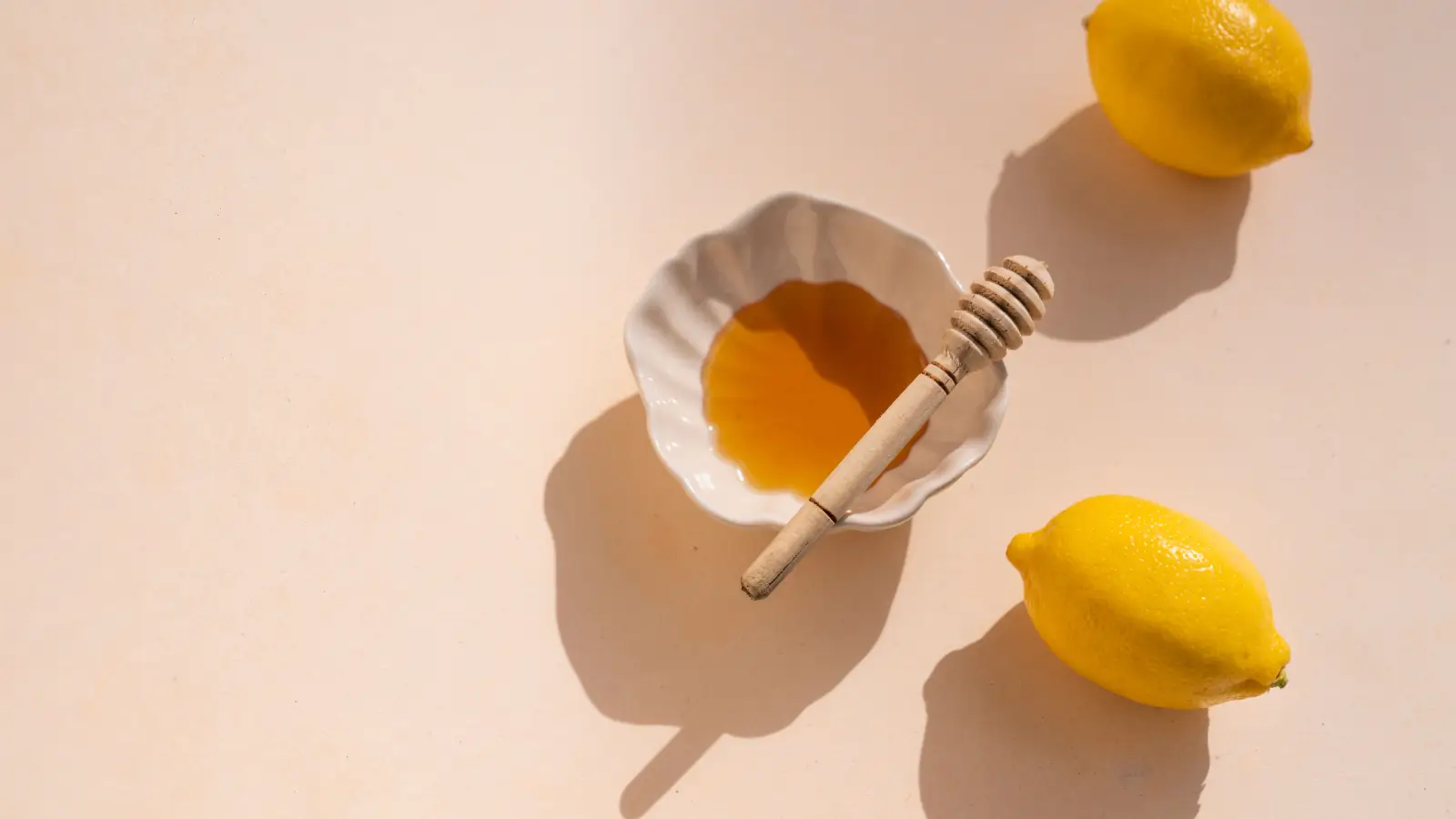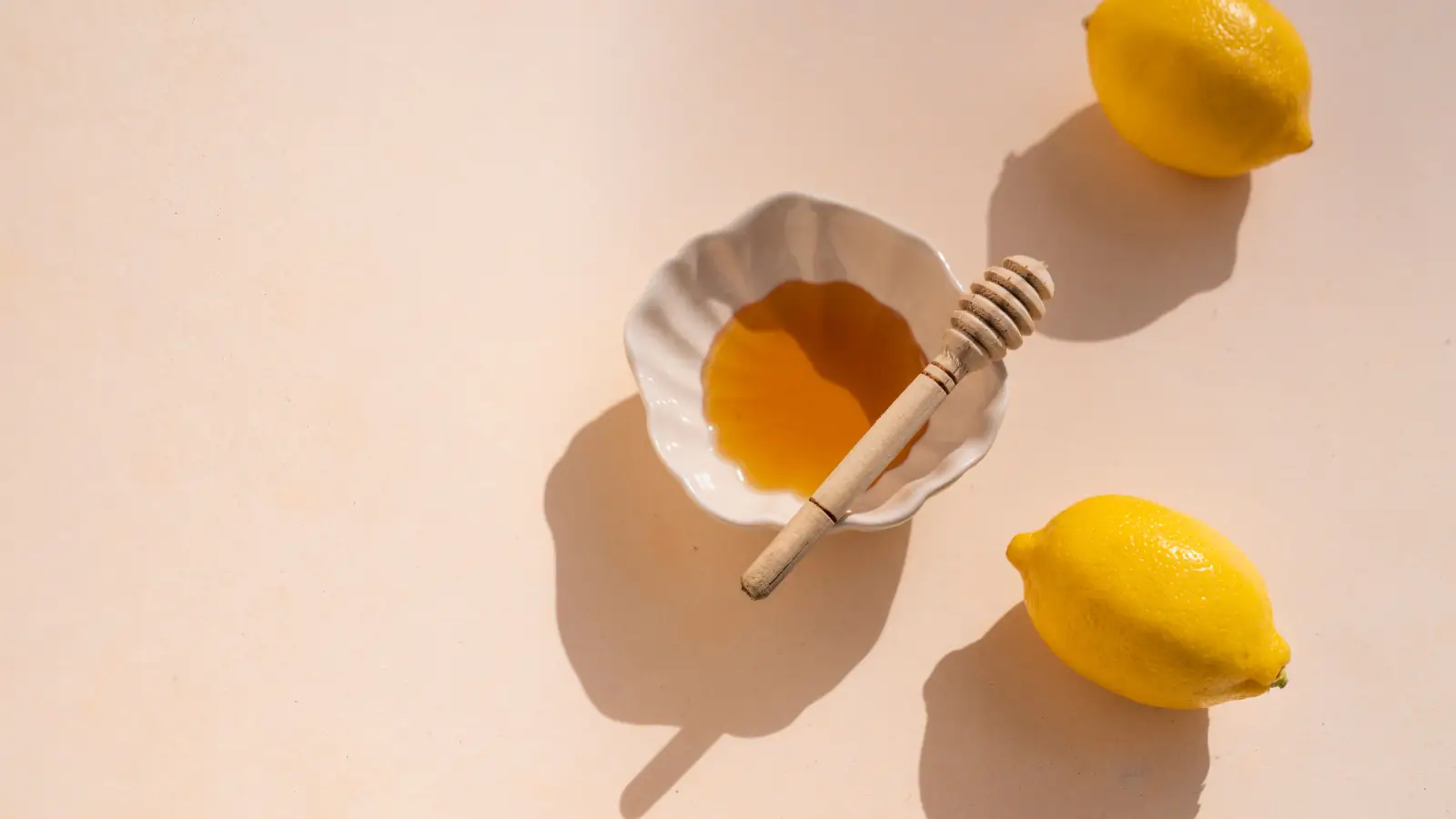
Ascorbic acid (vitamin C) in lemon juice activates a chemical cascade with honey's glucose oxidase, generating hydrogen peroxide and an acidic pH that together create an antimicrobial environment stronger than either ingredient alone.
The familiar practice of mixing honey and lemon in a drink is usually explained as two soothing agents combining forces. But that explanation flattens the actual chemistry. Honey contains glucose oxidase, an enzyme that stays dormant until environmental conditions shift. Lemon's low pH, driven by ascorbic acid and citric acid, provides the exact shift needed. When the two mix, a sustained hydrogen peroxide production kicks in—this is not just two ingredients working side by side; it is one ingredient altering the behavior of the other at the enzymatic level.
This mechanism matters because it has sharp boundaries. It works only under specific pH, temperature, and preparation conditions; outside those, the synergy collapses. Many common uses—swallowing the mixture, heating it, or using processed honey—completely bypass the chemical reaction. Recognizing those boundaries separates an effective preparation from a placebo.
How Ascorbic Acid Unlocks Honey's Antimicrobial Potential
Glucose Oxidase: Dormant Until Conditions Shift
Bees deposit glucose oxidase into nectar, and the enzyme remains suspended in honey. In the hive, it slowly converts glucose into gluconic acid and hydrogen peroxide, sterilizing the stored nectar. Once honey is extracted, the enzyme faces a range of pH and dilution levels that may shut it down. The optimal pH for honey glucose oxidase lies around 5.5 to 6.0. When honey dissolves in neutral water or meets alkaline saliva, activity falls off. Without intervention, the enzyme contributes little to any antimicrobial effect outside the honeycomb.
Ascorbic Acid's Dual Role: pH Drop and Redox Stabilizer
Fresh lemon juice typically measures pH 2–3. The main acids—citric and ascorbic—push the mixed honey-lemon solution into a pH range of 3.5–4.0. This acidity resurrects glucose oxidase activity. But ascorbic acid does more than just lower pH; it serves as a reducing agent that stabilizes the reactive oxygen species being generated. This stabilisation prevents the hydrogen peroxide from self-decomposing too quickly, extending its antimicrobial window. Citric acid contributes by chelating metal ions that could otherwise catalyze peroxide breakdown, preserving the oxidative environment.
The Hydrogen Peroxide Cascade and Sustained Antimicrobial Stress
With glucose oxidase reactivated and stabilised, glucose in honey undergoes oxidation to produce gluconic acid and hydrogen peroxide. The production is continuous as long as substrate and active enzyme remain, creating a sustained-release system rather than a single chemical hit. Hydrogen peroxide then oxidises bacterial cell membranes, proteins, and nucleic acids. Ascorbic acid can further participate in metal-catalyzed reactions that generate hydroxyl radicals, adding another layer of oxidative damage. The combined effect—acidic shock plus oxidative stress—creates an environment where bacterial survival becomes improbable.
When the Chemical Synergy Matters—and When It's Negated
When It Matters: Throat Coating and Topical Use
The synergy is relevant where the mixture contacts tissue long enough for local enzyme activity to matter. In a sore throat, coating the pharyngeal mucosa with raw honey and lemon provides a low-pH, peroxide-generating layer that can reduce surface bacteria. For skin, a honey-lemon mask or spot treatment applies the same chemistry topically. Hydrogen peroxide and acidity can suppress Propionibacterium acnes and other pathogens. The effect diminishes as the mixture dries or gets washed away, so timing matters.
When It Doesn't: Ingestion and High-Heat Preparation
After swallowing, the mixture enters the stomach. Gastric acid brings the pH down further, but simultaneously the protein-denaturing environment and the enzyme catalase in the stomach lining destroy both glucose oxidase and hydrogen peroxide. Any antimicrobial effect beyond the esophagus is negligible. Similarly, adding lemon juice to honey dissolved in near-boiling water immediately denatures the enzyme. The chemical synergy demands raw honey and preparation below 40°C (104°F). Without those conditions, only the soothing texture and osmotic effects of honey remain.
Chemical Concepts Linked to Lemon Honey's Action
- Glucose oxidase: The bee-derived enzyme that catalyzes the central glucose-oxidation reaction; its activity is the linchpin of the synergy.
- Ascorbic acid: The acid in lemon responsible for reactivating and stabilizing the enzyme, distinct from citric acid's pH contribution.
- Hydrogen peroxide: The continuously generated antimicrobial molecule; its sustained low-level release distinguishes this synergy from industrial peroxide.
- Enzyme kinetics and pH: The principle that enzyme activity has a pH optimum, making lemon's acidity a non-negotiable signal for glucose oxidase.
Common Questions About Lemon Honey Chemistry
Does heating the honey destroy the glucose oxidase?
Yes. Glucose oxidase denatures irreversibly at temperatures above 40°C (104°F). Pasteurised honey has negligible enzyme activity. For the described synergy, only raw, unheated honey works. Adding lemon to hot tea therefore eliminates the chemical interaction described here.
Can bottled lemon juice be used instead of fresh?
Bottled juice often undergoes processing that degrades ascorbic acid content and raises pH over time. Fresh lemon juice provides more consistent pH lowering and redox stabilisation. If bottled juice measures pH below 4, it can still help lower the mixture's pH, but the stabilising effect of ascorbic acid will be weaker.
How soon after mixing does hydrogen peroxide appear?
Hydrogen peroxide formation begins within minutes once the pH drops below 5. Concentrations peak typically within 30–60 minutes at room temperature, then decline as substrates deplete or product inhibition sets in.
Is the honey-lemon mixture safe for daily facial use?
Brief application (10–15 minutes) of a raw honey and fresh lemon mixture can be safe for most skin types, but the low pH and hydrogen peroxide may irritate sensitive skin. Rinse thoroughly and patch-test before full application.
Where This Chemical Insight Leads Next
The variability in glucose oxidase content across honey types is the next factor to consider. Enzyme levels depend on floral source, bee species, and post-harvest handling. Manuka honey, valued for its methylglyoxal-based antimicrobial activity, may not have the highest glucose oxidase activity; other raw varietals can outperform it in this specific synergy. The next logical inquiry is how to select or test raw honeys for maximal enzyme activity and how to store them to preserve it.