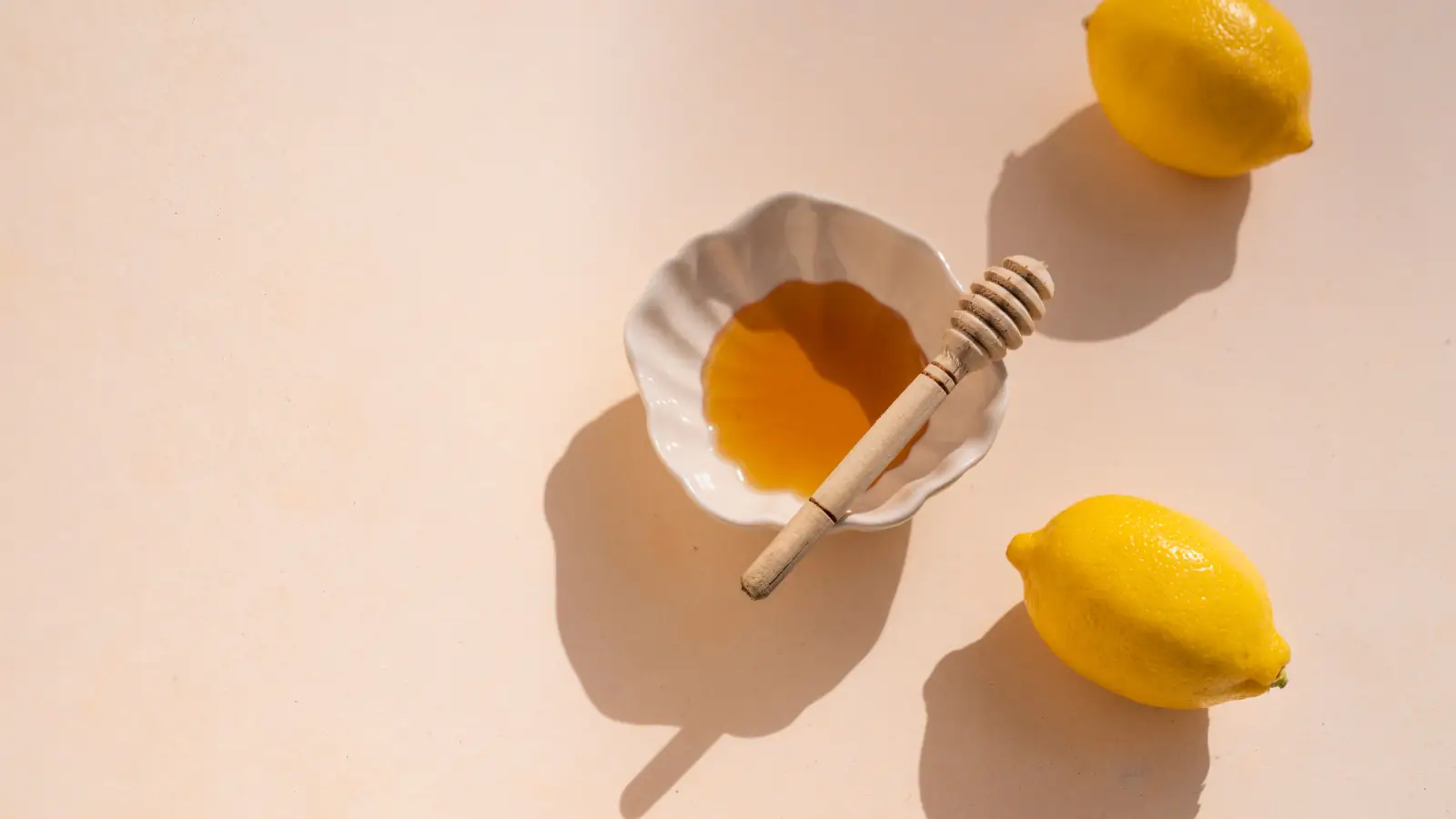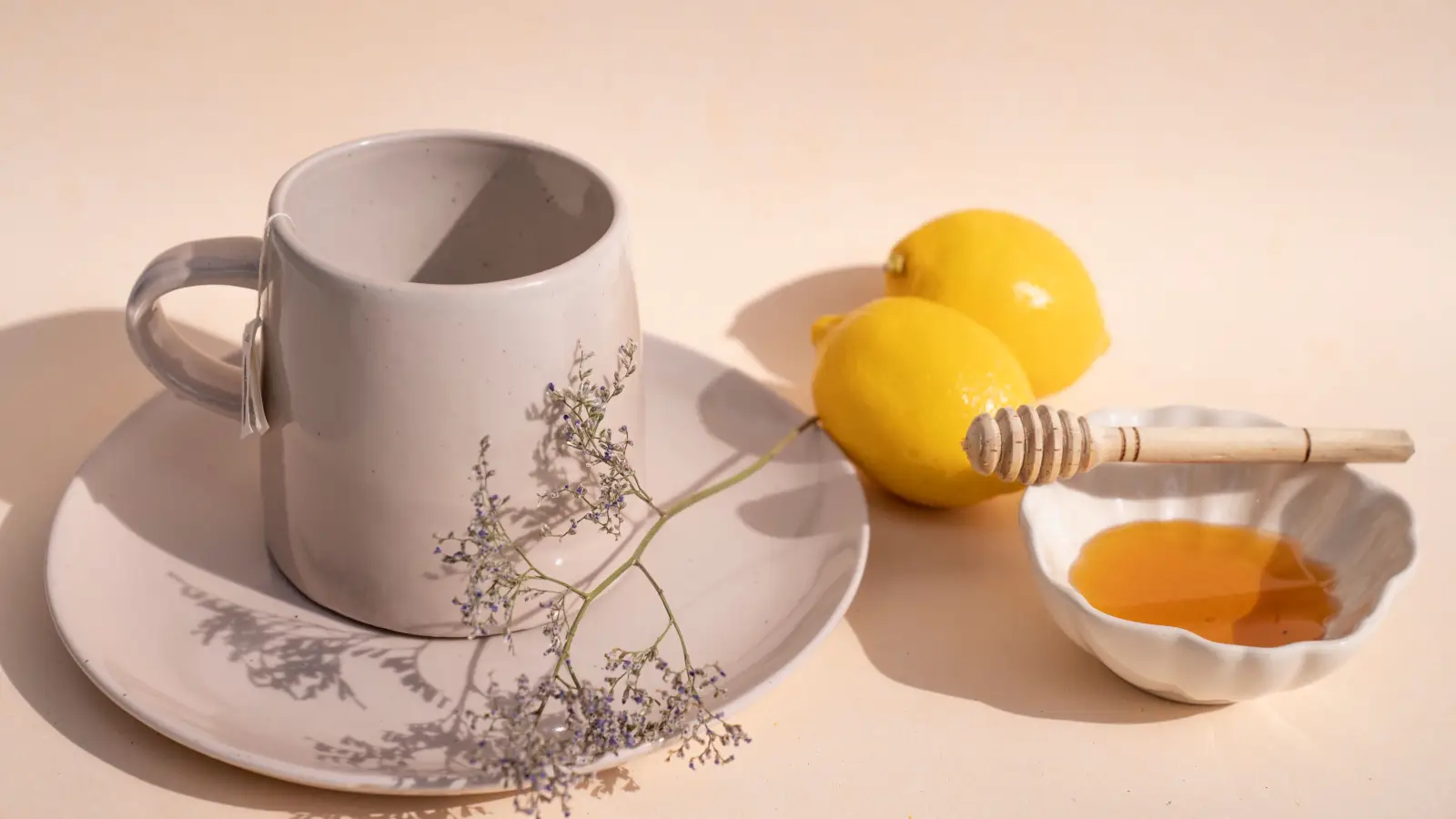
When skin loses its light and starts to feel rough under your fingertips, one of the most grounding things you can do is walk into the kitchen and let two simple ingredients do the work. This honey-lemon mask draws on honey’s gentle, humectant nature to pull moisture where it’s needed, while a whisper of lemon acid lifts away the dull top layer—provided you listen carefully to what your particular skin can tolerate.
What to Expect From This Simple Mask
Spread it on, and it becomes a quiet golden layer, cool and soothing. As you rinse, notice how skin doesn’t feel stripped or tight—honey leaves a faint protective veil behind. The brightness comes from the lemon’s mild fruit acids, but the real sweetness of this ritual is in honoring the right dilution and the right number of minutes for your complexion.
Step-by-Step Checklist for a Safe, Effective Mask
- Select a raw, unfiltered honey with no added sugars.
- Squeeze fresh lemon juice and strain out seeds and pulp.
- Mix 1 tablespoon honey with 1 teaspoon lemon juice until uniform.
- Cleanse your face and pat it completely dry.
- Apply a thin, even layer, steering clear of the eyes.
- Leave the mask on for 5–10 minutes—no longer.
- Rinse with lukewarm water and a soft cloth.
- Follow immediately with a gentle moisturizer.
Understanding Each Step
Pick a Honey That Still Carries Its Origin
Choose a jar that says “raw” or “unfiltered.” These honeys keep alive the natural enzymes and humectant sugars that make this mask truly hydrating. The clear, heat-treated squeeze bears may be convenient, but they’ve lost much of what makes honey a healer. The quiet mistake is grabbing the first jar without reading the back; taking that extra moment changes everything.
Use Fresh Lemon, Not a Substitute
Slice into a real lemon, press the juice, and pass it through a small strainer. Fresh juice offers a predictable, gentle acidity for surface exfoliation. Bottled versions can harbor preservatives that unsettle reactive skin. The act takes barely a minute, and the one slip that often happens is squeezing straight into the bowl, letting tiny seeds find their way into the mask.
Keep the Ratio Kind—More Lemon Isn’t More Love
Blend one tablespoon of honey with one teaspoon of lemon juice until they become one smooth, amber mixture. If your skin leans dry, a drop of a plant oil you trust softens the acid’s edge. If it’s sensitive, start with half a teaspoon. The most common hurt comes from adding too much lemon in an eagerness for results; that often leads to a sting that lingers and a barrier that feels tender for days.
Wash and Dry With Care
Use a calm cleanser, rinse thoroughly, and pat until no dampness remains. A wet face dilutes the mask, making it slide instead of rest. Rushing through this simple piece of preparation is how most people lose the mask’s steadiness.
Spread It Thin, Like a Gentle Thought
Using clean fingertips, glide on a thin, even layer that respects the eye area. A slender coat is all the actives need to meet your skin; piling it on doesn’t deepen the kindness, it just wastes honey. The frequent misstep is approaching it with a heavy hand.
Let the Clock Be Your Gentle Guide
Set a timer for 5 minutes if your skin is on the sensitive side, and up to 10 for balanced or oilier types. Honey would stay longer, but the lemon needs a partner in restraint. Letting it sit beyond that brief window because a phone rang or a thought drifted is the most serious misstep; it can quietly tip from exfoliation into irritation.
Rinse Softly, Resist the Urge to Scrub
Warm water—never hot—and a soft cloth, moved in circles, lift the mask away. Scrubbing or pressing hard on skin that has just opened up under the acid creates tiny friction wounds. The common error is using the roughest cloth hanging nearby, forgetting that skin’s in a delicate state.
Seal In the Comfort While Skin Is Still Damp
Right after patting dry, finish with a fragrance-free, simple moisturizer. This step locks in the humectant drink and protects the newly surfaced skin. Skipping it can leave a feeling of dryness that hangs around, as if the lemon took just a bit more than it gave.
Quick Safety Check Before You Rinse
- I did a patch test on my inner arm 24 hours before—no redness or itching.
- The mask didn’t cause any stinging during the 5–10 minutes on my face.
- I rinsed until no trace remained behind ears, jawline, and hairline.
- I applied moisturizer straight after.
- I’ll avoid direct sun today (lemon makes skin temporarily light-sensitive).
Common Questions About Honey-Lemon Masks
Can I use this mask if I have sensitive skin?
Yes, with deep respect for your skin’s limits. Always patch test on the inner wrist first. Use only half the lemon or leave it out entirely and let honey work alone. Sensitive skin often rebels against citric acid, so never push through stinging—it’s a boundary, not a challenge.
How often should I use it to see results?
Once a week is plenty for most skin to feel brighter without stripping its natural protection. Going beyond twice a week can invite redness and tightness, especially on complexions that already lean toward reactivity.
Is this mask safe for acne-prone skin?
Honey’s quiet antibacterial properties can soothe mild flare-ups, but lemon juice on active, inflamed spots can cause a sharp sting and more redness. If your skin is highly reactive, use honey alone and let the lemon wait until things calm down.
Can I make a batch and store it in the fridge?
It’s better to treat this as a fresh ritual. Lemon oxidizes fast, and honey can thin out as it absorbs moisture from the air. The few minutes it takes to measure and mix each time are part of the intentional pause—and worth keeping.
How to Carry That Glow Forward
After removing the mask, skin should look rested, clearer, and feel deeply comforted. When you return to this ritual, the fastest way in is to keep a small dedicated bowl and measuring spoon stashed where you make your mask—so there’s no searching, just a brief, quiet routine that brings light back to your face.