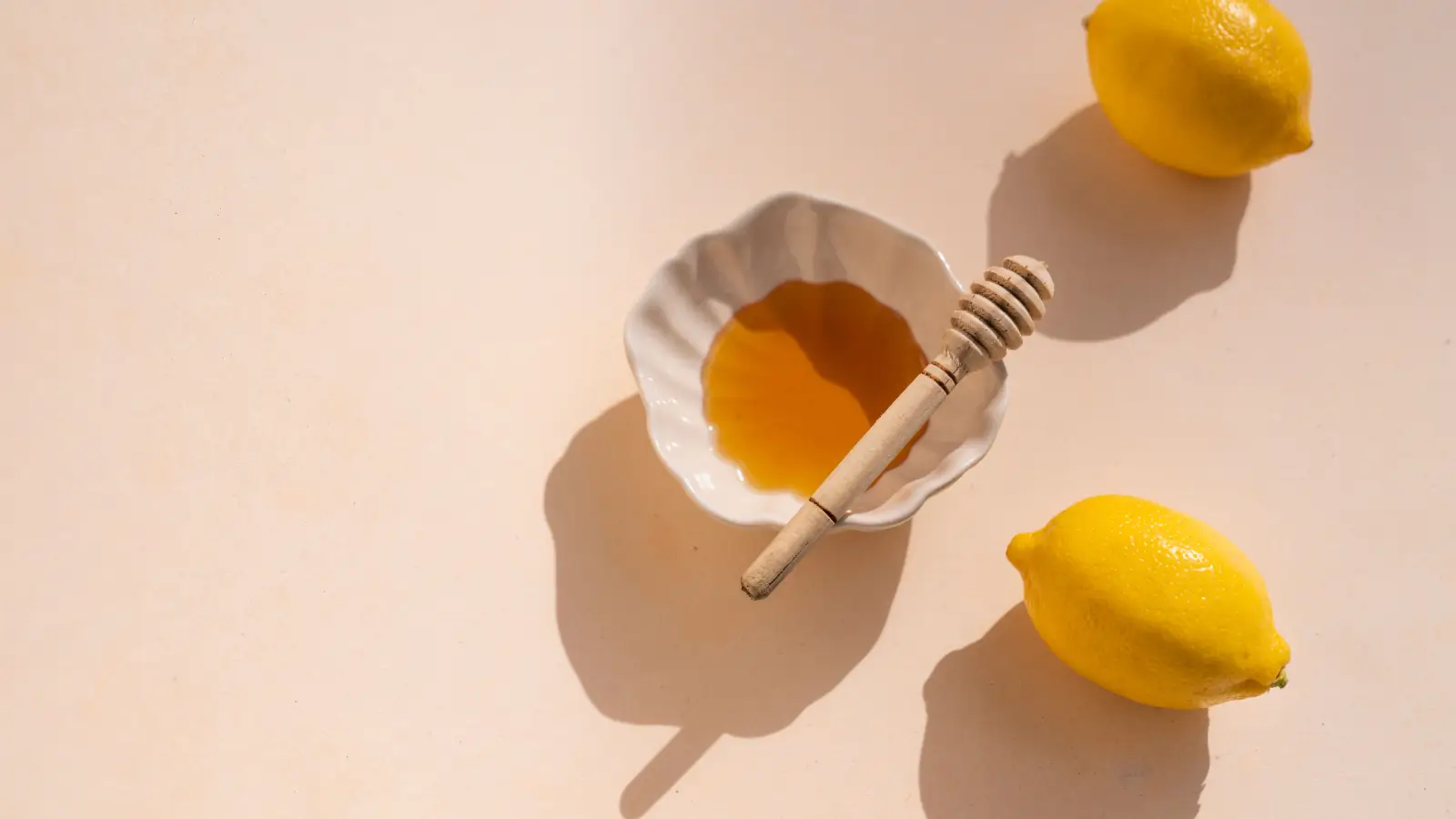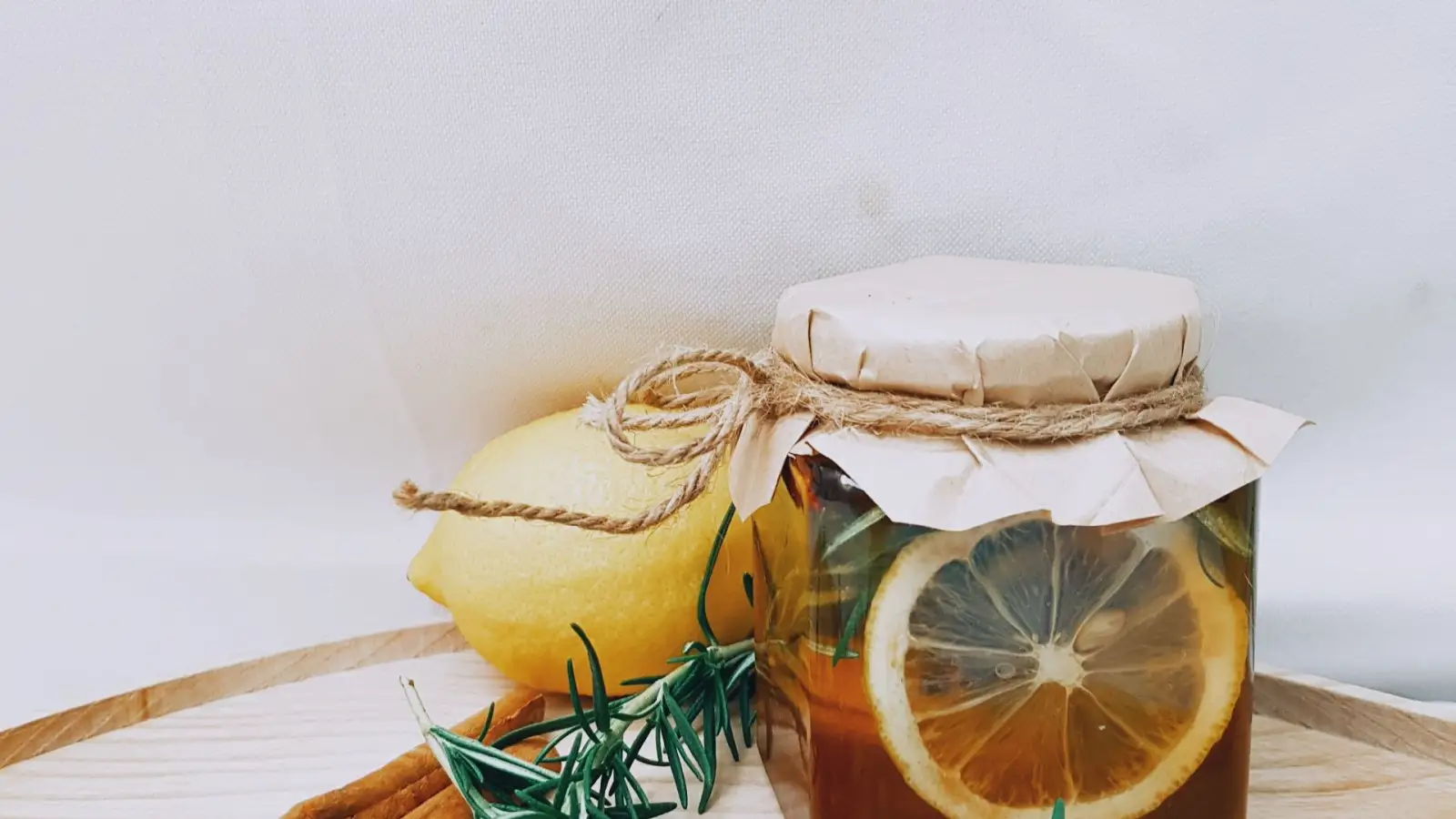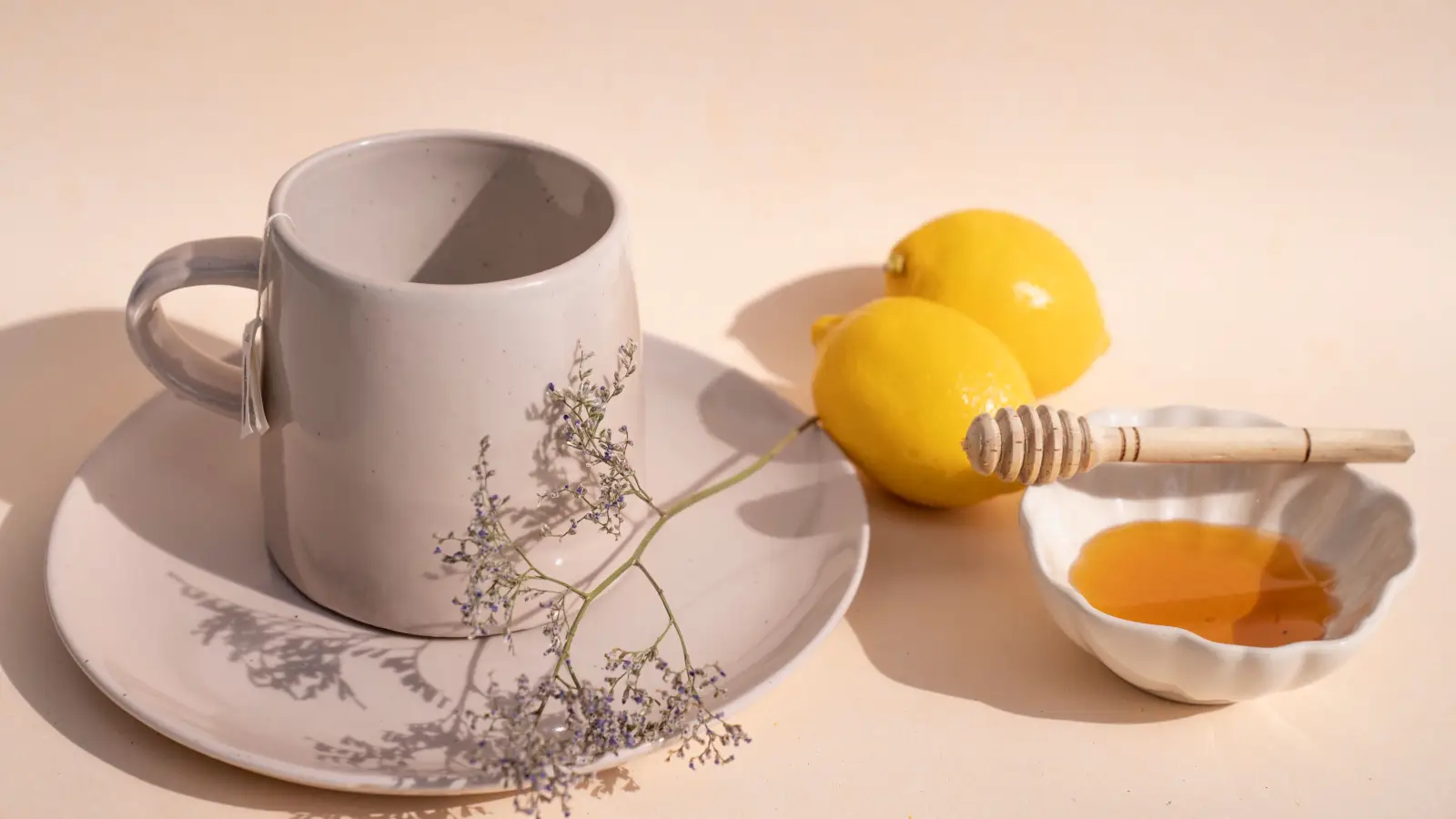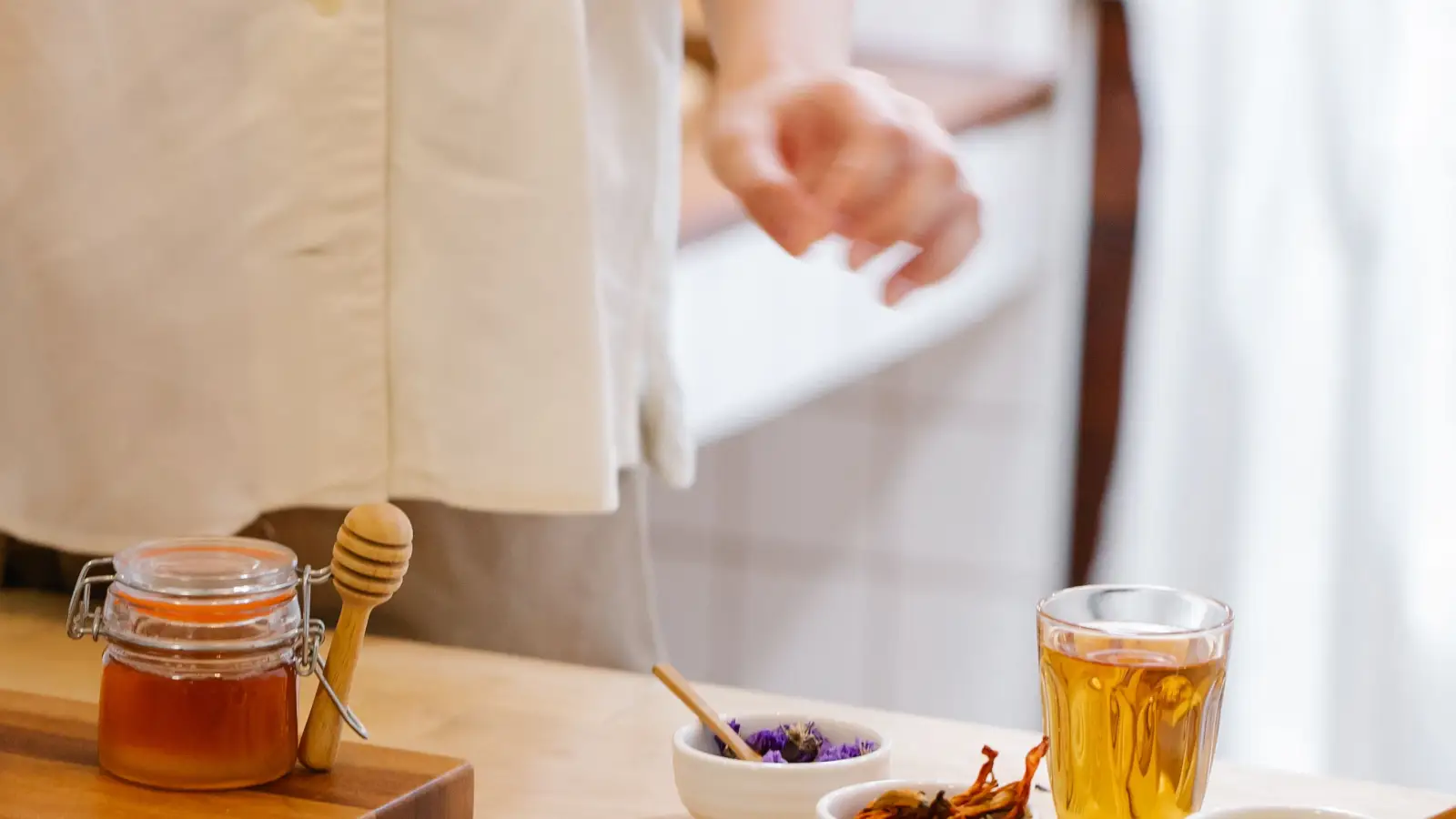
A gentle honey-lemon drink made in five minutes always begins the same way: warm water first, honey second, and fresh lemon third—never boiling, and never out of sequence. This thoughtful order keeps raw honey’s delicate enzymes intact and stops the harsh bitterness that floods a mug when lemon sits too long or meets overly hot liquid.
Gather What You’ll Need
- A heatproof mug
- A spoon
- A kettle or pot to heat water
- A kitchen thermometer (optional)
- 8–10 ounces of filtered water
- 1–2 teaspoons of raw, unheated honey
- 1/2 fresh lemon
The Soothing Sequence: Step by Step
Step 1: Pour in Warm Water (Not Boiling)
Heat the water until it sends up steady steam but no bubbles break the surface. That puts it near 100–110°F, which dissolves honey easily while protecting heat-sensitive substances like glucose oxidase. Without a thermometer, test with a clean fingertip—the water should be comfortably warm, never stinging hot. Water that boils, or climbs above 118°F, starts denaturing the very elements that make a honey-lemon mug more than just sugar and citrus.
Step 2: Stir in the Honey While the Water Is Still Warm
Add the honey and stir gently until it melts completely. At this warmth, raw honey lets go of its sugars without dragging, releasing its quiet floral character. Tasting now, before the lemon hits, lets you sense the sweetness honestly—and adjust if needed—without a sour veil.
Step 3: Squeeze and Drop in the Lemon Just Before Drinking
Slice that lemon half into a wedge. Press the juice straight into the warm honey water, then drop the peel in if you like a whisper of zest. The timing matters: do this moments before your first sip. When lemon stays in the mug too long—or arrives while the water is still too hot—the pith gives up naringin and other bitter compounds. A quick lemon moment delivers clean, bright citrus that soothes rather than stings.
Common Missteps That Turn This Soother Sour
Boiling the Water First – Then Trying to Cool It Down
Habit says boil, but even pouring boiling water into a mug and letting it sit a minute doesn’t drop the temperature fast enough to spare honey’s living enzymes. Heat only until steam appears; that warmth is exactly what the body craves and exactly what the honey can handle.
Adding Lemon Before Honey, or Letting It Steep in the Mug
When lemon lands in the cup before or alongside the honey, or when the wedge lingers, the pith slowly releases its bitterness. The warmth hurries this along, turning a soft drink sharp and achy at the back of the throat. Add the lemon at the very end and drink without delay.
Using Bottled Lemon Juice as a Shortcut
Bottled juice often carries added sulfites and a flat, cooked taste from pasteurization. It misses the peel’s essential oils that give fresh lemon its gentle, room-filling aroma. In a drink this spare, the gap between bottled and fresh is the gap between caring and settling.
Scooping Honey Directly into a Cold Cup
If the mug hasn’t been warmed first, or the water is too cool, honey slides to the bottom and stays there in a reluctant layer. Warmth does more than dissolve—it lifts the scent and wraps the drink in comfort, turning it from a task into a small, nurturing ritual.
Swaps for Dietary Needs and Taste Preferences
When honey isn’t right, agave syrup or maple syrup stirs in just as smoothly and carries its own round sweetness. For a sugar-free version, a few drops of liquid monk fruit or plain stevia keep the lemon’s sparkle intact without aftertaste. Lime steps in with a sharper, more floral note; Meyer lemon brings softer acid and almost orange-like tenderness. Each alternative slides into the same three-step rhythm without breaking it.
Questions People Ask About Honey and Lemon in Warm Water
Does honey lose its benefits in hot water?
Enzymes like glucose oxidase start to fade around 118°F. When honey meets truly hot water, those active components break down quickly. The drink is still sweet, still consoling, but it has shed one of its quiet gifts. Keeping the water warm but well below boiling preserves what raw honey naturally carries.
Can I prepare this drink in advance?
Not happily. Lemon left in water beyond a few minutes turns bitter, and honey can separate. The soothing quality is tied to freshness—make it, hold it, and drink it within the same peaceful moment.
What if I don’t have raw honey?
Regular honey will still sweeten and soften a scratchy throat; it simply holds fewer active enzymes after commercial processing. Choose a darker variety—buckwheat or chestnut—if you want a heartier taste that can stand up to the lemon’s edge.
Is this safe for children?
Safe for children older than one. Never give honey, raw or otherwise, to a baby under 12 months because of the risk of infant botulism. For an older child, a junior-sized mug with half the honey brings the same comfort in a smaller portion.
Can I use lime or orange instead?
Lime makes a bright, spirited alternative. Orange juice is milder and less assertive; if using it, a little extra lemon can restore the drink’s crispness. Both belong in the cup at the last instant, just like lemon.
After the Last Sip: What to Explore Next
The three-step order you just used becomes a template. Try slipping a chamomile or ginger tea bag into the mug after the honey dissolves, then lifting it out before the lemon arrives so nothing over-steeps. Or discover how the honey’s origin reshapes the whole cup: orange blossom honey adds a buttery warmth, acacia stays light and clean, each one a different kind of gentle. A familiar mug, always new.