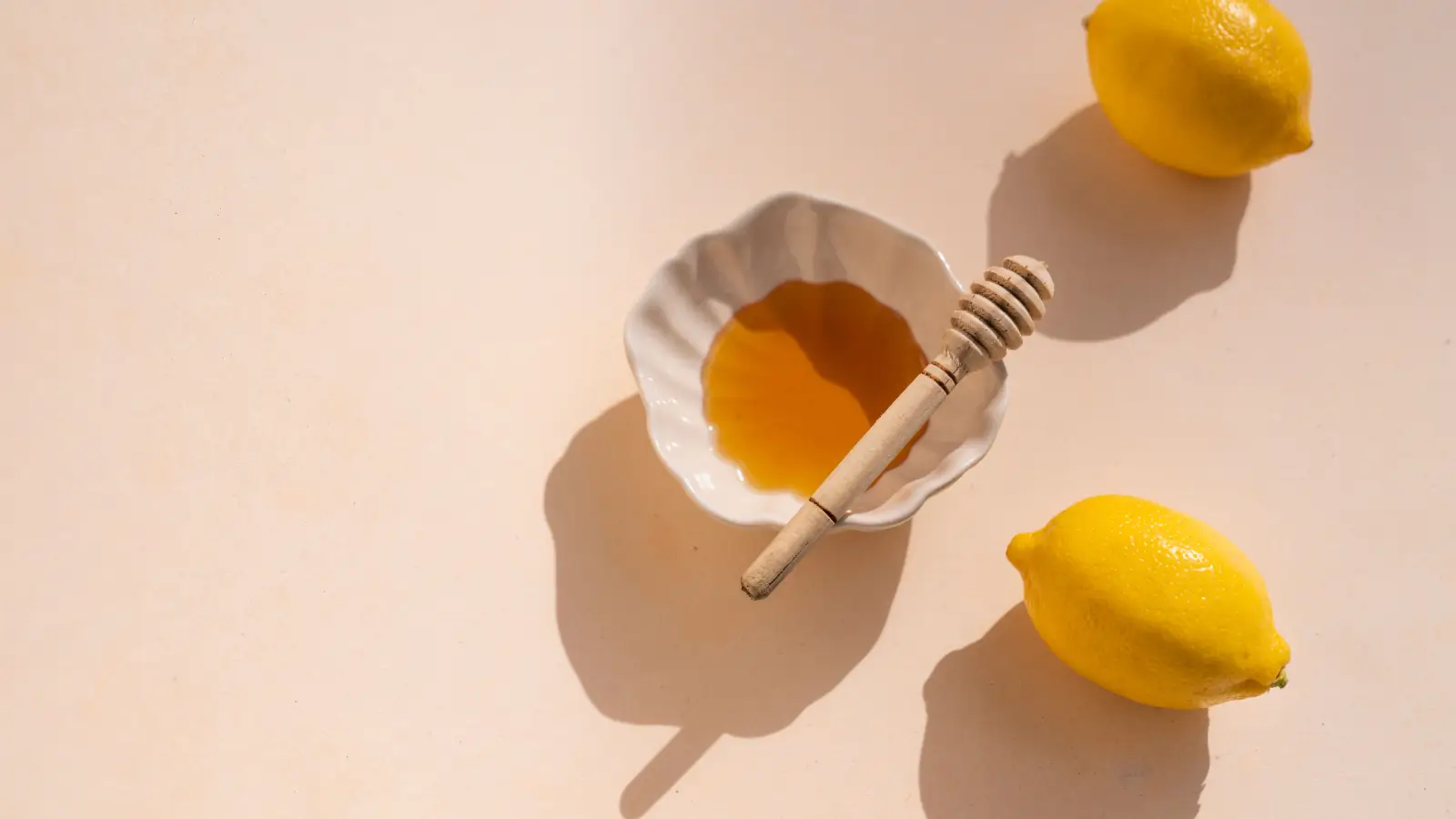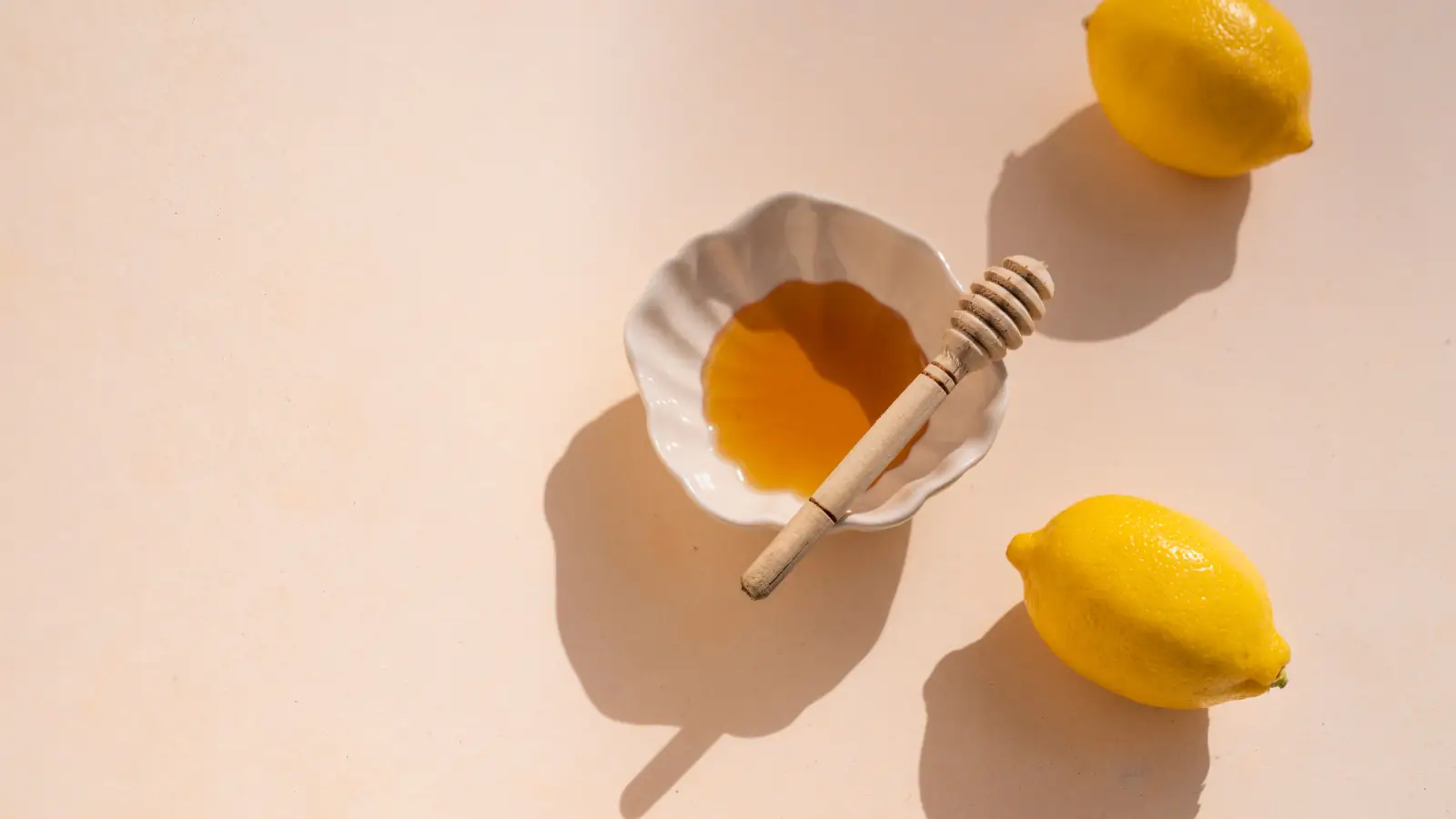
People love insisting that a mug of honey-lemon tea works like a charm for a cough. But strip away the steam and the ritual, and you’re left with a remedy where the active part—honey—nudges symptoms down by maybe a point on a severity scale, and the lemon does nothing that a sugar cube couldn’t. OTC dextromethorphan, for all its ordinary packaging, rarely loses that head-to-head. That’s the gap between kitchen confidence and controlled data.
The Data’s Real Answer: OTC Cough Syrups Beat Honey‑Lemon Mix Most of the Time
For the typical dry, nighttime cough, a standard OTC suppressant is the evidence-weighted choice. Honey can inch symptoms lower, but the effect is small and inconsistent, while lemon contributes zero clinical value. The homemade mix isn’t useless—it’s just less effective and less predictable than the $4 bottle on the pharmacy shelf.
How Honey-Lemon Stacks Up Against a Standard Cough Syrup
| Criterion | Honey-Lemon Remedy | Typical OTC Cough Syrup (Dextromethorphan) |
|---|---|---|
| Price per dose | $0.10–$0.30 | $0.15–$0.50 |
| Key mechanism | Honey’s demulcent coating; lemon irrelevant | Antitussive action on cough center in brain |
| Proven cough relief | Modest, mostly in children (1‑point improvement) | Comparable or slightly better; some studies show 1‑2 point gains |
| Onset of action | Soothing within minutes, relief builds | 15–30 minutes |
| Ease of use | Requires mixing; dose varies by spoonful | Pre‑measured dose cup; standard strength |
| Best for | Mild cough in children over 1, comfort before sleep | Moderate cough in adults and older children needing predictable suppression |
Honey‑Lemon Remedy: More Ritual Than Remedy
Let’s be clear: lemon does not treat a cough. The entire observable benefit comes from honey’s thick, demulcent coating, which briefly calms an irritated throat. In controlled pediatric studies, honey drops cough severity by about one point on a seven‑point scale—noticeable, but not impressive. That’s all you’re getting. Anecdotes that rhapsodize about miraculous cures are mistaking comfort for clinical effect.
The mixture’s real advantage is its low risk: no drowsiness, no dizzy spells, no drug interactions. It’s safe for anyone older than 12 months and costs almost nothing. But that safety is also its limitation—if you need more than a faint dial‑down of symptoms, you’re out of luck. And the honey you grab from the supermarket might not even deliver that modest benefit. Raw, dark varieties from a trusted source often contain more bioactive compounds than the heavily filtered, pale honey in a squeeze bottle, which can be little more than sugar syrup with a good story.
OTC Cough Syrups: The Unglamorous Workhorse That Actually Suppresses
Dextromethorphan doesn’t inspire poetry, but it directly interrupts the cough reflex in the brainstem. The trial results are messy—some studies find it barely better than placebo, others show a clear 1–2 point gain—but on average, it edges out honey, especially when lemon is removed from the comparison (which, chemically, it always should be). The real value is consistency: every dose contains a known amount of active ingredient, so you can actually predict what will happen. The home remedy gives you a spoon and a prayer.
Side effects are the price: possible nausea, dizziness, and age restrictions that rule out toddlers. Overdose risk is real if label directions are ignored. But for an adult or older child with a hack that won’t quit, a generic bottle of the stuff is tougher to beat than most people admit.
The Criteria That Expose the Hype: Relief Strength, Safety, Dosing, Cost
How well does each actually quiet a cough?
Honey alone can drop a score by about 1 point; dextromethorphan sometimes manages 1.5–2 points. That half-point gap is all the lemon‑free competition. Add lemon, and you’re just diluting the effect. Neither option is a silver bullet, but the OTC version delivers the bigger punch more often.
Which carries more risk?
Honey wins for children over 1; OTC loses. If you’re treating a 3‑year‑old, the choice isn’t even a contest—honey, period. For adults, the risk‑benefit flips in favor of OTC unless side effects are a dealbreaker.
Can you trust the dose?
A plastic dose cup beats a tablespoon every time. Homemade mixes suffer from syrup‑to‑spoon variance and wildly different honey potencies. If someone wants reliable relief, the pharmacy option is the obvious pick.
What’s the real cost difference?
Surprise: generic dextromethorphan can be cheaper than a honey‑lemon dose. Store‑brand syrup runs about $0.17 per serving; a homemade cup with real honey and fresh lemon often costs $0.20–0.30. Buy fancy honey and the gap widens further. The “natural is cheap” assumption collapses under itemized math.
When to Choose Honey-Lemon and When to Reach for a Pharmacy Bottle
- If you’re treating a child between 1 and 4 years old: Honey‑lemon is the evidence‑supported, safe first line. OTC cough medicines are not recommended at this age, so the choice is simple.
- If you need daytime cough control while working or driving: An OTC product with a non‑drowsy formulation is the more dependable pick. Honey‑lemon won’t impair you, but its relief is shorter‑lived and less predictable.
- If the cough is severe and disrupting sleep: Reach for an OTC antitussive. The slightly larger effect size may make the difference between rest and a miserable night.
- If cost is the primary concern: Generic OTC syrups often beat homemade remedies in price per dose, so check the pharmacy shelf before assuming honey is cheaper.
What Each Option Really Costs Per Dose
A pound of store‑brand honey costs around $4–6 and yields about 30 one‑tablespoon doses ($0.13–0.20 each). A lemon at $0.50 can supply 5–10 squeezes, adding roughly $0.05–0.10 per dose. So a homemade cup averages $0.20–0.30.
A generic 8‑ounce bottle of dextromethorphan cough syrup (15 mg per 10 mL) costs $4–5 and provides roughly 24 adult doses (10 mL each), or $0.17–0.21 per dose. Children’s formulations may come in smaller bottles and cost slightly more per milliliter, but generic options still stay under $0.30. Surprising as it sounds, the “natural” remedy isn’t always the cheaper pick—and if you’re buying artisanal honey, the price can jump to over $1.00 per dose.
Common Questions About Honey-Lemon as a Cough Remedy
Does lemon actually boost honey’s cough‑fighting effect?
No. Lemon’s vitamin C content is too low in a typical squeeze to influence a cough, and no study has isolated lemon as an effective antitussive. It adds flavor but no measurable clinical benefit.
Is it safe to give honey to a 2‑year‑old?
Yes. Once a child passes their first birthday, the risk of infant botulism from honey spores drops dramatically, and it becomes a safe food. Many pediatric guidelines actually recommend honey as a cough soother for children over 1.
Can I mix honey with an OTC cough medicine?
There is no known harmful interaction, but it’s generally unnecessary. The honey won’t add meaningful cough relief and just piles on extra sugar. If you’ve already decided to use an OTC product, stick with it as directed.
Why do so many people believe honey‑lemon works if the evidence is weak?
The warm, viscous liquid coats the throat and temporarily reduces irritation, which feels like genuine relief. Humans are prone to confusing that comforting sensation with a clinical effect, and personal stories spread faster than trial data. The placebo response also plays a role—expecting relief can trigger real, albeit small, physiological changes.
The Final Word: OTC for Certainty, Honey‑Lemon for Comfort
When you need a cough calmed enough to sleep or work, OTC dextromethorphan is the more evidence‑backed bet. Honey‑lemon can soothe, and for a child between 1 and 4 it’s the only safe option, but treating it like a drug equivalent will disappoint. Trust your sense of comfort—but trust the data more.