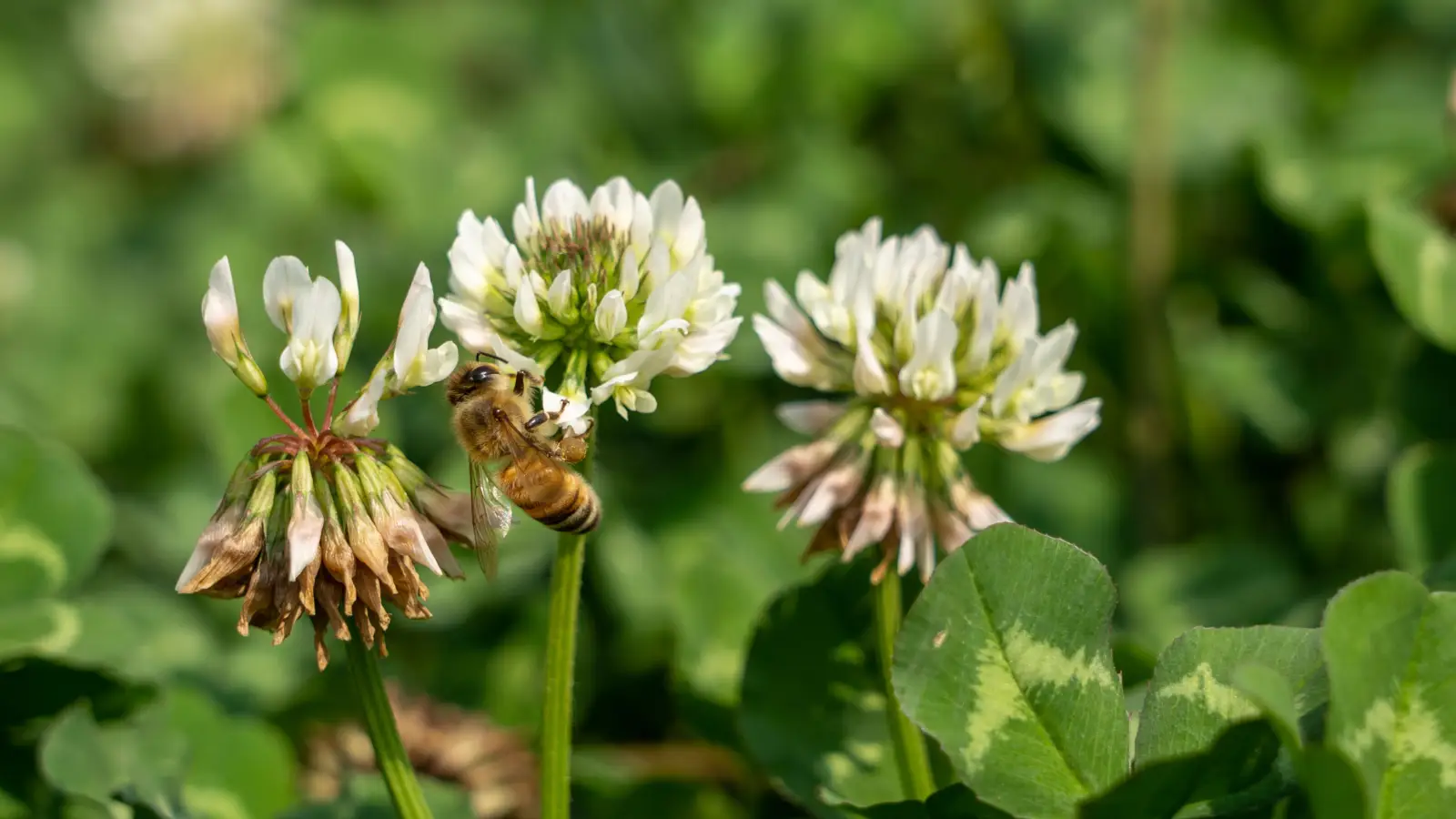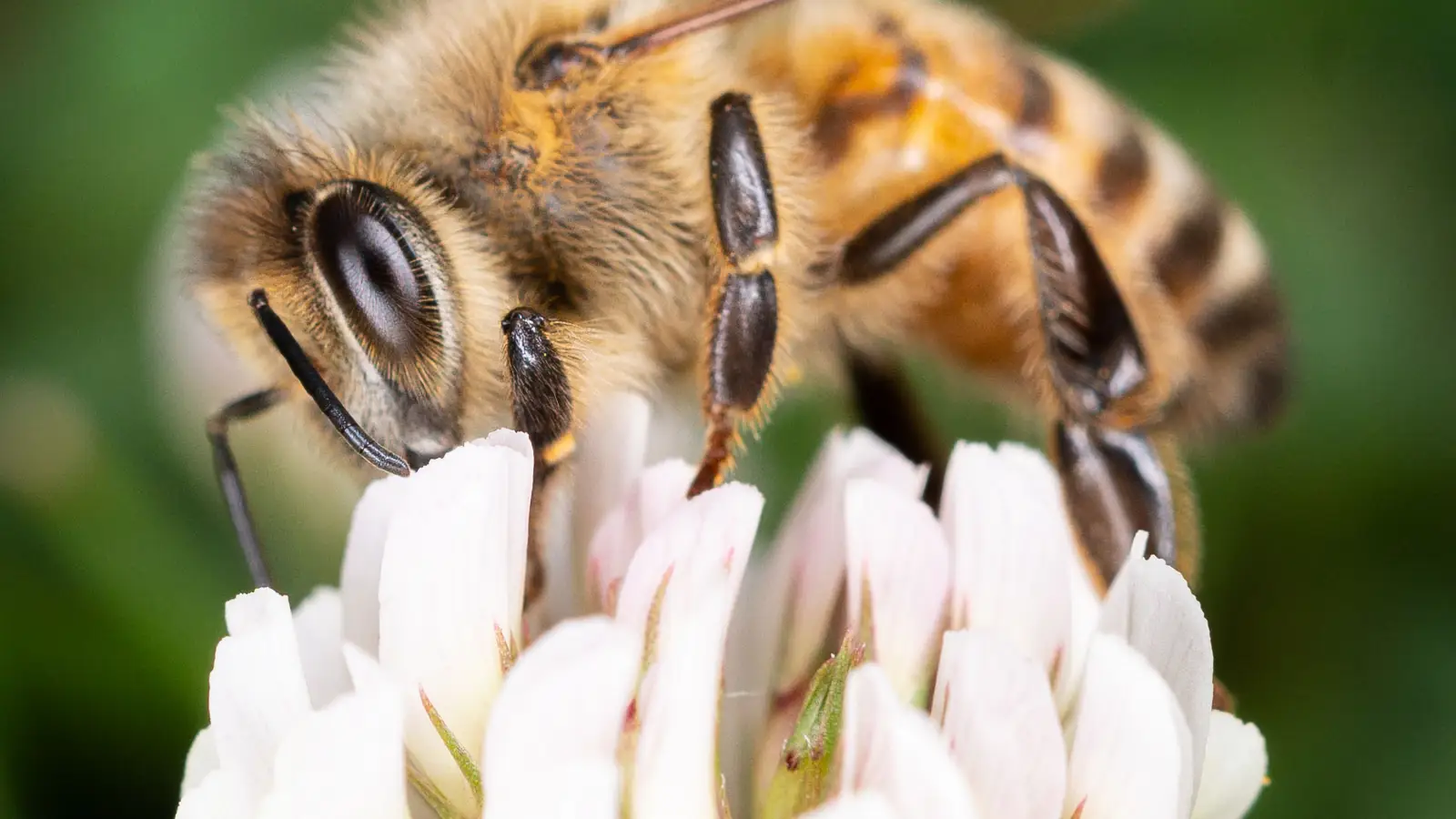
Clover honey contains measurable chemical attributes beyond sugar. In its raw form, the enzymes glucose oxidase and invertase remain active, moisture hovers around 18%, and the fructose-to-glucose ratio typically exceeds 1.2:1—factors that collectively influence crystallization rate, postprandial blood glucose response, and resistance to microbial spoilage, distinguishing it from both plain sugar and several other monoflorals. The casual dismissal of clover honey as no different from table sugar ignores these quantifiable variables.
The Measurable Differences Between Clover Honey and Simple Sugar Solutions
Honey is a supersaturated sugar matrix, but the specific sugars, enzymes, and water content are tied to the floral source. Clover honey, drawn from Trifolium species, consistently tests near 18-19% moisture—slightly above the 16-17% typical of manuka, a denser monofloral. That moisture surplus alters osmotic pressure and water activity, directly affecting fermentation thresholds.
Enzyme concentration follows a similar pattern. Glucose oxidase, introduced by bee glands, generates hydrogen peroxide at a slow, sustained rate as long as the honey remains raw and cool. Invertase reduces sucrose to monosaccharides. Clover’s nectar chemistry, together with the bees’ processing, yields a relatively uniform enzyme load. By contrast, manuka’s defining antimicrobial compound is non-enzymatic methylglyoxal, and wildflower honey blends produce inconsistent enzyme activity. For anyone wanting to isolate the role of enzymes in honey’s function, clover provides a repeatable baseline.
How Each Chemical Component Dictates Clover Honey’s Physical Behavior
Glucose Oxidase Activity and Its Antimicrobial Contribution
The glucose oxidase reaction converts glucose and water to gluconic acid and hydrogen peroxide. This continues in unheated honey because water activity remains sufficient. The peroxide concentration is low—orders of magnitude below clinical antiseptics—but enough to inhibit many bacteria and fungi. The effect is catalytic: a single enzyme molecule processes many glucose units. Heating above roughly 95°F (35°C) denatures the enzyme, terminating this antimicrobial pathway entirely.
Invertase and the Downstream Effect on Glycemic Response
Invertase catalyzes sucrose hydrolysis into equimolar glucose and fructose. Residual sucrose in finished clover honey is rarely above 2%, indicating near-complete conversion. Because fructose has a glycemic index of about 19 compared to glucose’s 100, the high fructose ratio lowers the overall glycemic load of the honey. Active invertase in raw honey can continue to break down any trace sucrose during storage, though the effect is marginal once the honey has crystallized or aged. The net result is a sweetener that triggers a more gradual blood sugar increase than an isocaloric dose of table sugar.
Moisture Content and the Crystallization–Fermentation Trade-Off
Crystallization occurs when glucose surpasses its solubility limit. Clover honey’s elevated fructose and moisture keep glucose solvated, delaying crystal formation far beyond the timeline of many other honeys. Manuka, with lower moisture and often lower fructose, solidifies faster. Wildflower batches vary. The downside of the higher moisture is an increased risk of yeast fermentation if storage temperatures exceed roughly 70°F. Fermentation produces alcohol and acetic acid, ruining the honey’s flavor and shelf stability. Thus, clover’s liquid retention comes with a clear management requirement: cool storage.
When the Enzyme Distinction Carries Weight, and When It Becomes Irrelevant
Practical Benefits in Raw, Unheated Applications
A person who stirs raw clover honey into warm (not hot) tea or drizzles it over fruit derives the full enzyme packet. Glucose oxidase may contribute a modest antimicrobial effect in the mouth or gut, and invertase activity helps maintain the optimal fructose-glucose balance. The trace mineral profile—potassium, calcium, phosphorus, magnesium—although present in milligram quantities per tablespoon, adds nutritional breadth absent from refined sugar. For a diabetic or insulin-resistant individual, the lower glycemic impact relative to equal carbohydrate from pure glucose can be a practical advantage.
Processing Disables Enzyme Function
Pasteurization, typically conducted at temperatures above 145°F, denatures glucose oxidase and drastically reduces invertase activity. Prolonged exposure to heat—such as being left in a vehicle during summer—achieves the same effect. Once enzymes are deactivated, the honey behaves as a concentrated sugar solution with minimal functional difference from high-fructose corn syrup. In that state, the “just sugar” label is chemically accurate. Consumers seeking enzyme benefits must verify that the product was never heated beyond hive temperatures and remains reasonably fresh.
Terms That Clarify Clover Honey’s Role in Nutrition
- Monofloral Honey – Honey derived predominantly from one plant species; clover’s single-source nature stabilizes its enzyme and mineral profile.
- Glycemic Index – The speed at which a food raises blood glucose; clover honey’s fructose dominance keeps its index lower than many other sweeteners.
- Raw Honey – Unheated and unfiltered honey that retains enzymatic activity; this is a prerequisite for the functional claims discussed.
- Crystallization – The separation of glucose into solid crystals; clover honey’s composition delays this process, but when it occurs, the texture is generally fine and spreadable.
The Historical Role of Clover Honey in Enzyme Testing Standards
During the early 1900s, food safety agencies needed a reliable, repeatable honey variety to establish quality benchmarks. North American clover honey, with its consistent diastase (enzyme) activity and low natural variation, became that reference. The diastase number and HMF (hydroxymethylfurfural) content—indicators of heat damage—were calibrated against clover honey’s baseline. This history underlies modern grading systems and explains why clover honey is still often used in laboratory comparisons of honey enzyme preservation.
Common Questions About Clover Honey’s Composition
Does clover honey have a lower glycemic index than manuka honey?
It often does because clover’s fructose-to-glucose ratio tends to be higher than manuka’s. Manuka can approach a 1:1 ratio, while clover averages 1.2:1 or greater. Both fall in the moderate GI class, but clover typically edges lower.
Is raw clover honey meaningfully different from processed clover honey?
Yes—raw honey retains active glucose oxidase and invertase, which provide peroxide-based antimicrobial activity and help moderate blood sugar response. Processed honey loses these enzymes, leaving mainly sugars and minerals.
Why does my clover honey stay liquid for so long?
The high fructose and moisture content hold glucose in solution. Storage below 50°F may eventually prompt crystallization, but liquid stability beyond a year is common. If the jar develops a sour smell or bubbles, fermentation from excess warmth has likely occurred.
How can I confirm that my clover honey is enzyme-active?
Look for the word “raw” and avoid products that have been clarified by heating. Since U.S. labeling laws are ambiguous, buying from a known local beekeeper or a brand that tests for diastase activity offers better assurance.
Preserving Enzyme Activity Through Proper Handling
Maintaining glucose oxidase and invertase requires keeping raw clover honey in a dark, cool environment—ideally below 70°F—and never heating it beyond hive temperature. A common follow-up inquiry is how other light monoflorals, such as acacia or tupelo, compare in enzyme load and glycemic potential. That comparison would extend the logic that not all sugars are metabolically equivalent.