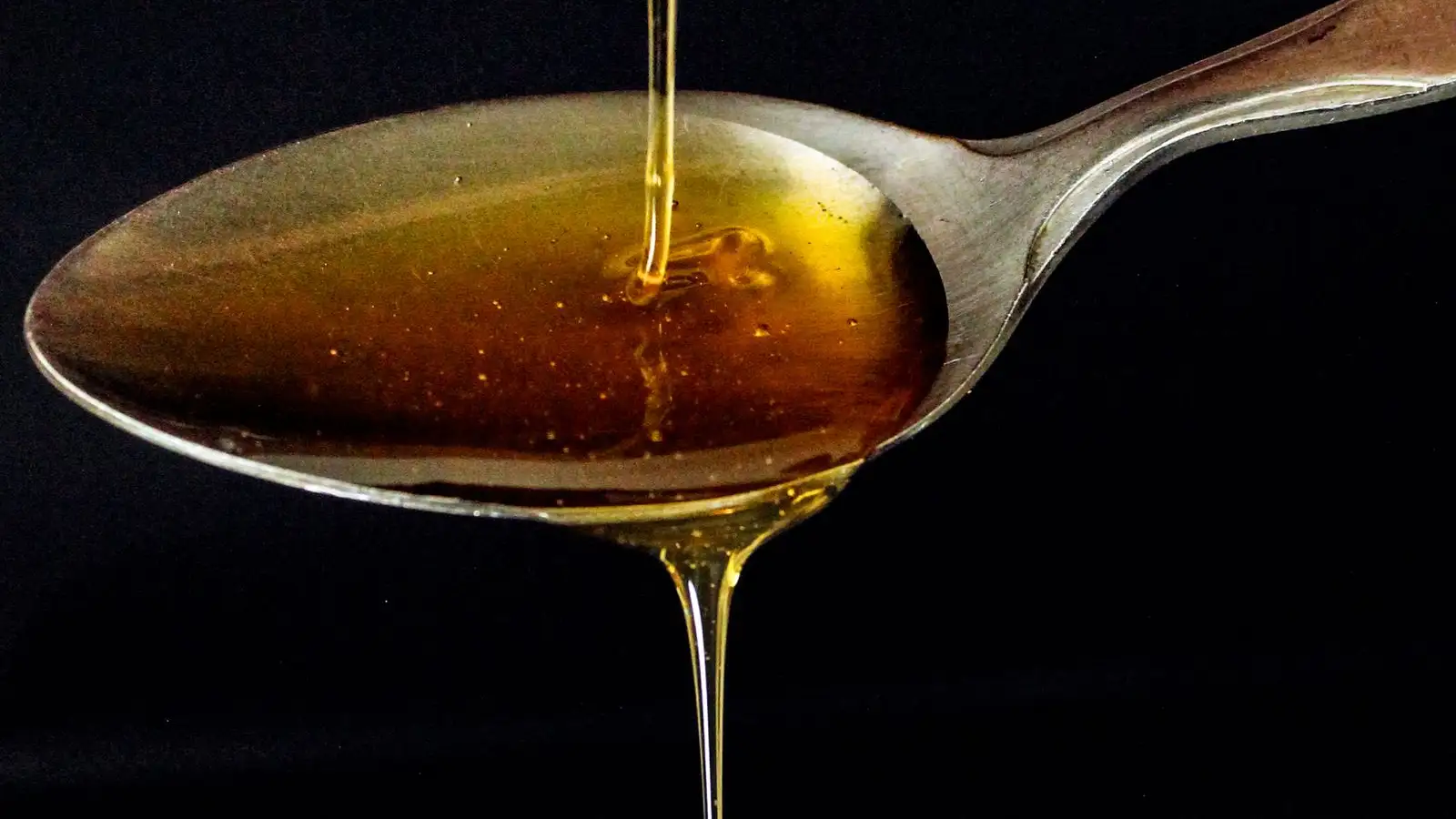
Darker Honey Isn't Always Stronger, and Color Can Mislead
Honey color doesn't predict flavor intensity. Learn why dark honey can taste mild, pale honey can be bold, and how to taste honey before pairing it with food.
Honey color doesn't predict flavor intensity. Learn why dark honey can taste mild, pale honey can be bold, and how to taste honey before pairing it with food.
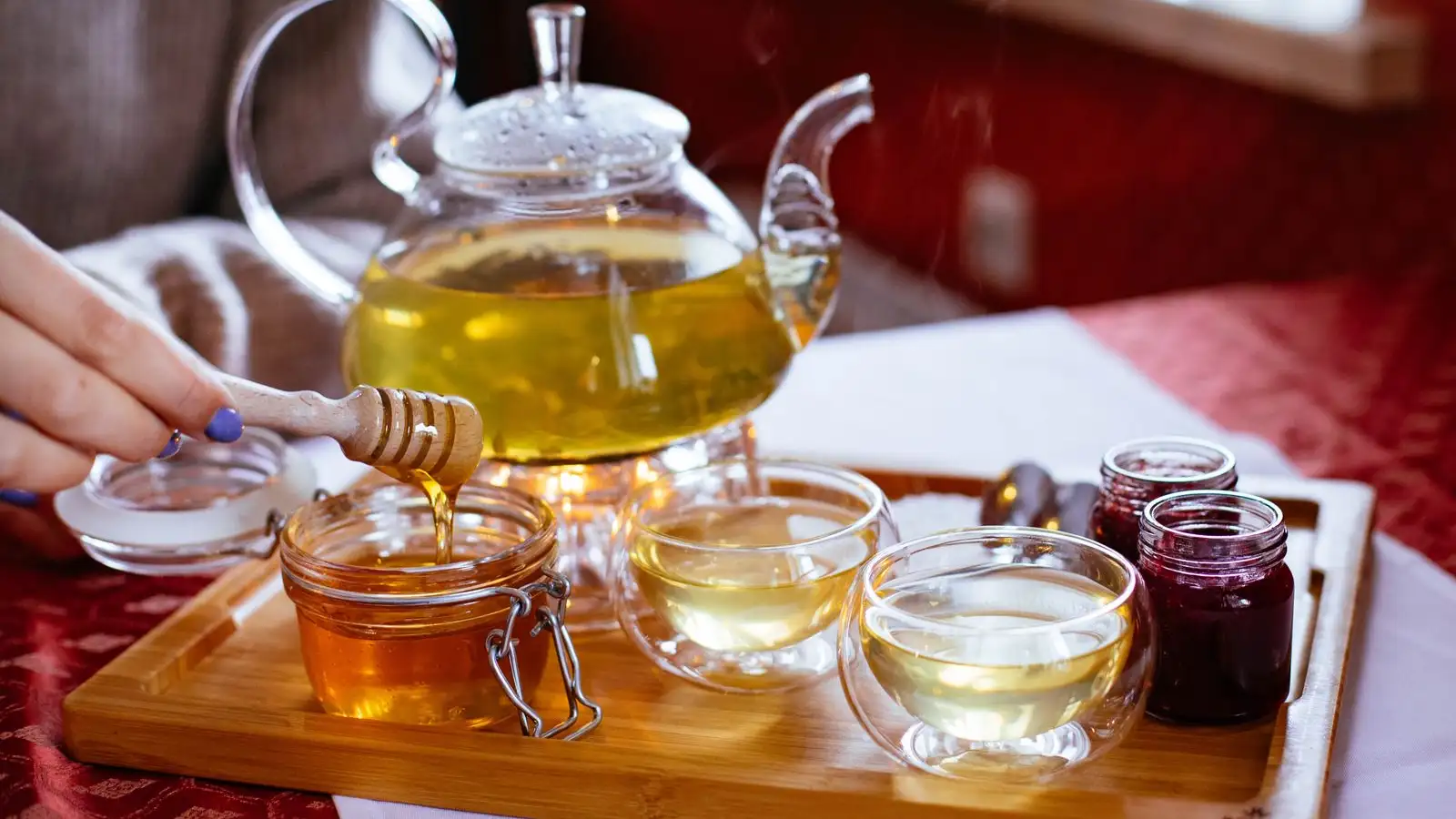
Learn how equal parts honey and hot water make a honey syrup that dissolves in cold drinks, plus 1:1 vs 2:1 ratios, crystallized honey, and aroma.
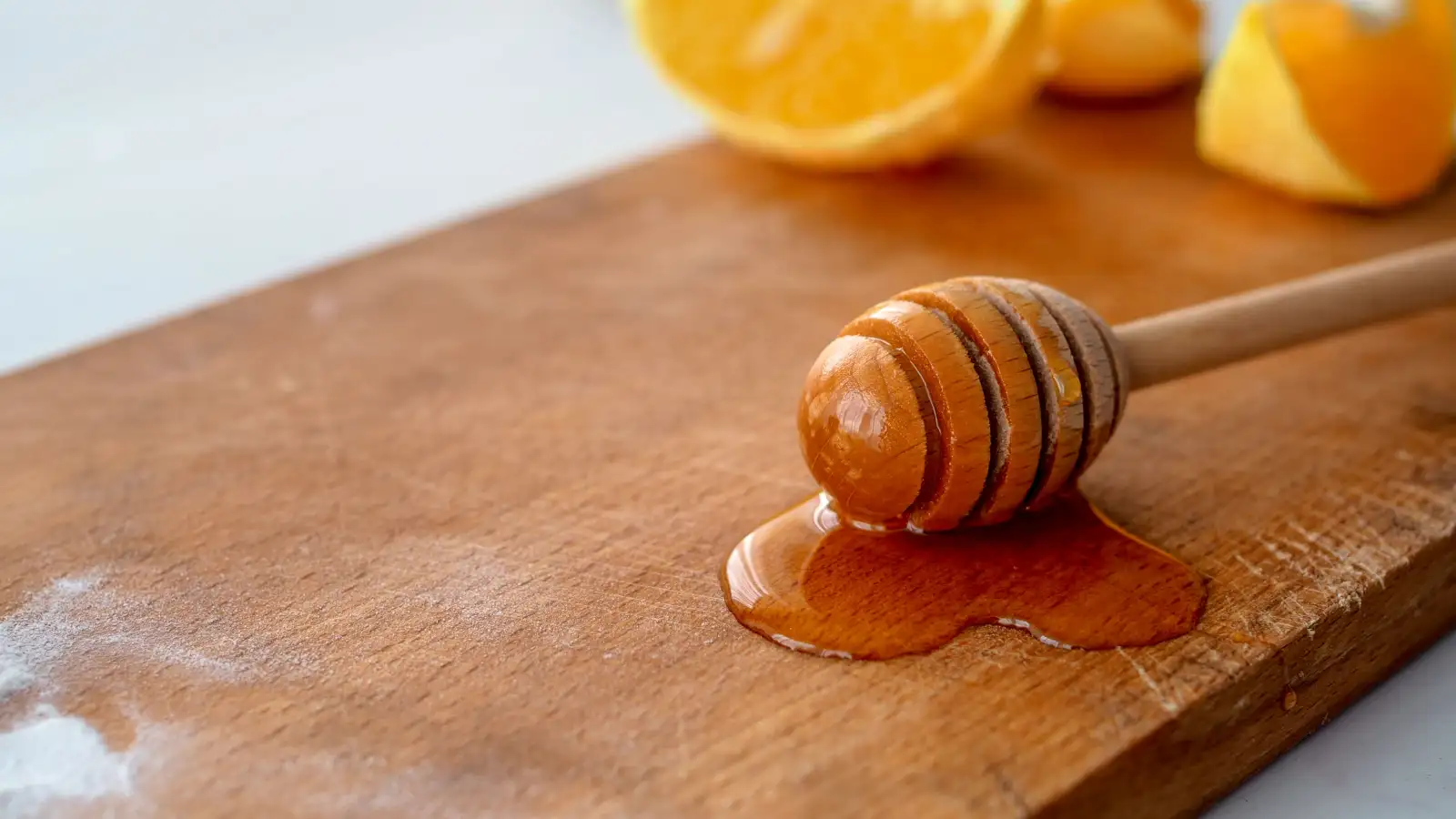
Heat strips raw honey's aroma but leaves its sugar, acid, and water untouched. Here's what to weigh, what to expect, and where the pricey jar pays off.
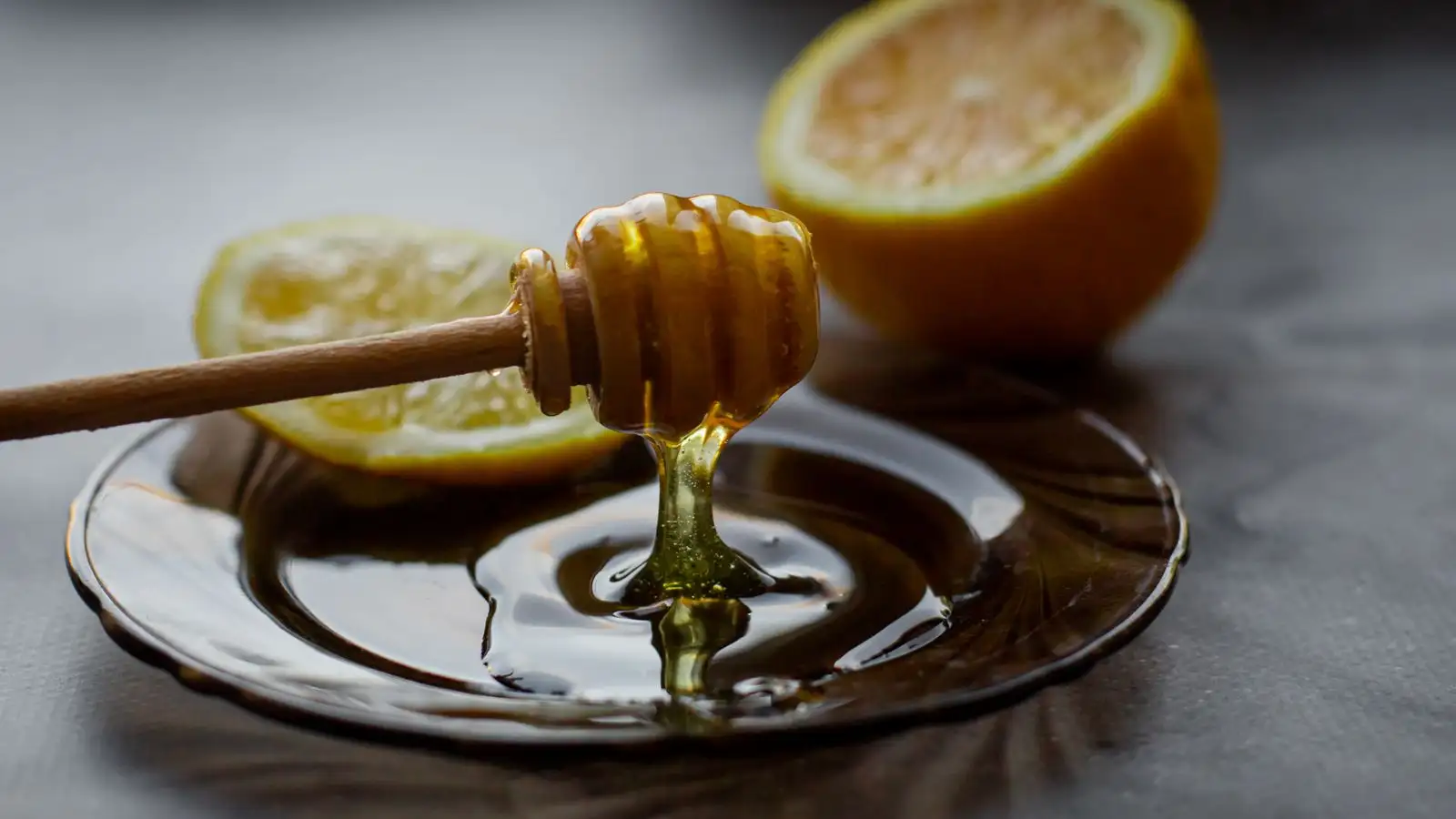
Raw and pasteurized honey bake nearly the same at 350°F. Here's what survives the oven, what disappears, and why varietal flavor still shows up.
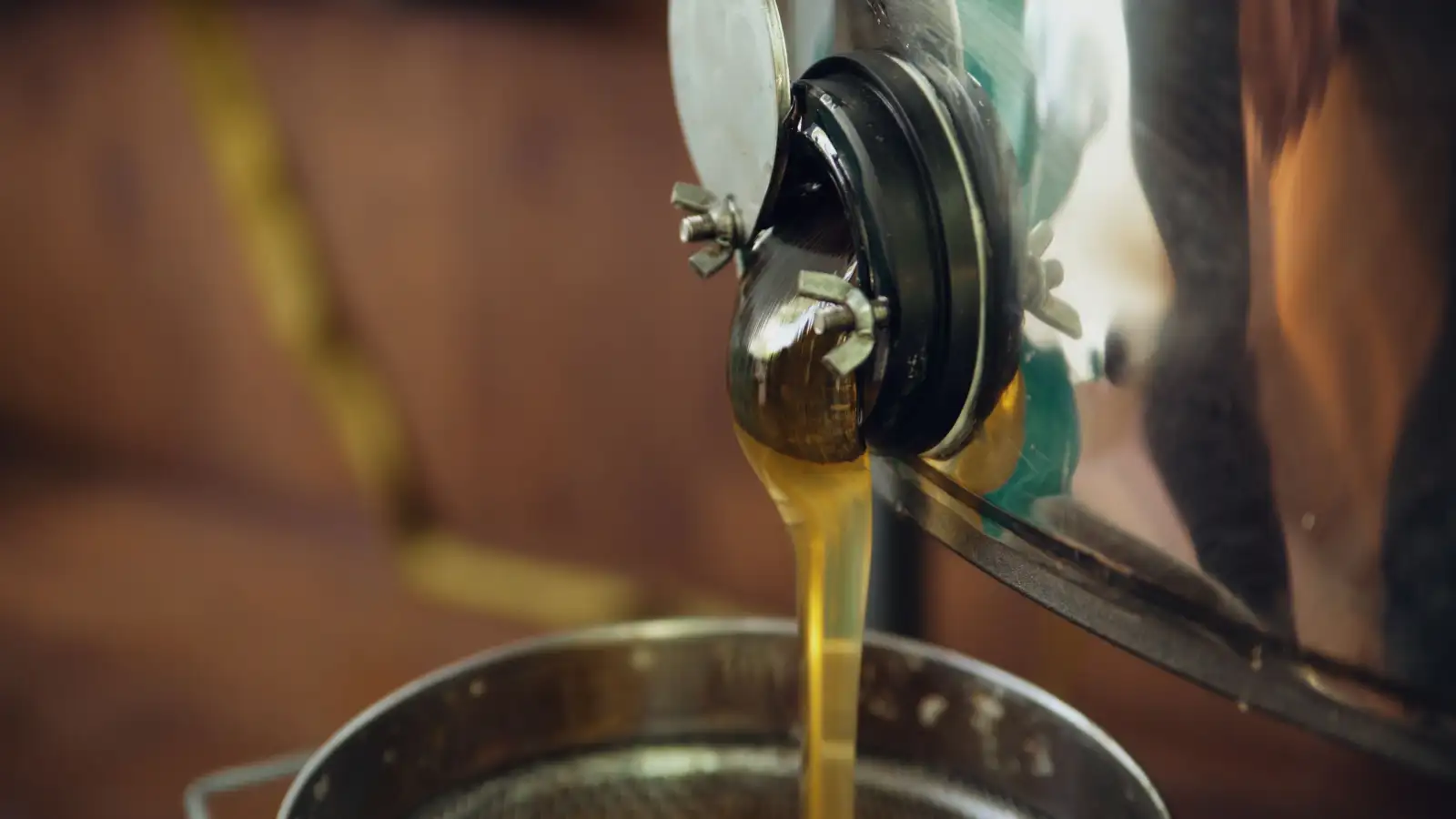
Honey's low water activity stops microbes, not flavor loss. How moisture, light, heat, and odors degrade honey over time, and how to store it so it still tastes right.
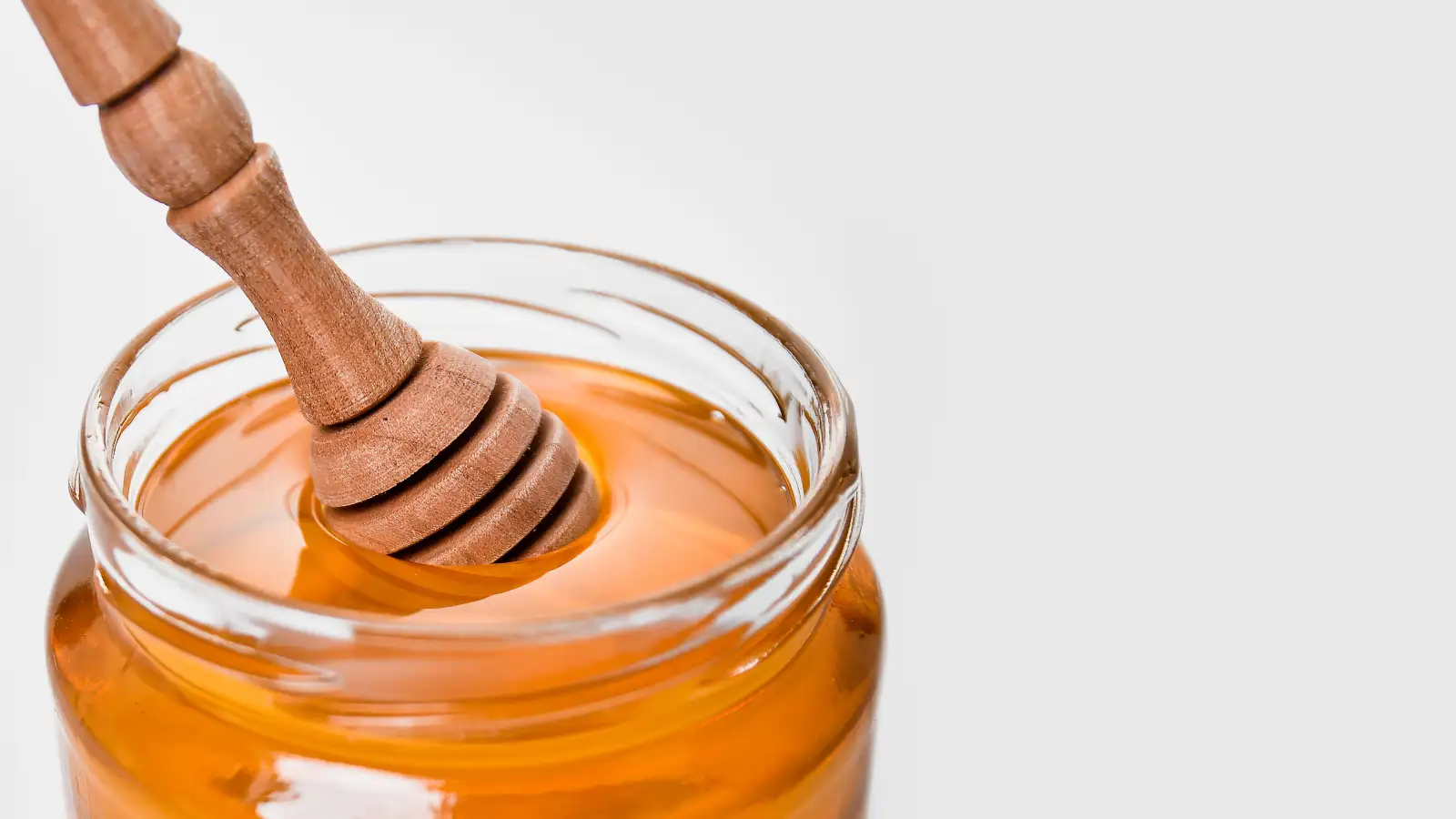
Color is a shortcut for how honey tastes and browns, not a quality grade. What pale, amber, and dark jars do differently in baking and sauces.
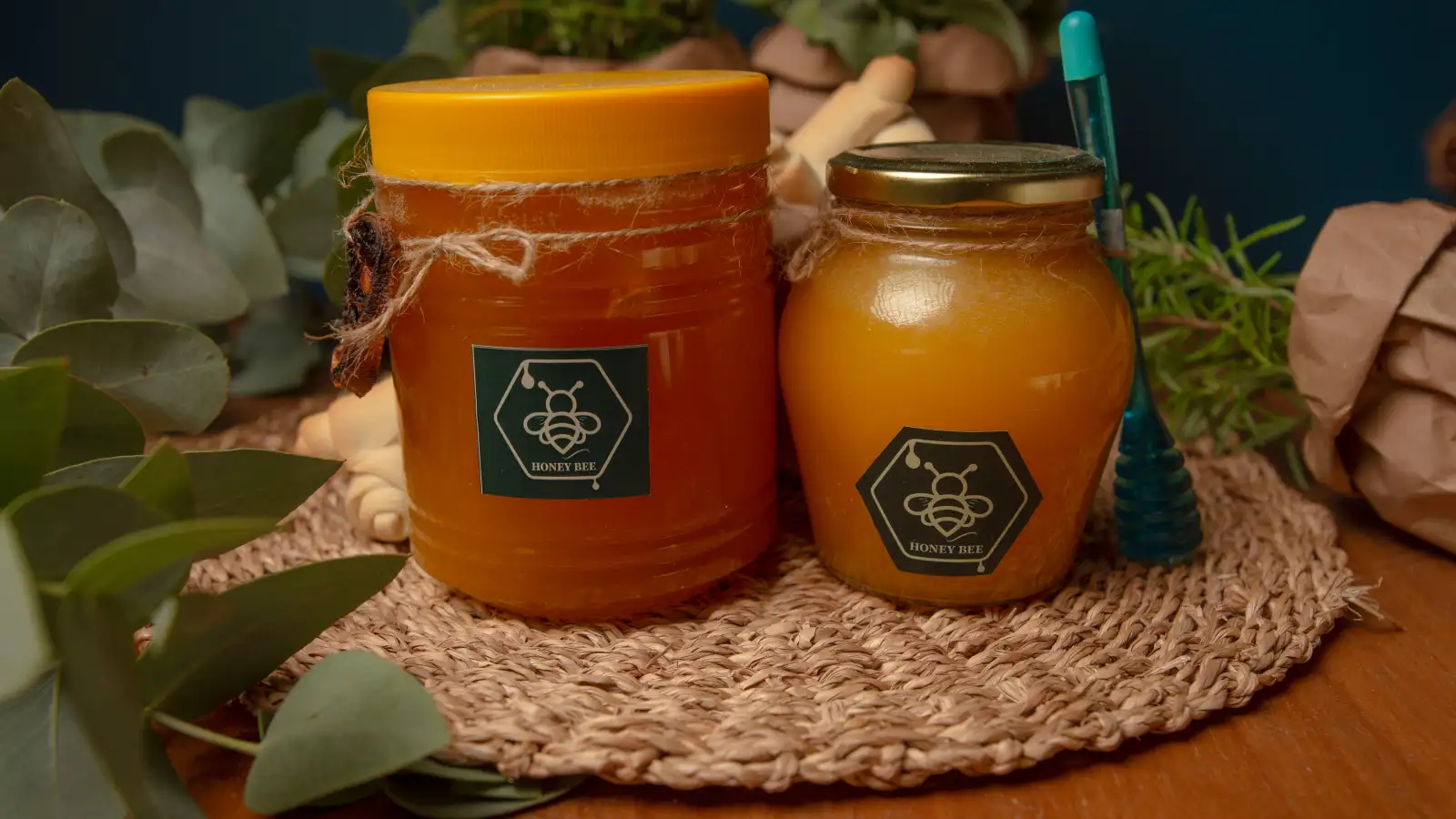
Honey labels rarely list water content or crystalline state. Here's how a baker reads a jar before it goes into a batter, and what to measure instead.
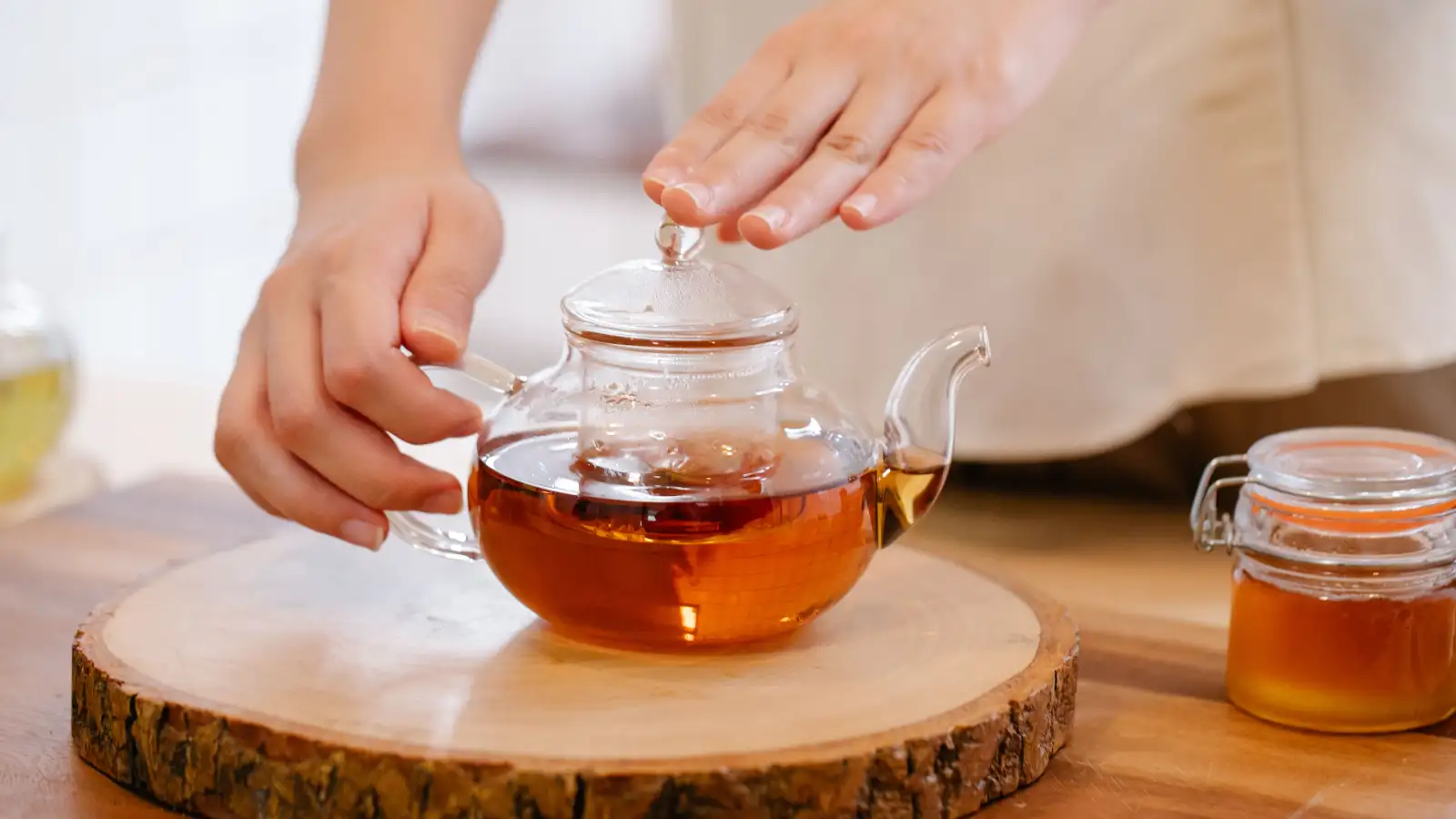
Raw honey sinks and refuses to blend in cold drinks. Warm it or make a 1:1 honey syrup and it mixes easily into iced tea, cold brew, and cocktails.
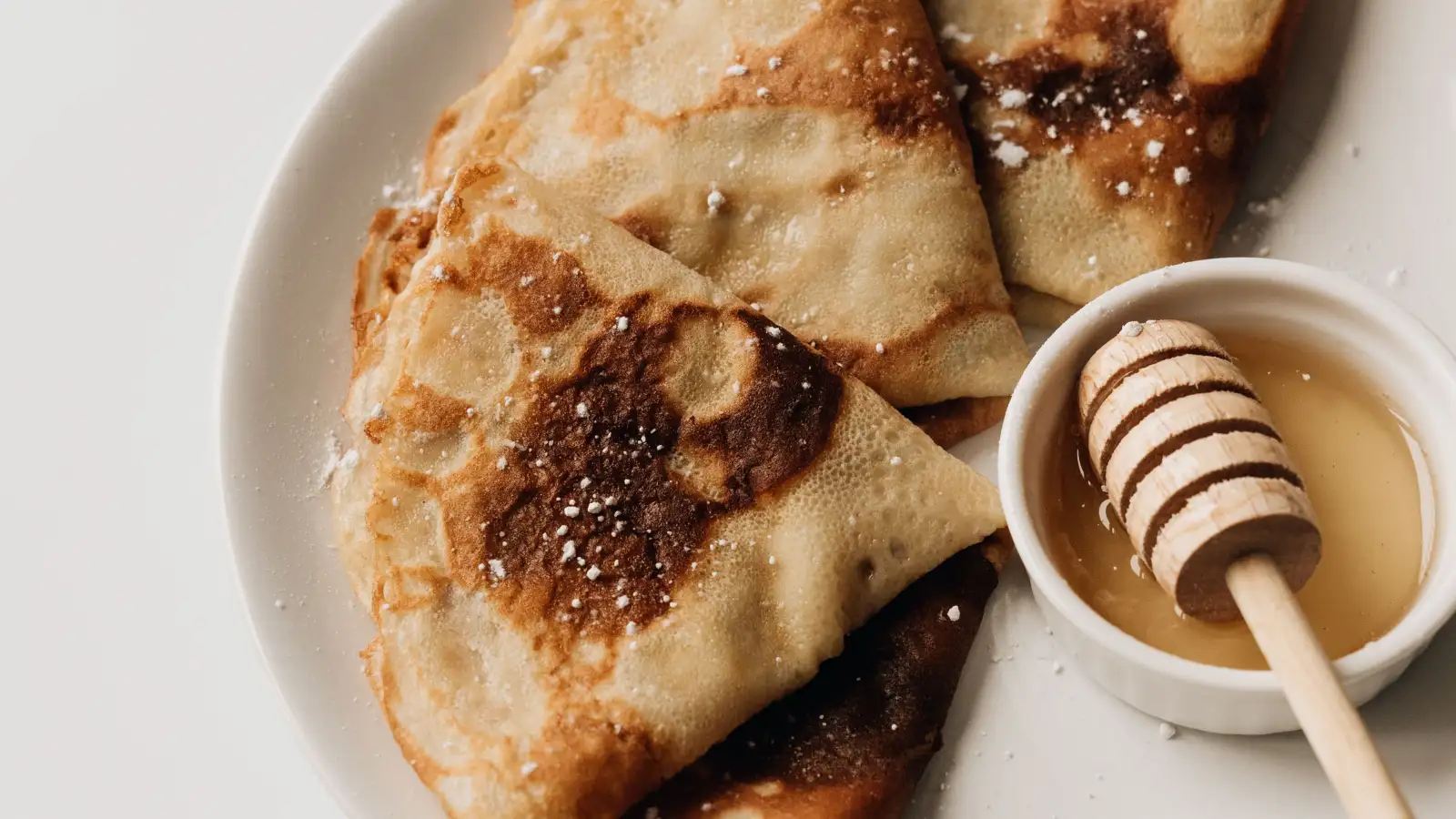
Honey isn't a 1:1 swap for sugar. Cut the liquid by 1/4 cup, add baking soda, drop the oven 25°F, and learn which recipes can't take honey at all.
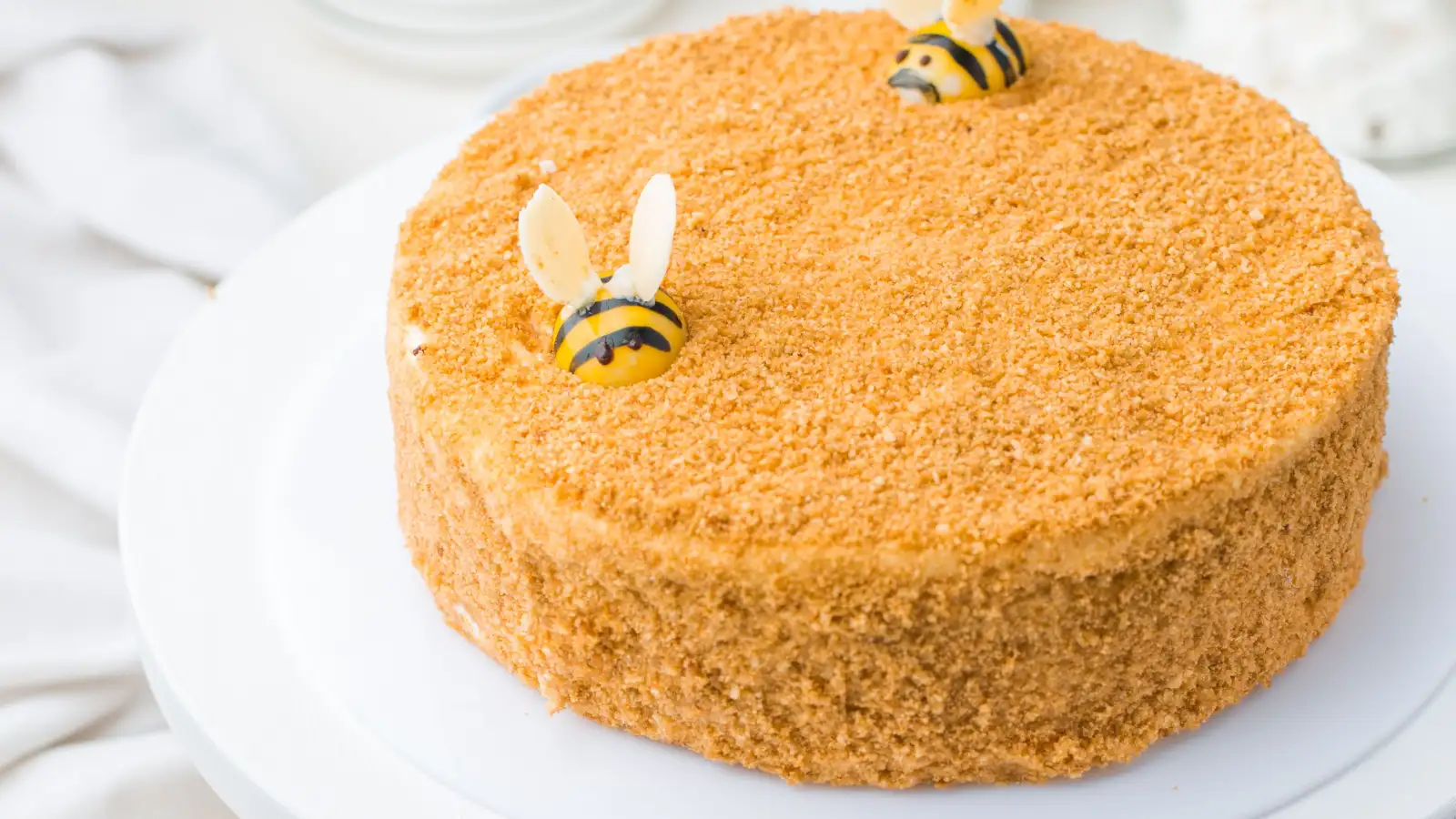
Buckwheat honey brings more water, more acid, and darker flavor than clover, so the same cake batter hydrates, browns, and tastes different in the oven.