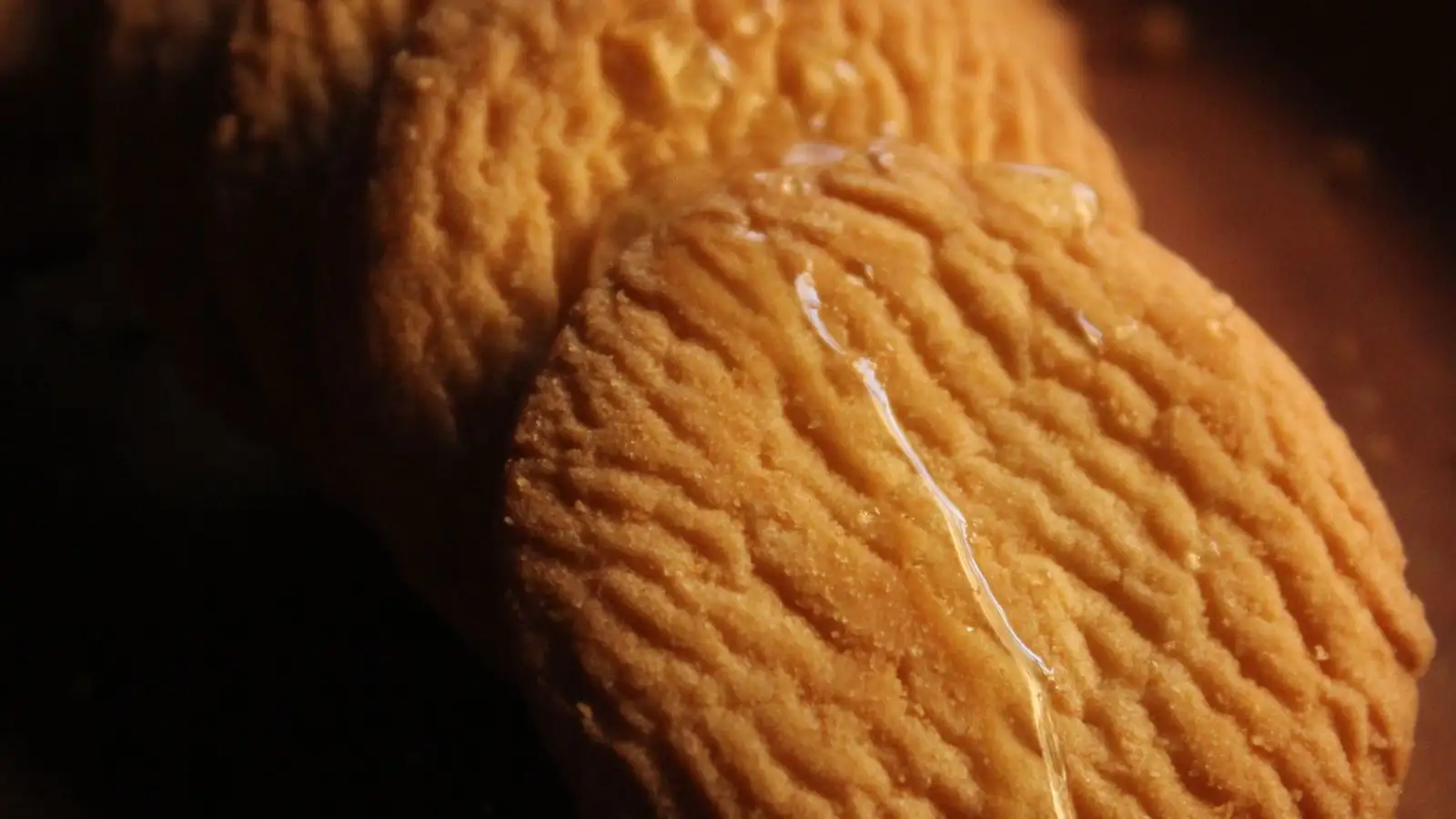
Honey Keeps Cookies Soft for Days, if You Choose the Right Recipe
Honey is hygroscopic, so it keeps baked goods soft for days. Here's how to tell which recipes want that moisture and which ones need to stay crisp.
Honey is hygroscopic, so it keeps baked goods soft for days. Here's how to tell which recipes want that moisture and which ones need to stay crisp.
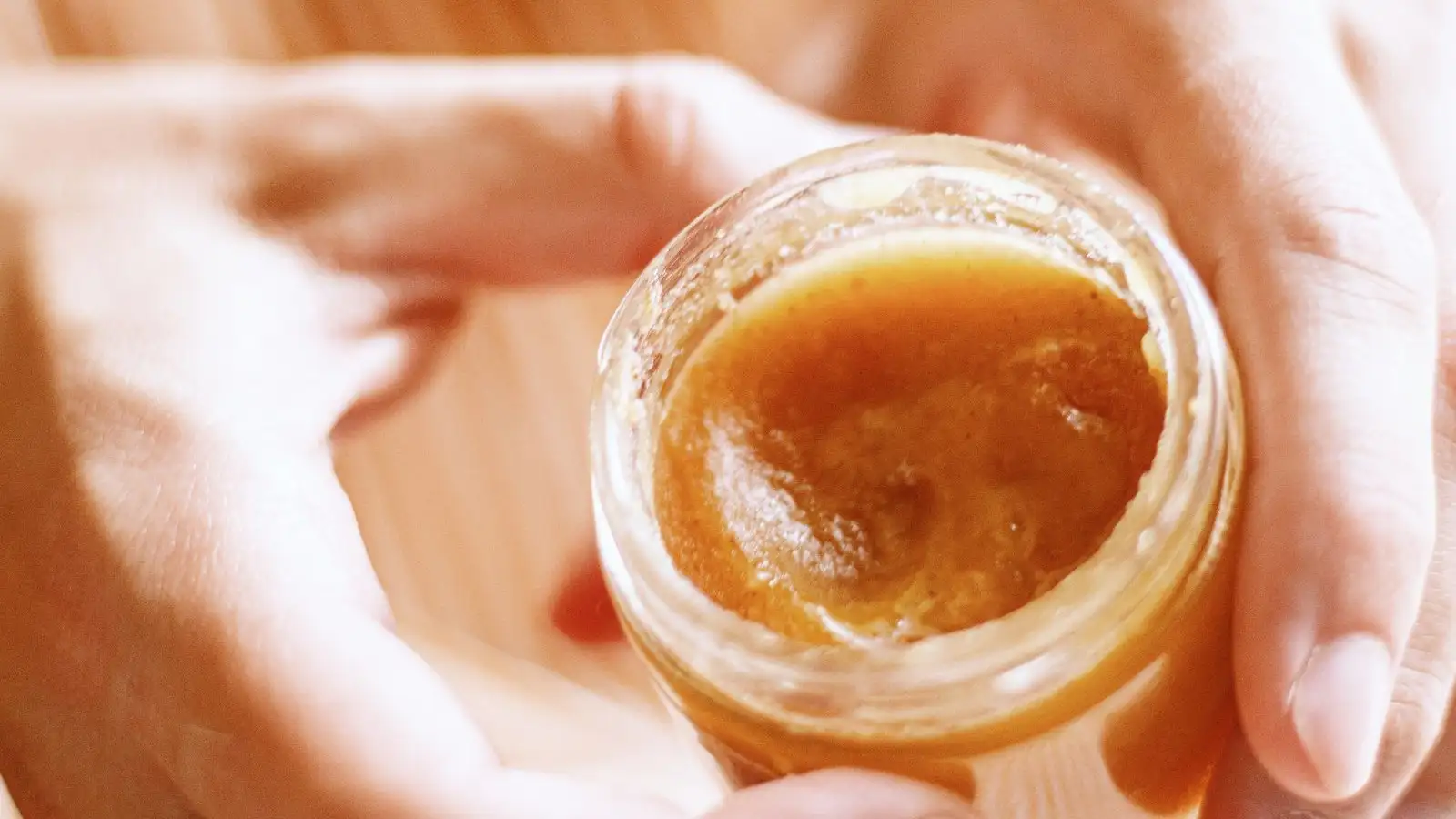
How to re-liquefy crystallized honey in a 100-110°F water bath, and when a solid jar can go straight into the cake batter without melting it first.
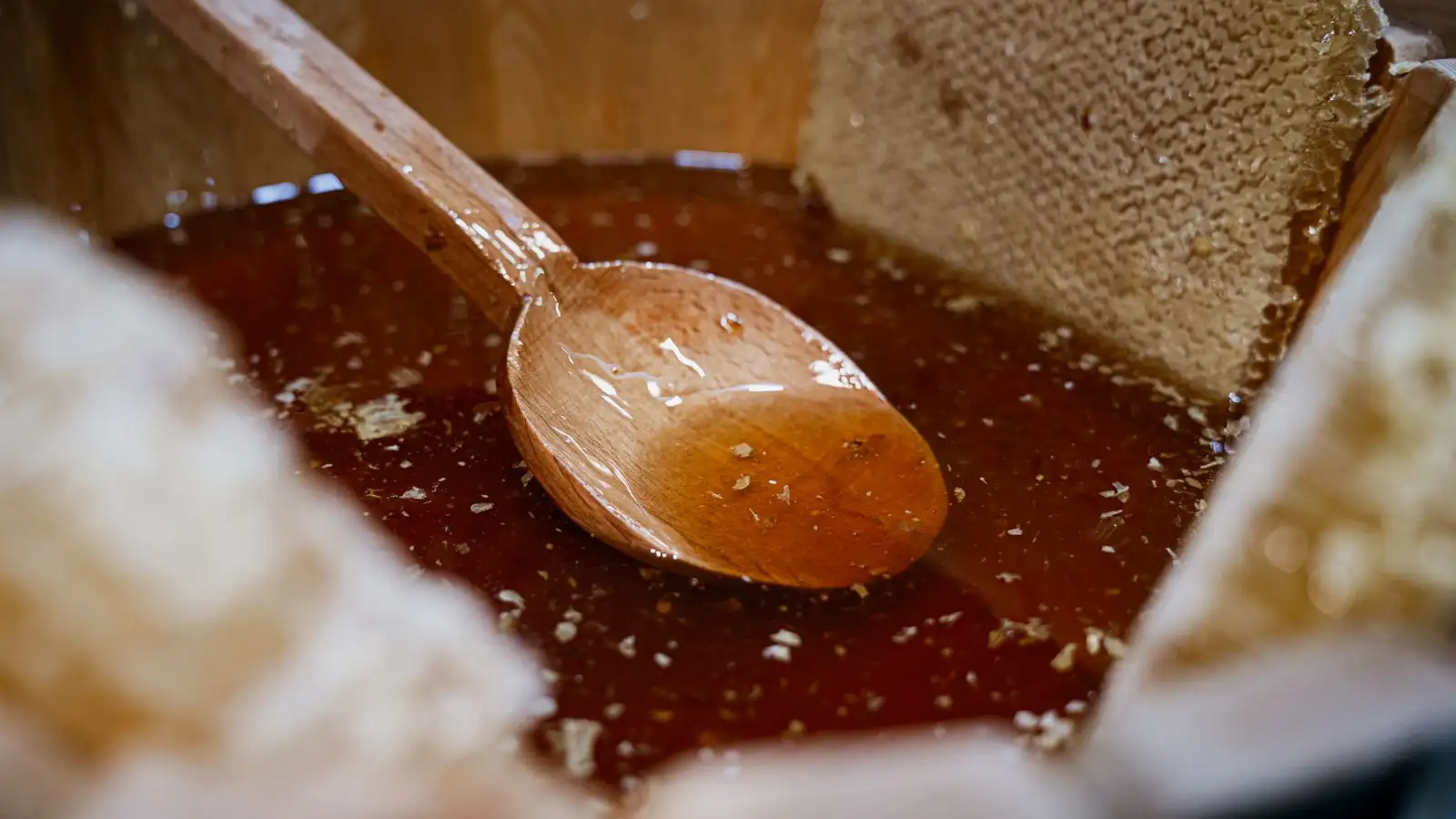
Honey and granulated sugar are not interchangeable by measure. Here is how water content, fructose, and acidity change what each one does in a recipe.
The same honey varietal can taste like two different foods across regions. Here's how soil, bloom timing, and nearby forage change aroma, and how to taste it.
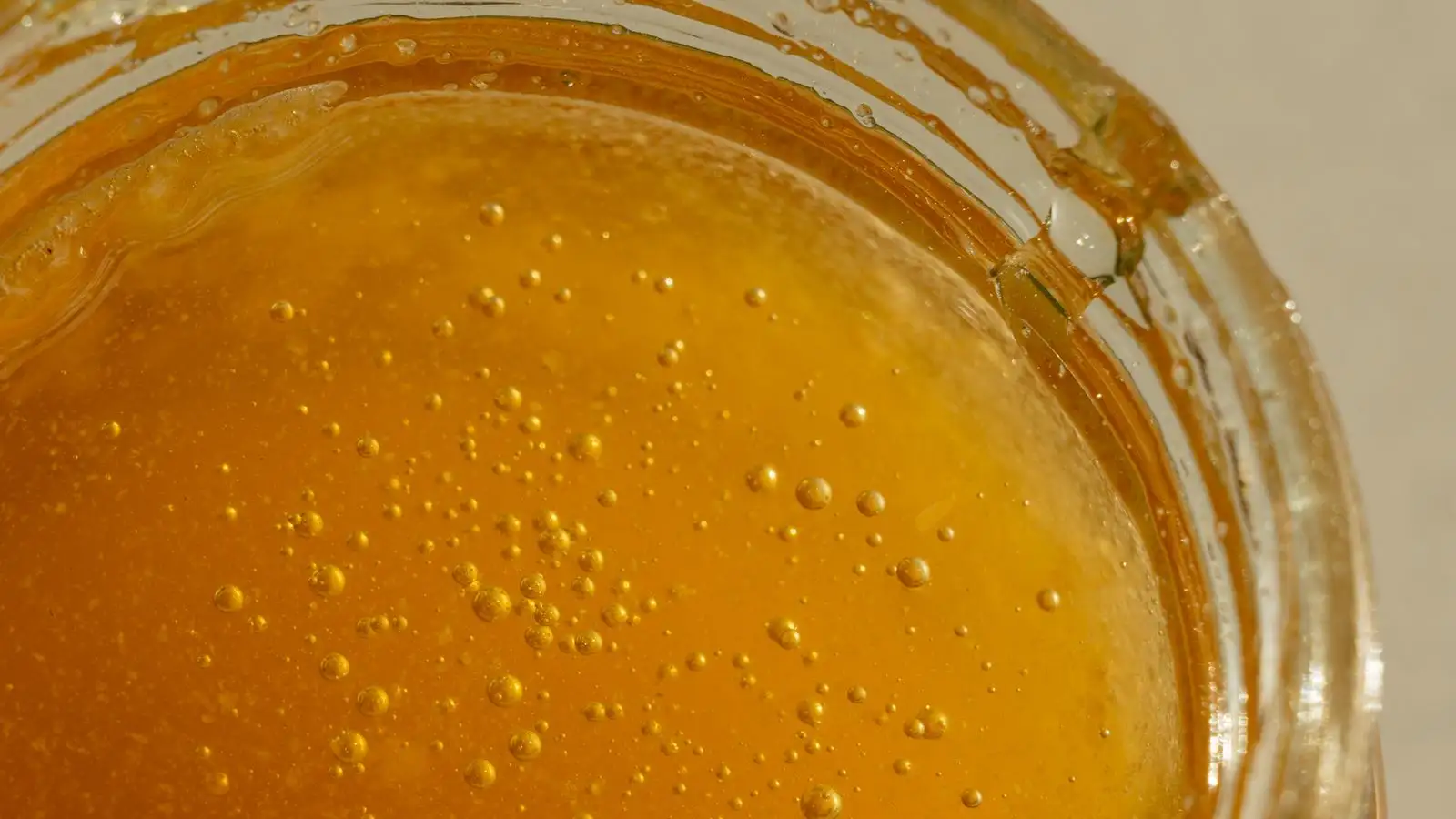
A water bath at 95-110°F brings a crystallized jar of raw honey back to liquid without cooking off the aroma. Here's how to hold the temperature.
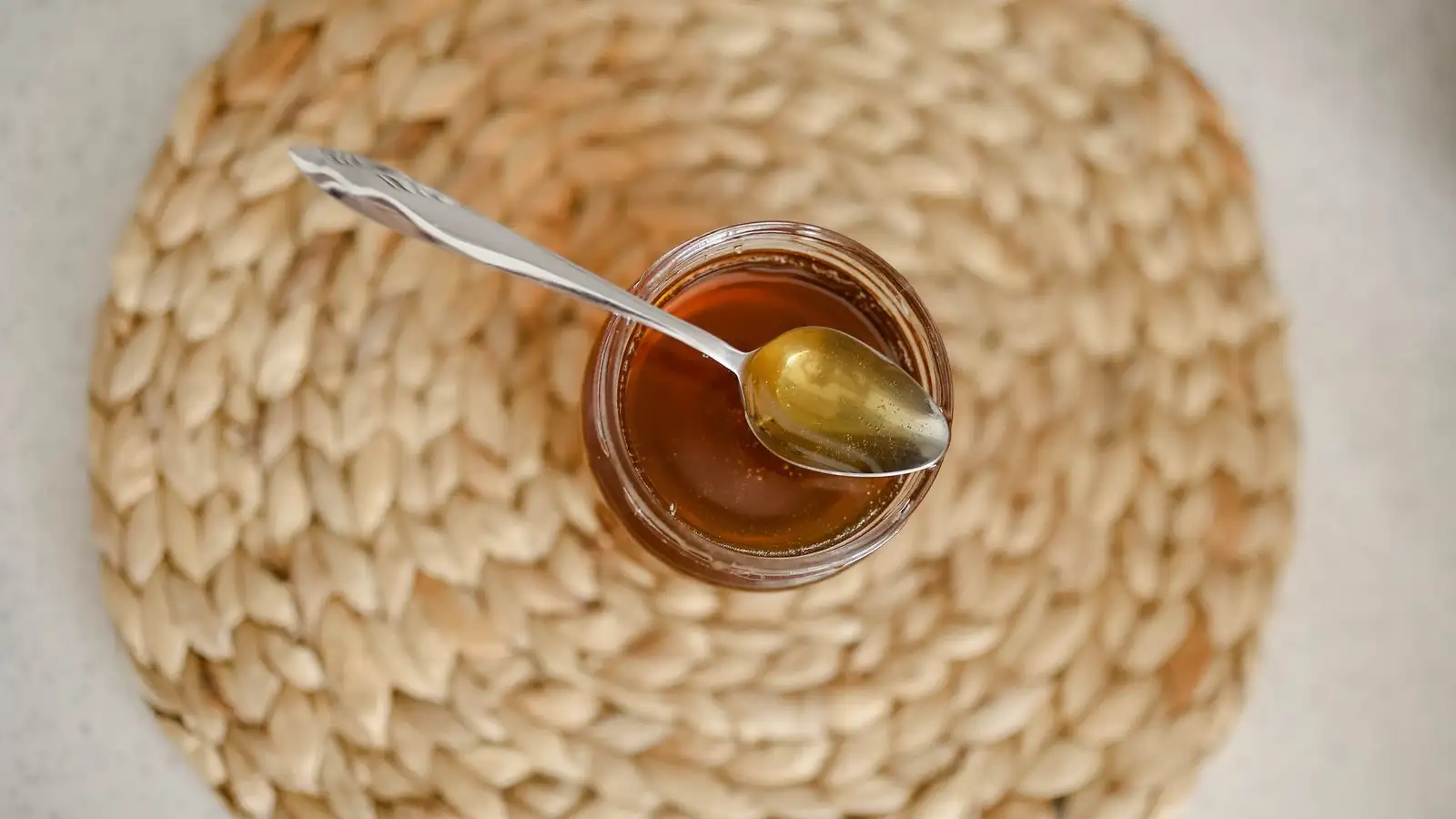
How monofloral honey stays focused on one aroma signature while polyfloral honey layers several, and the flavor wheel names what you taste.
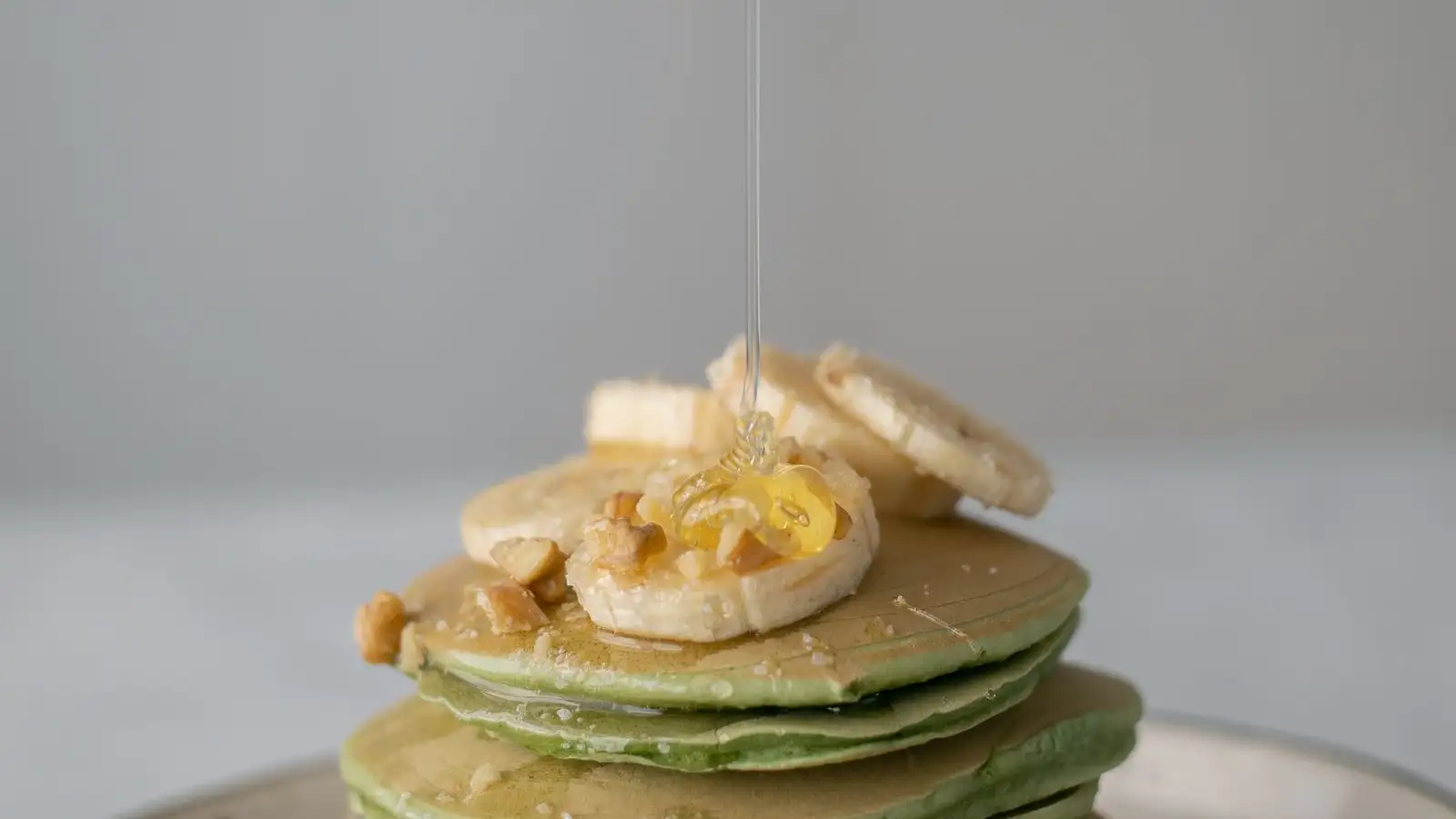
Swapping sugar for honey mid-recipe shifts moisture, sweetness per gram, and browning. Organic certification changes none of the mixing-bowl math.
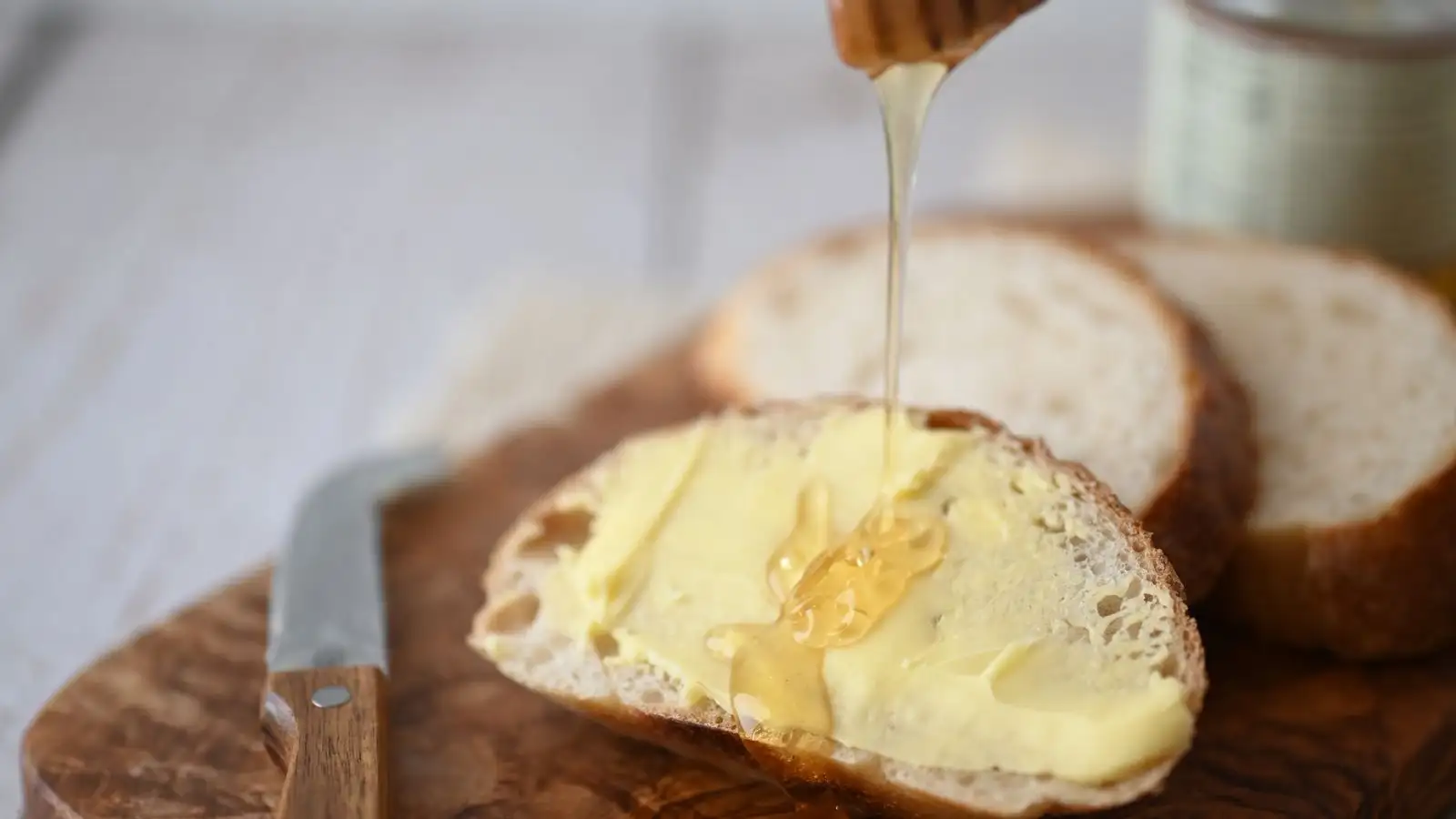
Rainfall, bloom timing, and soil make the same varietal honey taste and set differently year to year. How to compare two jars — and why color misleads.
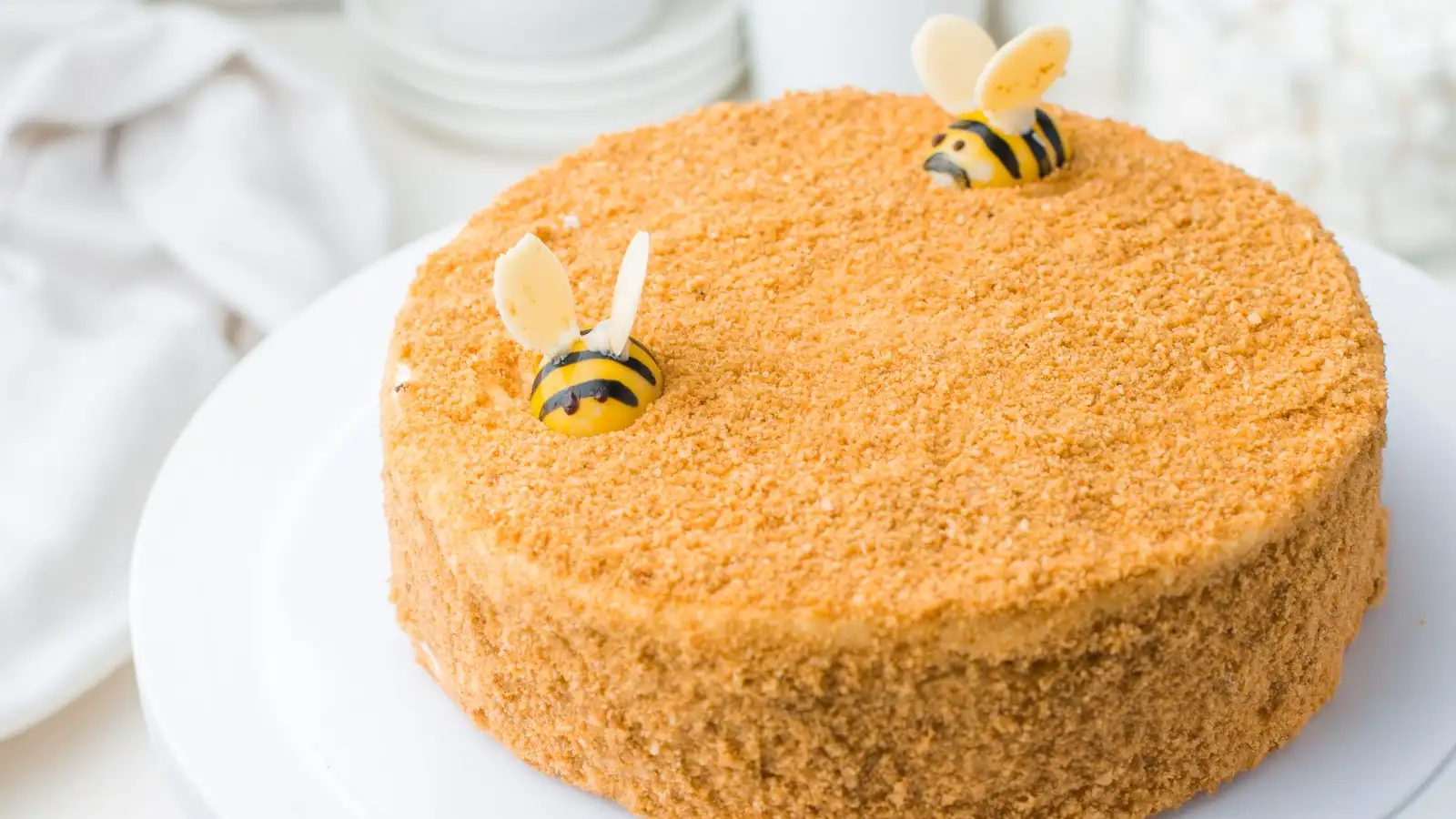
Honey changes crumb structure, spread, and rise — not just flavor. How creaming, water, and acidity behave when sugar is swapped out, and why half is right.
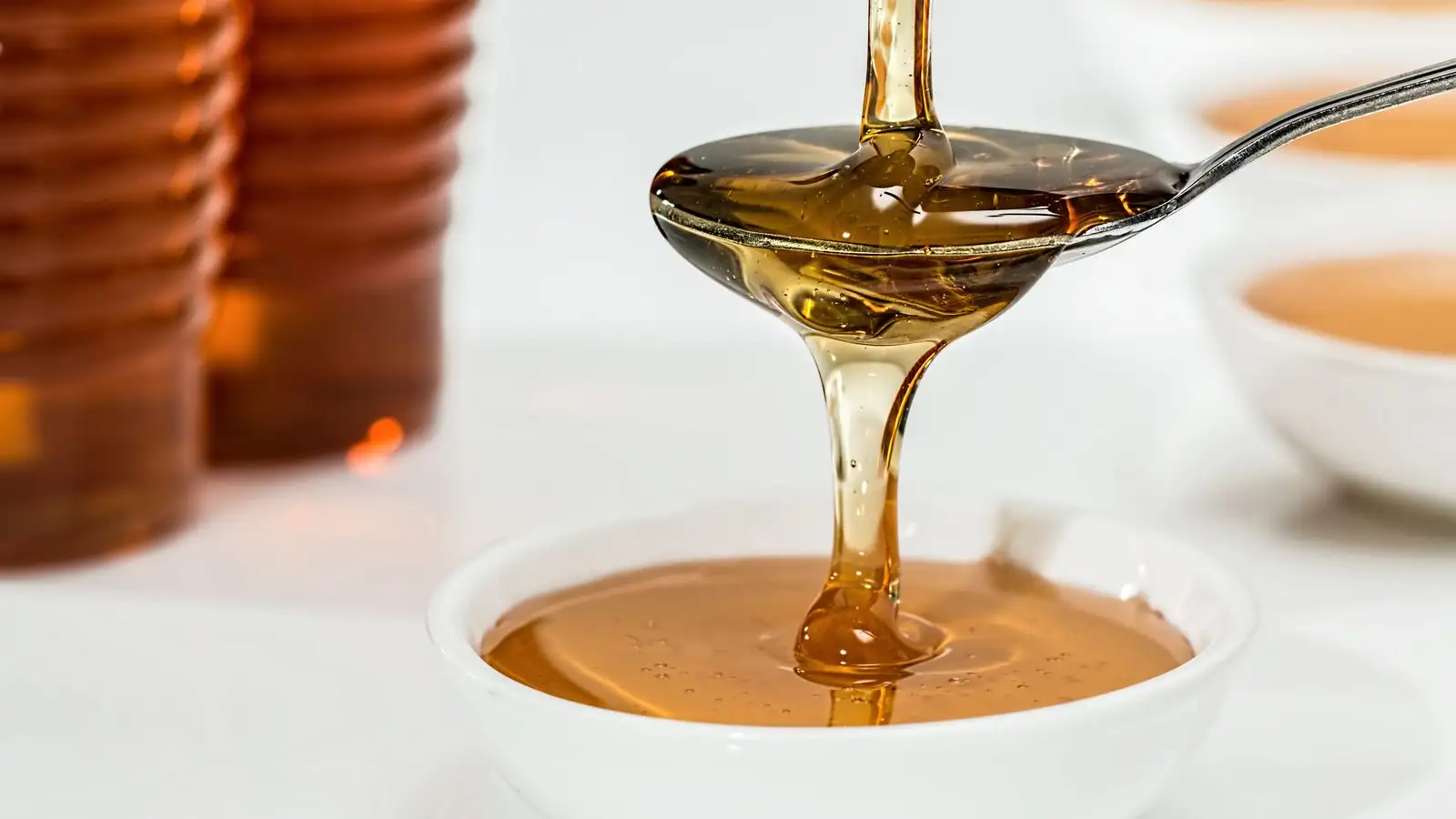
Manuka honey tastes less sweet, with wet-bark aroma, lingering bitterness, and astringency. Here's the exact vocabulary and how to taste it beside clover.