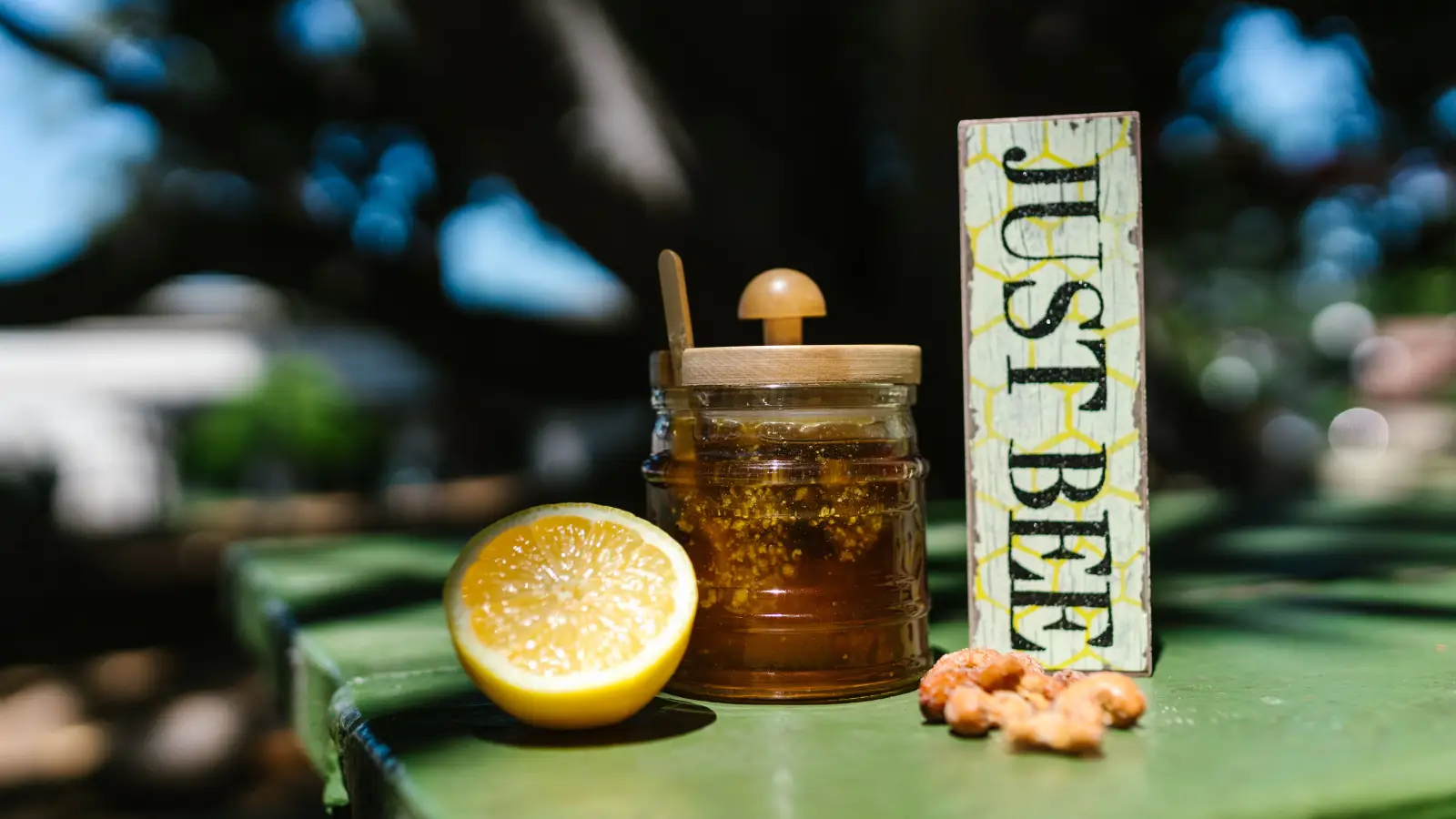
Antibacterial Honey Isn't Just Manuka—Here's the Science
Honey’s antibacterial power comes from hydrogen peroxide, acidity, and phytochemicals—not just Manuka. Learn which mechanisms make even affordable raw honey work.
Honey’s antibacterial power comes from hydrogen peroxide, acidity, and phytochemicals—not just Manuka. Learn which mechanisms make even affordable raw honey work.
Honey allergies aren't caused by sugar or bee venom. The real culprits are bee-gland enzymes and pollen proteins. Learn how cross-reactivity with pollen allergies confuses patients.
Discover 5 monofloral honeys—from orange blossom to chestnut—and the specific volatile compounds like methyl anthranilate and linalool that shape their flavors. Plus, pairing tips.
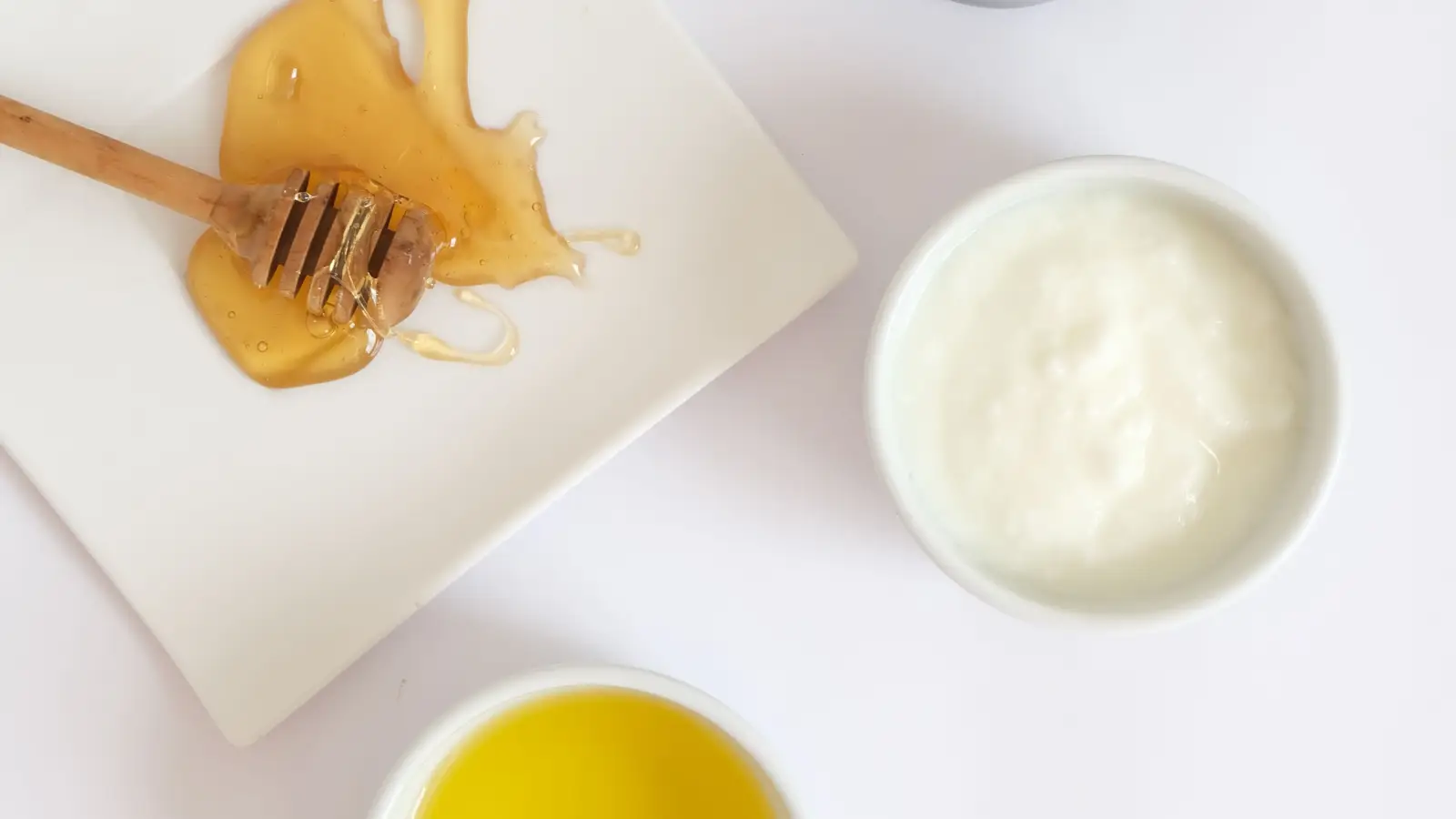
Learn how to make a honey face mask that works for oily, dry, sensitive, or mature skin. Raw honey humectant benefits, enzyme science, and patch-test steps included.
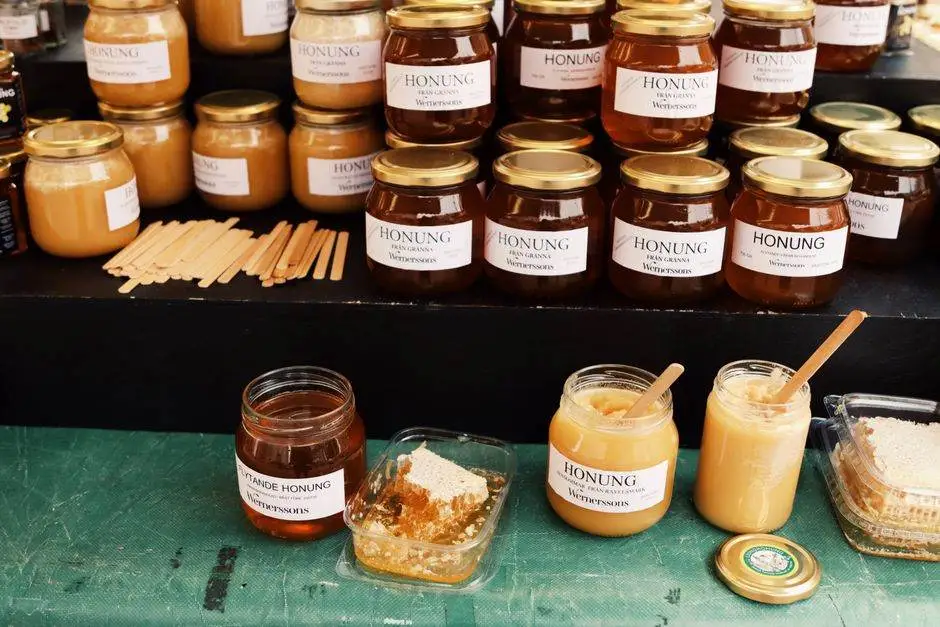
See how the USDA’s seven honey color designations—from Water White to Dark Amber—map to floral sources and predict flavor, without measuring purity or sweetness.
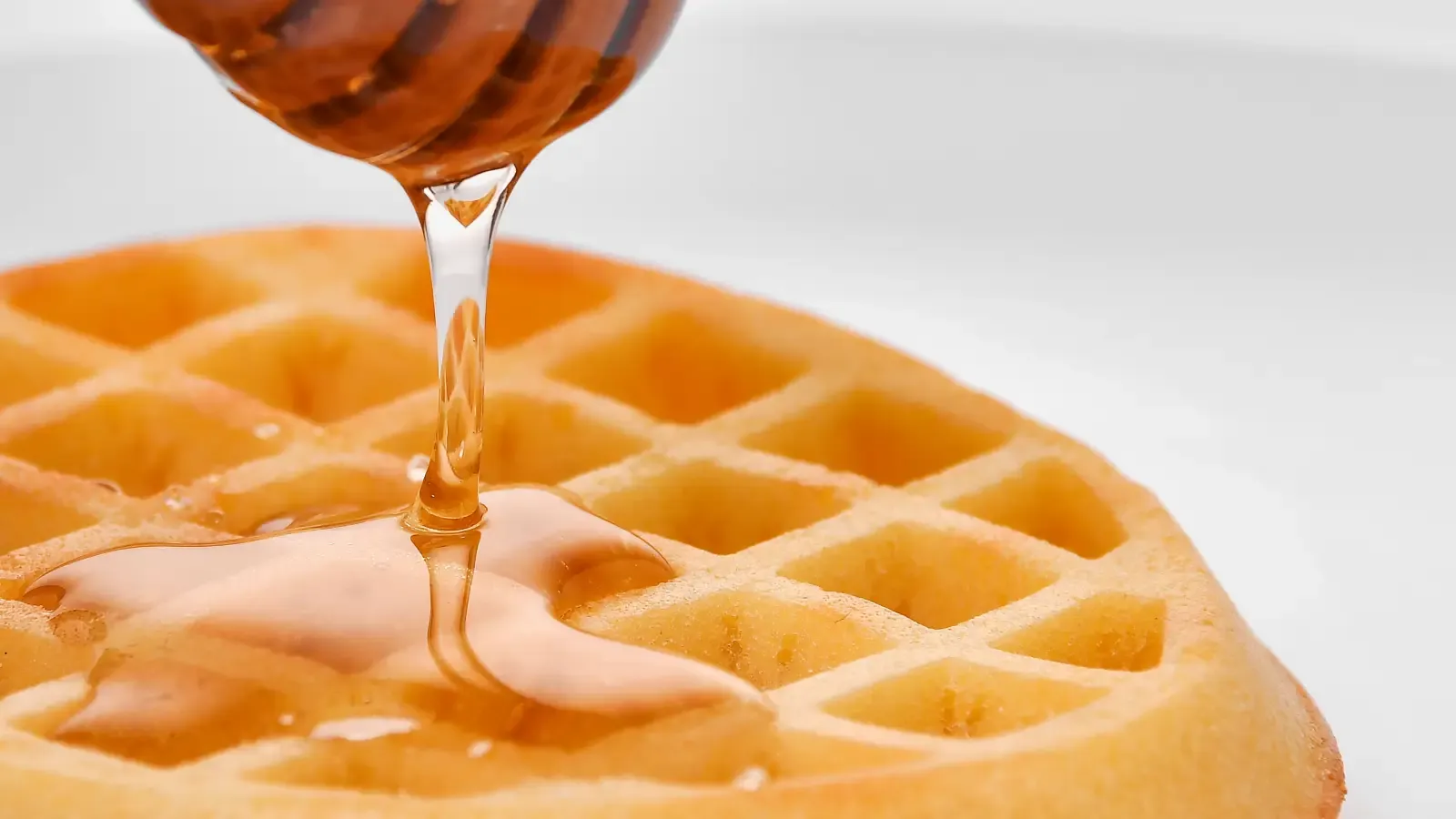
Struggle with overly sweet honey dishes? Learn the technique-first approach to balance honey with acid, salt, and fat. Discover which varietals work with beef, pork, and more, and get a printable checklist.
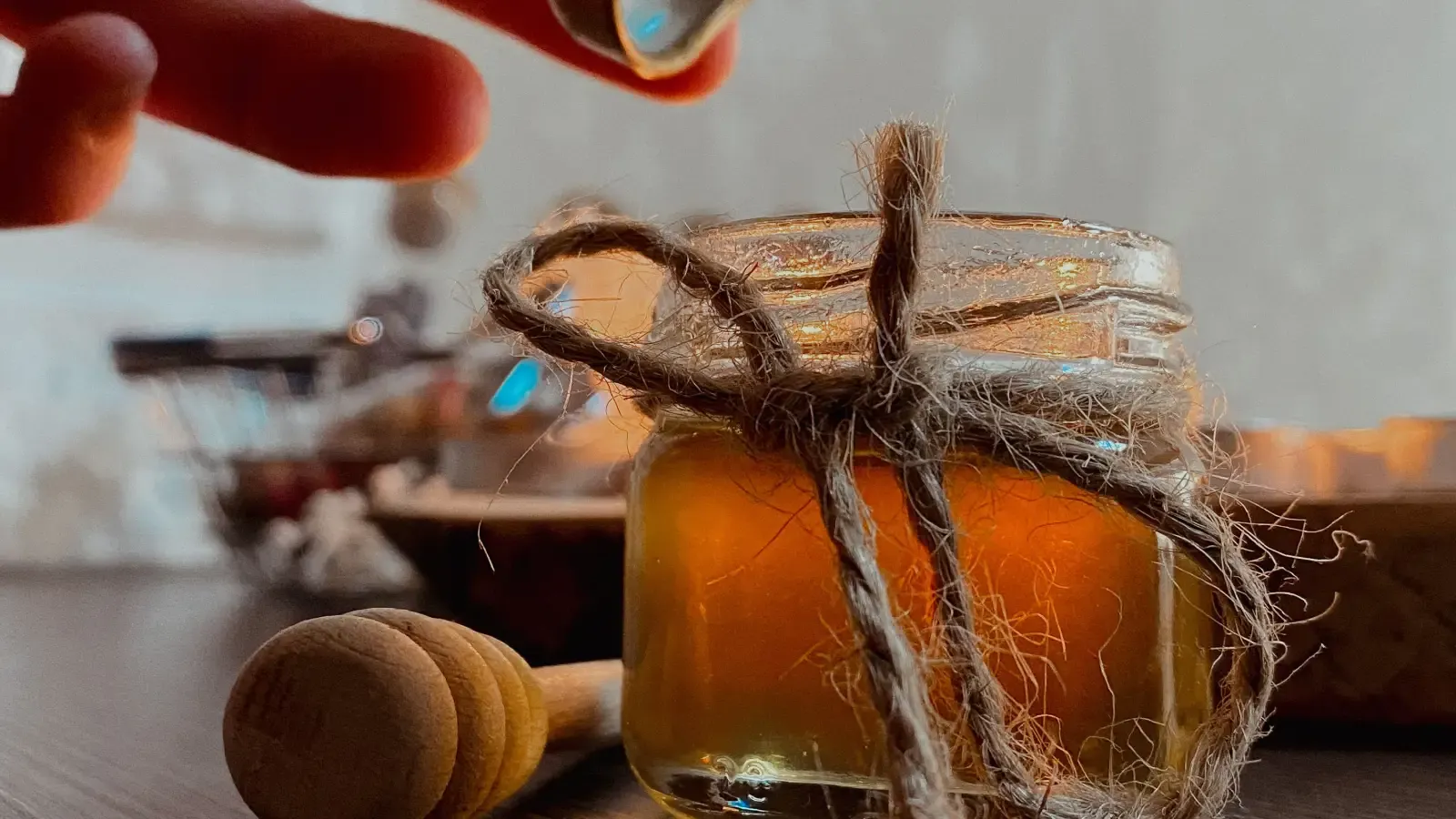
Freeze honey the right way: learn how to pick the best container, prevent freezer burn, and portion for single-use so you never thaw more than you need.
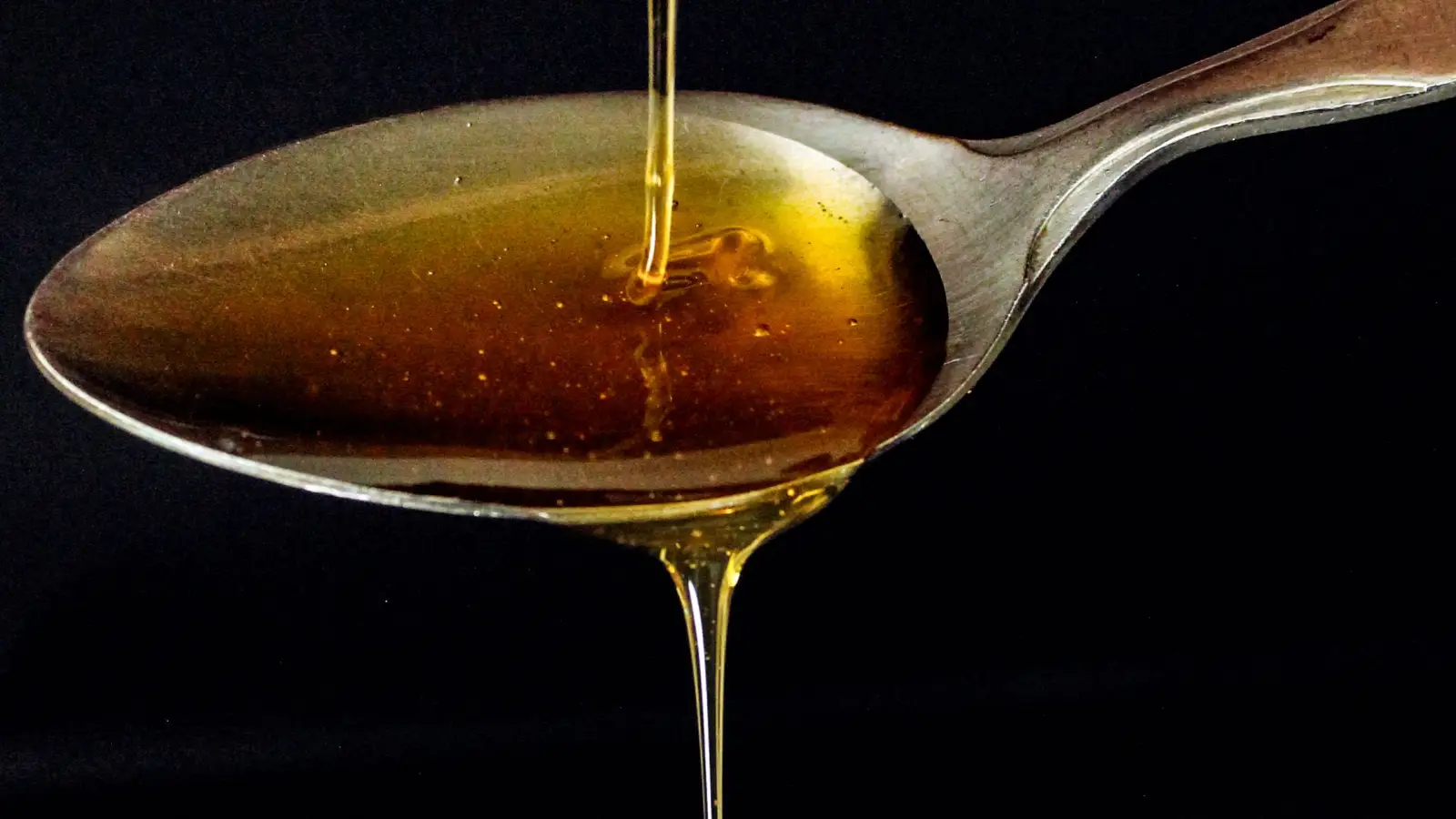
A clear breakdown of how 3 teaspoons of honey use up your daily added sugar cap, with visual portions and the real calorie trade-off for weight loss.
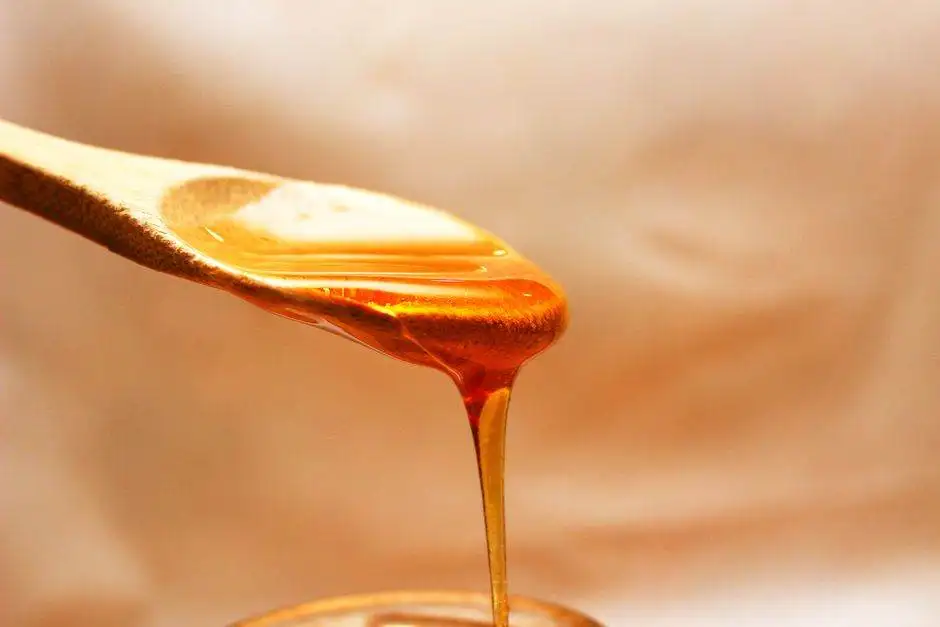
Honey's lab antibacterial effects don't survive your stomach. Learn why dilution, digestion, and dosage make honey useless for colds—and which remedies really work.