
Honey Hair Guide: Soft, Shiny Results When Nothing Else Worked
Raw honey’s humectants and enzymes can transform dry, lifeless hair—when applied correctly. Learn the exact dilution ratio, application order, and timing for soft, shiny results.
Raw honey’s humectants and enzymes can transform dry, lifeless hair—when applied correctly. Learn the exact dilution ratio, application order, and timing for soft, shiny results.
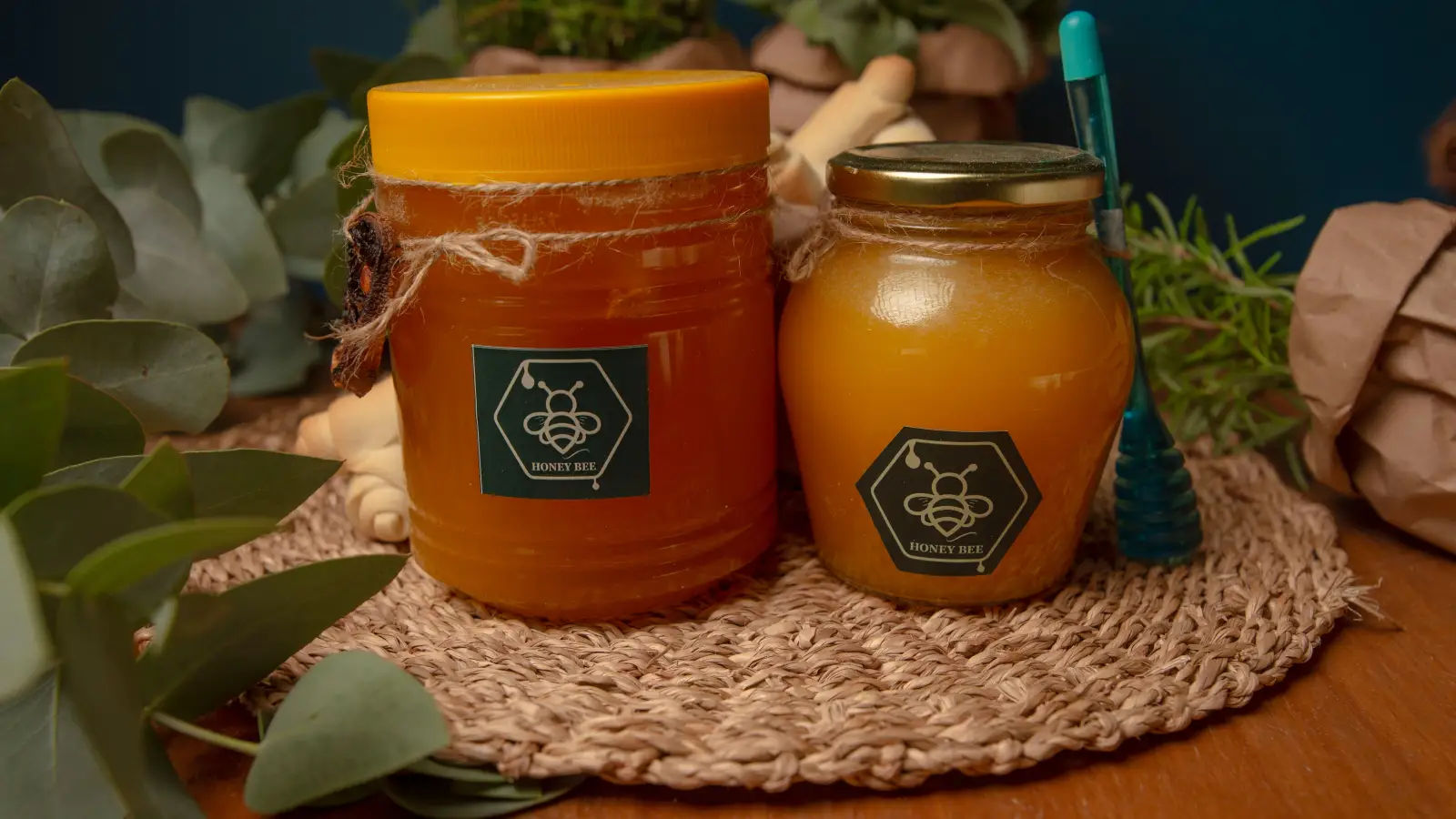
Stop trusting the word 'organic' on honey jars. Learn the quick check: look for the USDA seal and verify the five‑digit certifier number — skip the marketing claims.
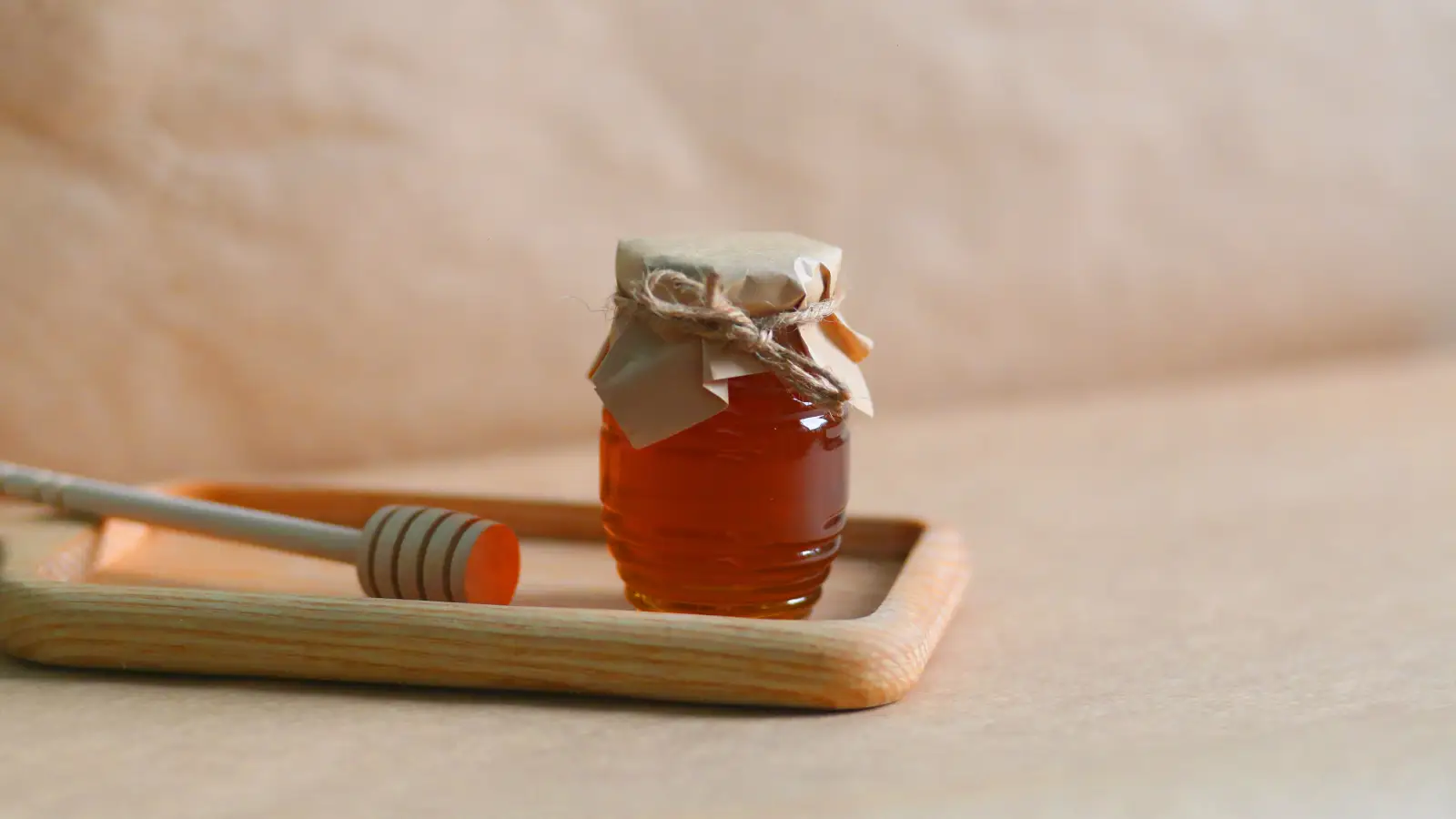
Raw honey can turn hay-like or bitter when heated. See why pasteurized honey often delivers cleaner flavor in baked goods, sauces, and glazes — and when raw still wins.
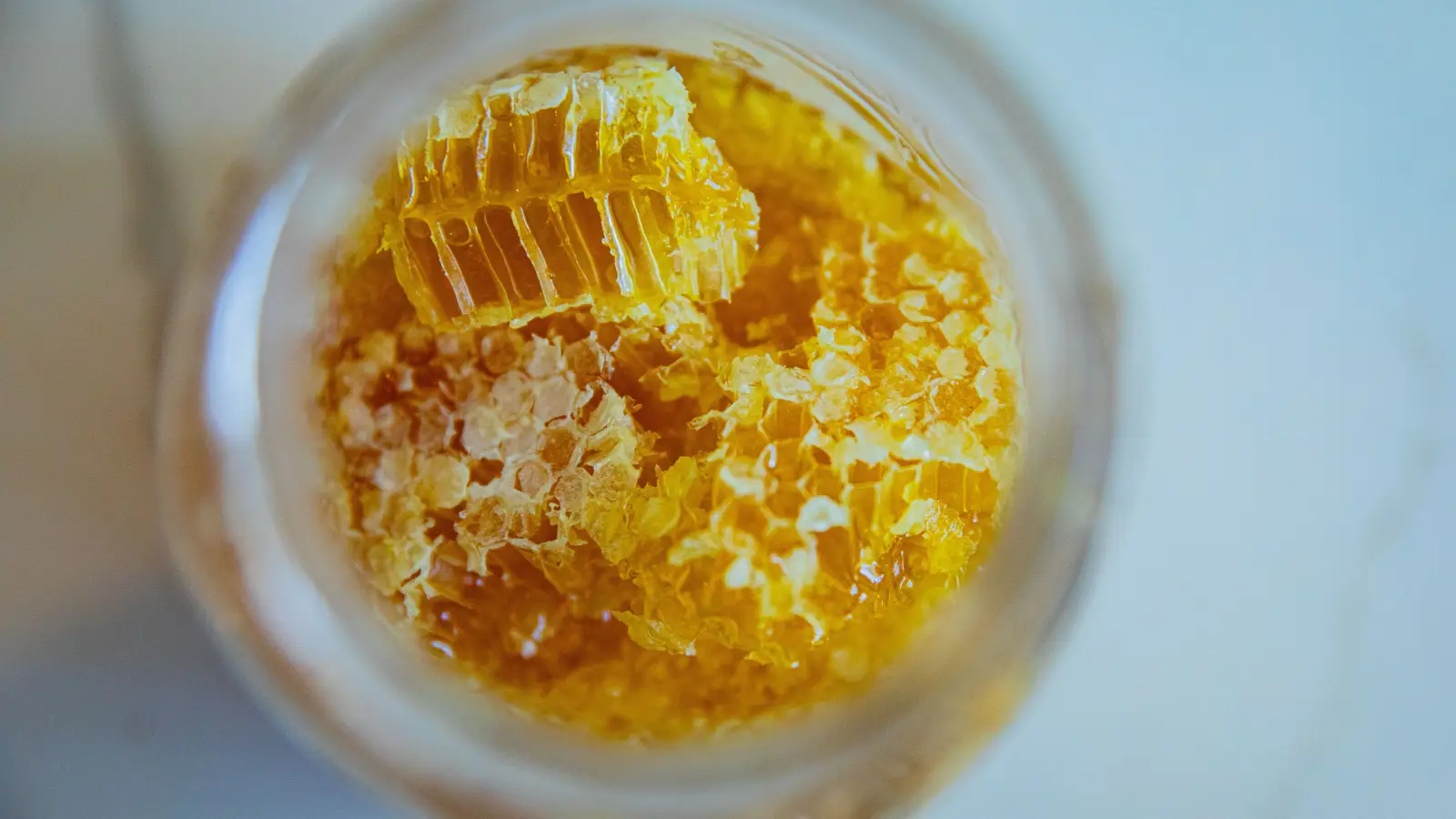
Spot the difference between harmless crystallization and real spoilage like fermentation or mold. Use simple sensory checks to decide if your honey is safe to eat.
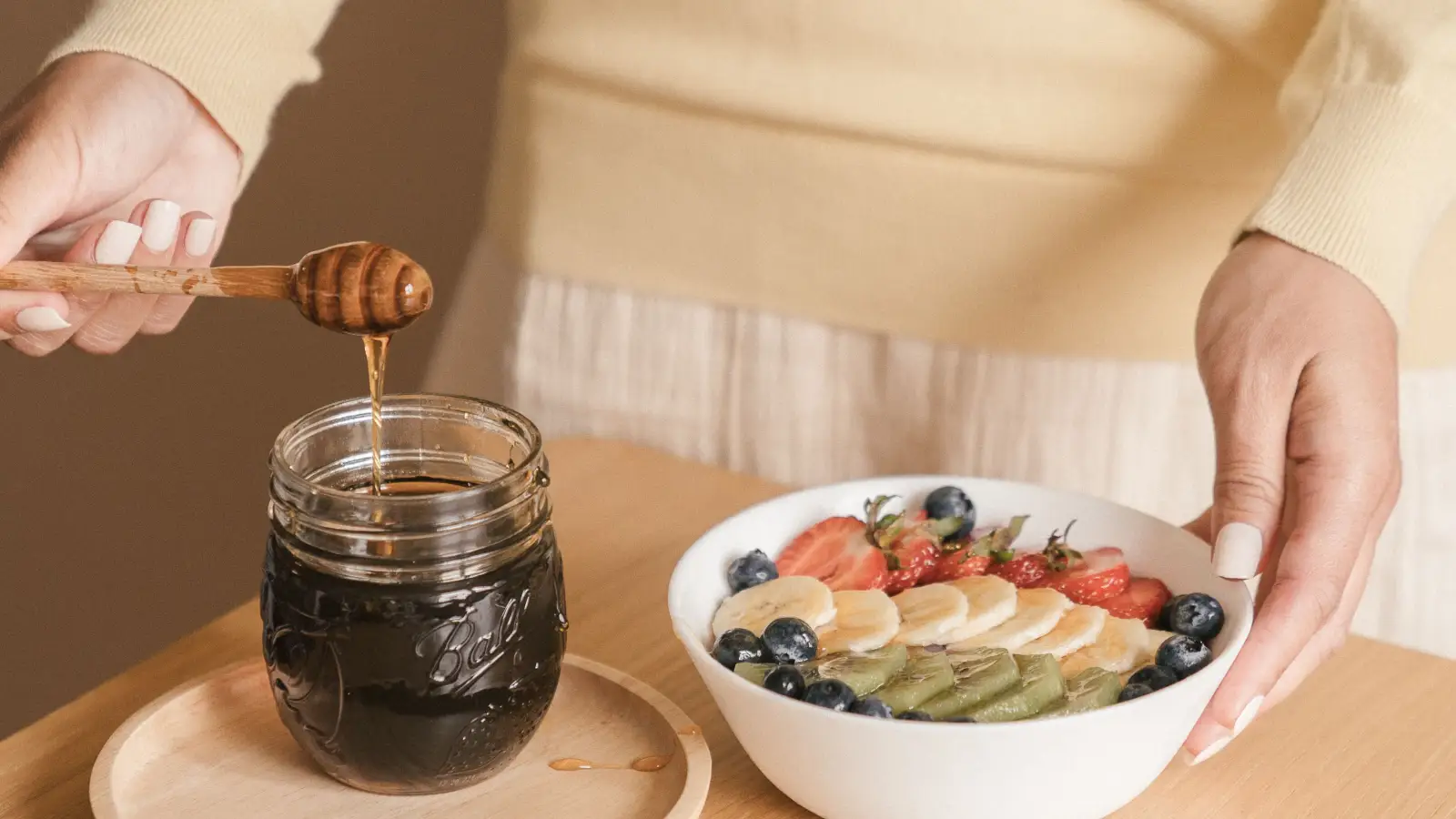
A tablespoon of honey provides 64 calories and 17g of sugar, with negligible vitamins. Learn when its enzymes offer a functional difference and when they don't.
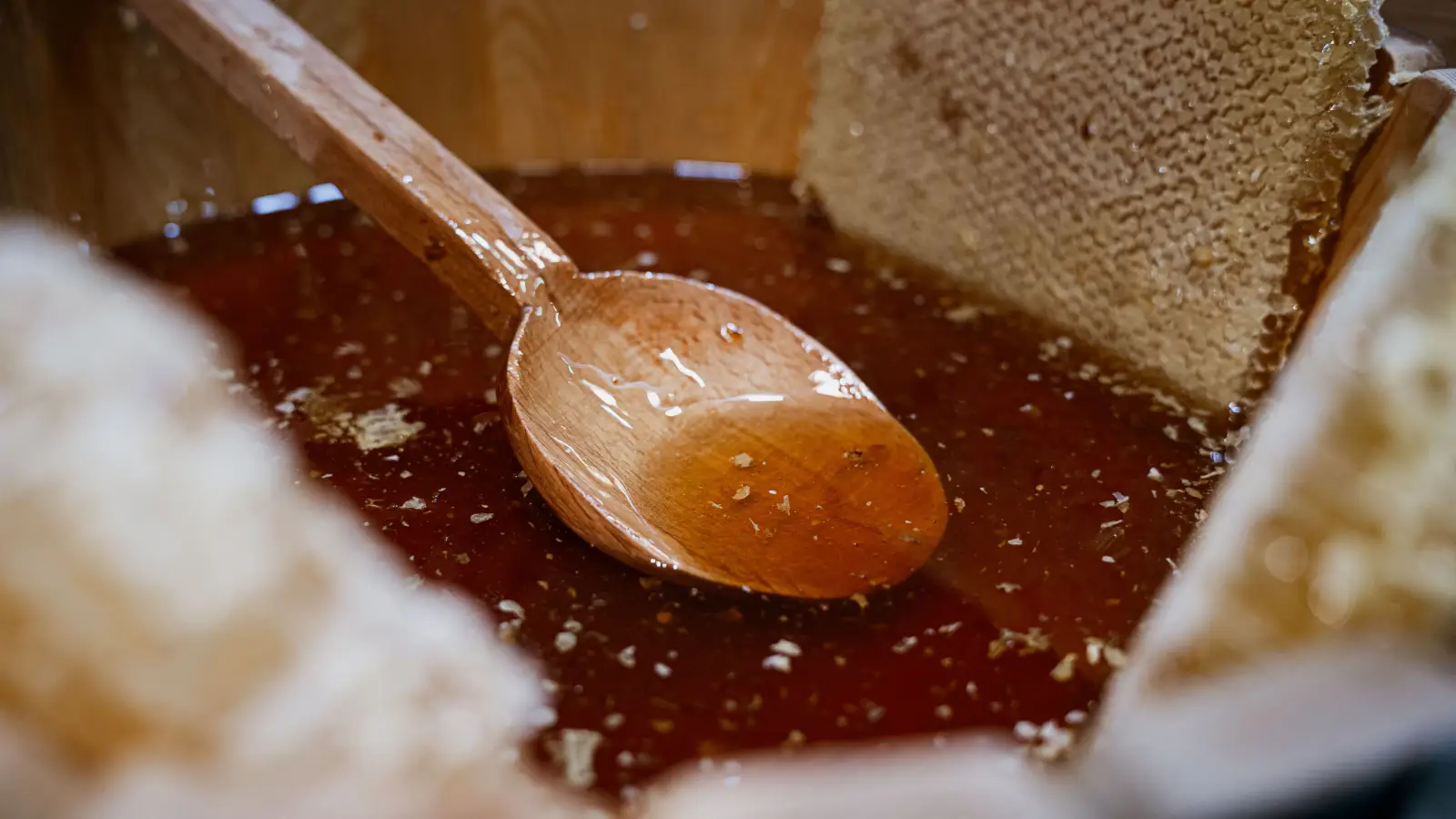
Local honey doesn't relieve allergies despite the popular myth. Understand the evidence, the real pollen mismatch, and the proven treatments that actually help.
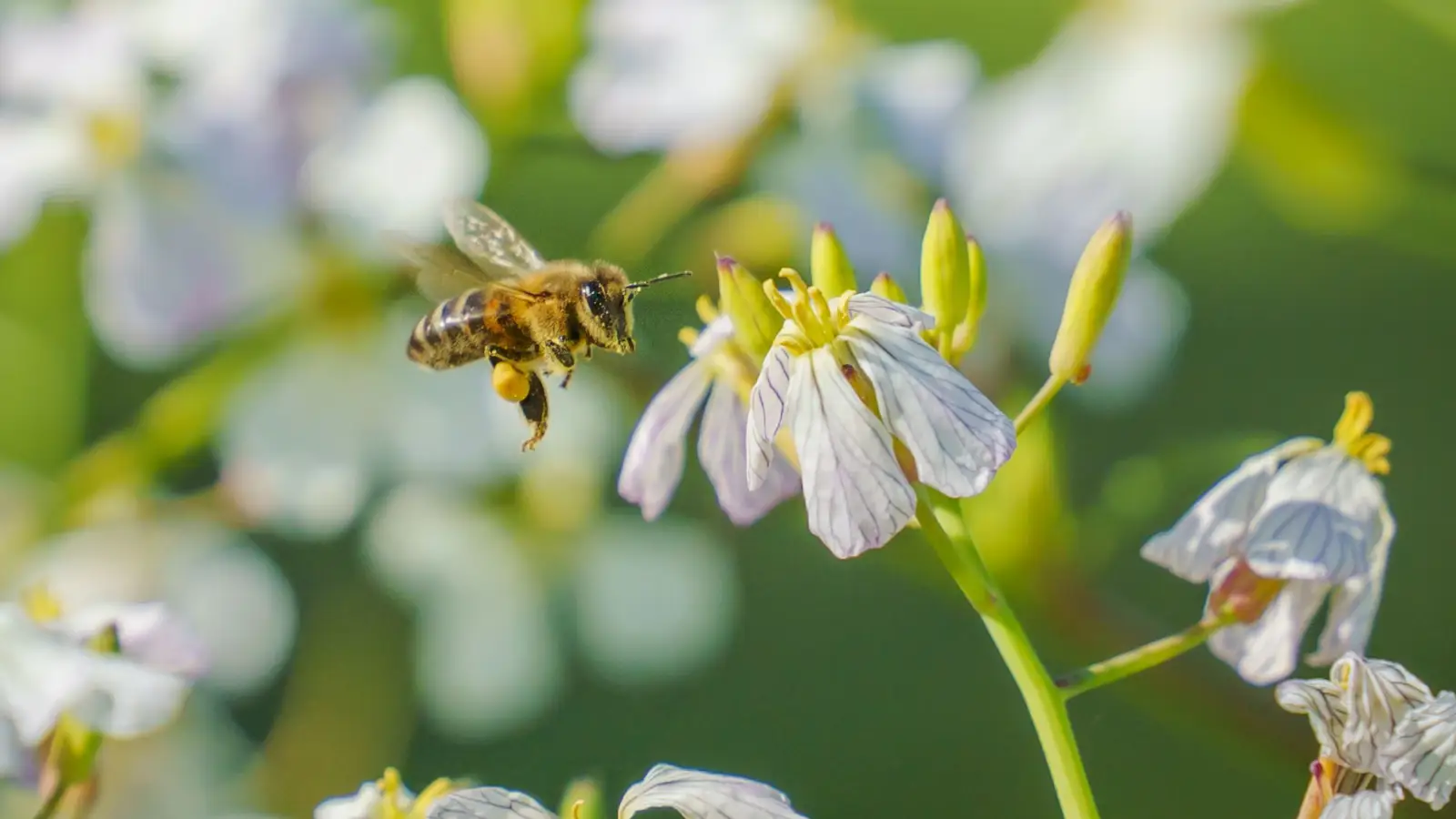
Wildflower honey never tastes the same—and that’s the point. Learn how seasonal blooms shape each harvest’s flavor, and why variation signals authenticity.
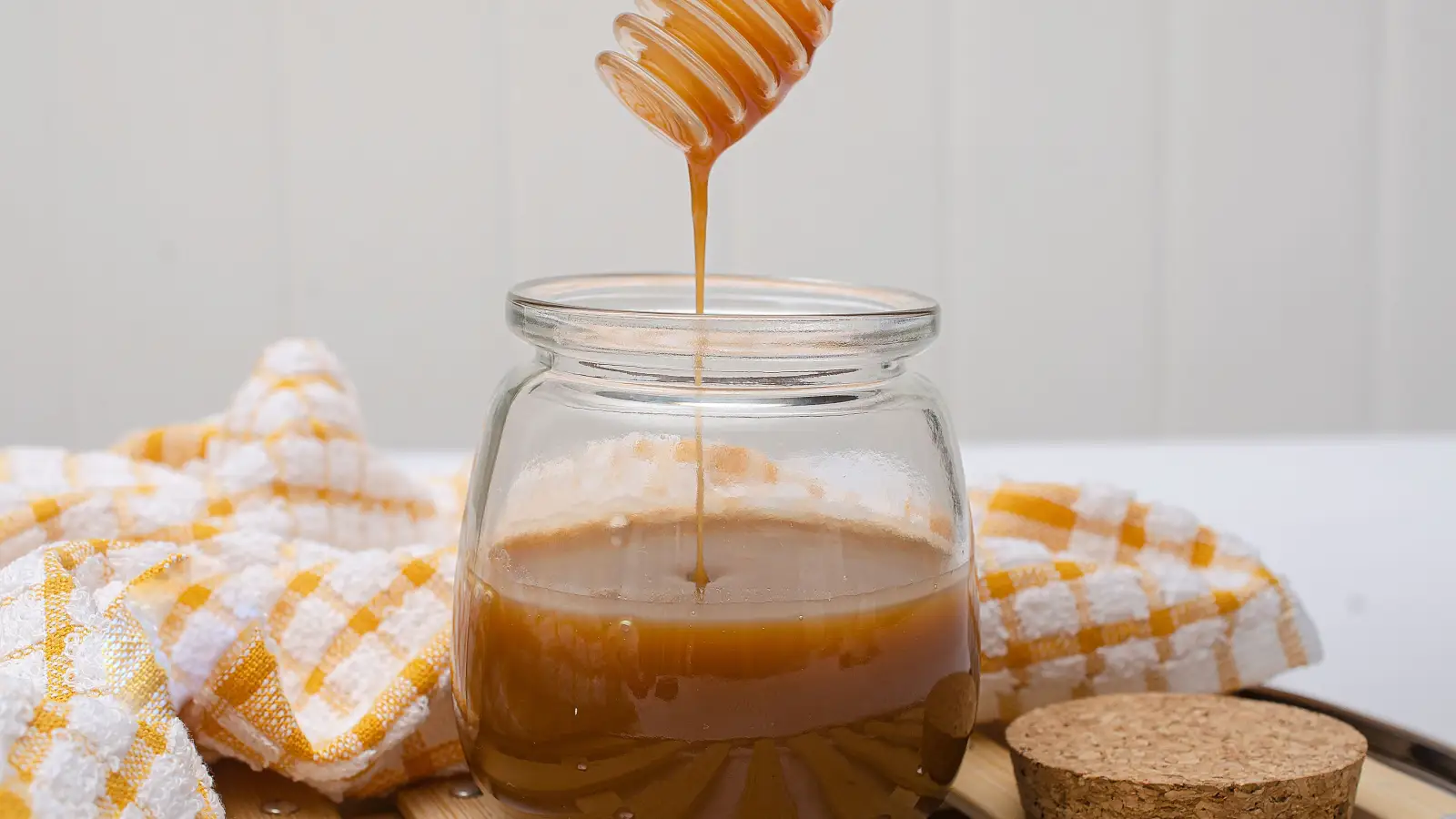
Learn how honey's osmotic, hydrogen peroxide, and anti-inflammatory properties make it a predictable soother. A decision framework for safe, evidence-informed home use.
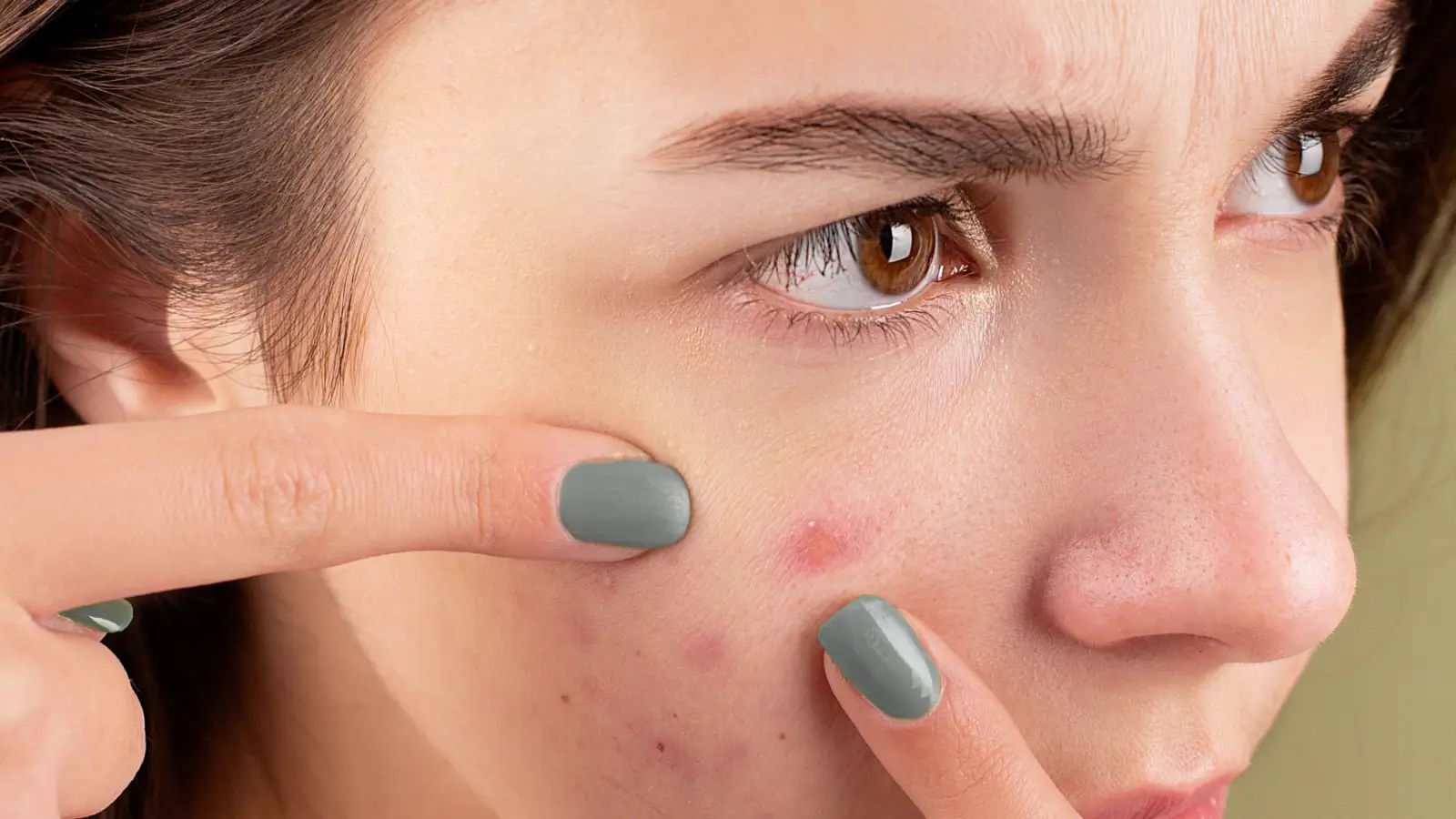
Acne-fighting honey works via two pathways: hydrogen peroxide and methylglyoxal. Learn how pH, dilution, and Manuka grade change which mechanism dominates.
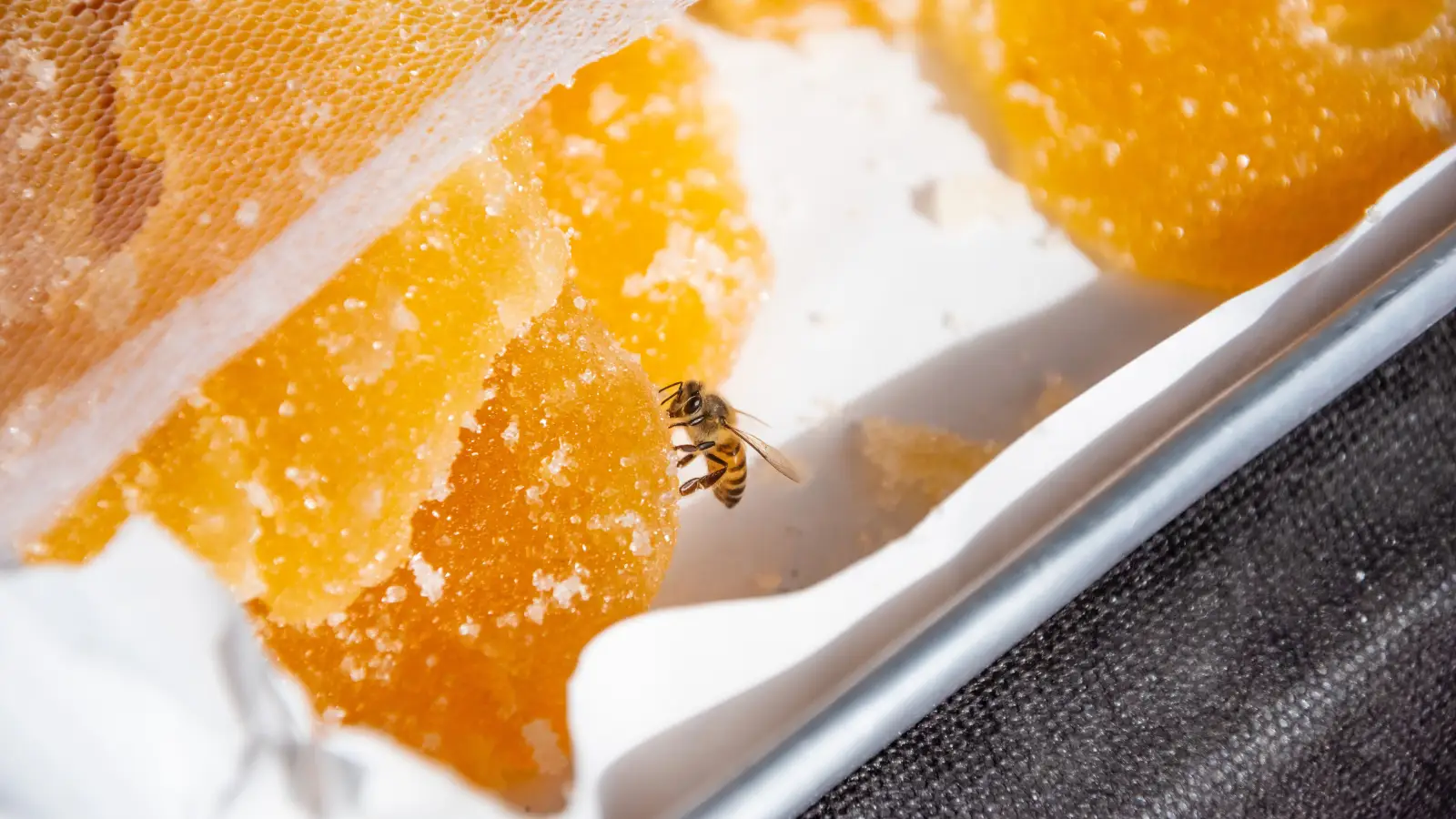
Microwave or stovetop heat ruins crystallized honey’s enzymes and flavor. Use a gentle water bath under 104°F to re-liquefy safely. Step-by-step guide inside.