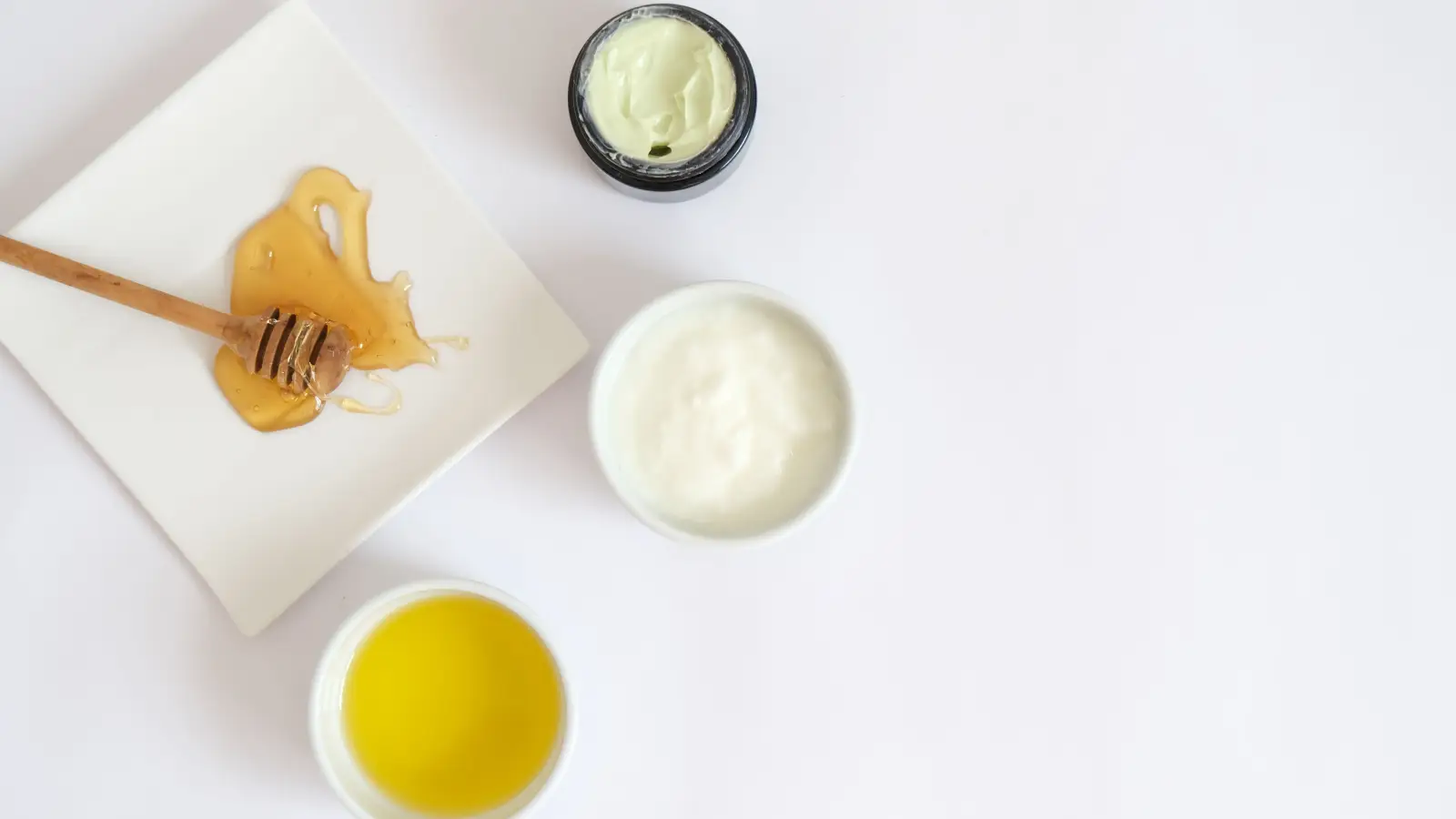
Why Your Honey Choice Is Wrong for DIY Face Masks
Heated honey loses the enzymes that exfoliate and fight acne. Learn to read labels and spot truly raw, unfiltered honey for a mask that actually works.
Heated honey loses the enzymes that exfoliate and fight acne. Learn to read labels and spot truly raw, unfiltered honey for a mask that actually works.
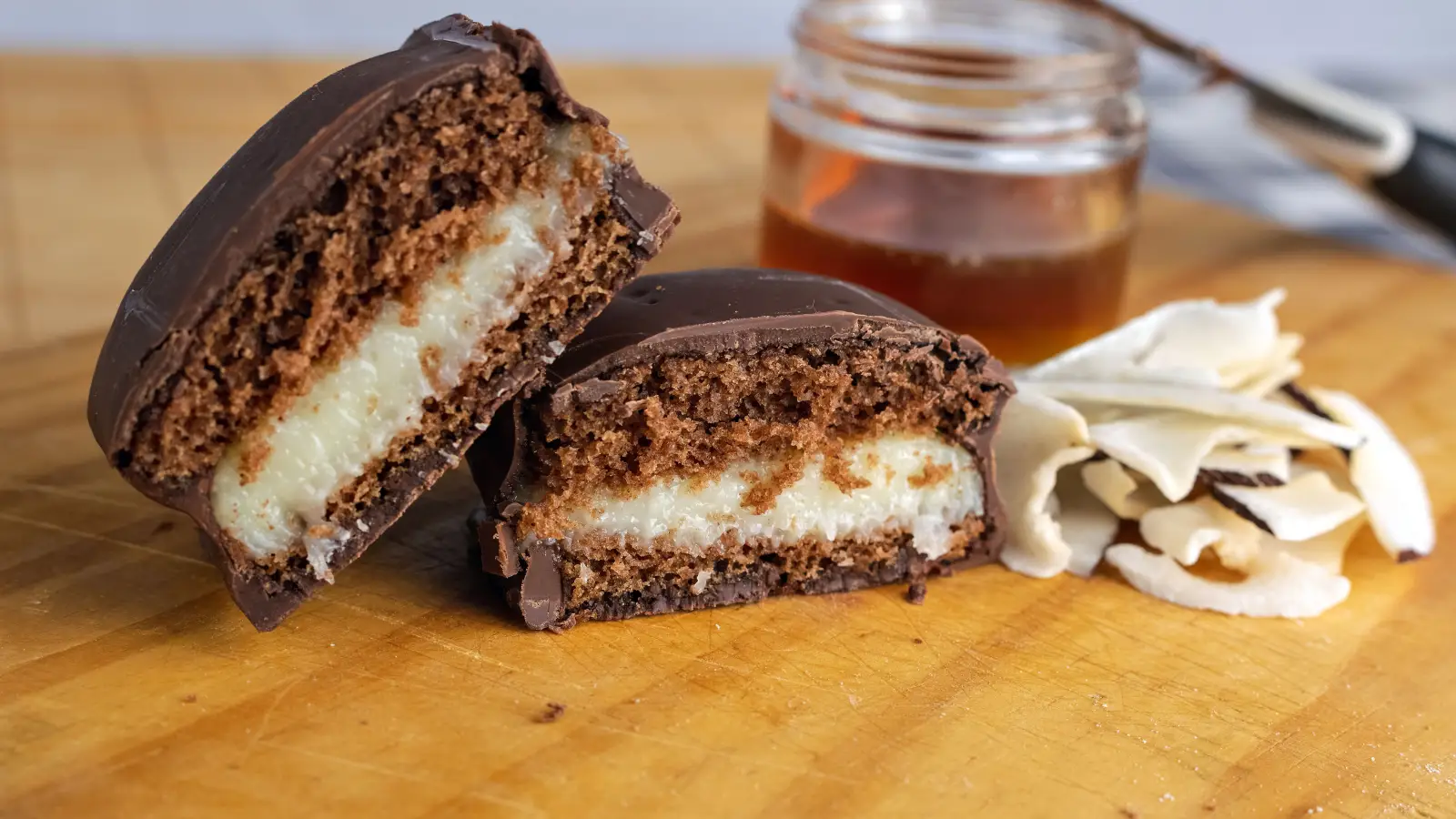
Choose the best honey for your chocolate cake by aroma and intensity, not sweetness. A step-by-step matrix matching clover, orange blossom, buckwheat, and more.
Notice foam, an alcoholic smell, or sour taste? Catch fermentation early to save your honey. Learn how to test moisture and prevent spoilage.
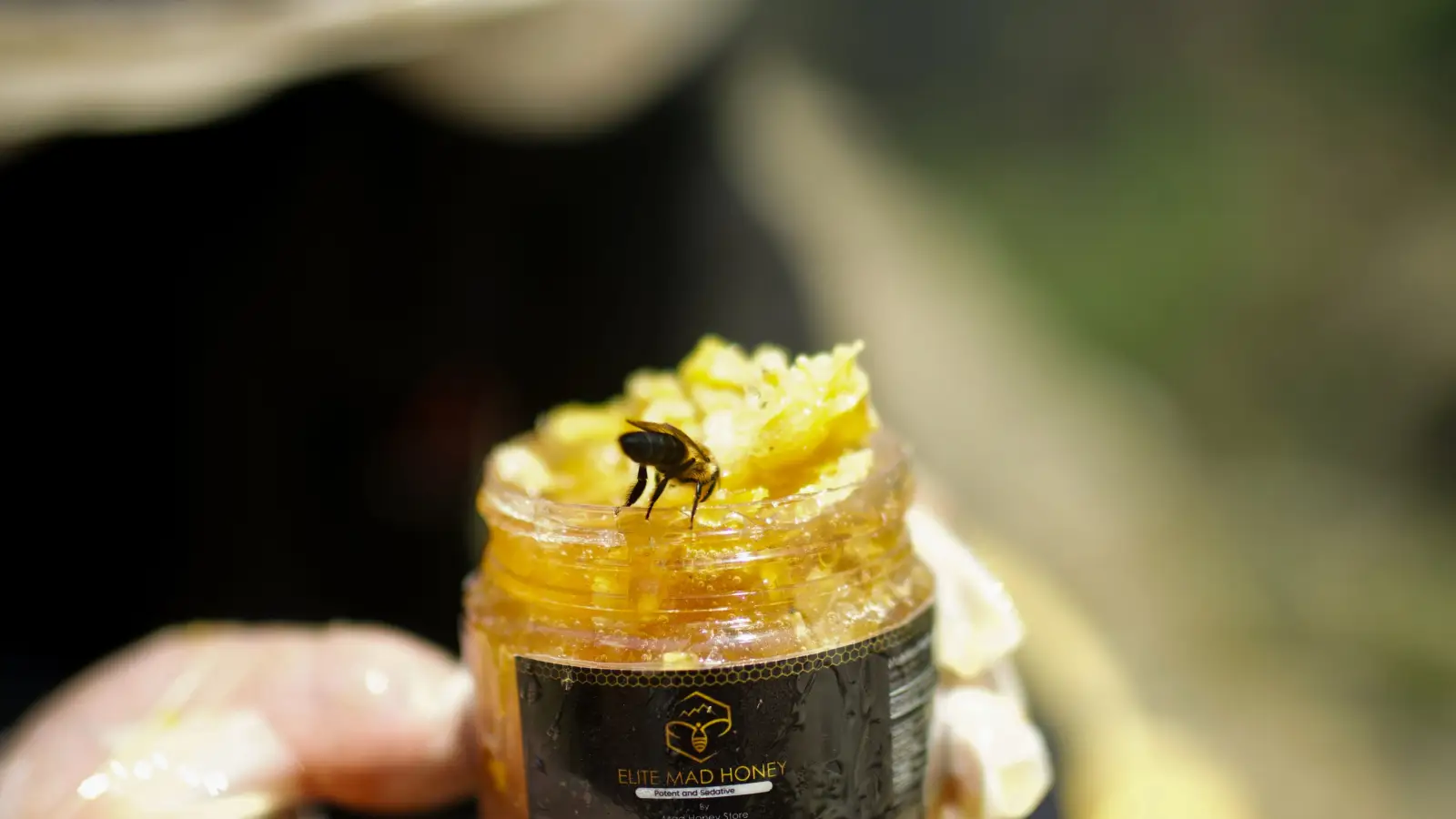
Think local honey eases hay fever? The pollen inside it almost never matches the airborne pollens that trigger allergies. See why placebo studies failed and what actually works.
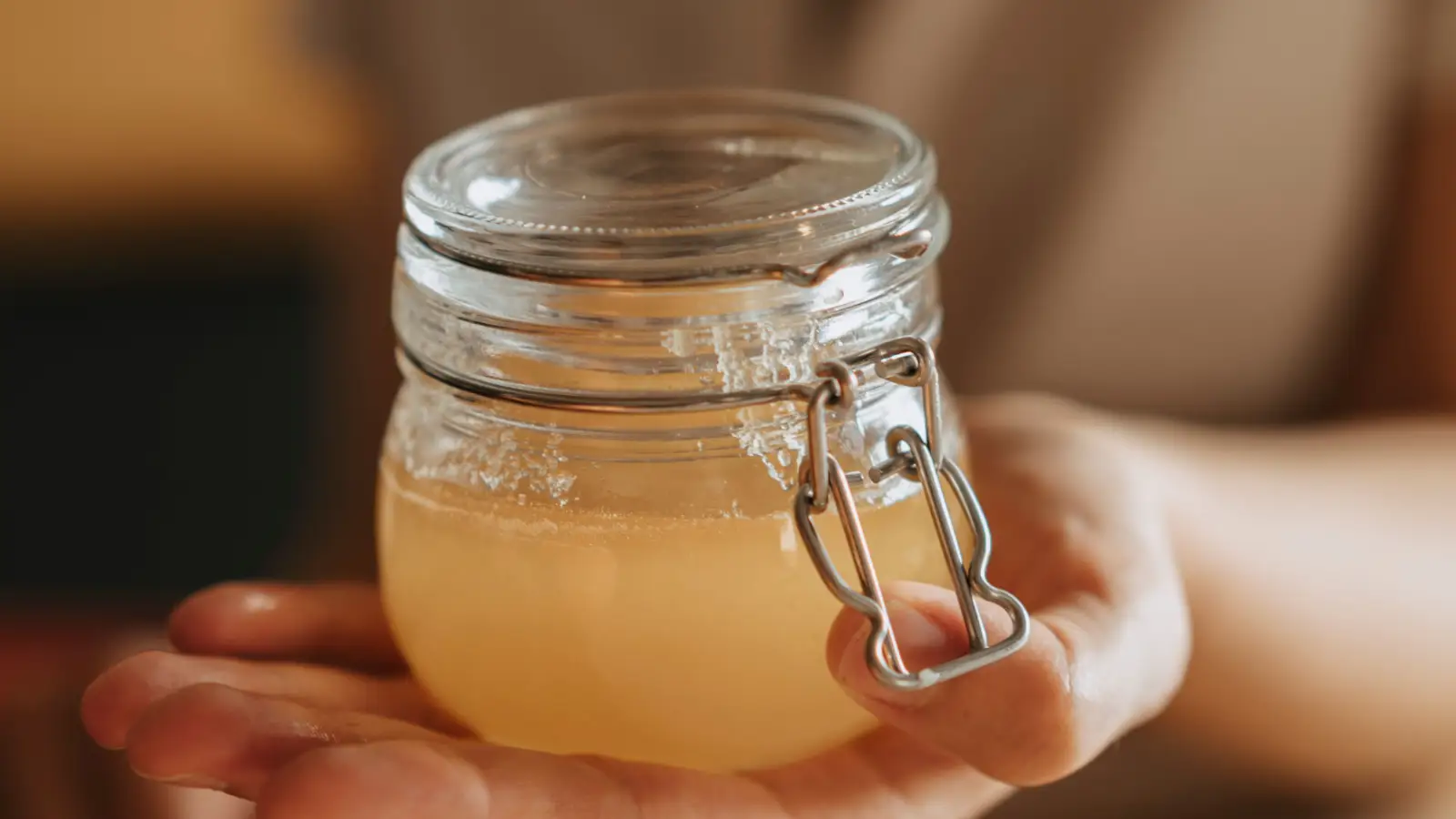
Crystallized honey isn't spoiled. Learn why honey turns solid, when it's still safe to eat, and the one sign that means it's time to toss the jar.
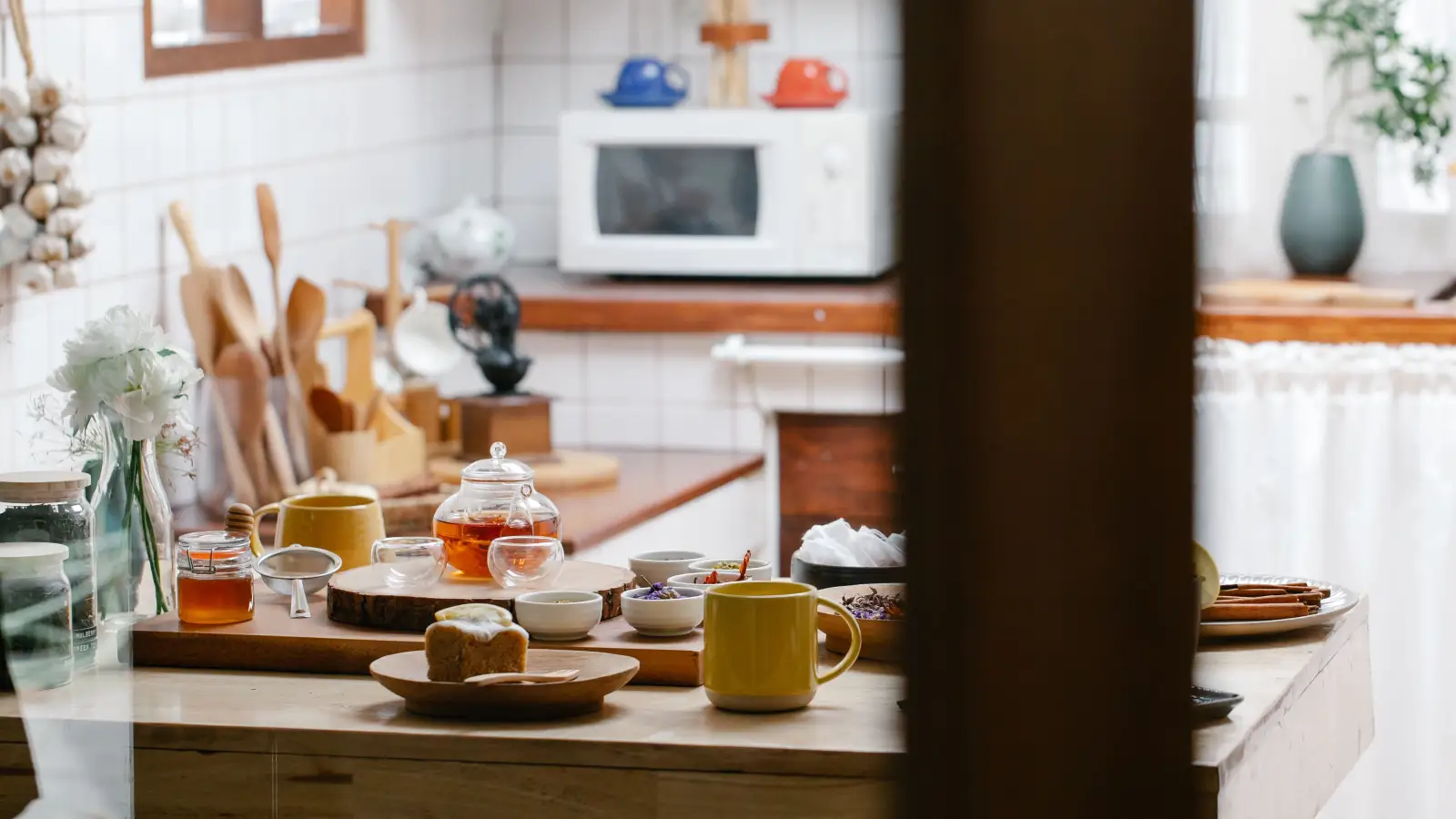
Microwaving honey doesn't destroy its goodness—if you stay below 104°F and use short bursts. Learn the exact temperature thresholds and how to warm honey without nutrient loss.
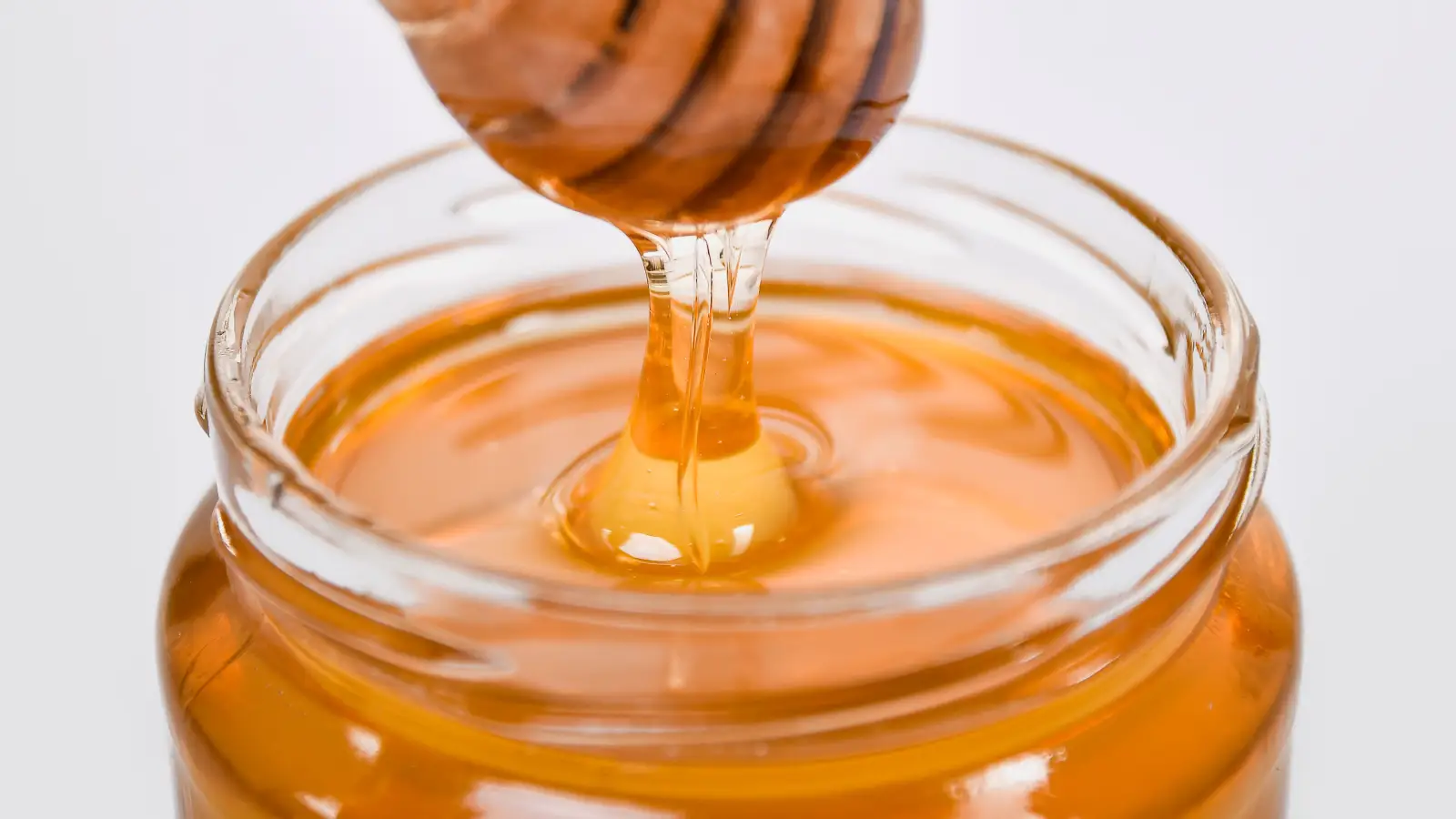
Honey’s flavonoids, phenolic acids, ascorbic acid, and melanoidins—how to read color and processing, and how much you need for a measurable antioxidant effect, without the hype.
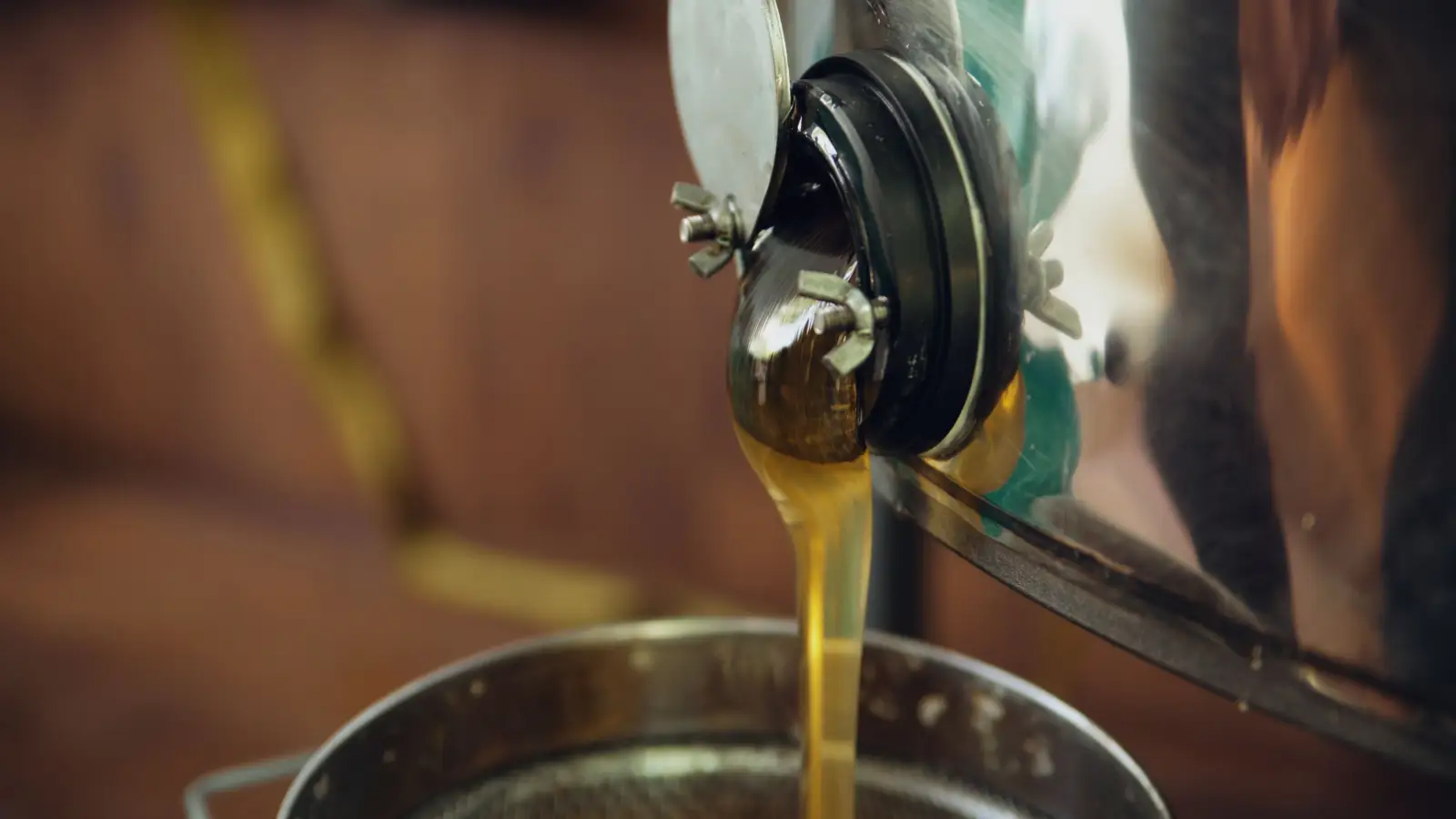
A clean pantry can’t stop the botulism spores in honey. Learn how to store raw and pasteurized honey safely when infants or immunocompromised family live at home.
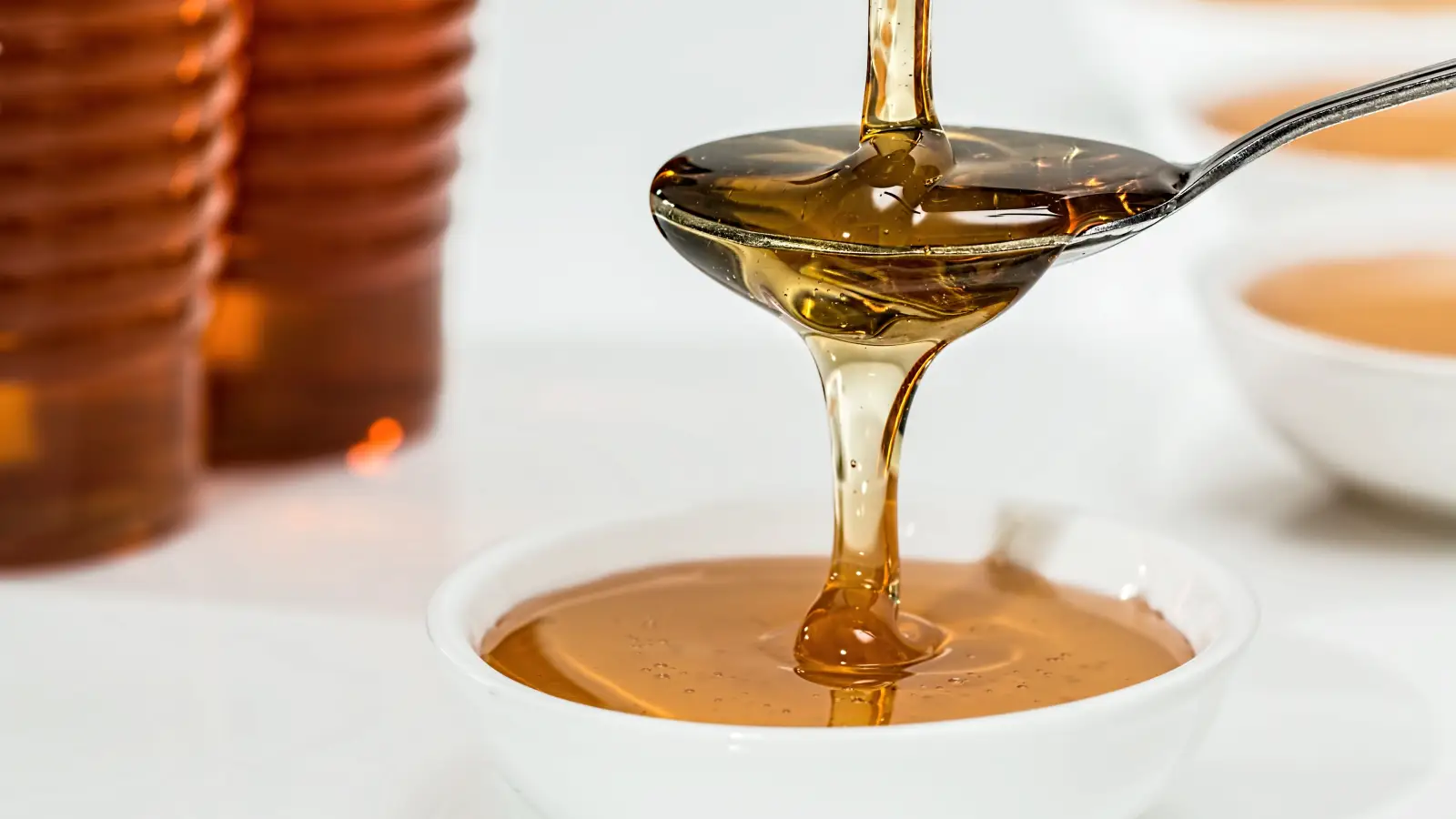
Learn to identify monofloral honeys using a practical framework of color, aroma, mouthfeel, and flavor categories—no lab needed. Build a tasting wheel and taste with confidence.
The “eternal honey” myth gets debunked by tomb excavations and food science. See why ancient jars often contain fermented, unsafe sludge — not edible honey.