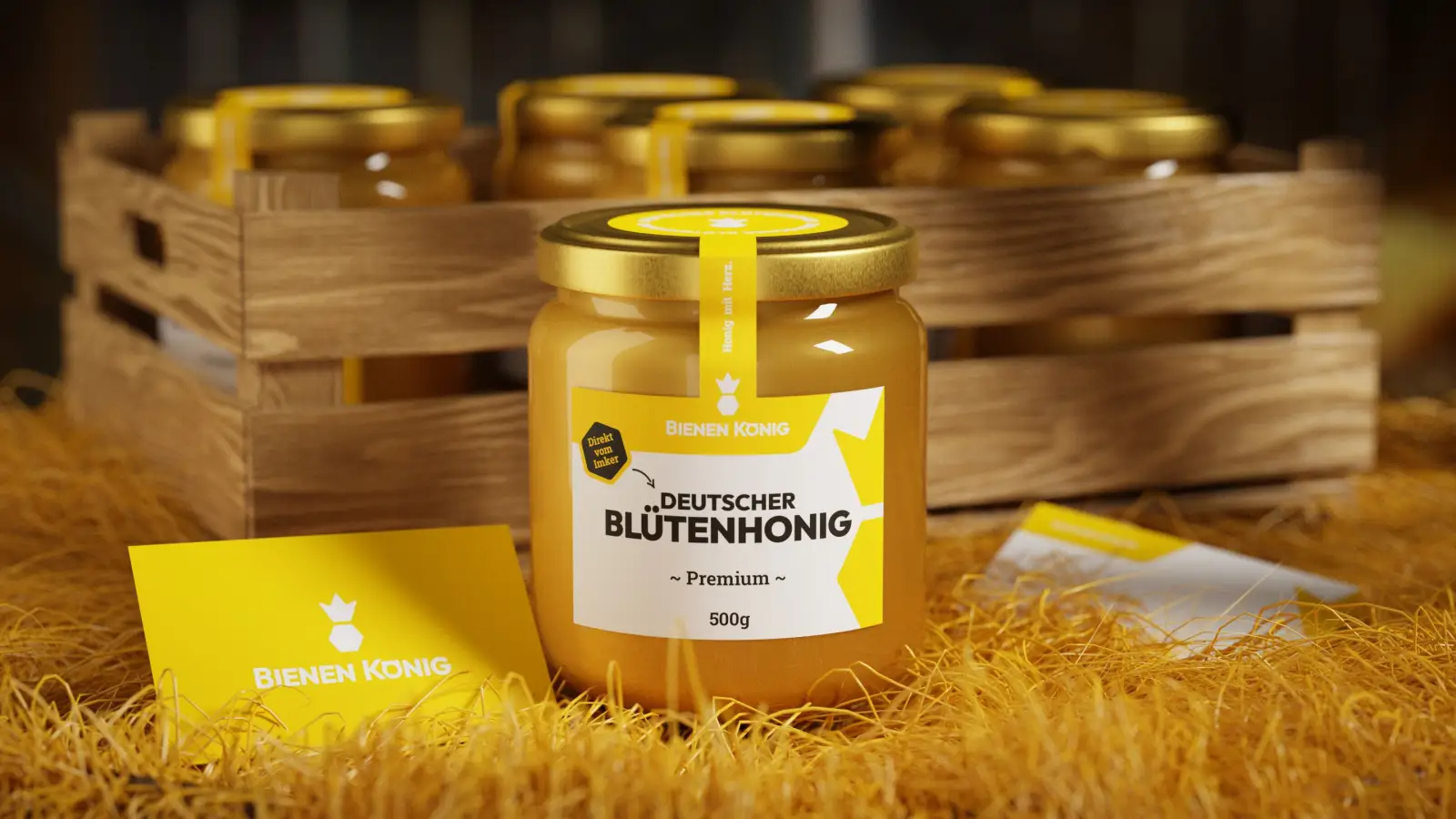
5 Honey Label Claims That Are Just Marketing Tricks
All-natural, gluten-free, no sugar added—these honey label claims sound important but are just noise. See which 5 buzzwords to skip and why.
All-natural, gluten-free, no sugar added—these honey label claims sound important but are just noise. See which 5 buzzwords to skip and why.
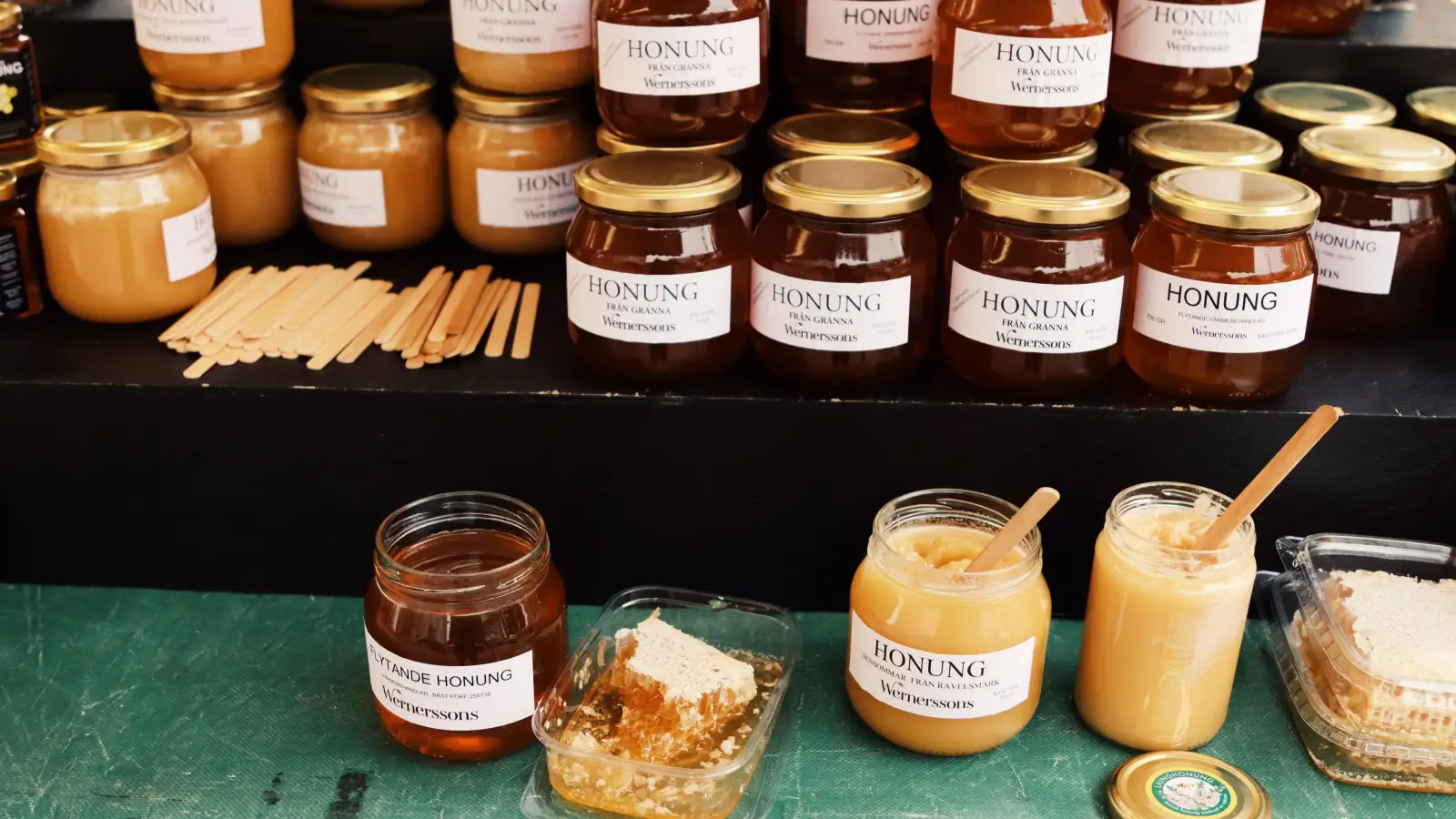
Glass jars beat plastic for storing honey—moisture below 18% and heat below 90°F decide freshness. A practical, step‑by‑step guide with a printable checklist.
Raw honey’s glucose oxidase enzyme releases hydrogen peroxide upon dilution, fighting germs naturally. But pasteurization’s heat destroys it permanently. Here’s what you need to know.
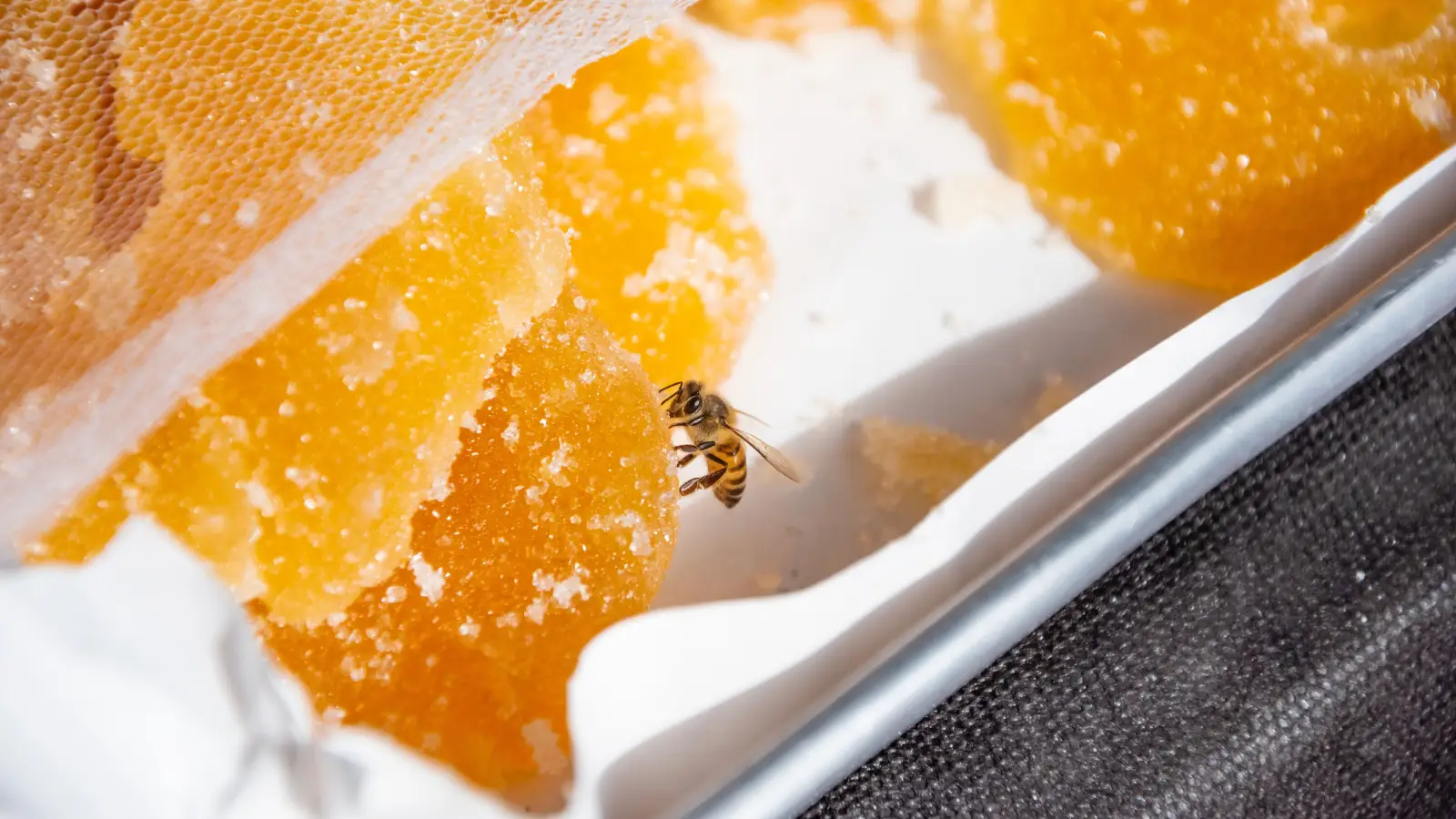
Crystallized honey is safe, not spoiled. Learn what the USDA and FDA say, plus the infant botulism risk that applies to all honey—grainy or liquid.
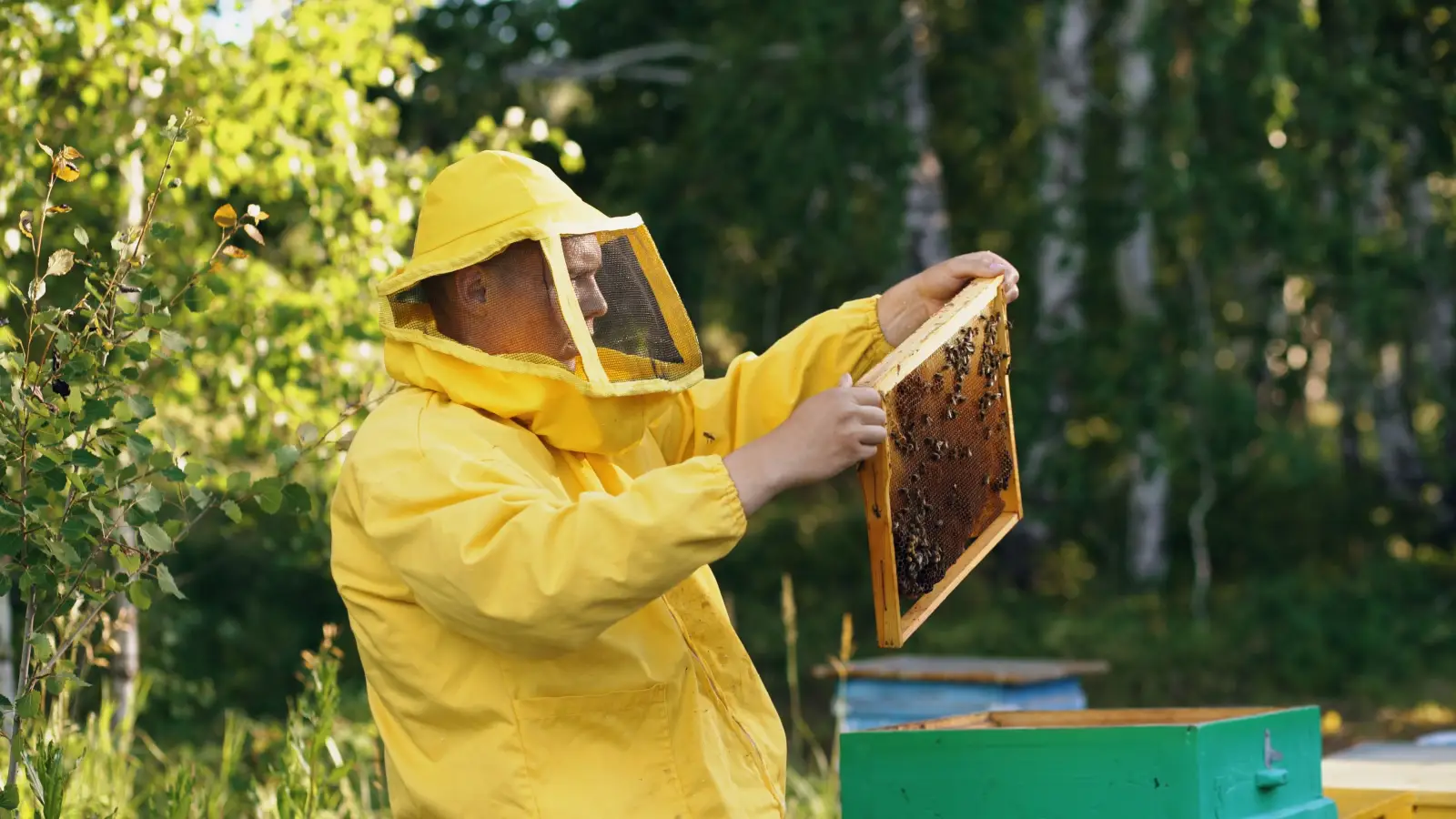
Learn the objective lab and sensory methods beekeepers use to certify monofloral honey from acacia to lavender, including pollen thresholds and tasting standards.
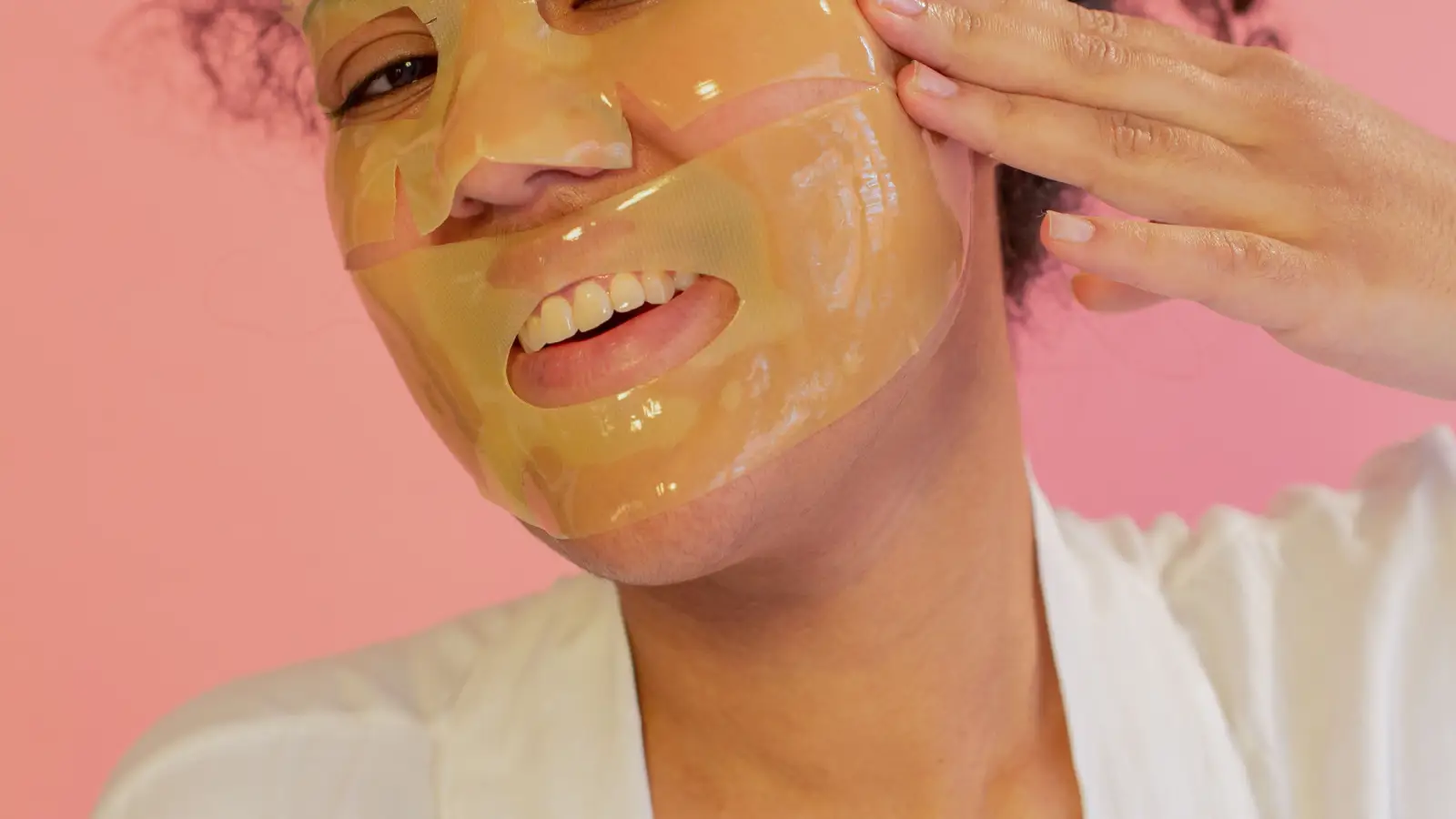
Can honey shrink pores, fade scars, or replace moisturizer? Dermatology and cosmetic science say no—here’s where honey is still worth using.
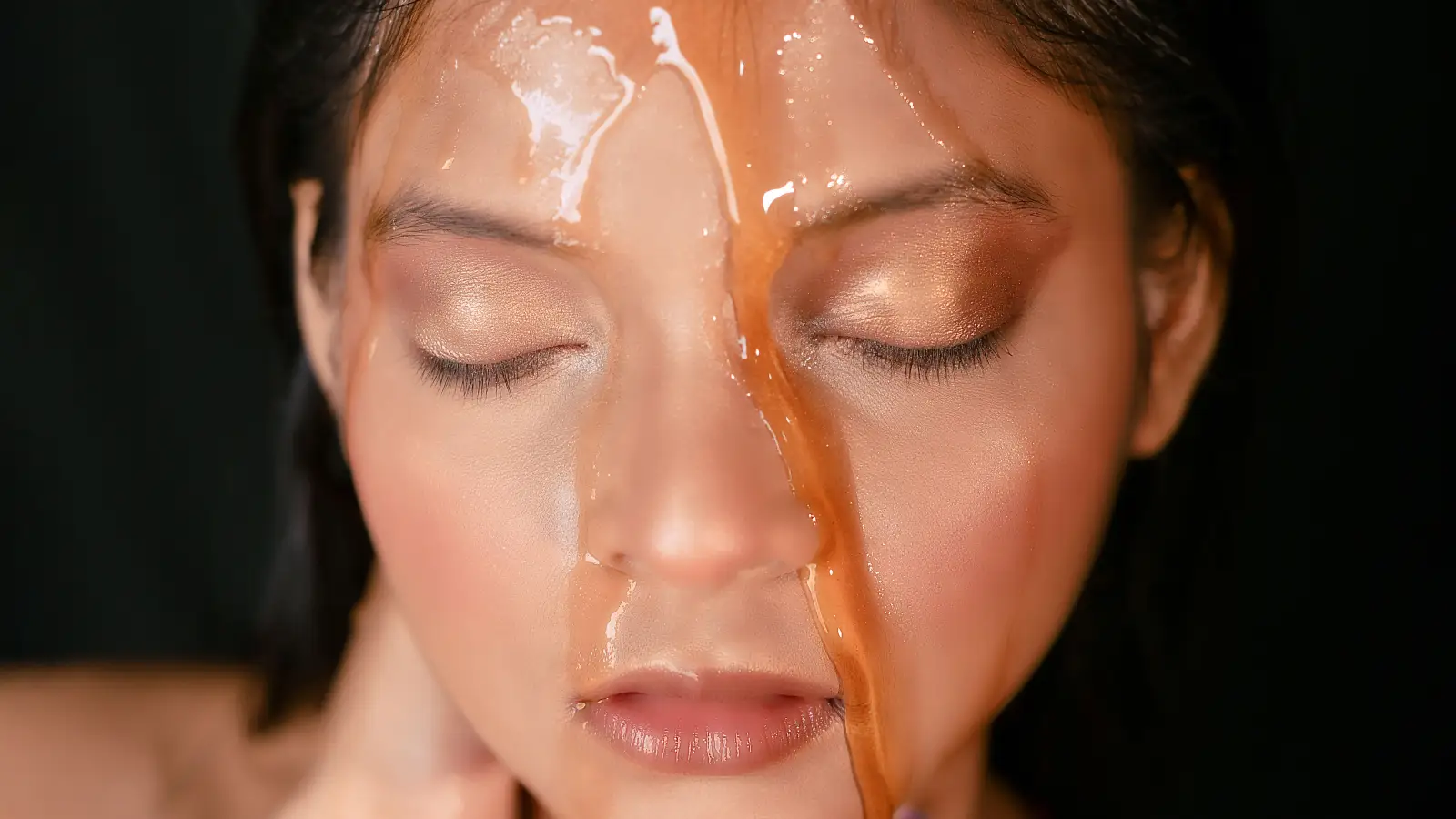
Applying raw honey triggers three lab-backed actions: moisture trapping, gentle hydrogen peroxide release, and low pH support. Understand what it can—and can't—do for your skin.
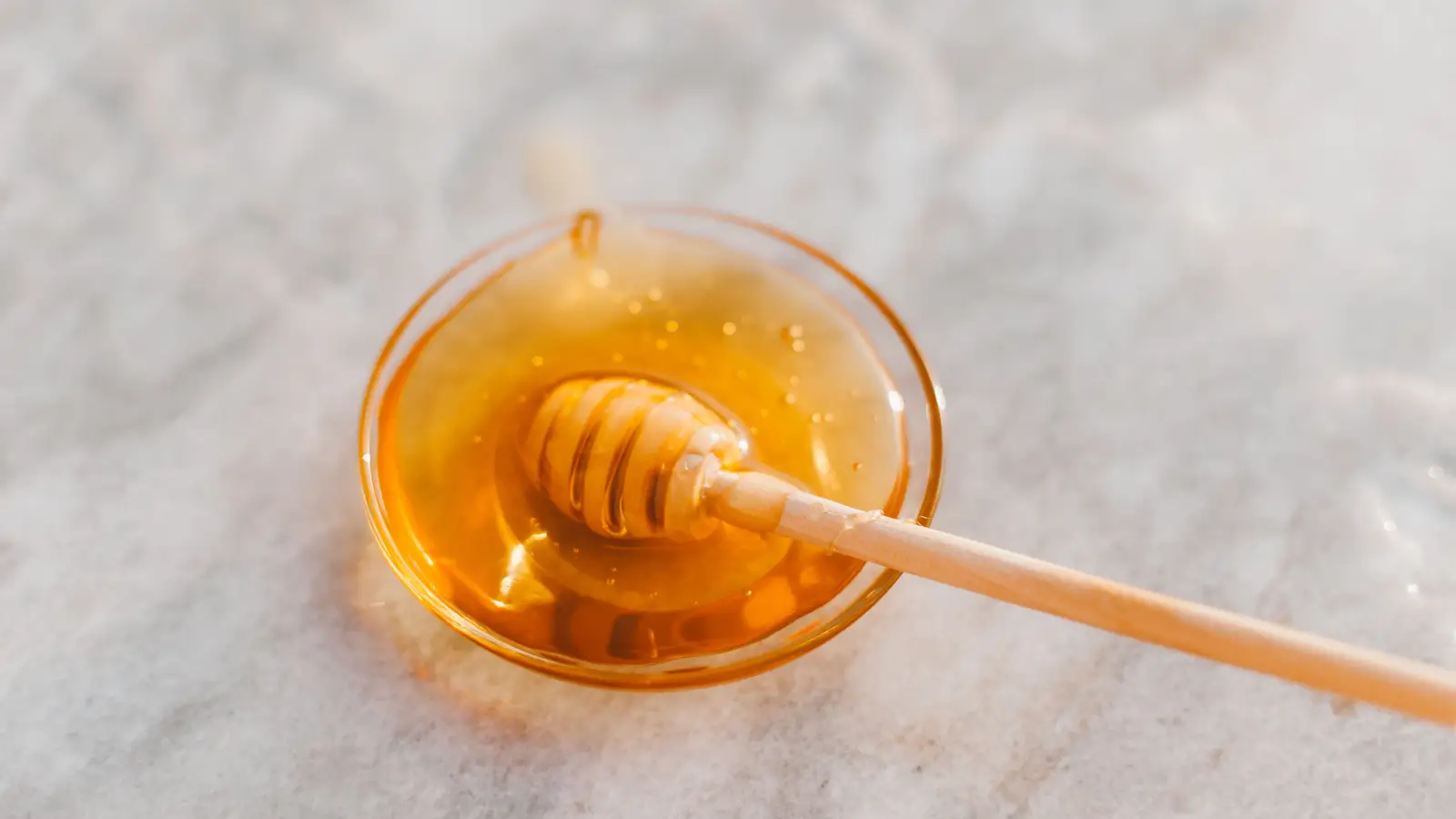
Honey has real antimicrobial, moisturizing, and healing properties—but only if you choose raw, manuka, or medical-grade correctly. Learn the science, honey types, and safe application system.
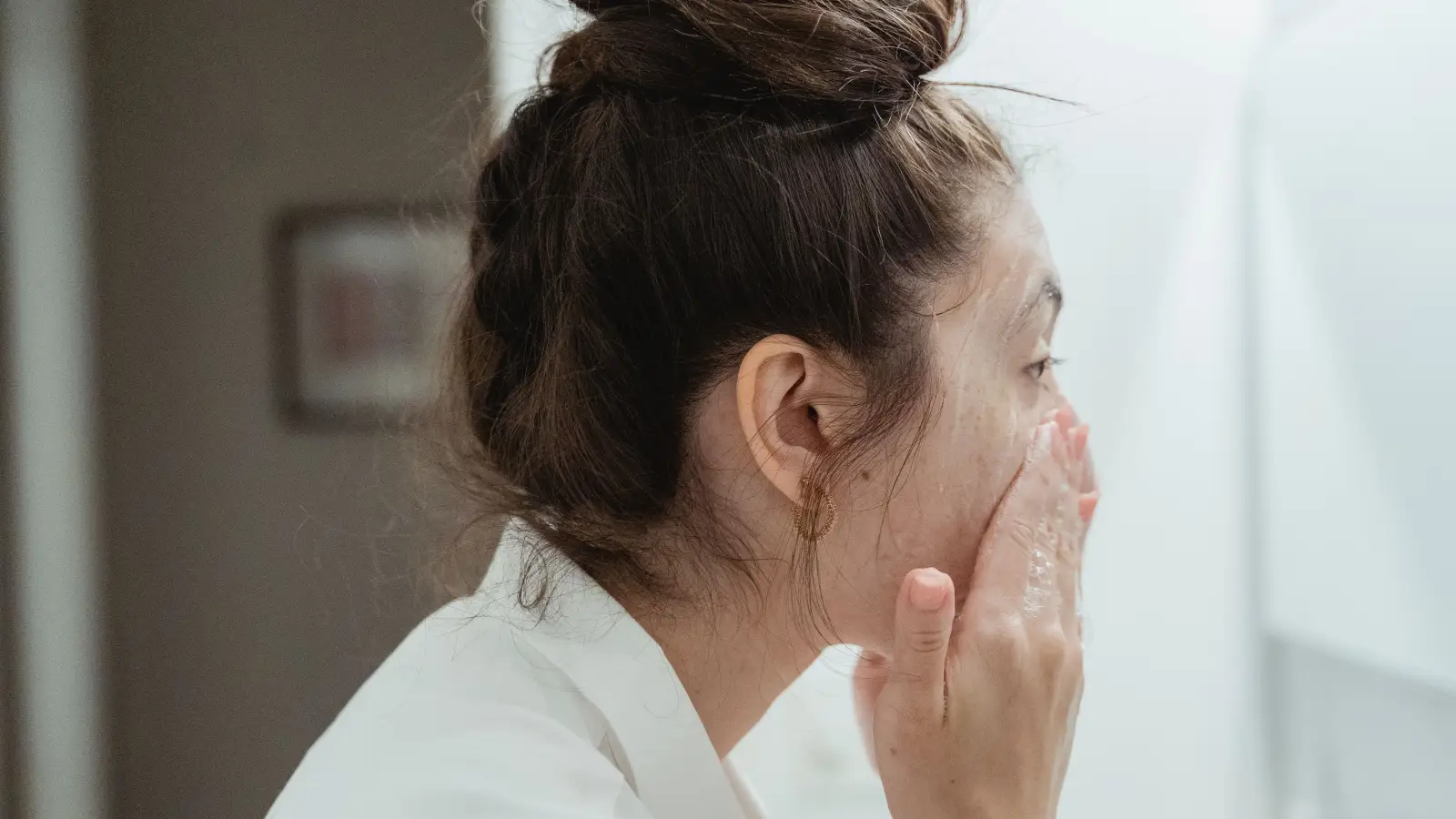
Learn the exact technique to wash your face with raw honey without stickiness, using a simple rinse-off method and what to expect during the first 1–2 weeks.

Learn how honey calms a stubborn cough, the clinical evidence behind it, and how it compares to OTC medicines — with realistic expectations, not hype.