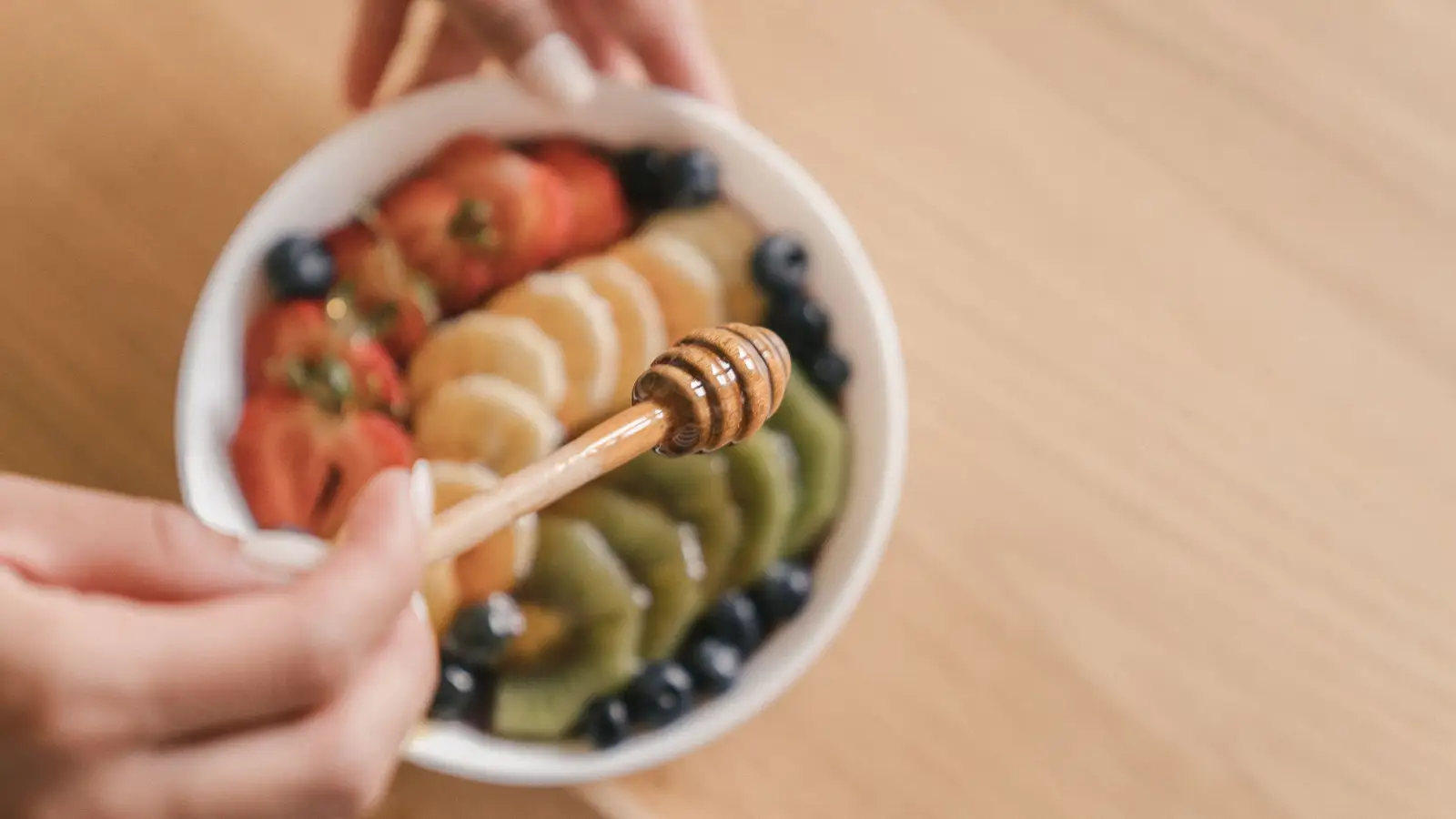
Up to 30% More Antioxidants: Unfiltered Honey vs. the Rest
Lab comparisons show unfiltered honey can contain up to 30% more flavonoids and polyphenols than filtered — but not always. See the scenarios where that gap matters.
Science‑backed explainers on honey’s chemical makeup, nutritional data, and its bioactive properties, always with appropriate health disclaimers.
Lab comparisons show unfiltered honey can contain up to 30% more flavonoids and polyphenols than filtered — but not always. See the scenarios where that gap matters.
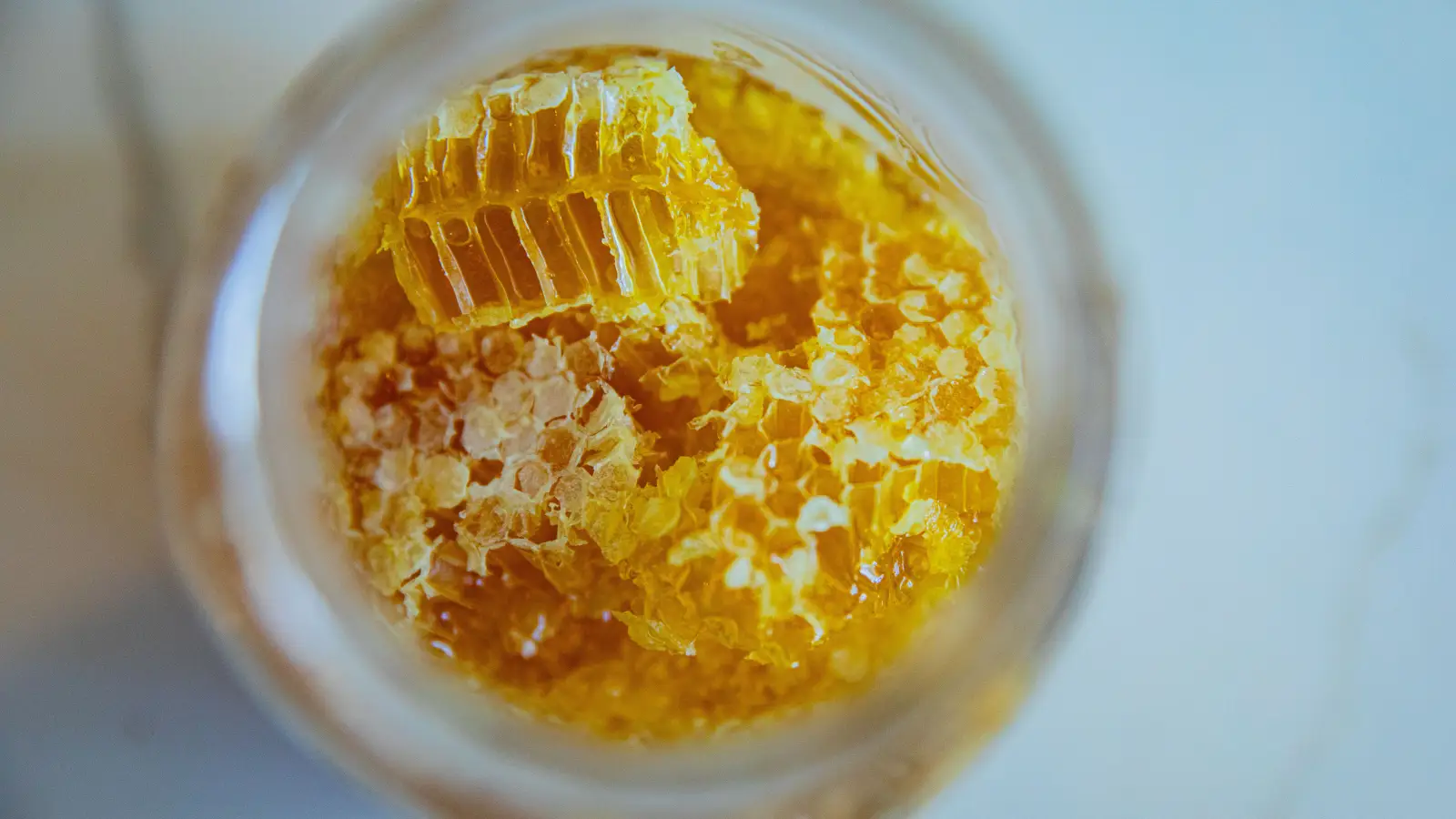
USDA data reveals honey's nutritional profile: 64 calories and 17g sugar per tablespoon, negligible vitamins. See how it stacks against daily limits.

A research summary on medical-grade honey for wounds—what the lab, animal, and human trials actually show, and why kitchen honey is never safe.
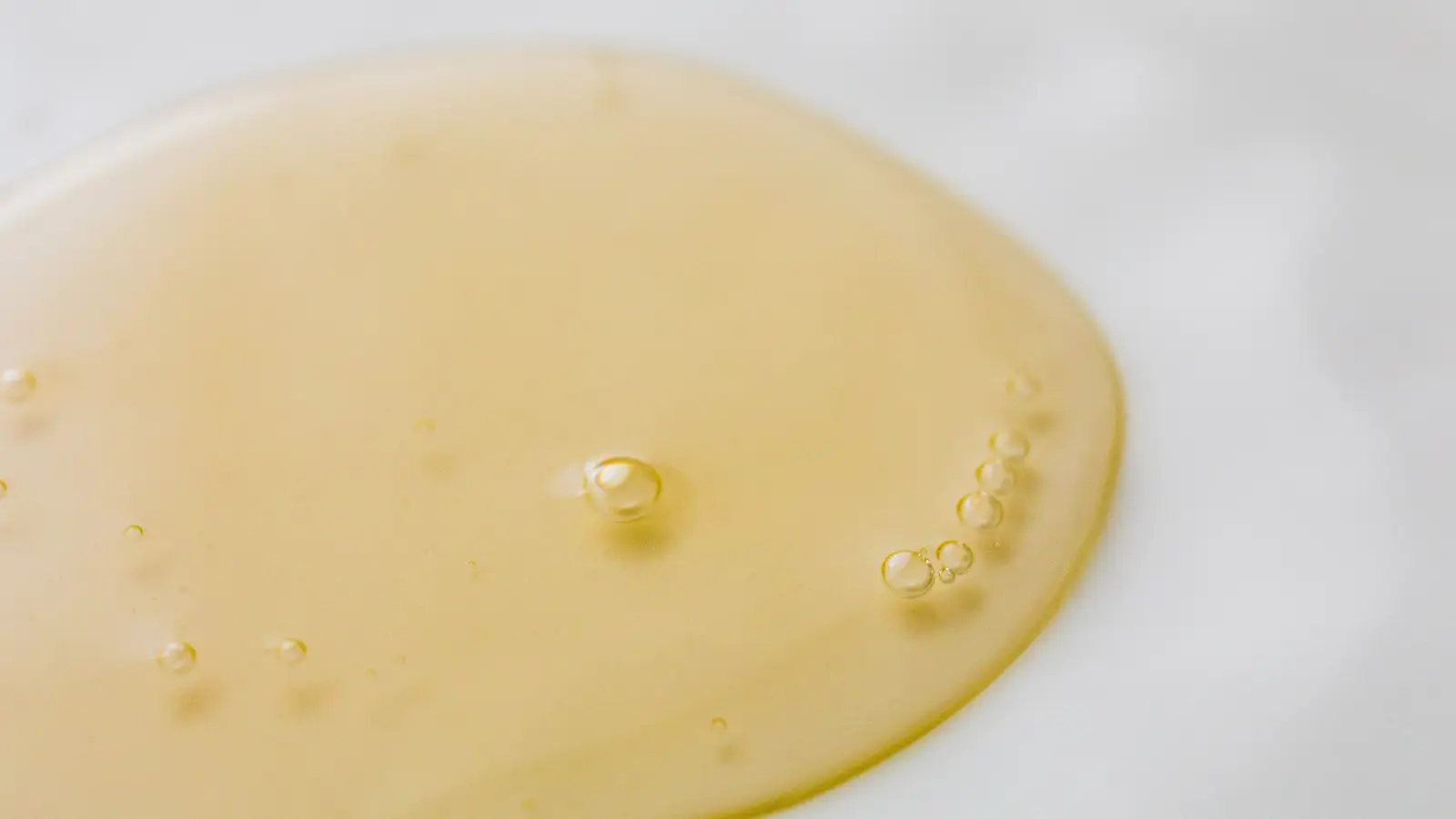
Honey ferments when moisture passes 18.6% and water activity hits 0.60. Learn why this number triggers dormant yeasts and how to prevent spoilage.
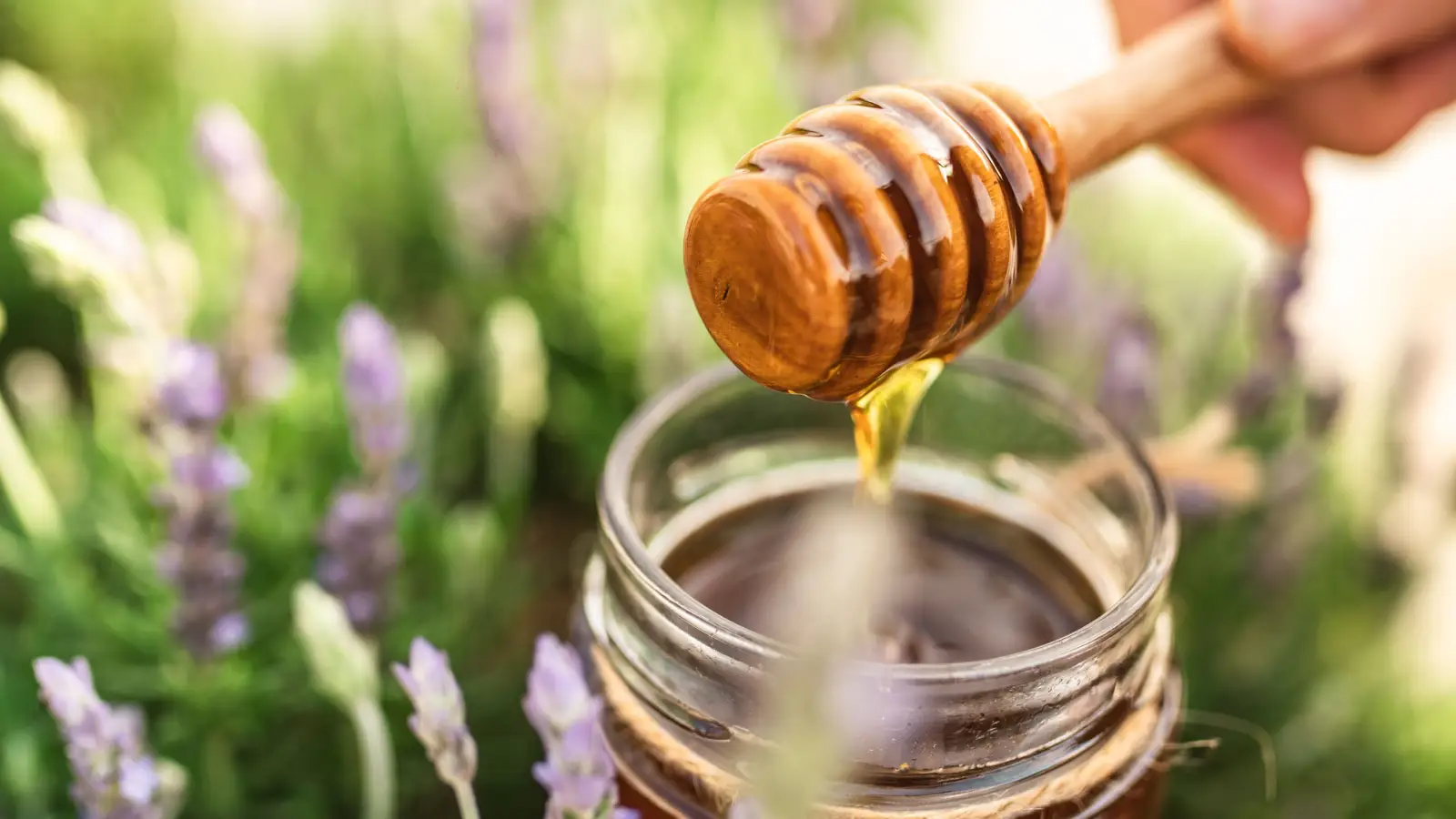
USDA data shows how floral source drives phenolic content and glucose oxidase, affecting antioxidant capacity and antibacterial rating—with important evidence limits.
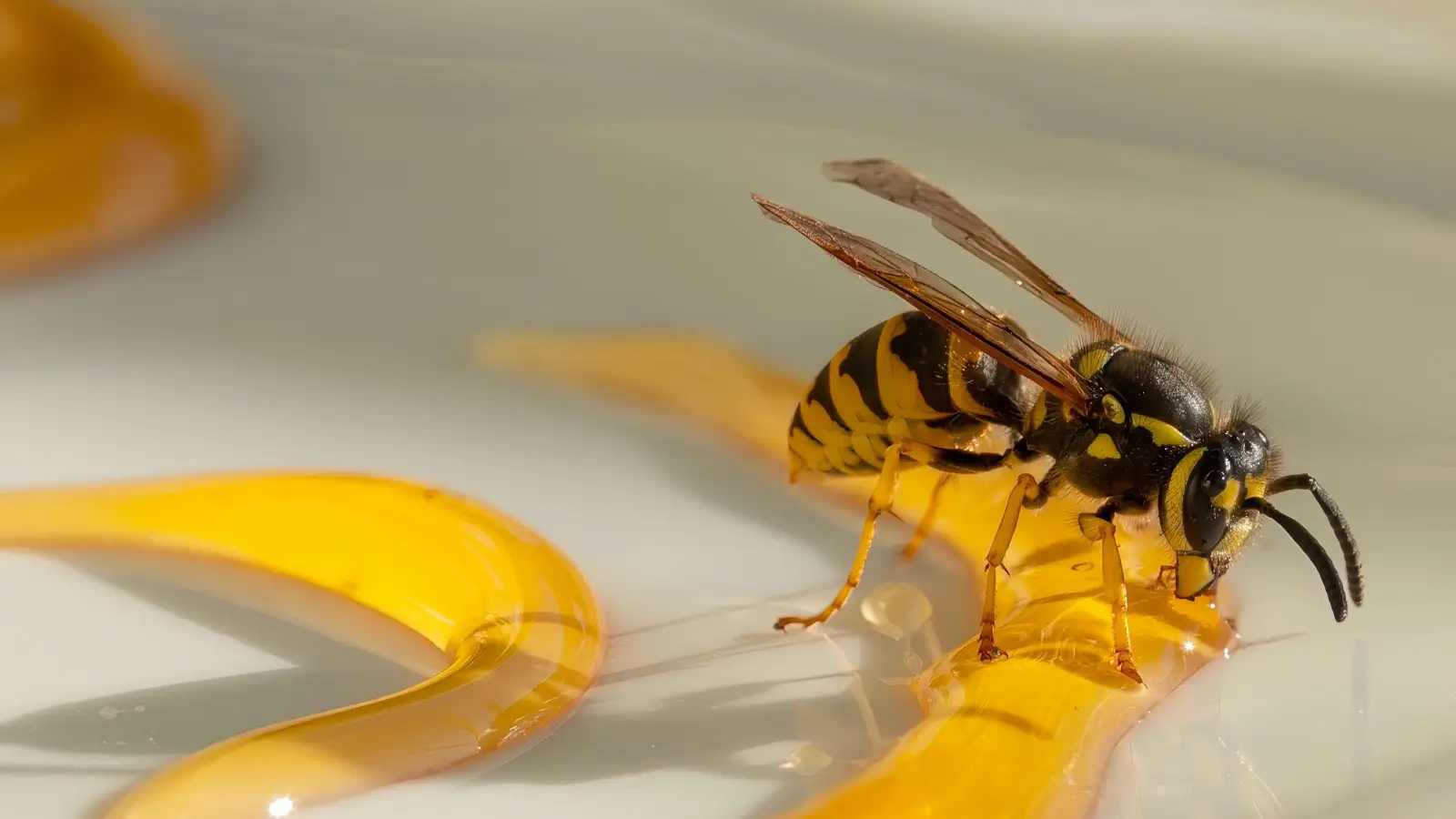
Using raw kitchen honey on a wound can introduce spores and allergens. Learn why only medical-grade honey is safe and how to avoid serious infection.
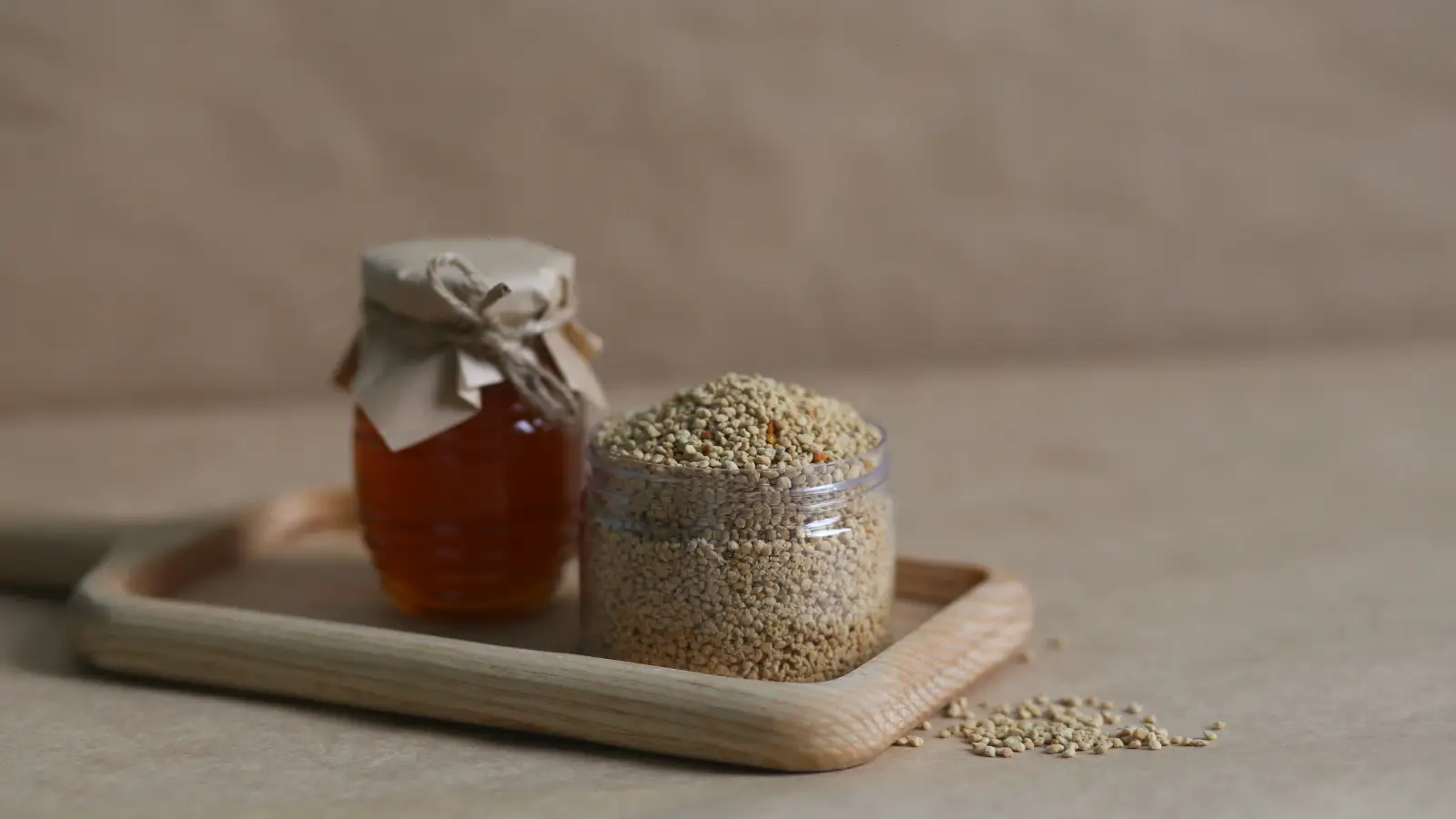
Honey does contain antioxidants, but labeling it a superfood is marketing hype. Learn why the amounts vary wildly and why you’d need too much sugar to get a real dose.
We break down the phenolic acids, flavonoids, and enzyme behind honey’s antioxidant power—and show how floral source shapes the profile.

Unfiltered honey retains pollen, propolis particles, and active enzymes that standard processing removes. Learn what the US label really means and why it matters.
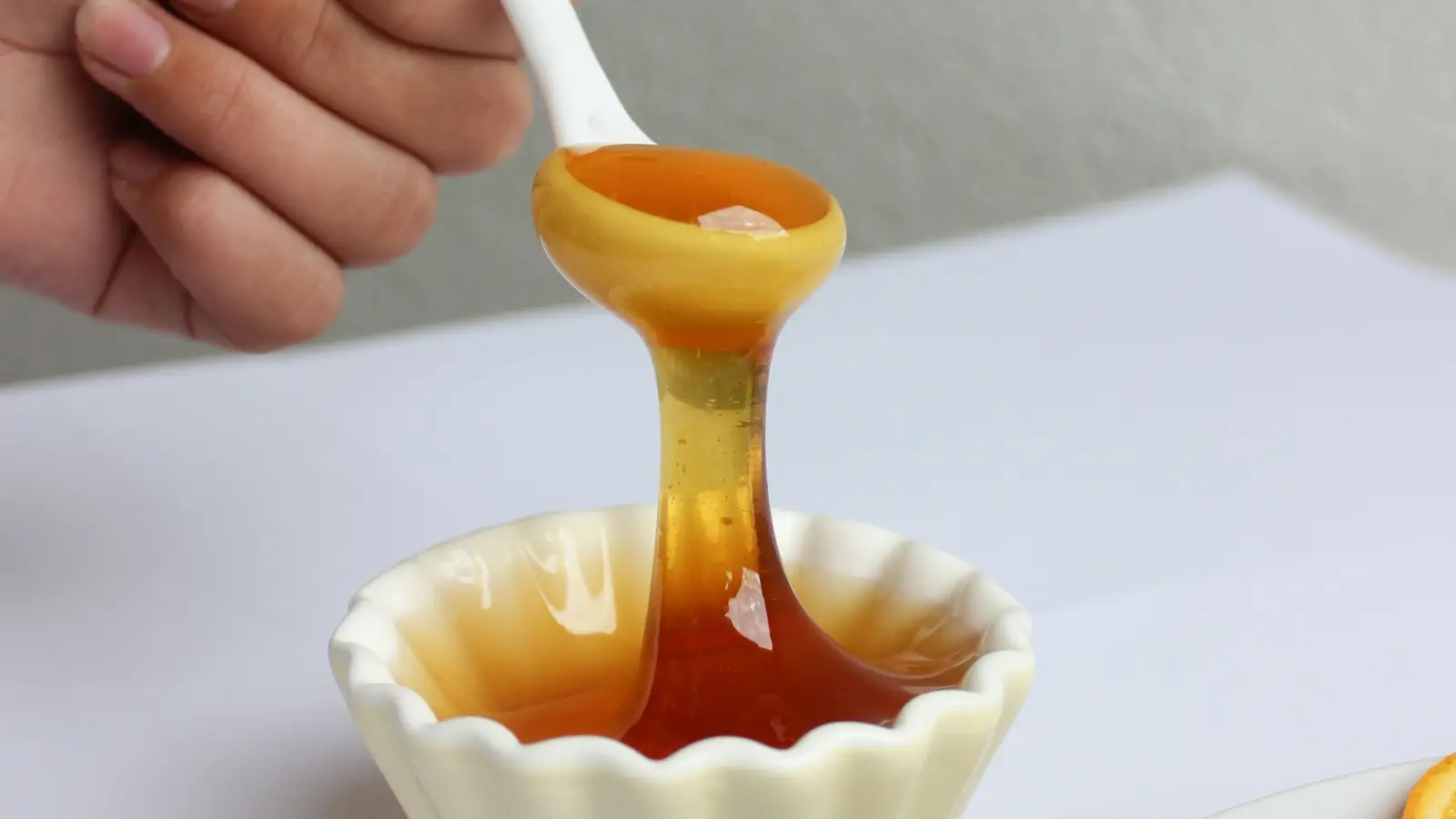
Honey's flavonoids and phenolic acids can survive stomach acid and gut bacteria to enter your circulation. Learn how bioavailability works and when it actually matters.