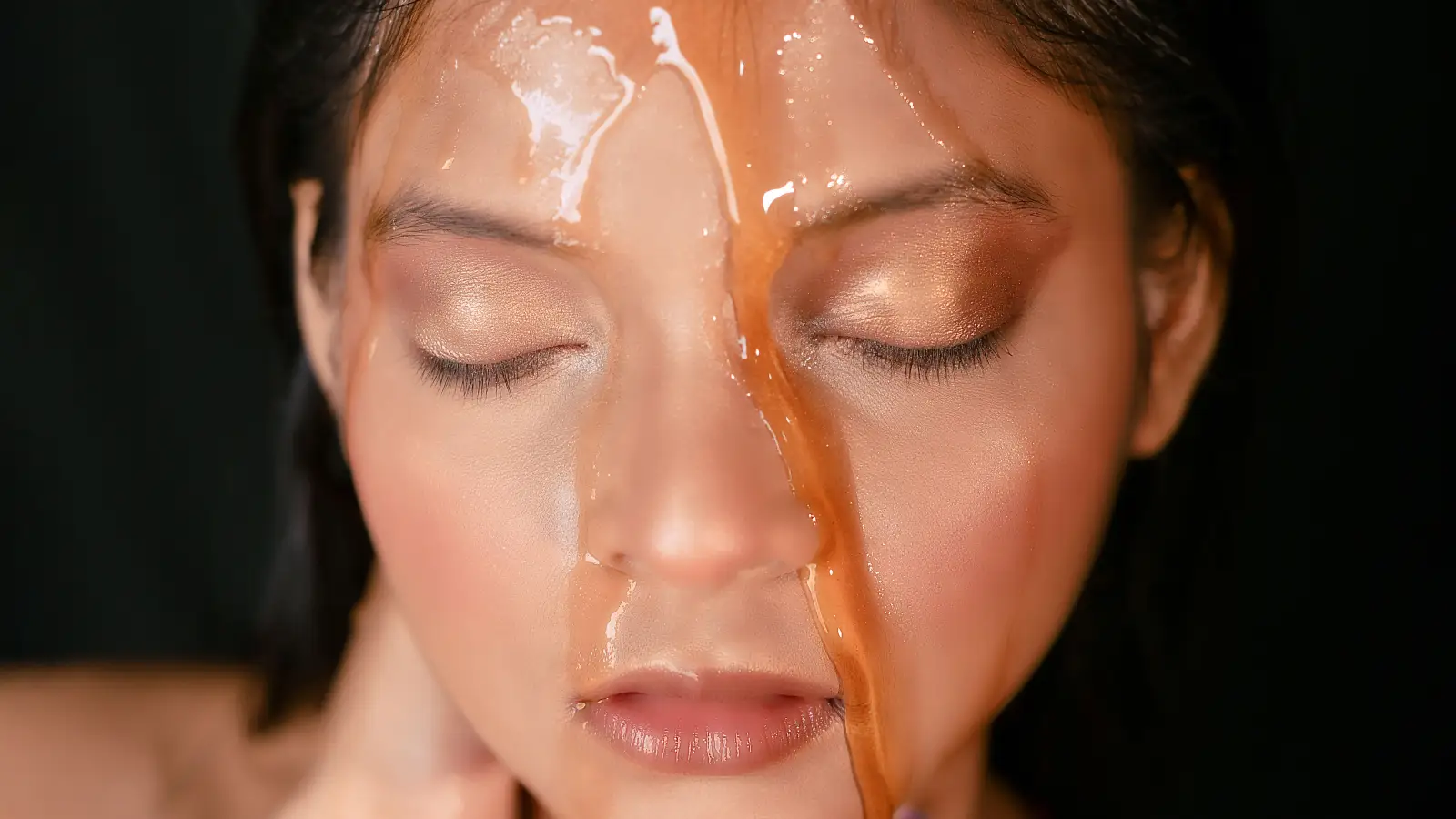
What Actually Happens When You Put Honey on Your Face
Applying raw honey triggers three lab-backed actions: moisture trapping, gentle hydrogen peroxide release, and low pH support. Understand what it can—and can't—do for your skin.
Science‑backed explainers on honey’s chemical makeup, nutritional data, and its bioactive properties, always with appropriate health disclaimers.
Applying raw honey triggers three lab-backed actions: moisture trapping, gentle hydrogen peroxide release, and low pH support. Understand what it can—and can't—do for your skin.

Learn how honey calms a stubborn cough, the clinical evidence behind it, and how it compares to OTC medicines — with realistic expectations, not hype.

Microwaving honey doesn't destroy its goodness—if you stay below 104°F and use short bursts. Learn the exact temperature thresholds and how to warm honey without nutrient loss.
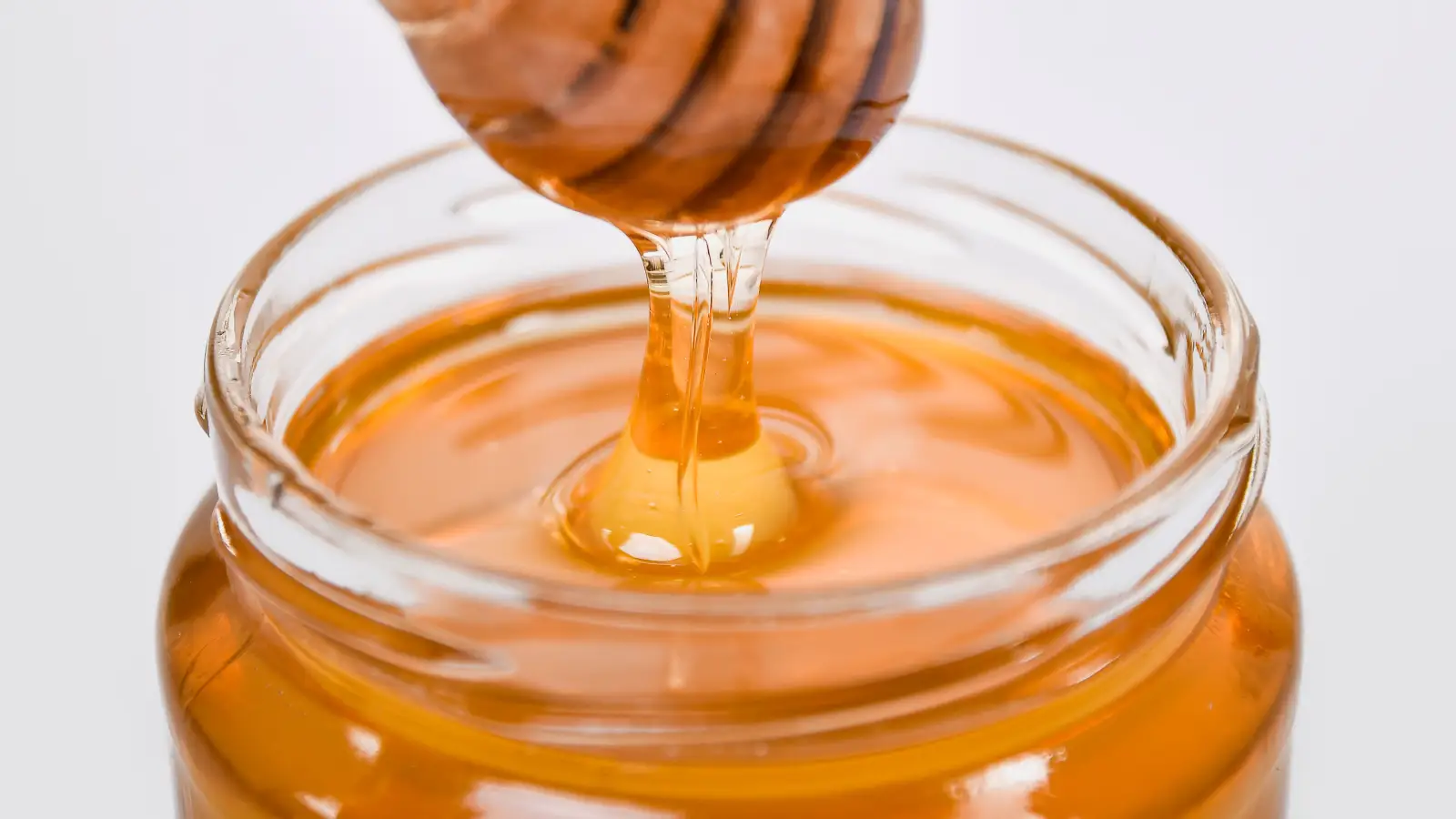
Honey’s flavonoids, phenolic acids, ascorbic acid, and melanoidins—how to read color and processing, and how much you need for a measurable antioxidant effect, without the hype.
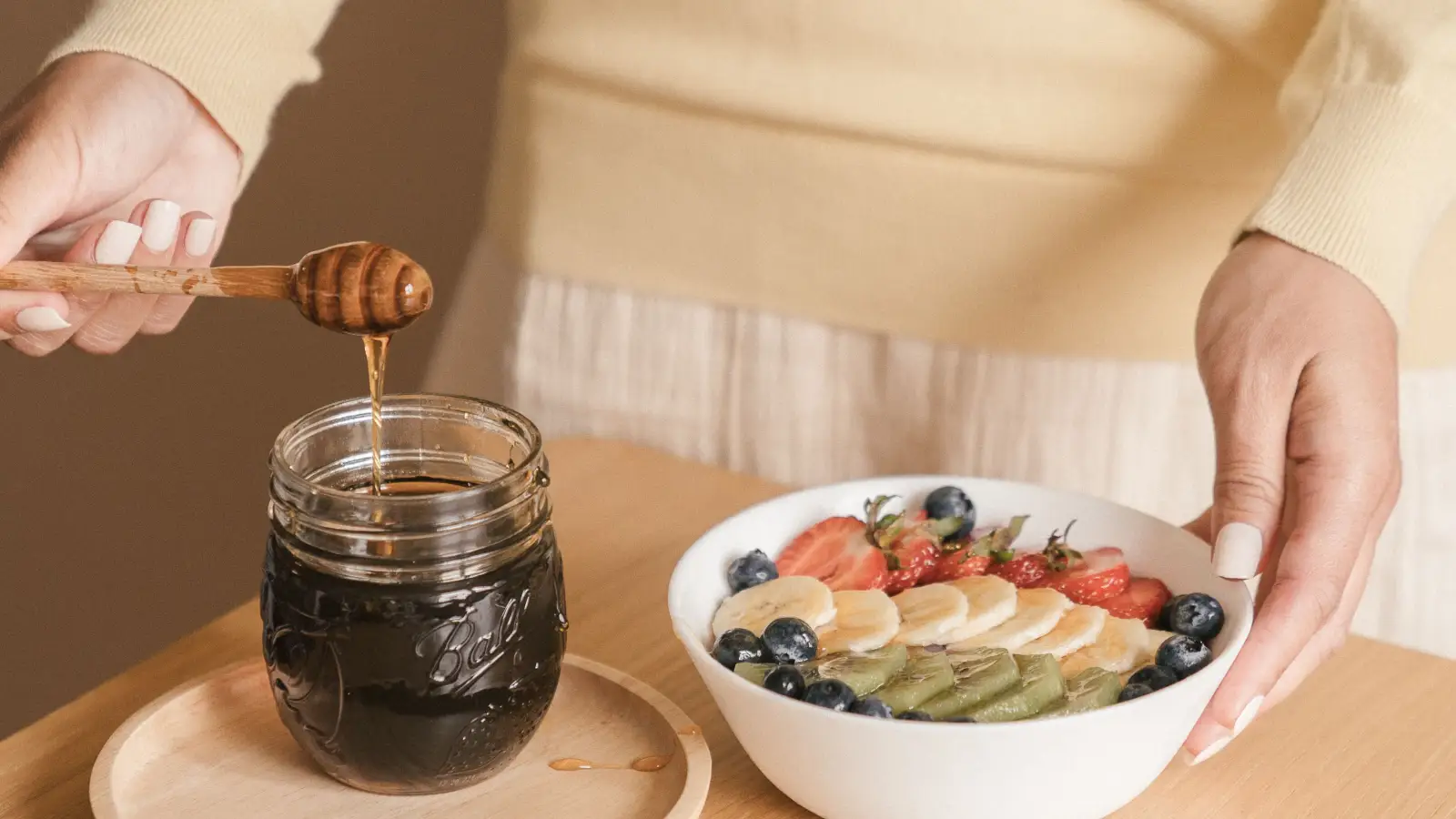
A tablespoon of honey provides 64 calories and 17g of sugar, with negligible vitamins. Learn when its enzymes offer a functional difference and when they don't.
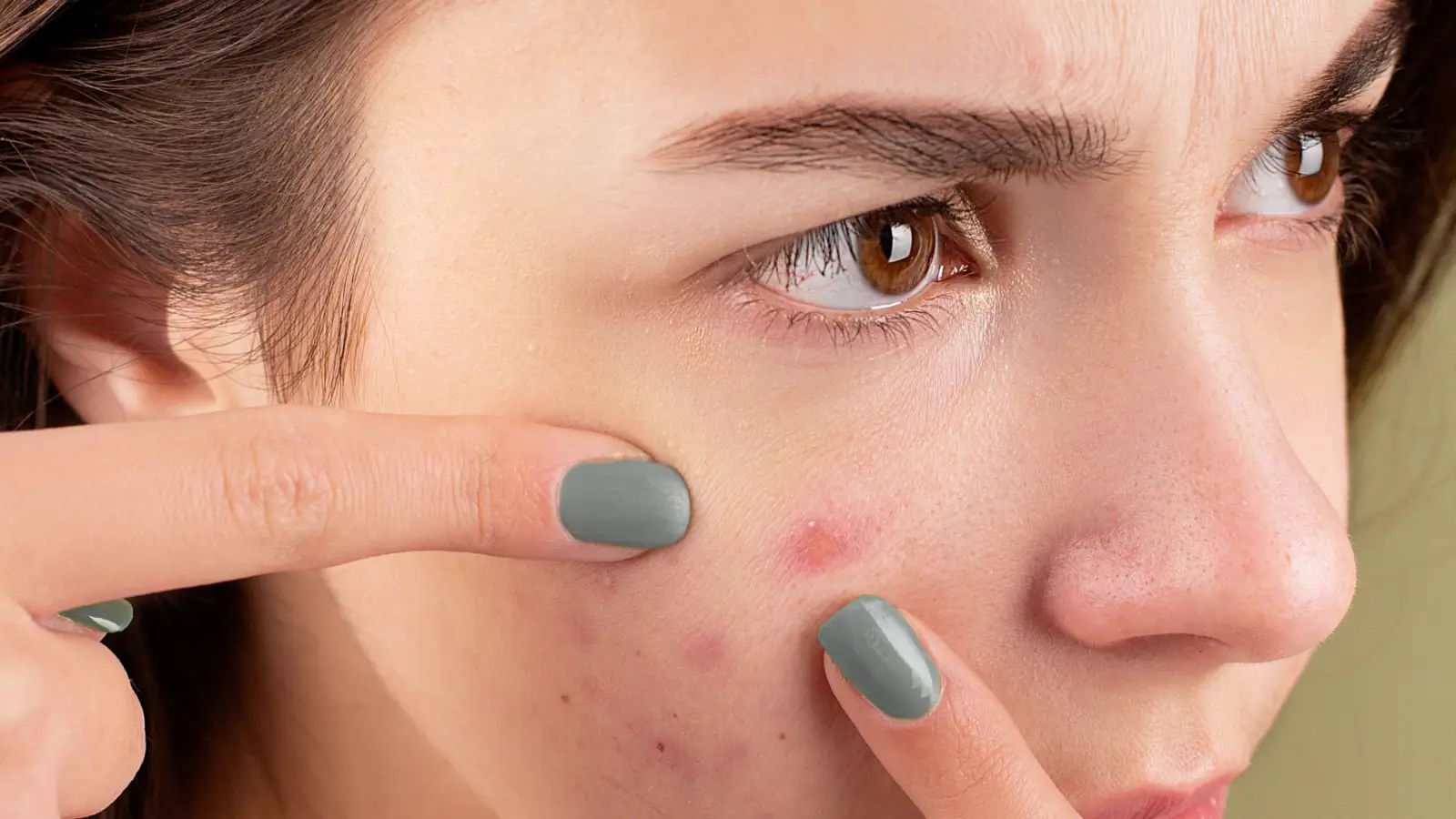
Acne-fighting honey works via two pathways: hydrogen peroxide and methylglyoxal. Learn how pH, dilution, and Manuka grade change which mechanism dominates.

Honey’s antibacterial power comes from hydrogen peroxide, acidity, and phytochemicals—not just Manuka. Learn which mechanisms make even affordable raw honey work.
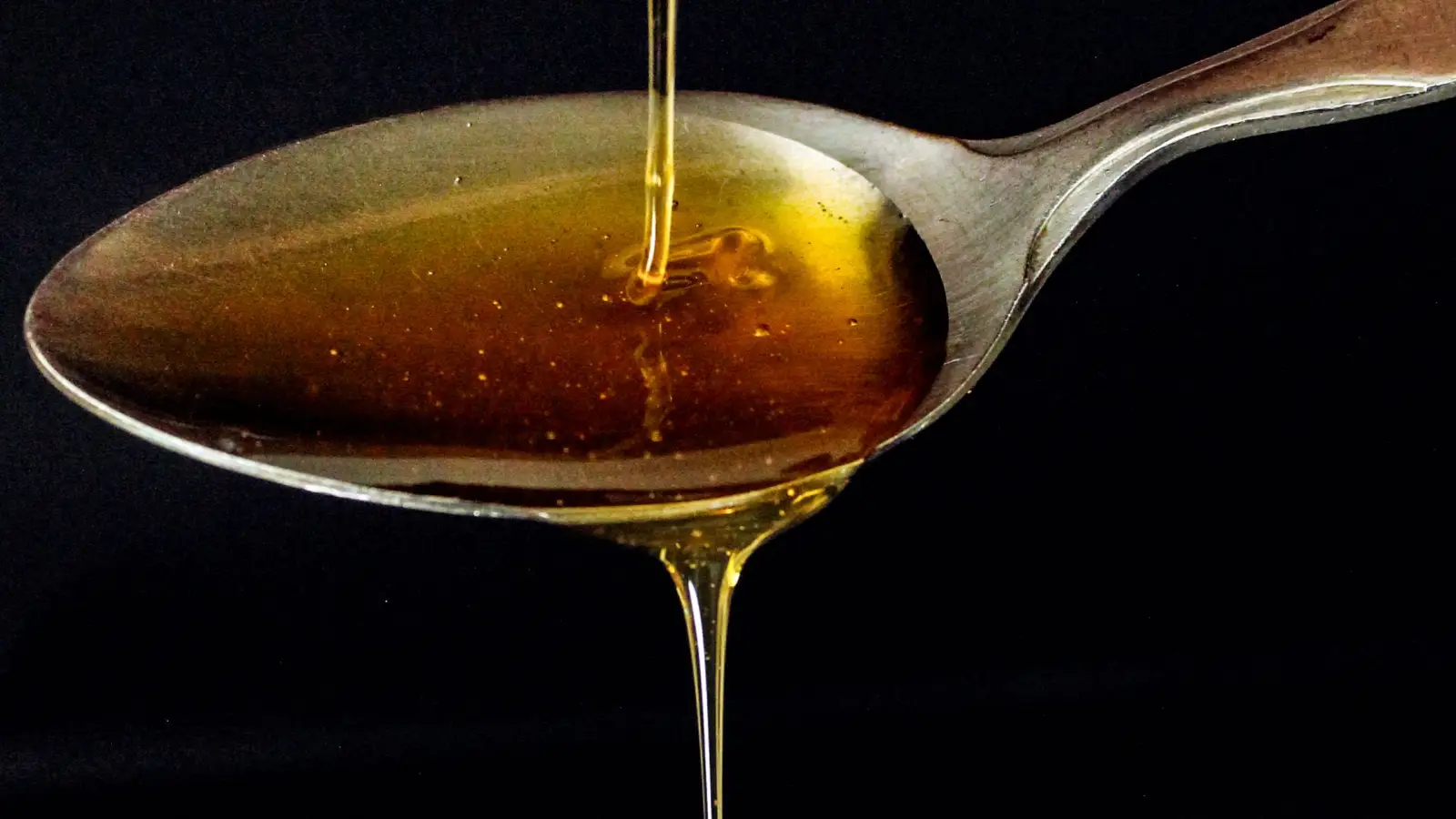
A clear breakdown of how 3 teaspoons of honey use up your daily added sugar cap, with visual portions and the real calorie trade-off for weight loss.