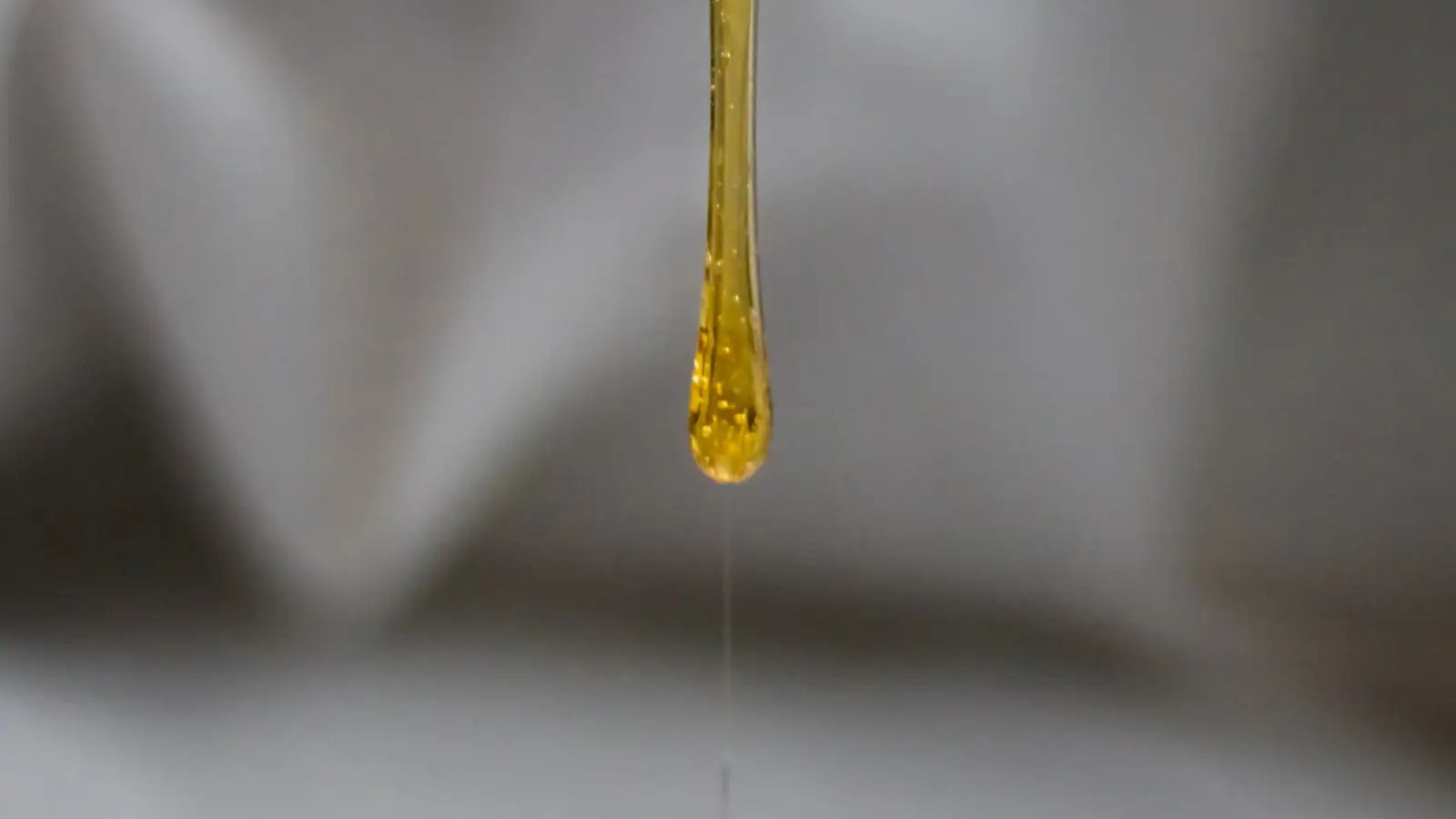
Honey vs Sugar: Only 12 Calories Separate Each Teaspoon
Honey has 5 more calories per teaspoon than sugar, but its sweetness may let you use less. See the real numbers and when the calorie gap actually matters.
Science‑backed explainers on honey’s chemical makeup, nutritional data, and its bioactive properties, always with appropriate health disclaimers.
Honey has 5 more calories per teaspoon than sugar, but its sweetness may let you use less. See the real numbers and when the calorie gap actually matters.

A close analysis of 14 randomized trials reveals honey’s cough-soothing potential, critical research gaps, and safety rules most guides leave out. Evidence-based, not anecdotal.
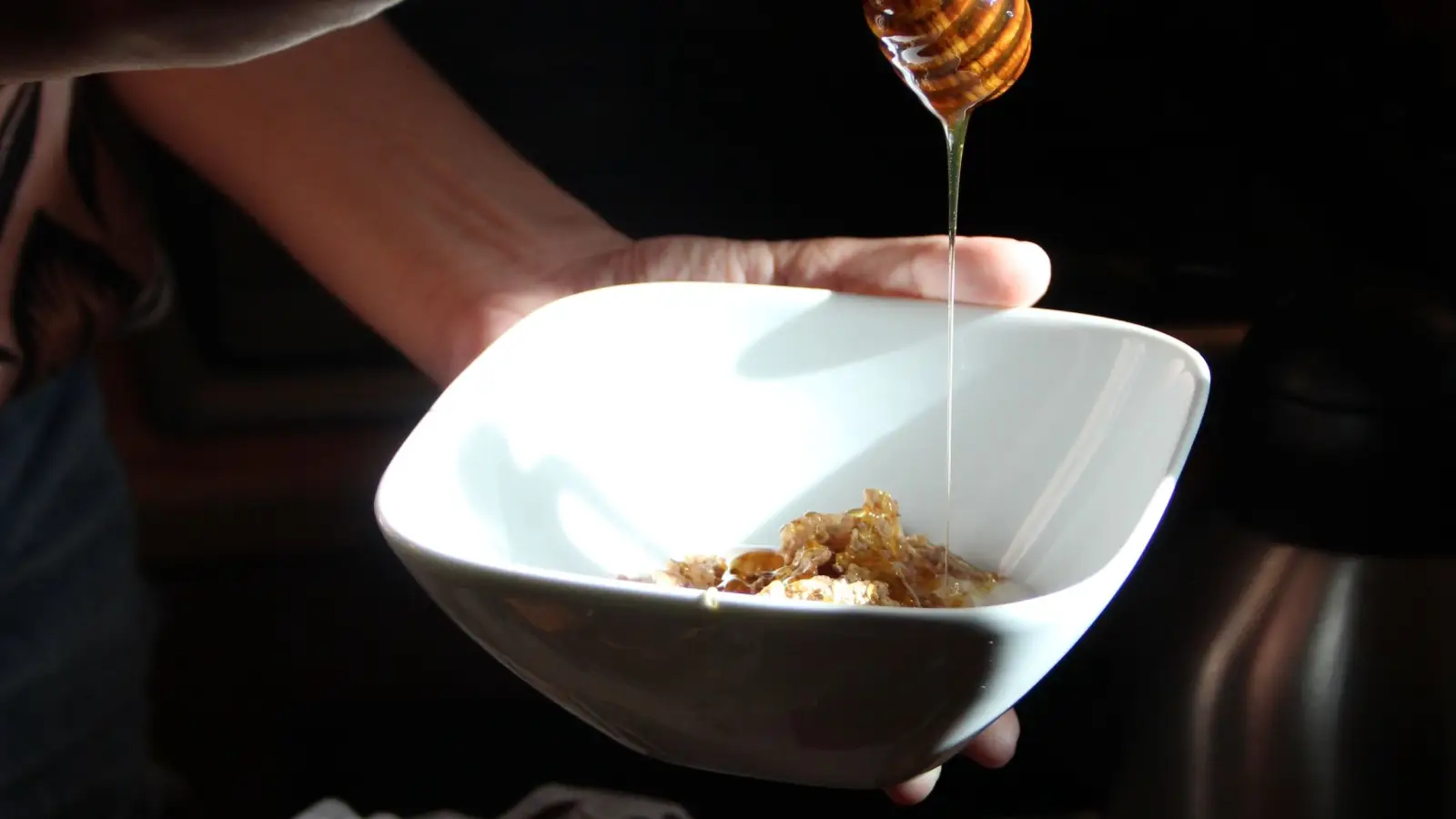
A side-by-side nutritional breakdown of honey and table sugar—calories, glycemic index, and trace nutrients—so you can see when honey is worth it and when it’s not.

Honey’s wound cleaning power comes from glucose oxidase, an enzyme that releases low-level hydrogen peroxide on contact with wound fluid. Learn how this slow-release system works and when it matters most.
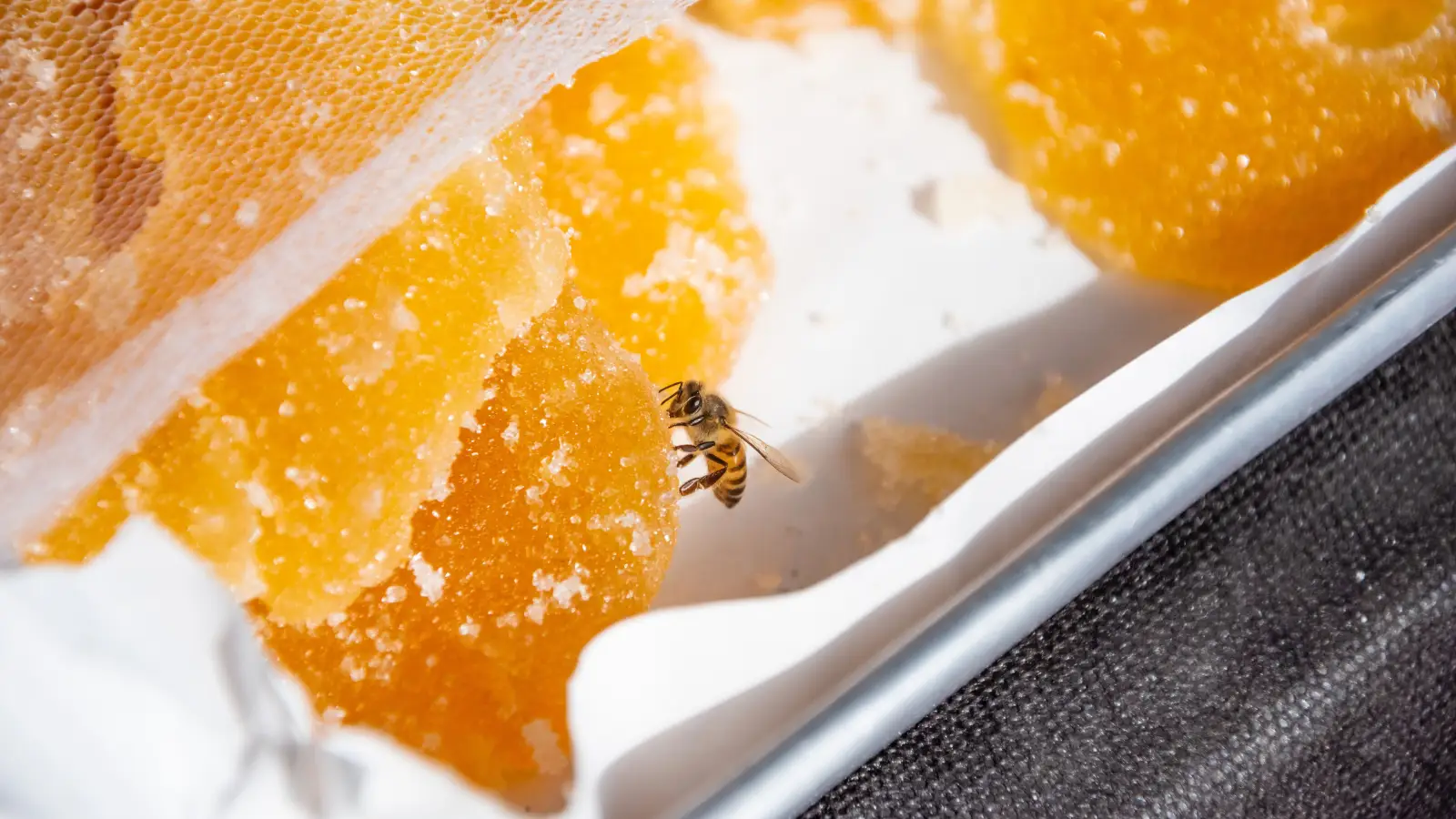
Learn how the glucose-to-fructose ratio drives honey crystallization, why varietal differences matter, and how temperature speeds or slows the process. No oversimplified answers.

A data-driven look at what clinical trials and lab studies actually show about honey's wound-healing mechanisms, honey types, trial design flaws, and safety.
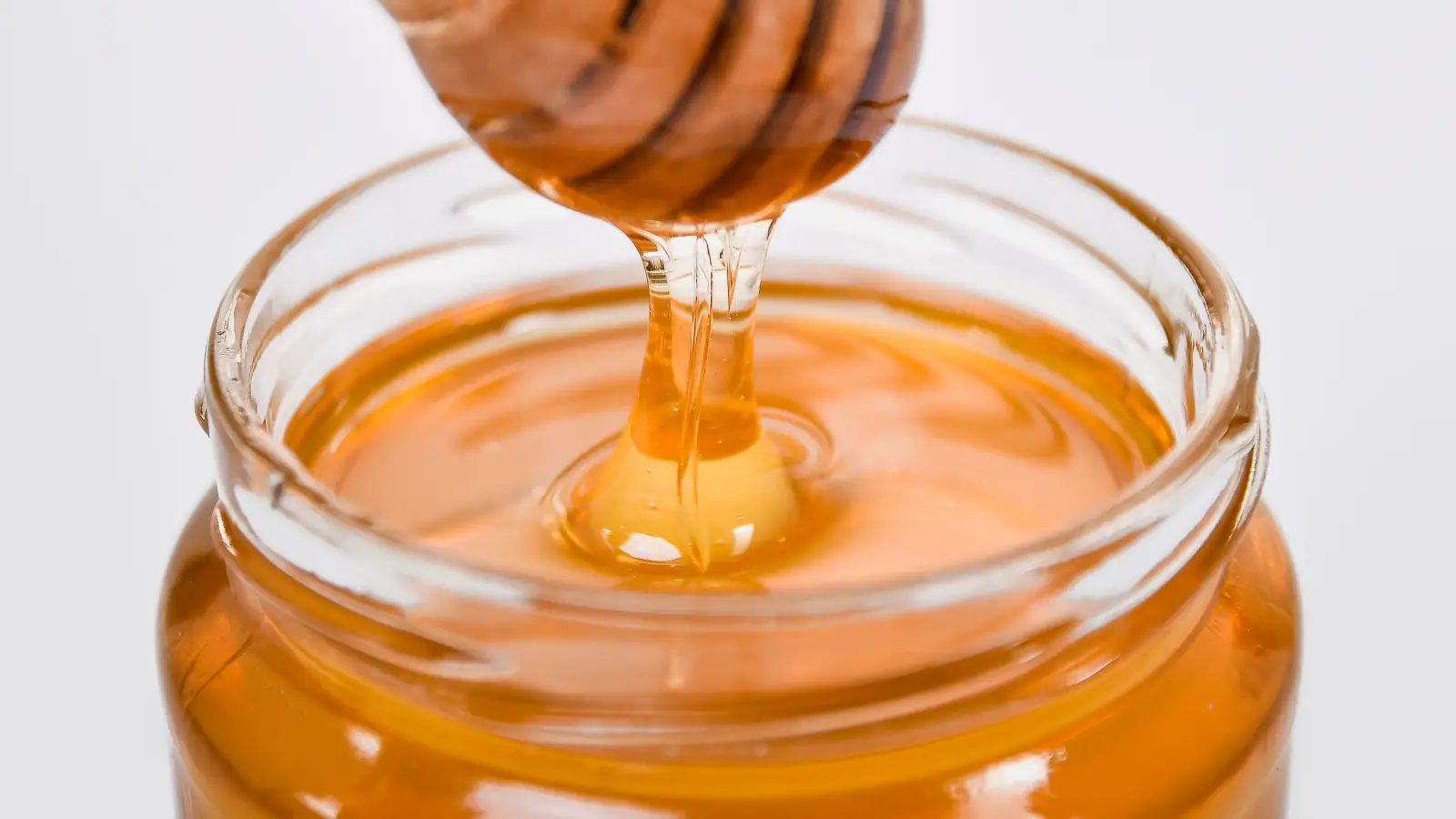
Honey’s antibacterial power isn’t just sugar. Discover how glucose oxidase produces hydrogen peroxide, why antioxidants stabilize the defense, and what this means for shelf life and wound care.

Raw clover honey contains glucose oxidase, invertase, and higher moisture that affect crystallization, glycemic response, and antibacterial properties—setting it apart from plain sugar.
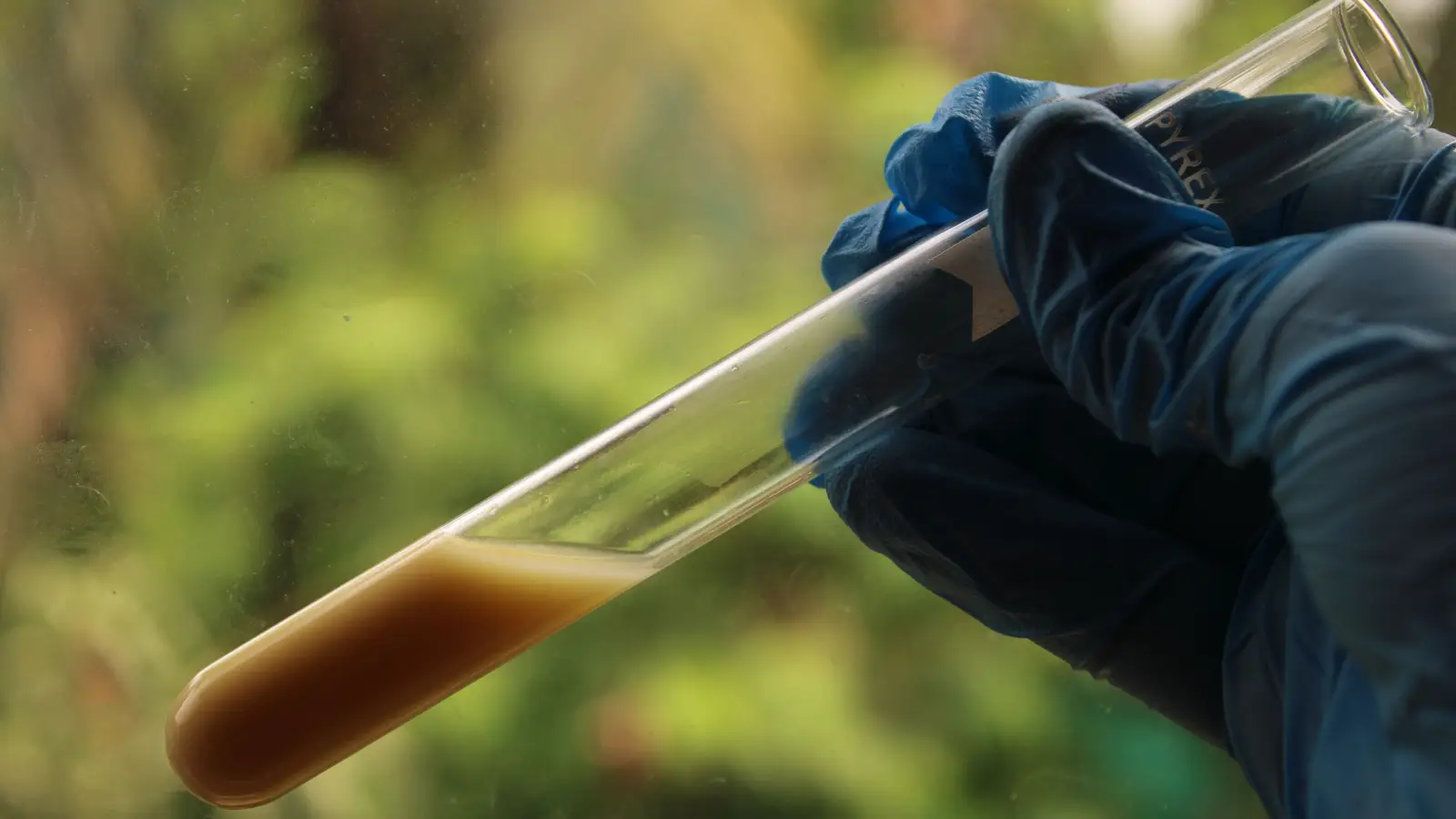
Lab data reveals raw honey has slightly higher enzymes and phenolics—but per spoonful, the advantage is about 3%. See when that matters and when it doesn’t.
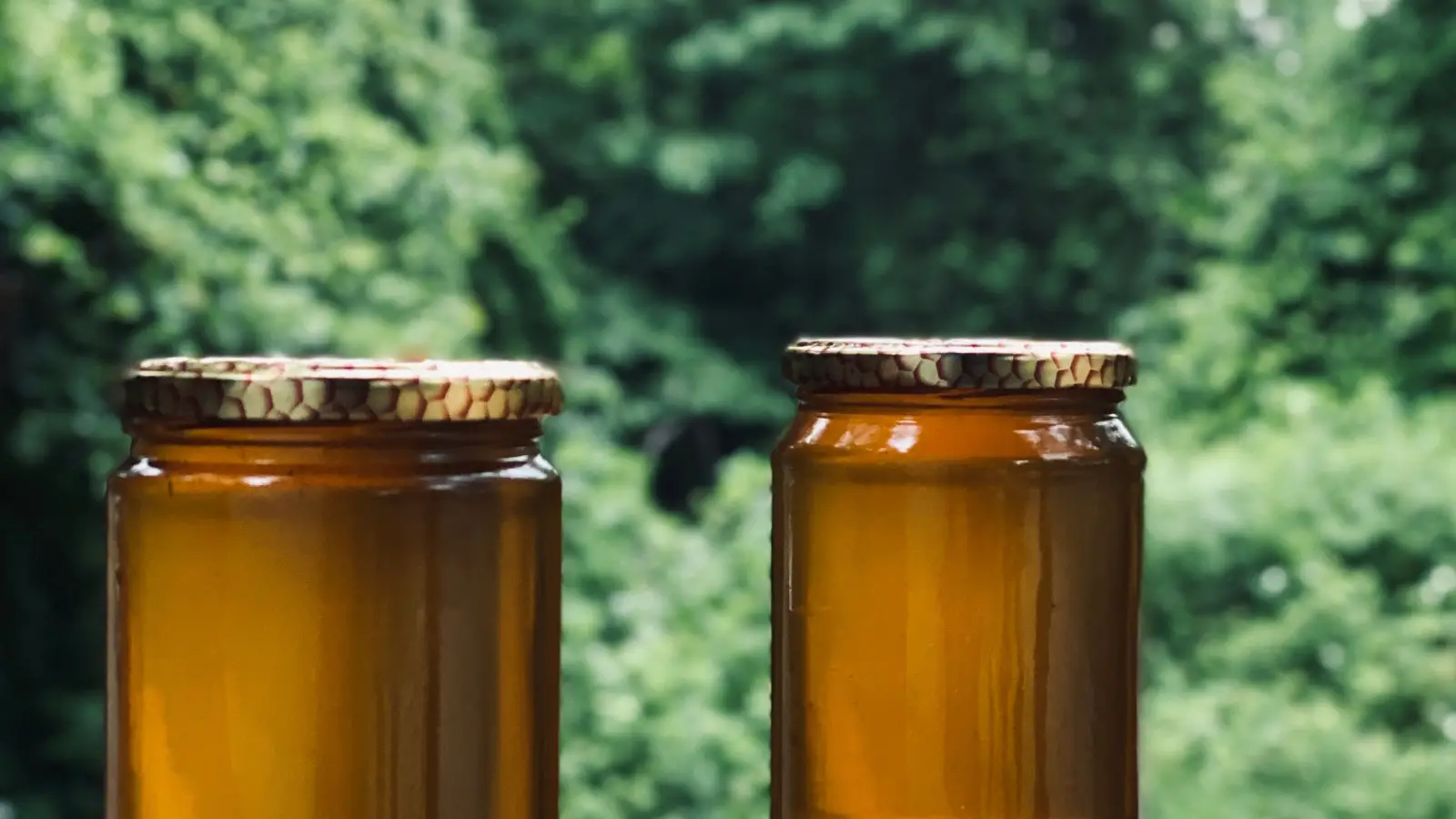
Raw honey’s glucose oxidase enzyme releases hydrogen peroxide upon dilution, fighting germs naturally. But pasteurization’s heat destroys it permanently. Here’s what you need to know.