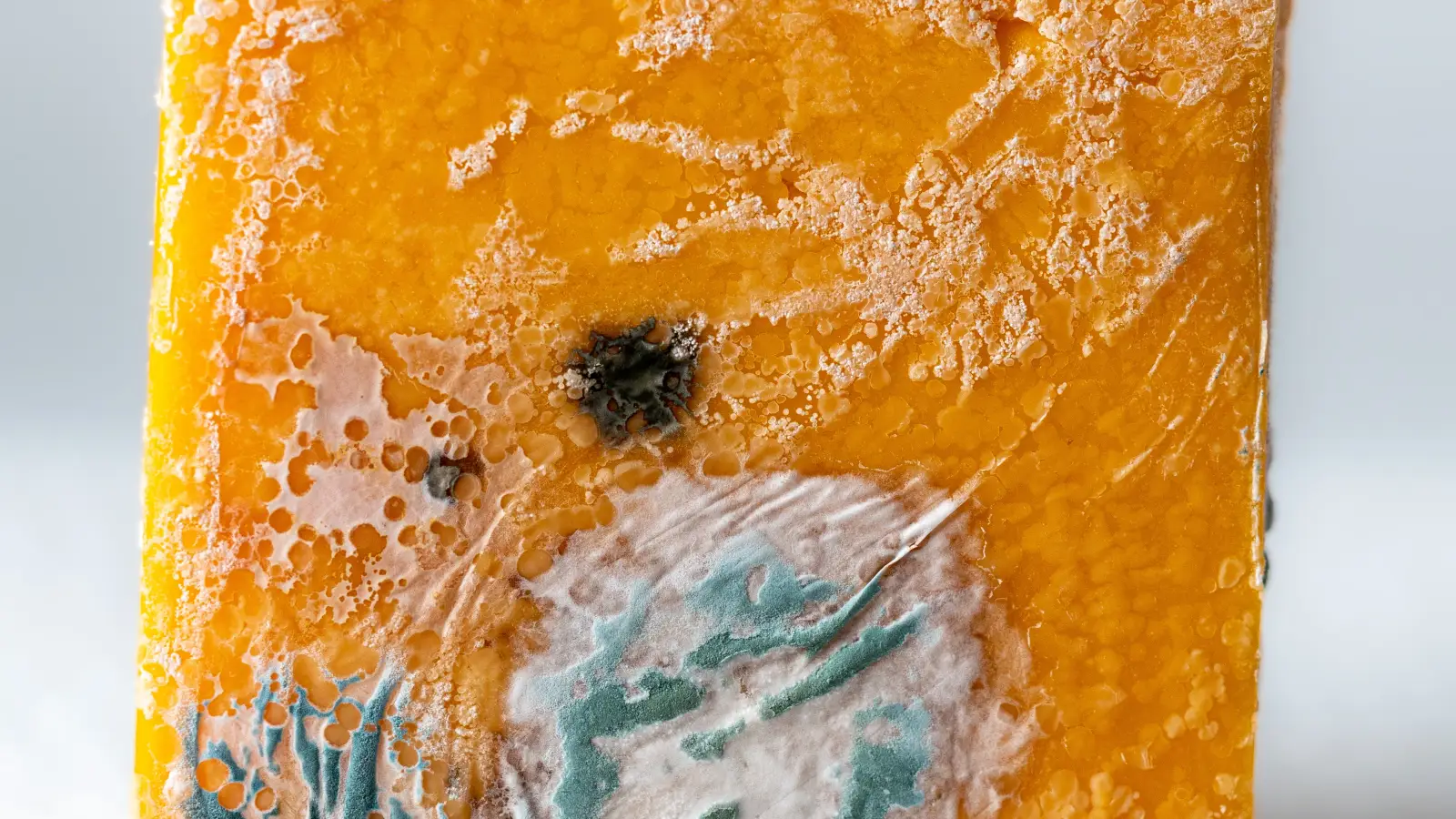
How Food Safety Experts Rule Out Mold in Your Honey
Learn the visual signs of mold vs. foam, pollen, and wax in honey. Follow a food safety inspector’s 5-step inspection method and know exactly when to discard the jar.
Guides on keeping honey fresh, understanding crystallization, and vital food‑safety precautions for at‑risk groups.
Learn the visual signs of mold vs. foam, pollen, and wax in honey. Follow a food safety inspector’s 5-step inspection method and know exactly when to discard the jar.
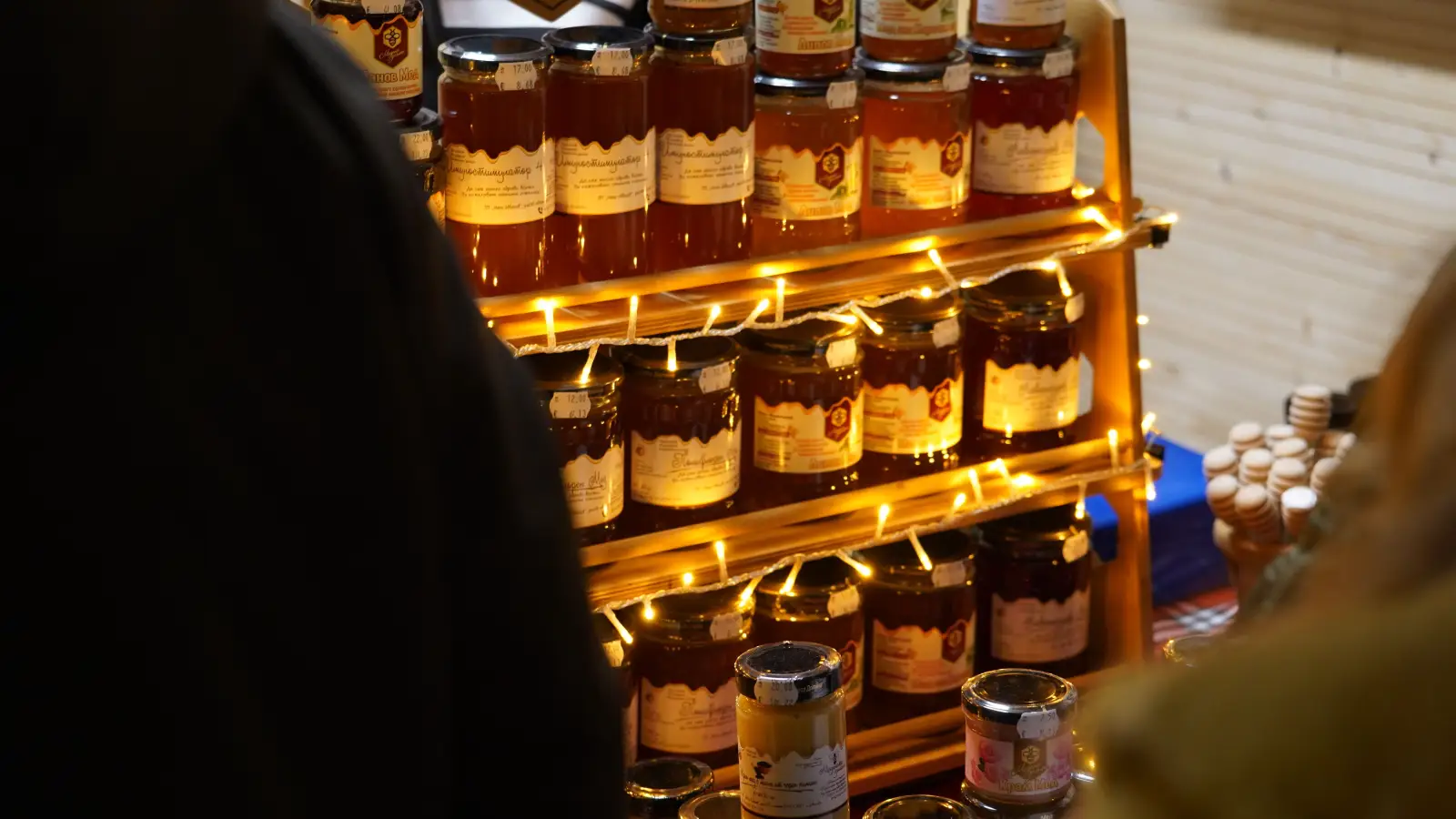
Heat, light, plastic containers, and harsh liquefying methods quietly destroy honey’s antioxidants. A simple storage checklist keeps them intact.

Your wildflower honey turned solid? That’s glucose crystallizing naturally, not spoilage. Learn the gentle, enzyme-safe way to reliquefy it—no microwave, no boiling water.
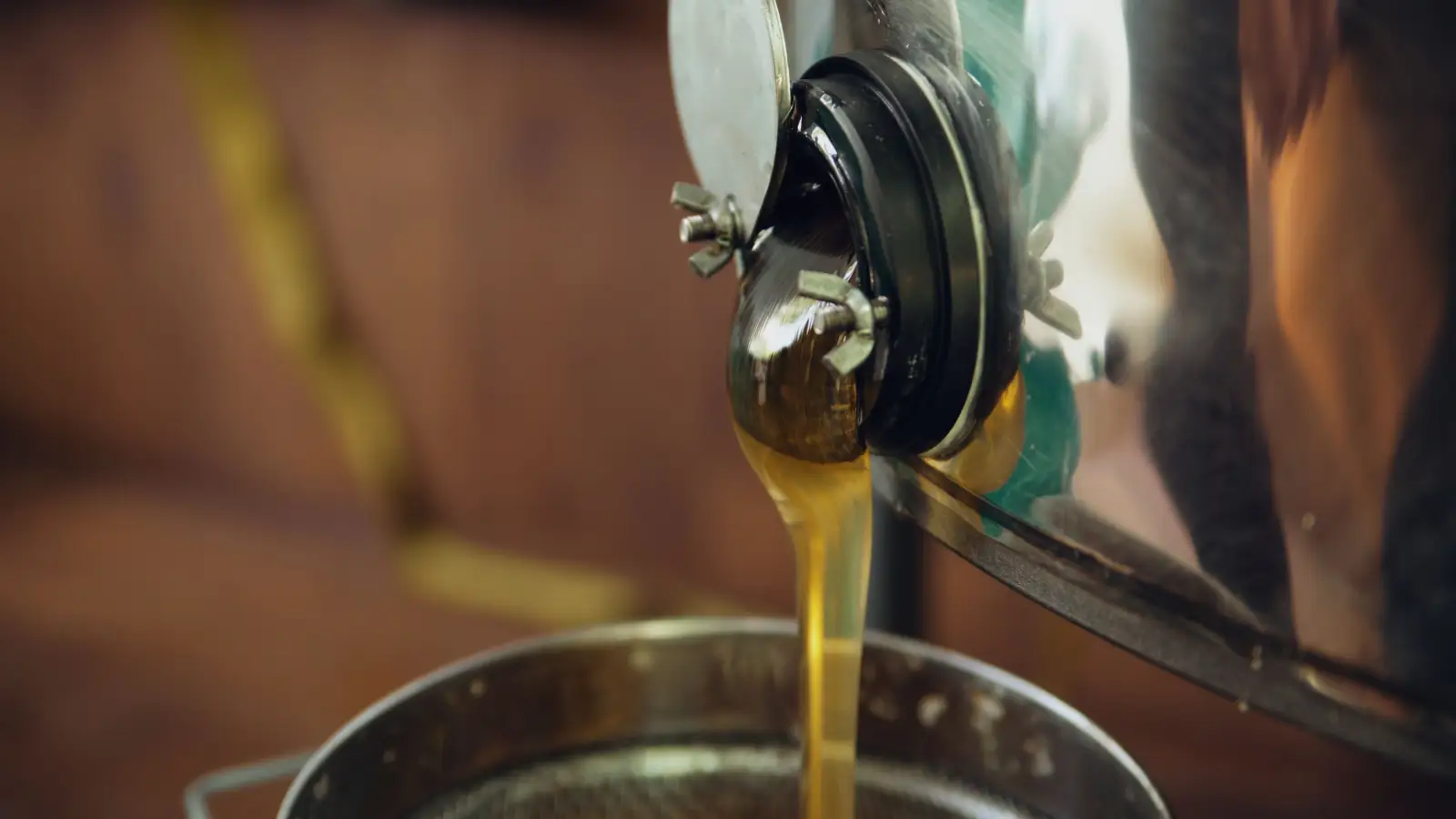
Monofloral honeys crystallize at different speeds because of their glucose-fructose ratios. Learn why your lavender or sunflower honey turned grainy fast and how to reliquefy it safely.
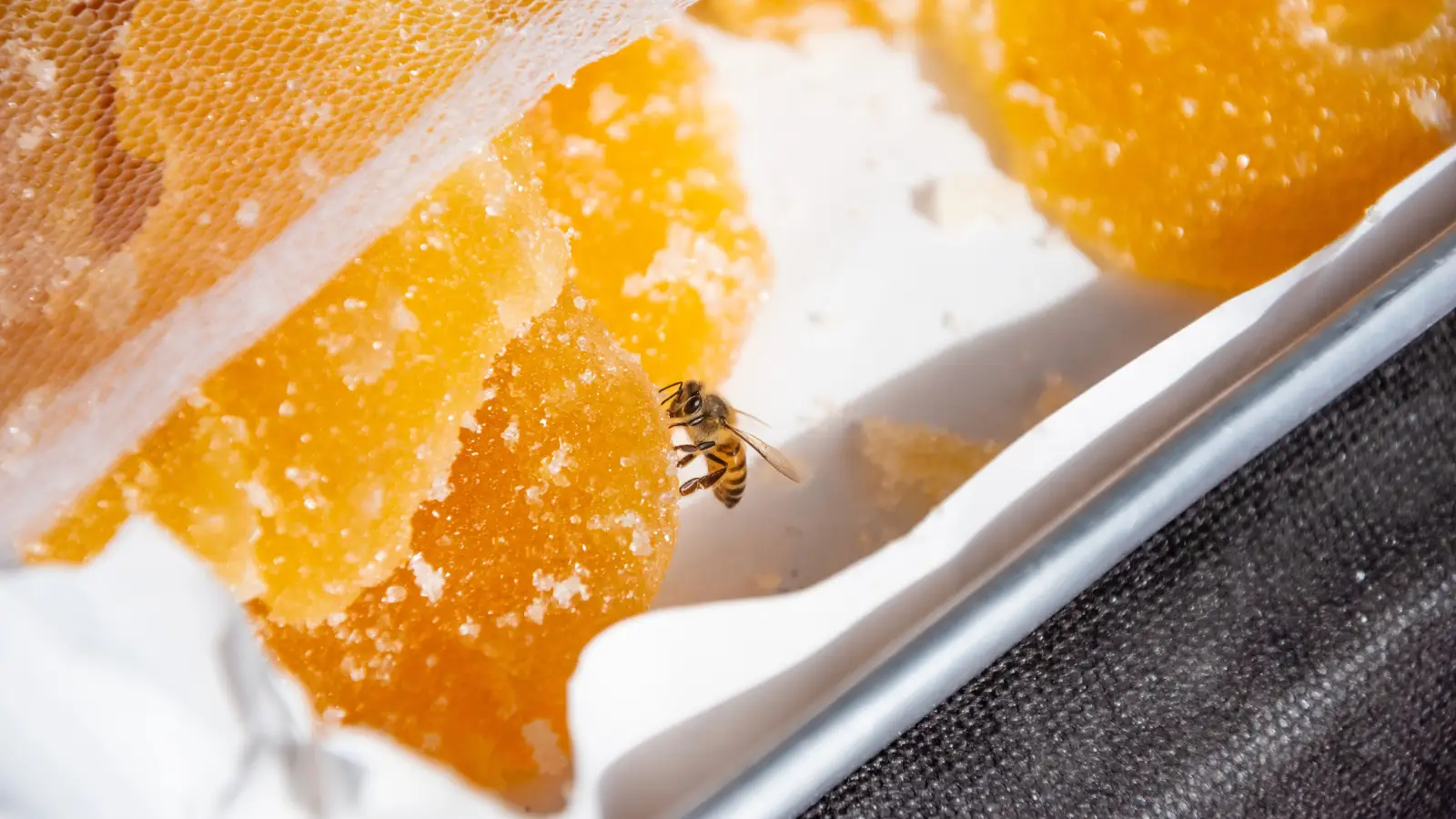
Grainy honey hasn't spoiled—it's just crystallized. Learn safe, gentle methods to return it to liquid without destroying delicate enzymes or altering taste.
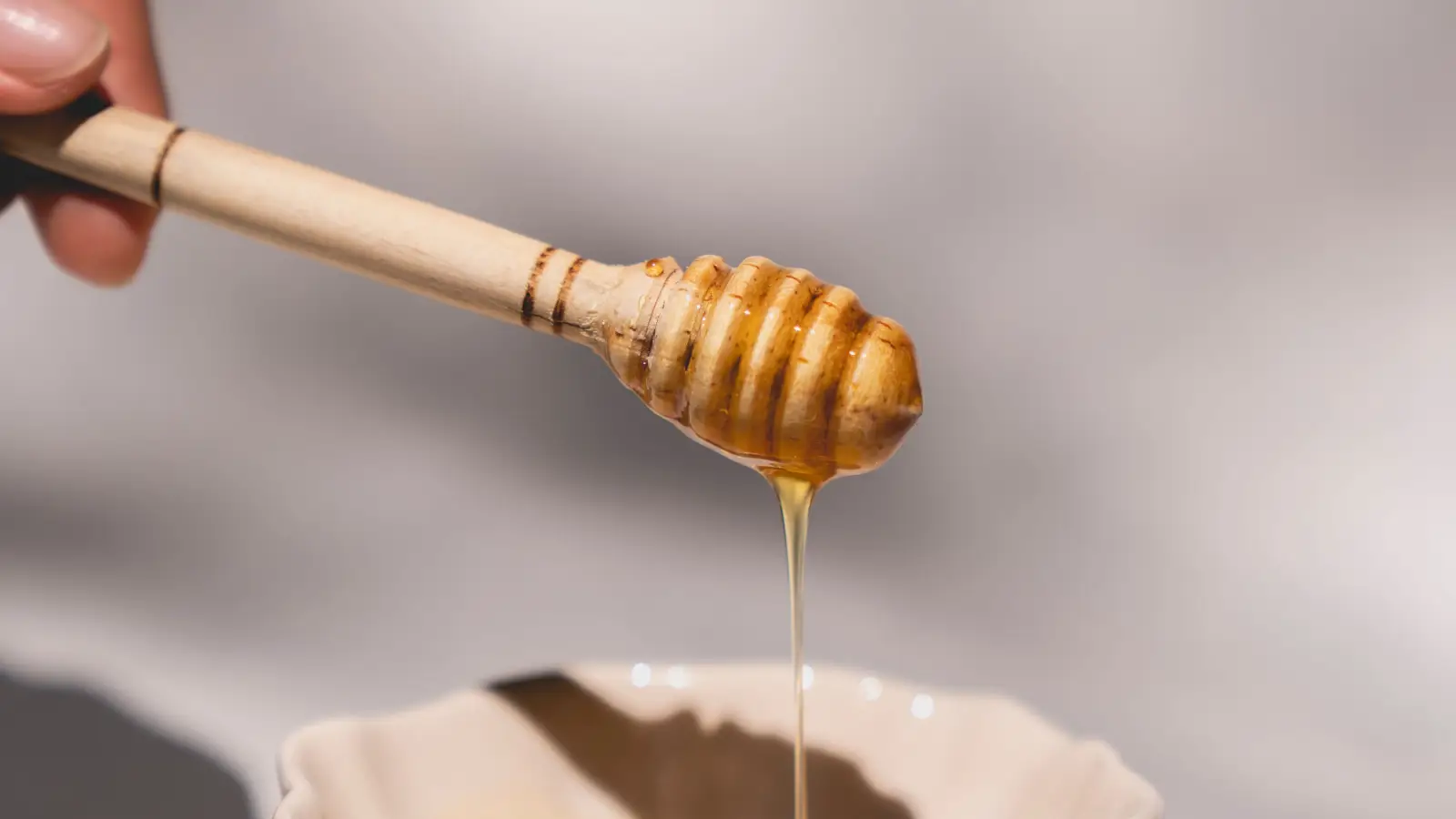
Applying raw honey to a cut can introduce bacterial spores and trigger allergies. Learn the dermatologist-informed checklist for safe use, including patch testing and when to avoid honey entirely.
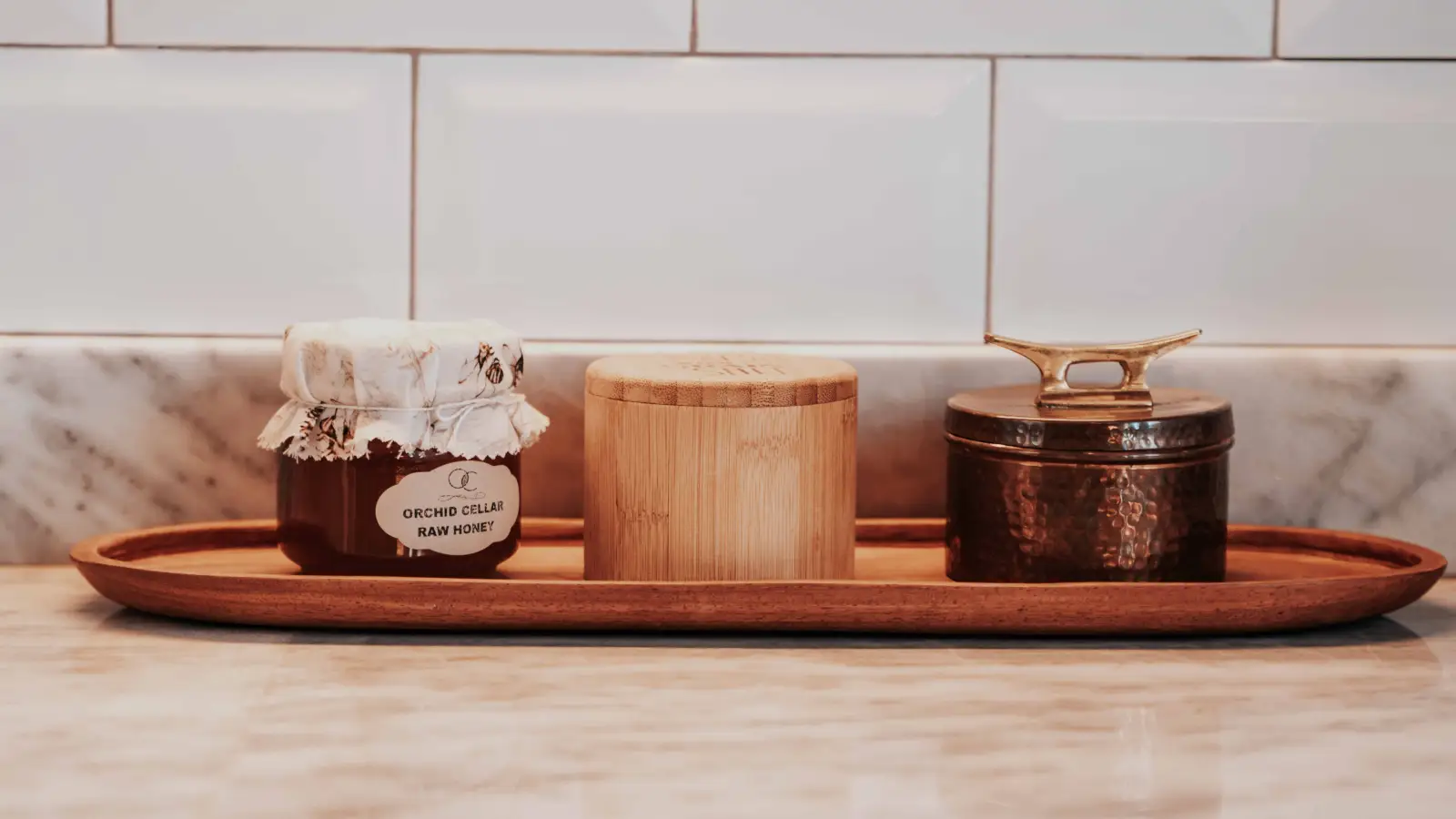
Off flavors in honey—metallic, plastic, musty—usually come from the container. Match the taste to the cause and rescue your batch with these fast fixes.
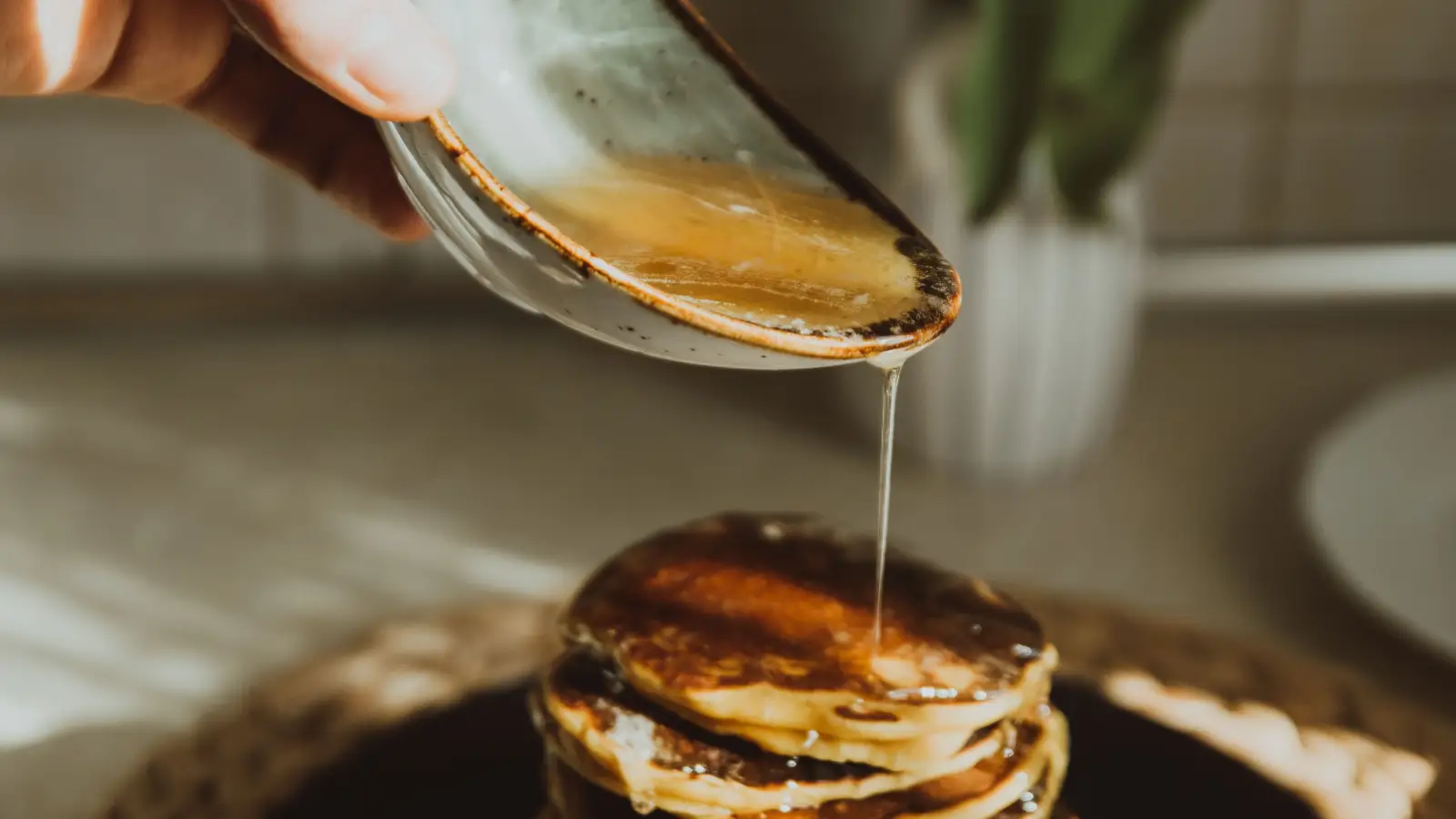
Learn the water activity threshold and ingredient rules that make raw honey safe in no-bake energy balls, bars, and dressings — and who should avoid it entirely.
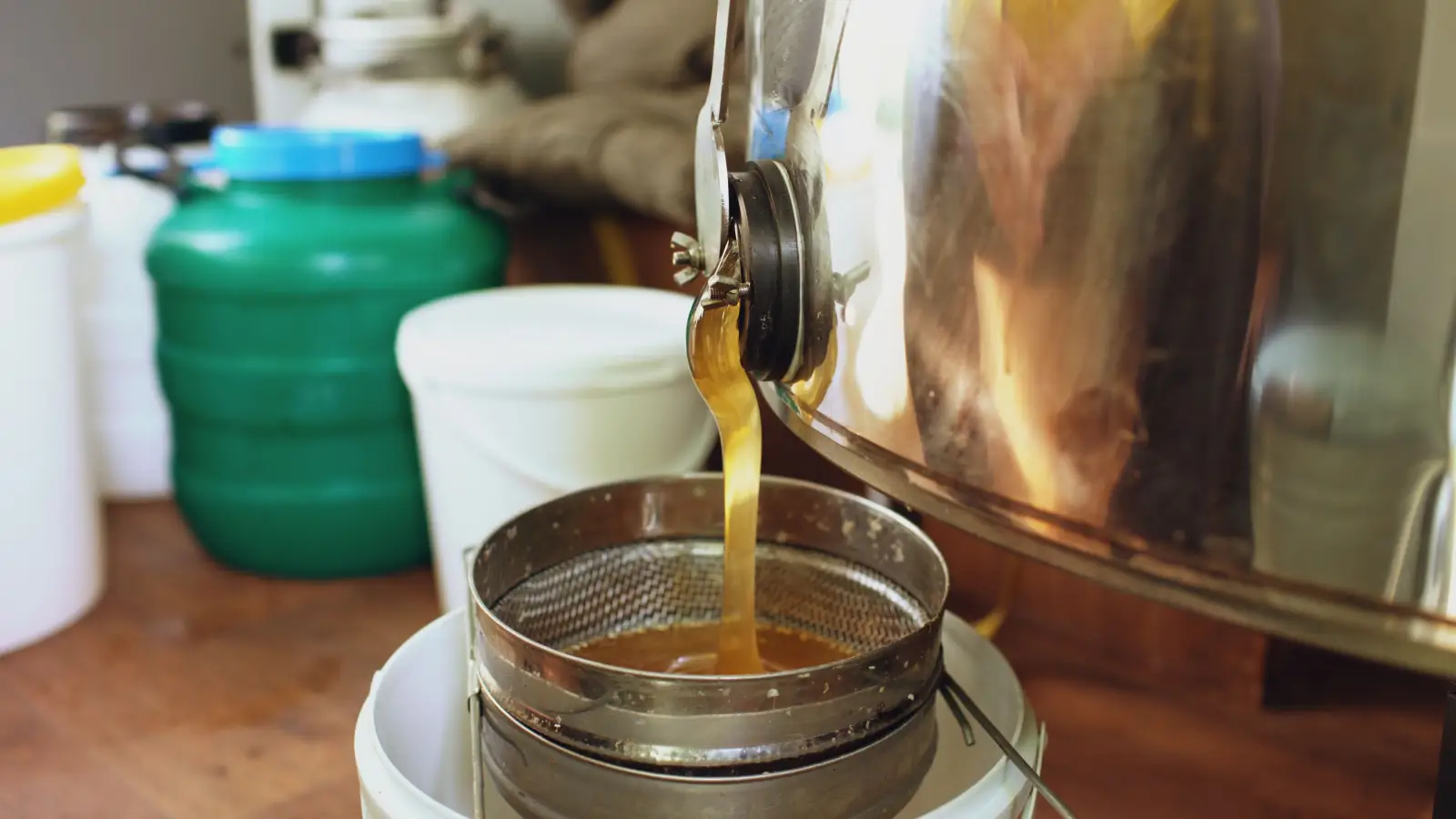
Stop grainy honey with an airtight container, stable pantry spot, and gentle warm-water method. Keeps honey pourable a full year without ruining flavor or enzymes.
Using honey on a wound can go wrong fast. See the 5 mistakes that cause infection, allergic reactions, and worse—and learn exactly what to do instead.