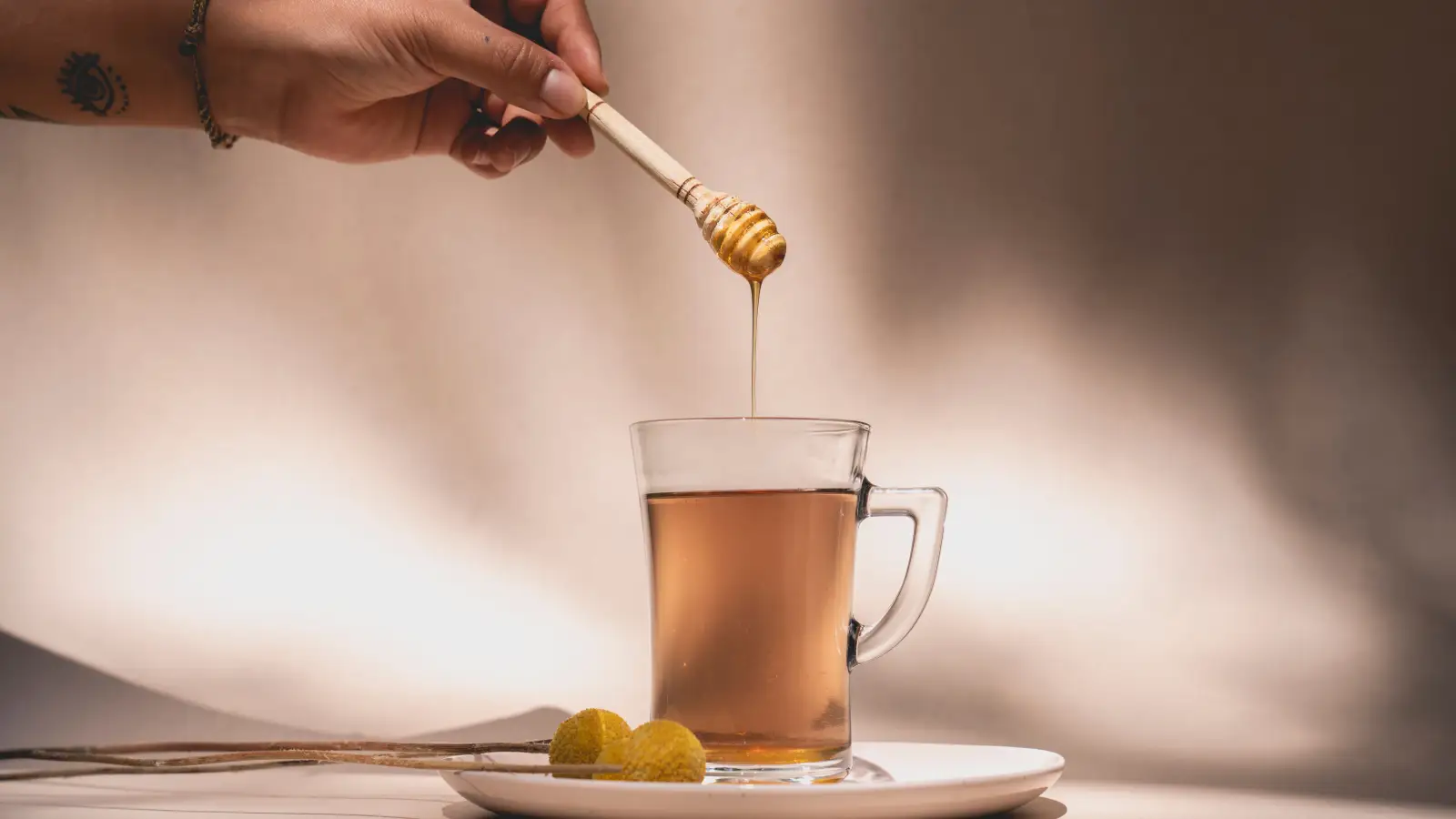
Microwaving Raw Honey Ruins Its Benefits — Do This Instead
Microwaving raw honey can inadvertently pasteurize it and ruin its benefits. Use a precise 104°F water bath to re-liquefy crystals safely—step-by-step guide inside.
Guides on keeping honey fresh, understanding crystallization, and vital food‑safety precautions for at‑risk groups.
Microwaving raw honey can inadvertently pasteurize it and ruin its benefits. Use a precise 104°F water bath to re-liquefy crystals safely—step-by-step guide inside.
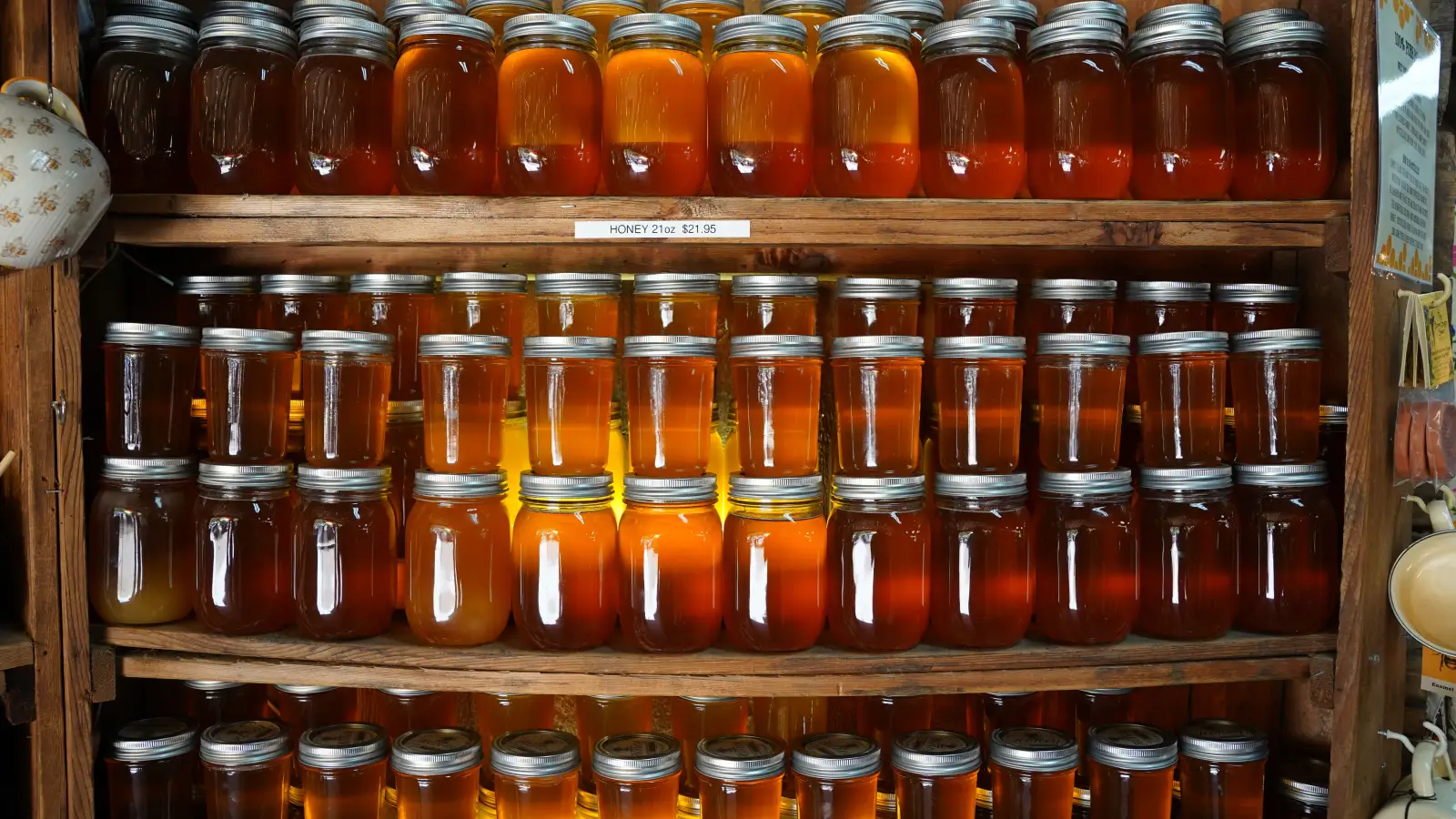
Stop guessing “off” smells. This 6‑step safety checklist uses vinegar odor, fizz, crystal patterns, and pH to give you a firm keep‑or‑toss verdict on stored honey.
Honey can carry botulism spores that an infant's immature gut cannot fight. Learn the biological reasons behind the no-honey rule and how to keep your baby safe.
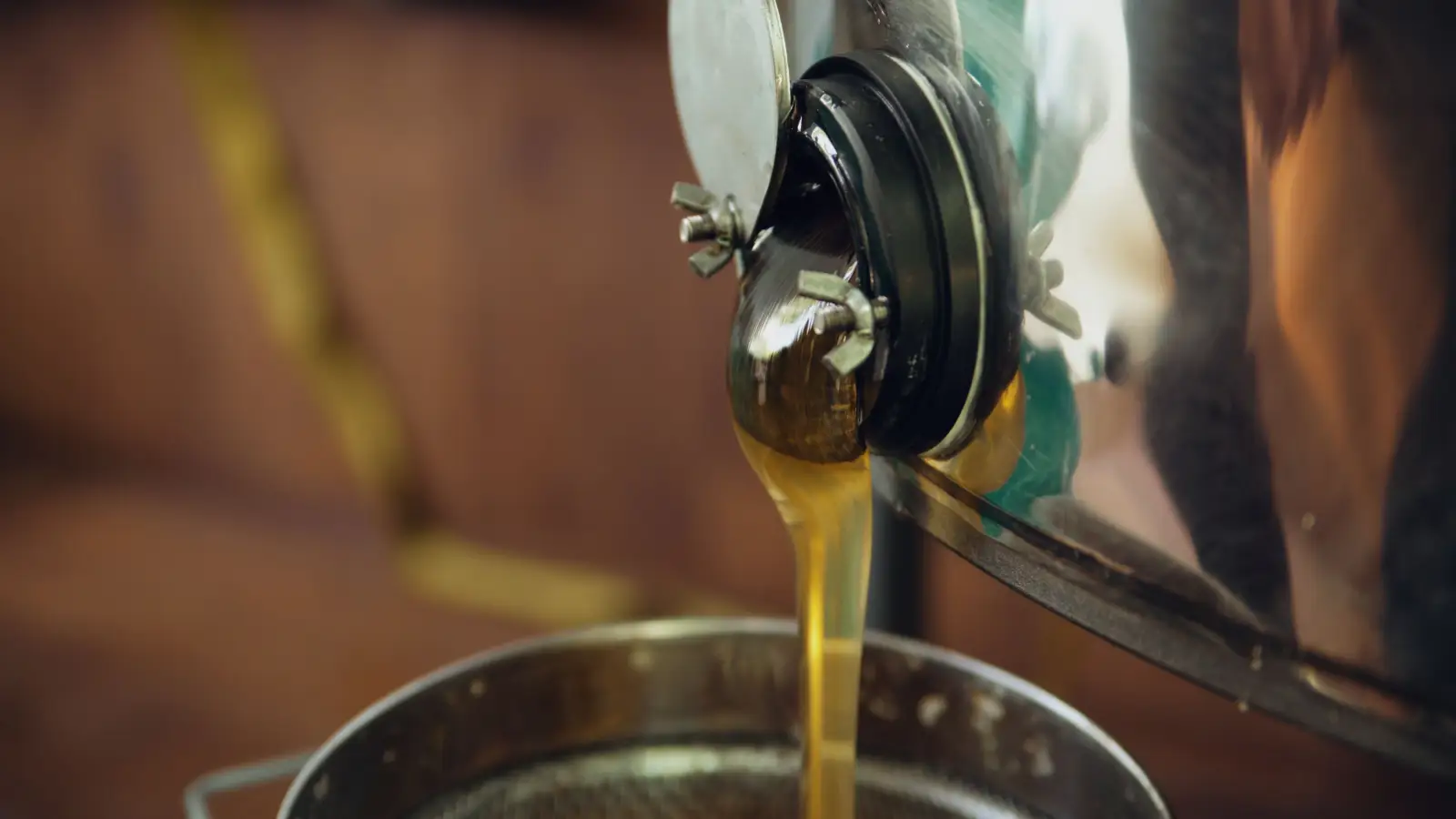
Learn the moisture threshold and storage conditions that cause honey fermentation, plus a complete prevention system to keep your honey shelf-stable for years.
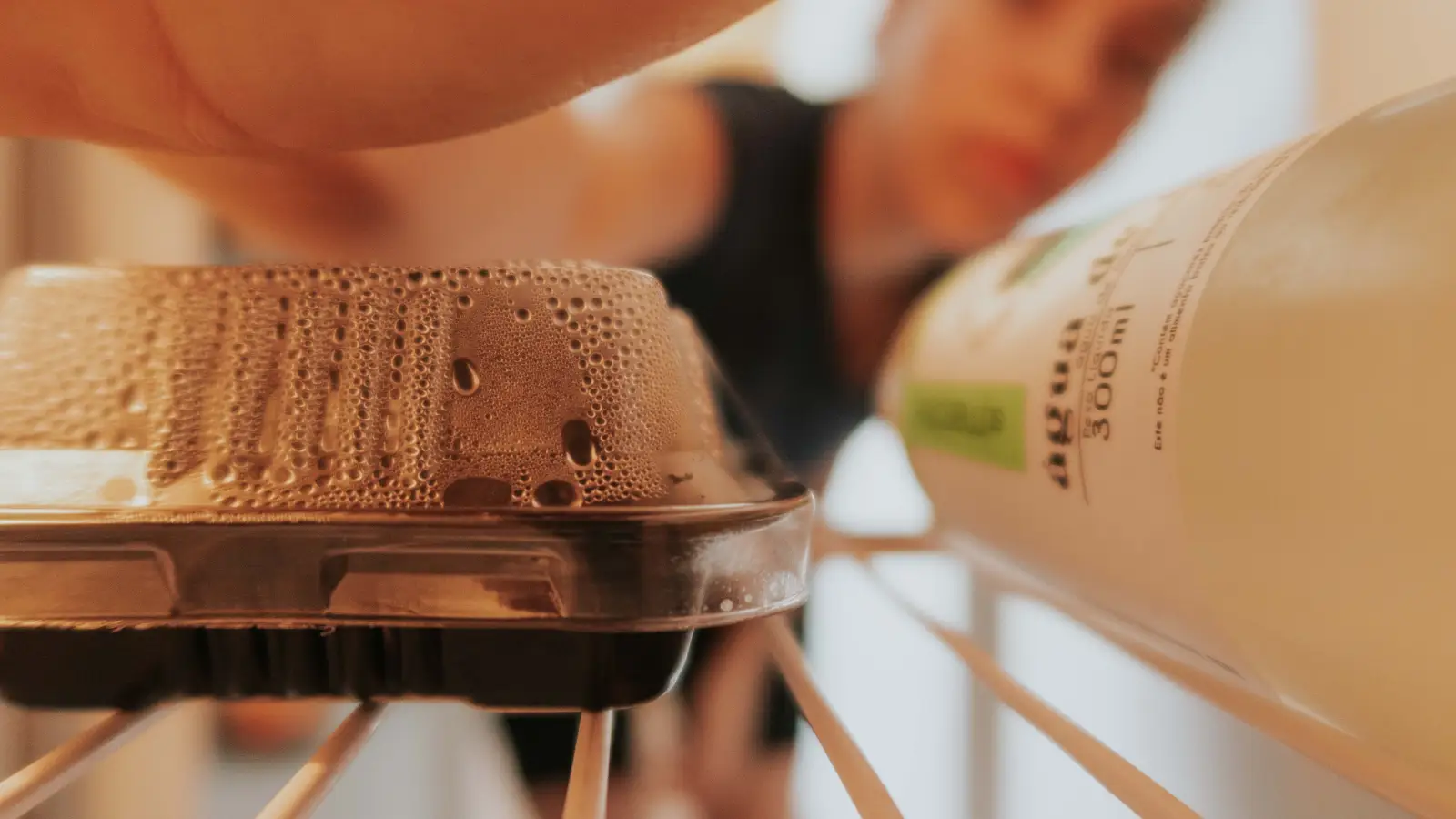
Stop ruining crystallized honey and chocolate. This microwave protocol, based on food science, uses low power and short pulses to reliquefy without scorching.
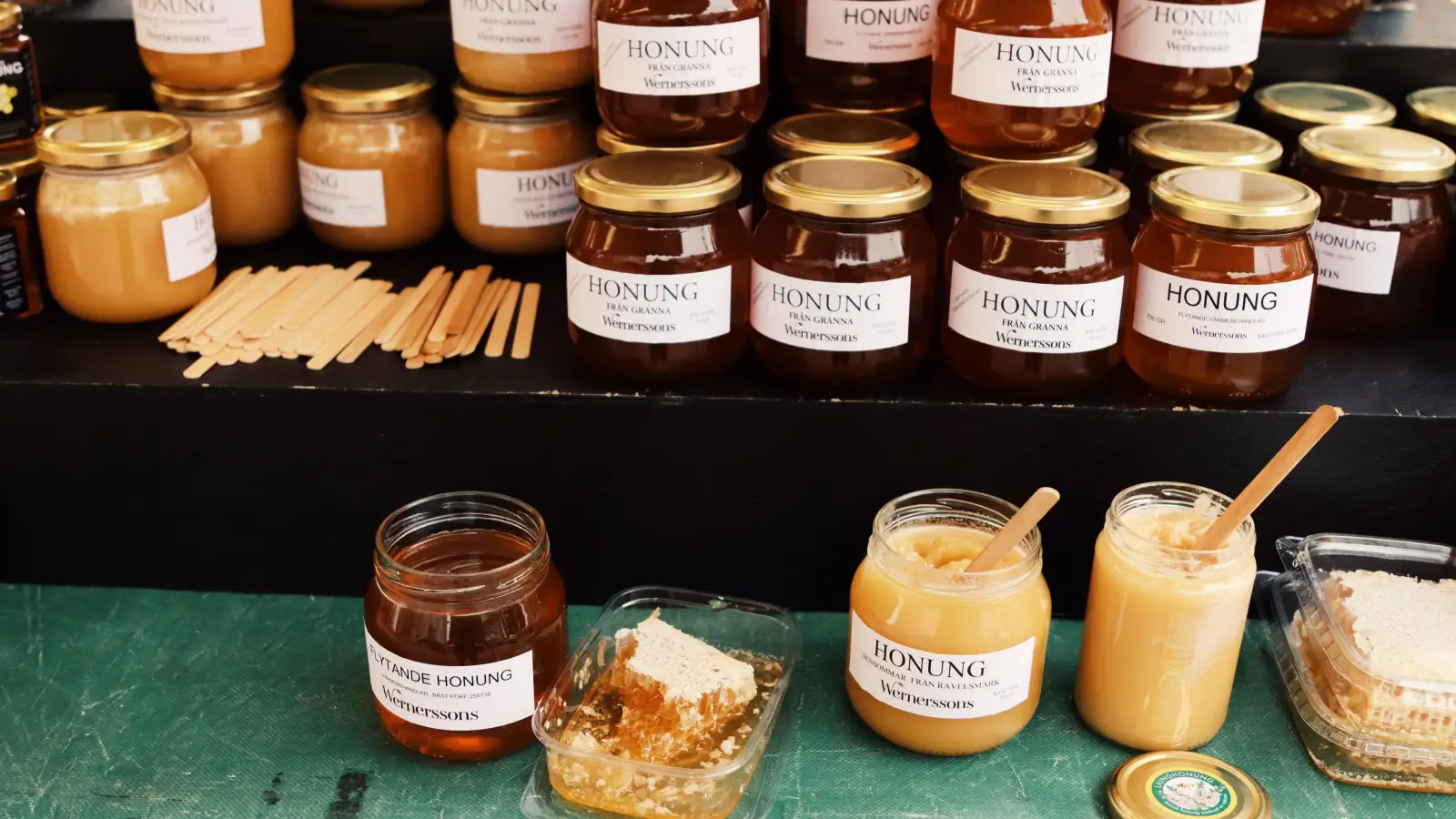
Glass jars beat plastic for storing honey—moisture below 18% and heat below 90°F decide freshness. A practical, step‑by‑step guide with a printable checklist.
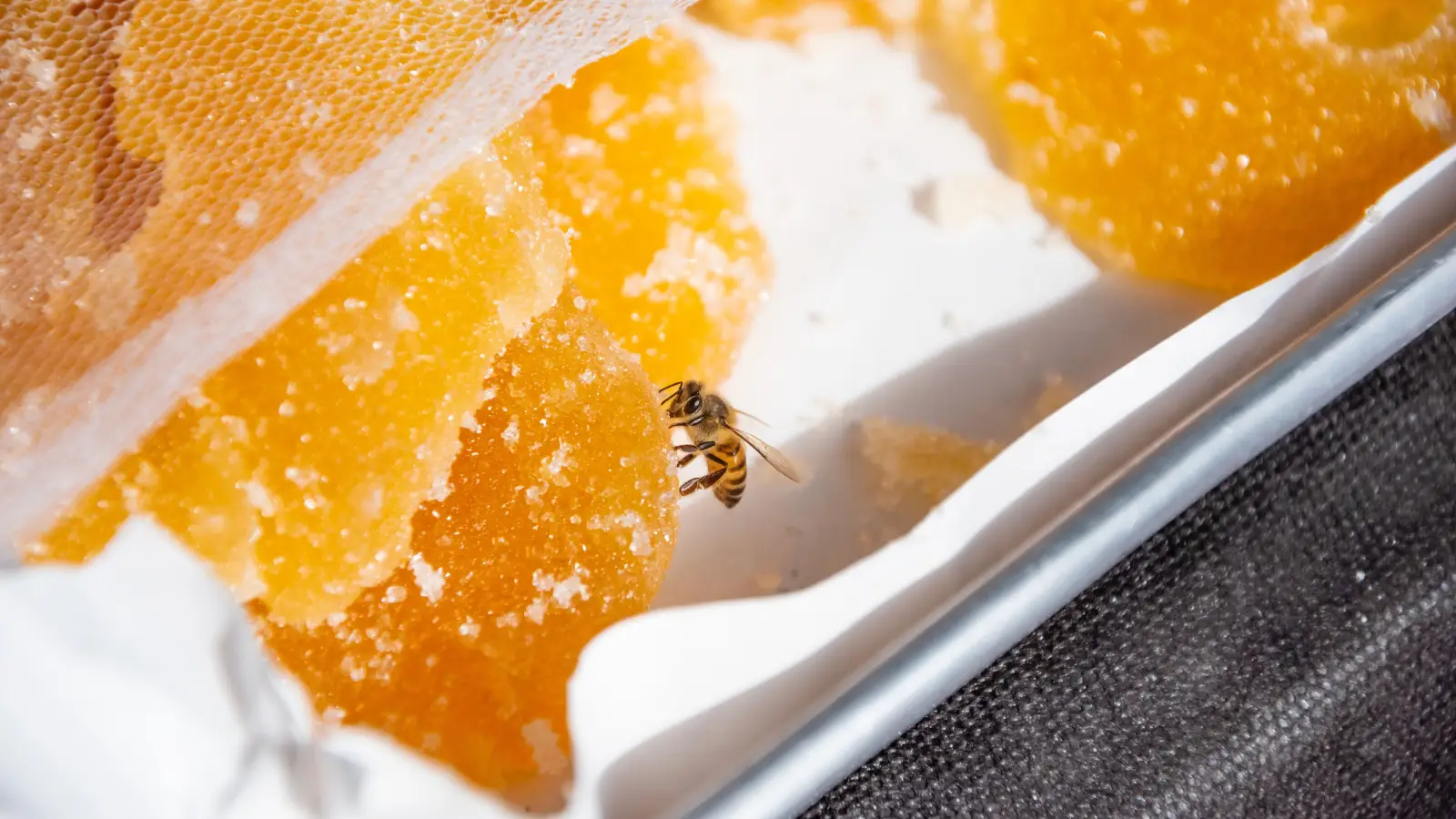
Crystallized honey is safe, not spoiled. Learn what the USDA and FDA say, plus the infant botulism risk that applies to all honey—grainy or liquid.
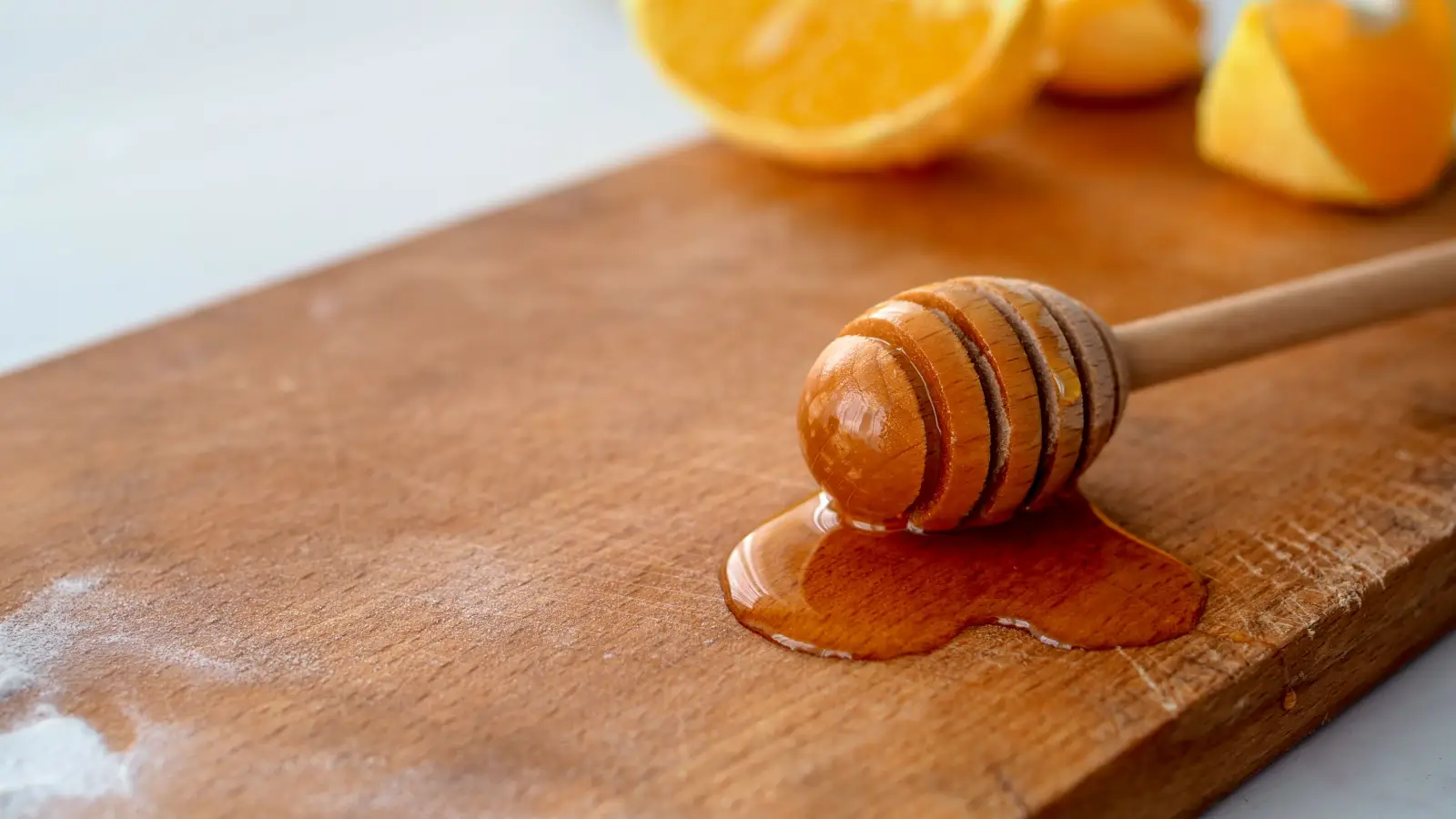
Notice foam, an alcoholic smell, or sour taste? Catch fermentation early to save your honey. Learn how to test moisture and prevent spoilage.
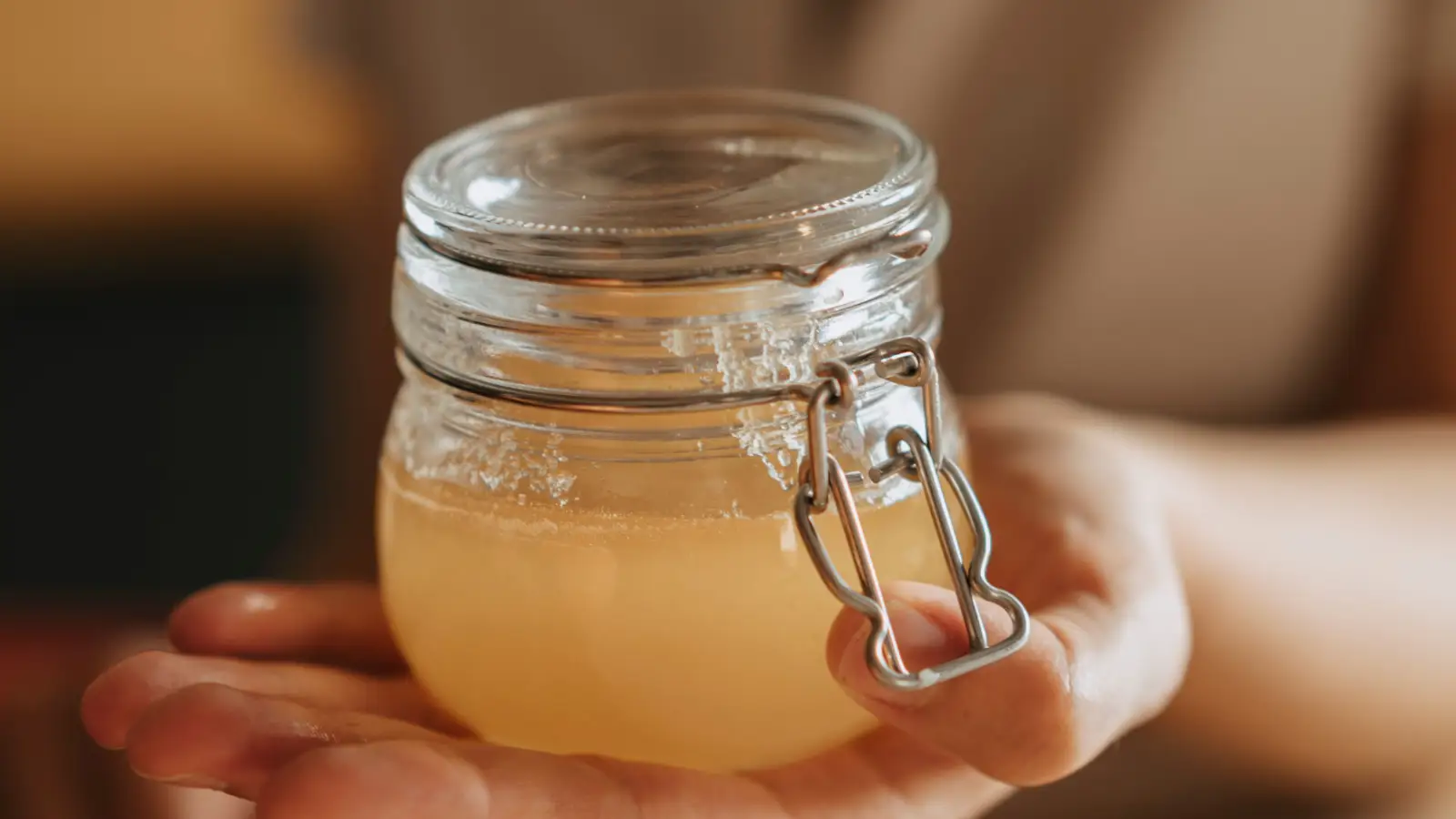
Crystallized honey isn't spoiled. Learn why honey turns solid, when it's still safe to eat, and the one sign that means it's time to toss the jar.
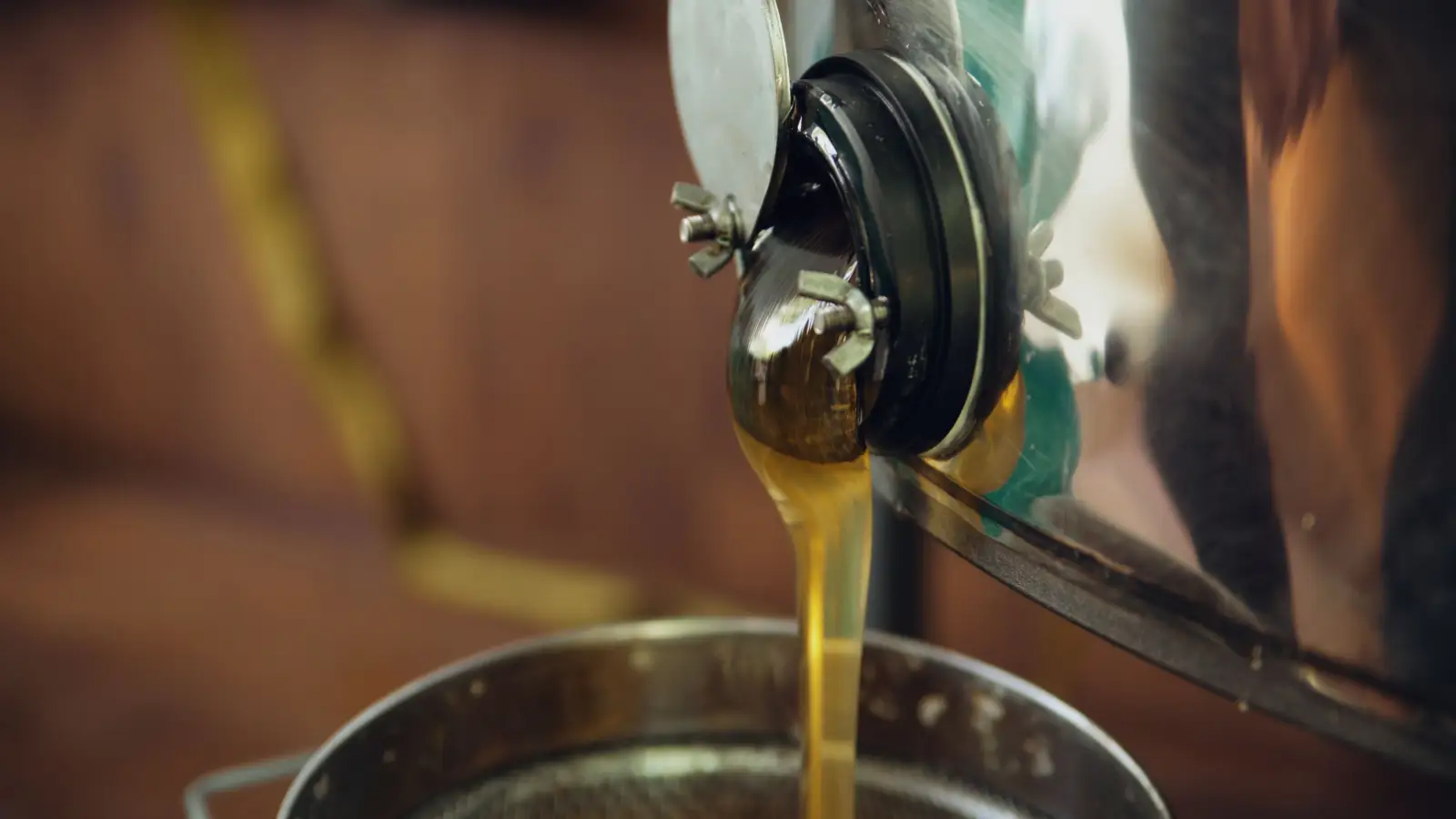
A clean pantry can’t stop the botulism spores in honey. Learn how to store raw and pasteurized honey safely when infants or immunocompromised family live at home.