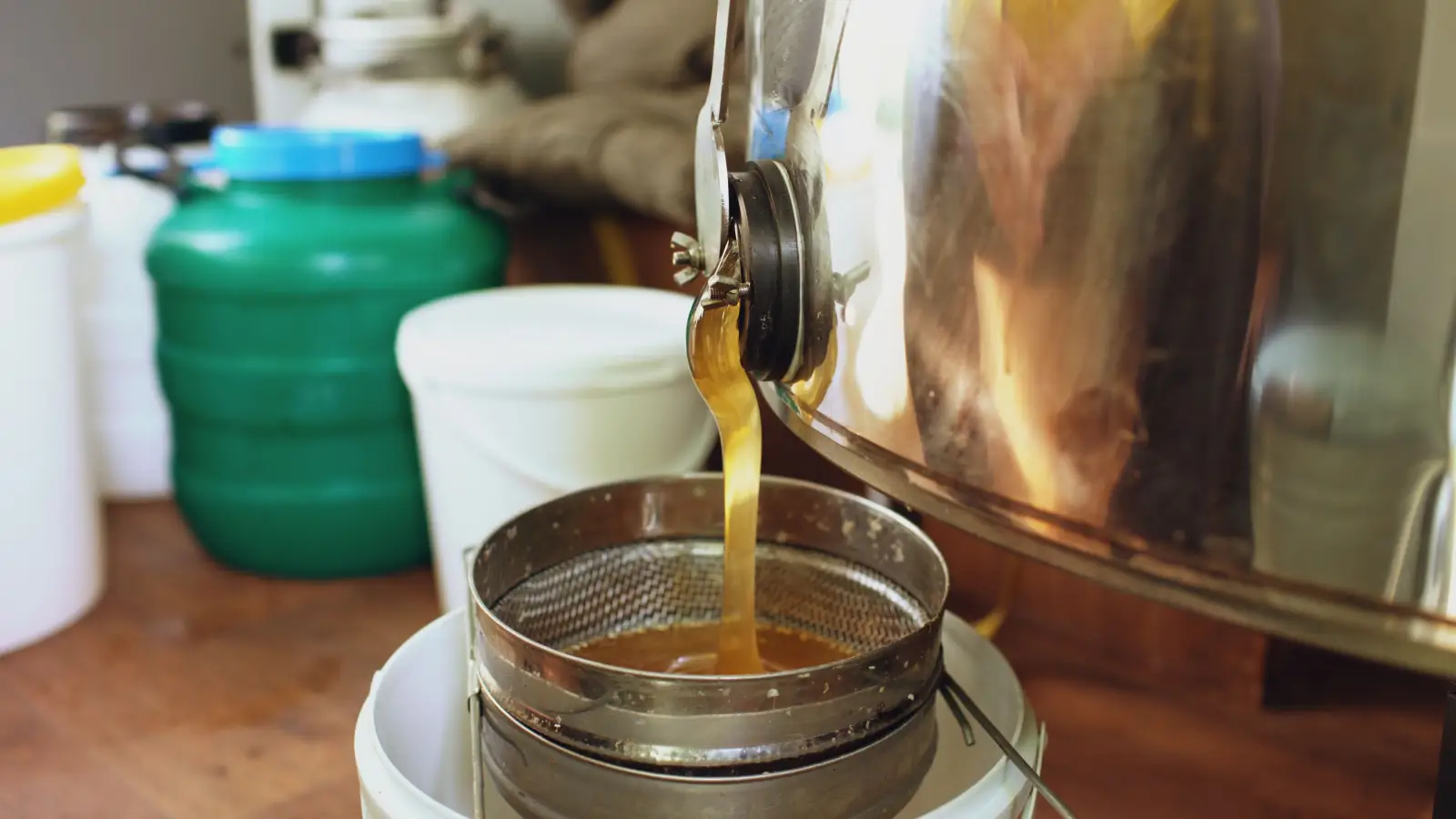
The 3-Step Storage Method That Keeps Honey Pourable for 12 Months
Stop grainy honey with an airtight container, stable pantry spot, and gentle warm-water method. Keeps honey pourable a full year without ruining flavor or enzymes.
Stop grainy honey with an airtight container, stable pantry spot, and gentle warm-water method. Keeps honey pourable a full year without ruining flavor or enzymes.
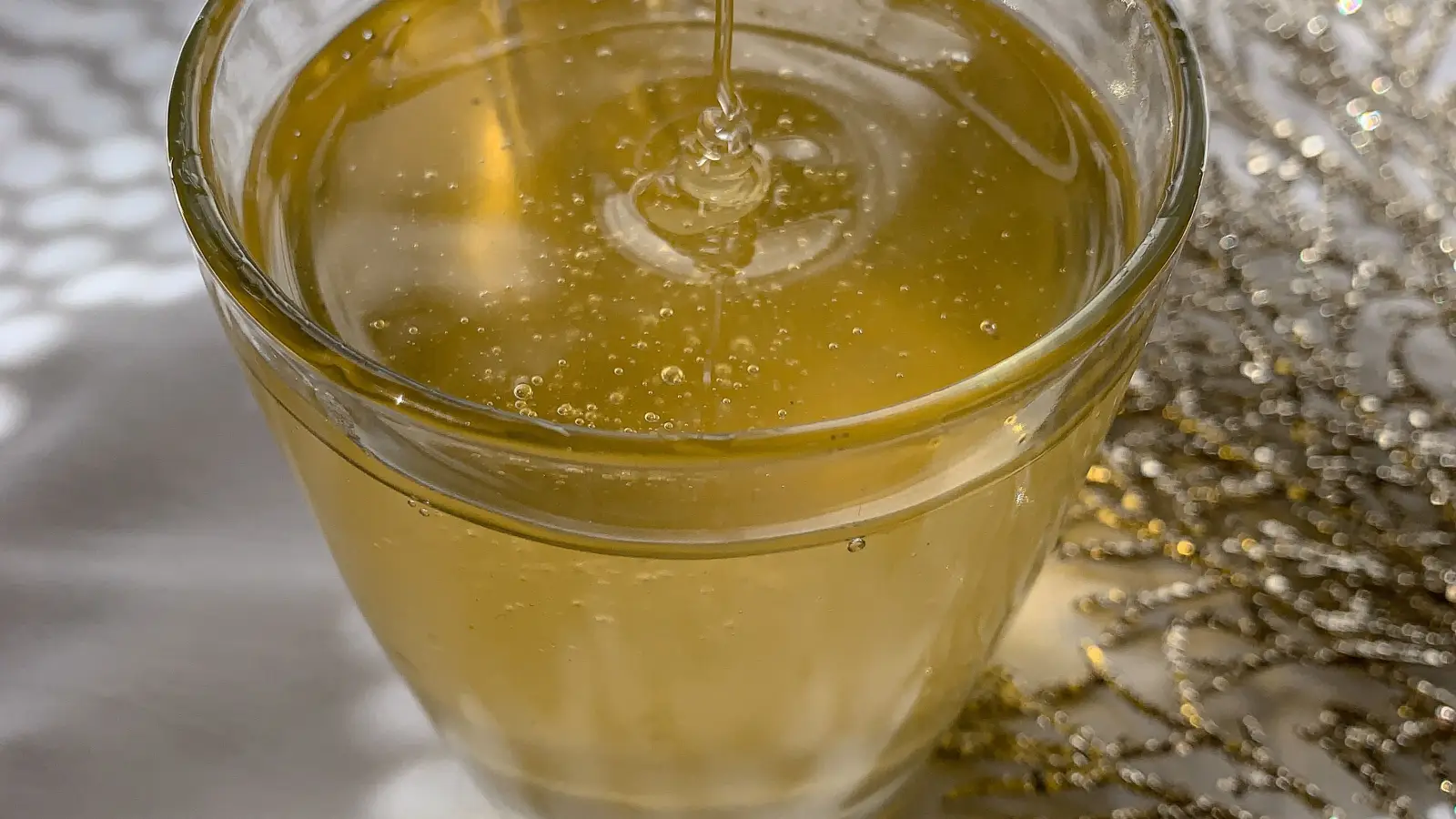
Is crystallized honey spoiled or fake? Not at all. Learn the real differences between solid and liquid honey, why neither is 'better', and when to choose each.
A side-by-side nutritional breakdown of honey and table sugar—calories, glycemic index, and trace nutrients—so you can see when honey is worth it and when it’s not.

Honey’s wound cleaning power comes from glucose oxidase, an enzyme that releases low-level hydrogen peroxide on contact with wound fluid. Learn how this slow-release system works and when it matters most.
Using honey on a wound can go wrong fast. See the 5 mistakes that cause infection, allergic reactions, and worse—and learn exactly what to do instead.
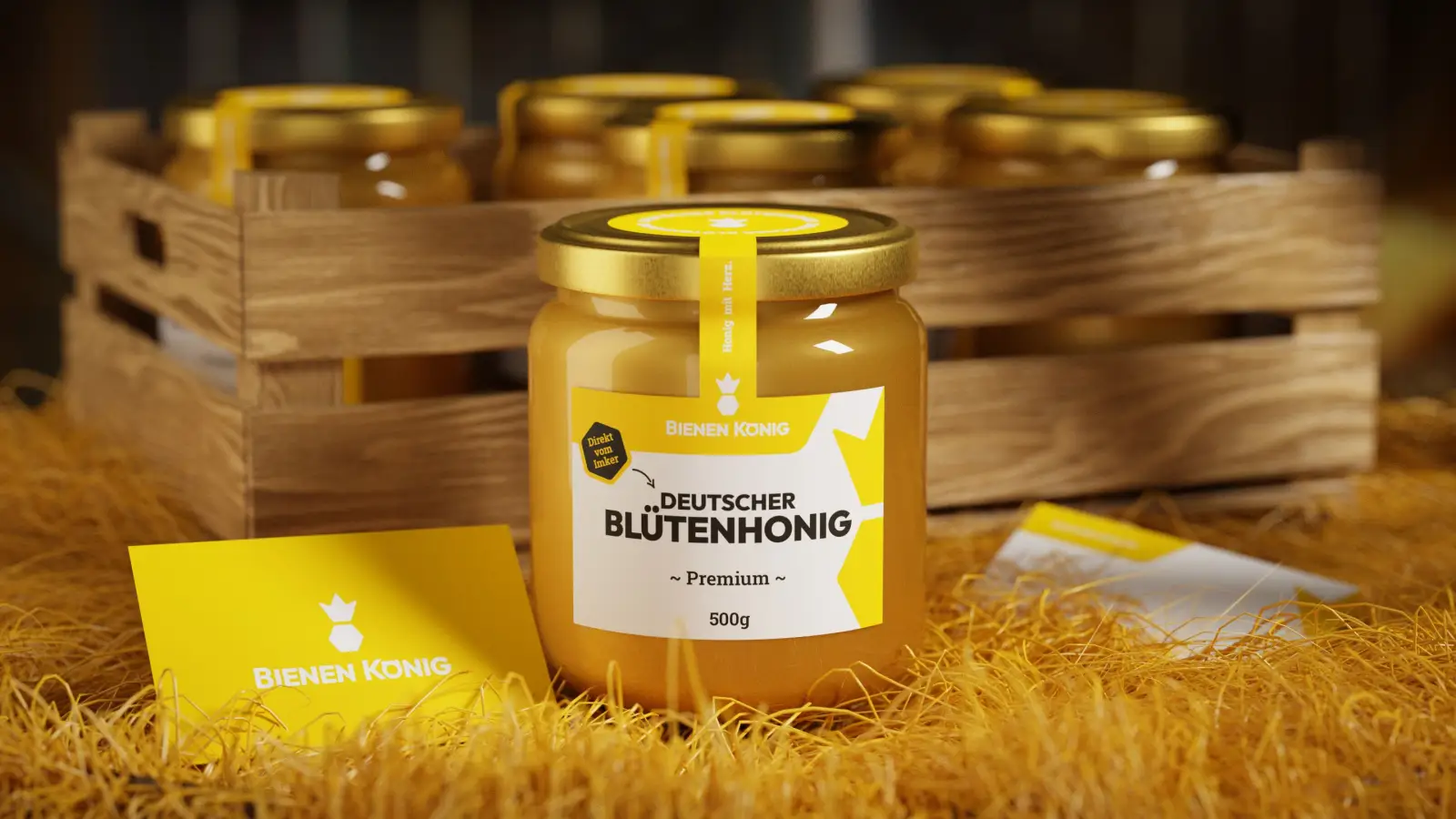
No legal definition exists for monofloral honey in the U.S., so a label can promise a flower but deliver a blend. Learn what the term actually conveys and how to buy with confidence.
Raw local honey still contains the same allergenic proteins as any honey. Learn why the myth is dangerous, what the case reports show, and how to stay safe with a honey allergy.
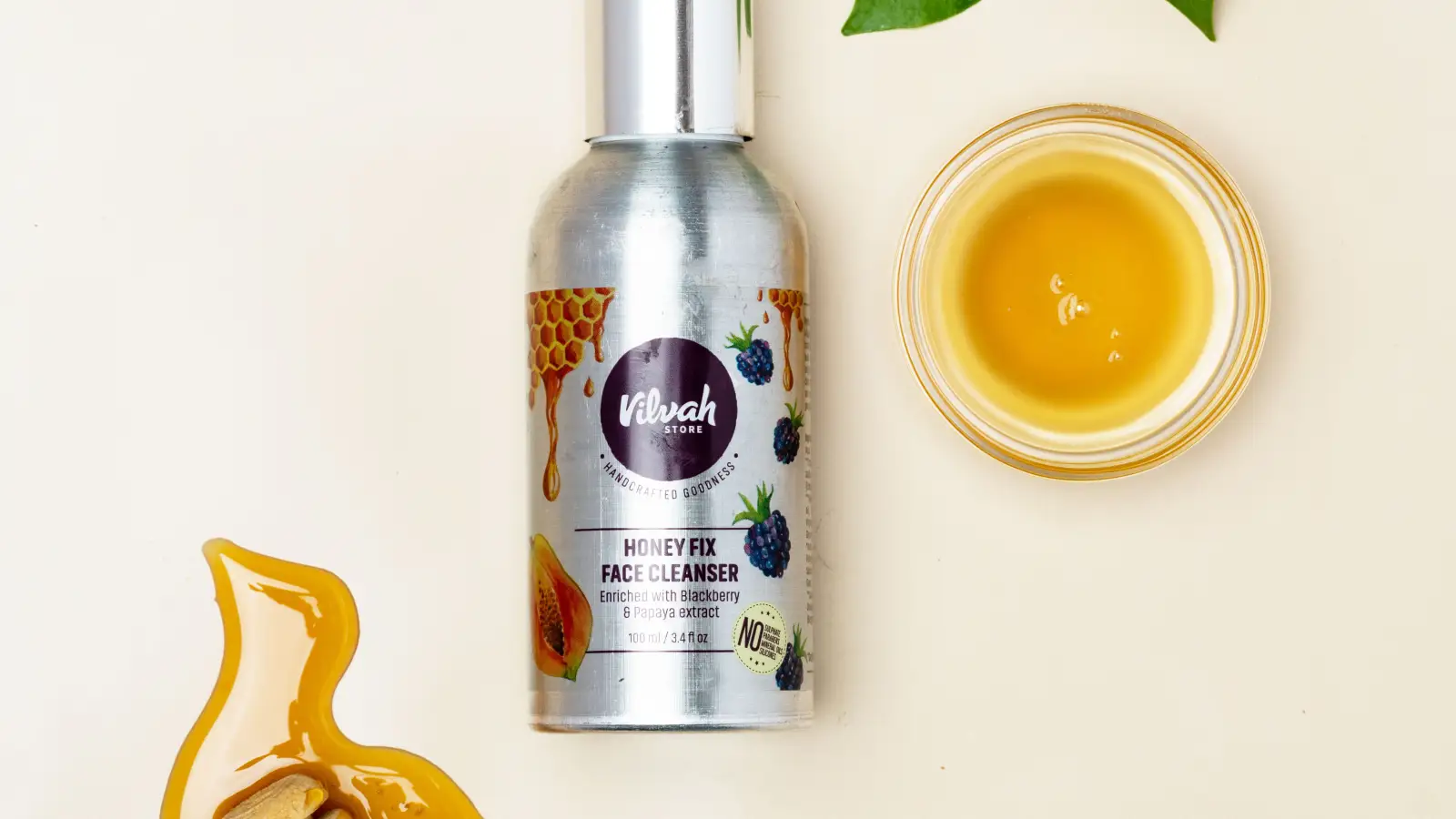
Find the right honey face mask for your skin: dry, oily, sensitive, dull, or breakout-prone. Each recipe explains why the ingredients work, turning routine into education.
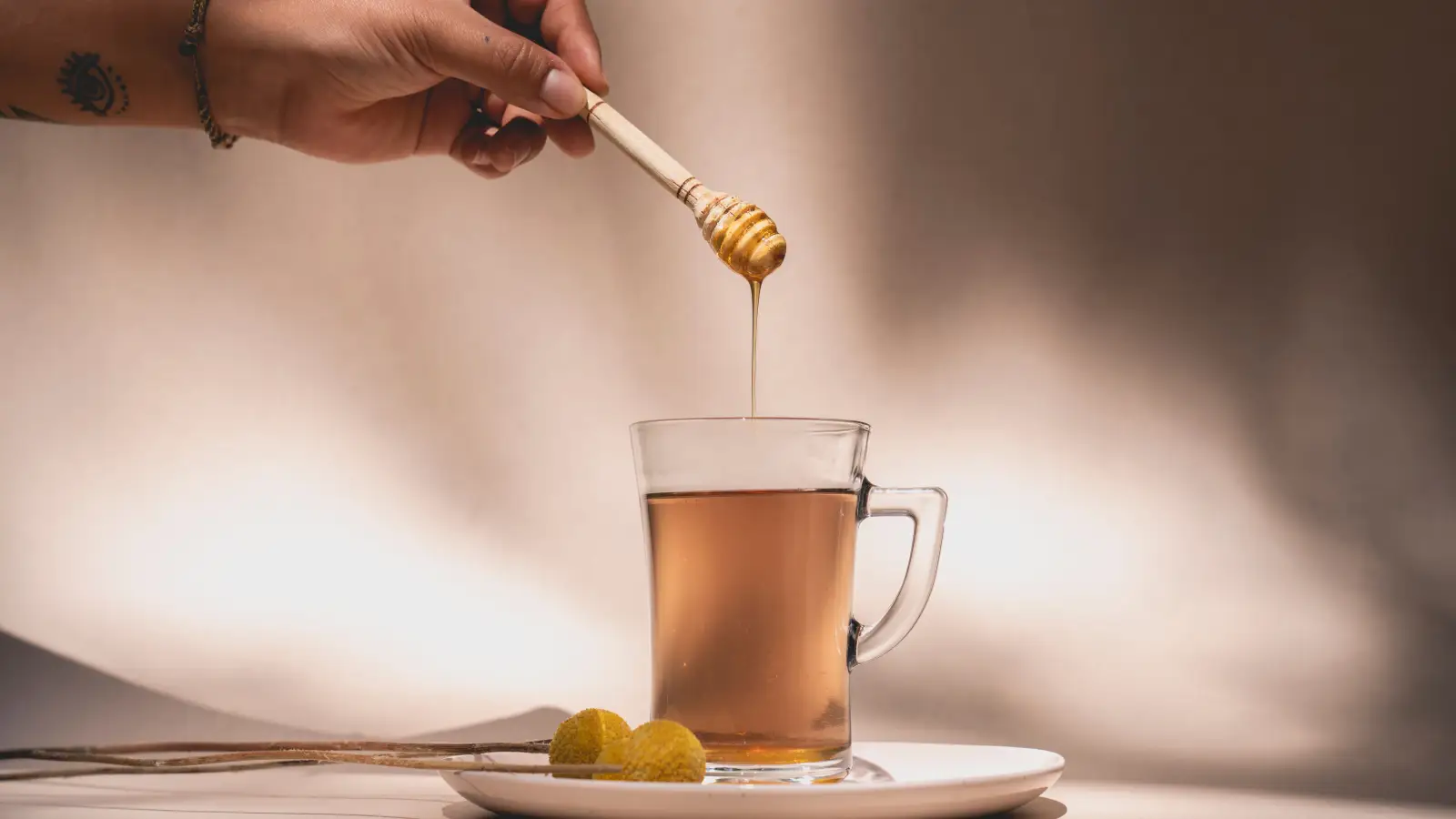
Microwaving raw honey can inadvertently pasteurize it and ruin its benefits. Use a precise 104°F water bath to re-liquefy crystals safely—step-by-step guide inside.
Seeing 'local' on honey? The USDA doesn’t regulate that term, and the pollen inside won’t match your regional allergens. Learn why the allergy promise falls apart—and what to look for instead.