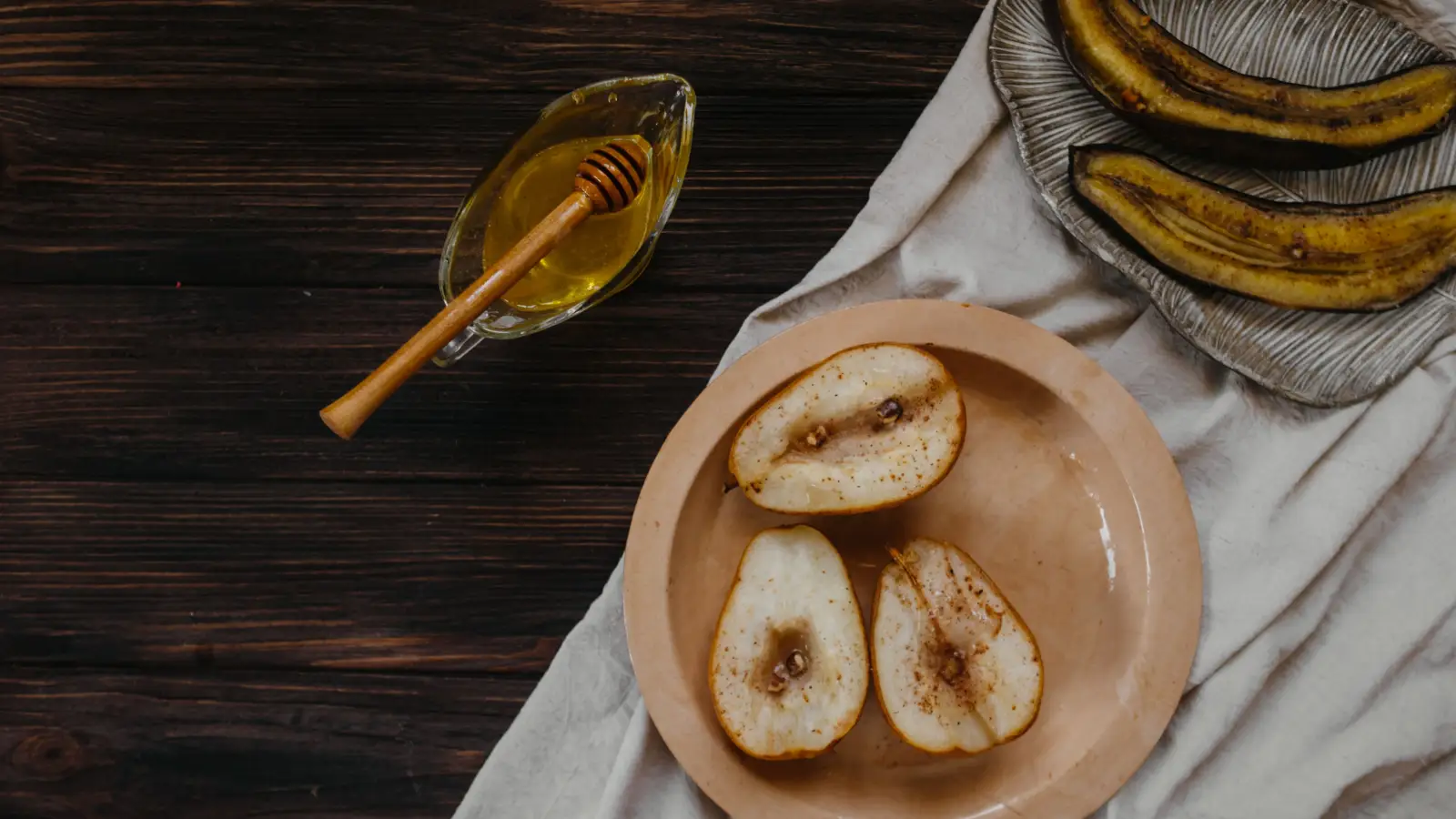
For Home Cooks: The Monofloral Honey Pairing Guide
Learn to pair monofloral honey with food using aroma chemistry. Orange blossom with citrus, lavender with herbs—a simple method for home cooks.
Learn to pair monofloral honey with food using aroma chemistry. Orange blossom with citrus, lavender with herbs—a simple method for home cooks.
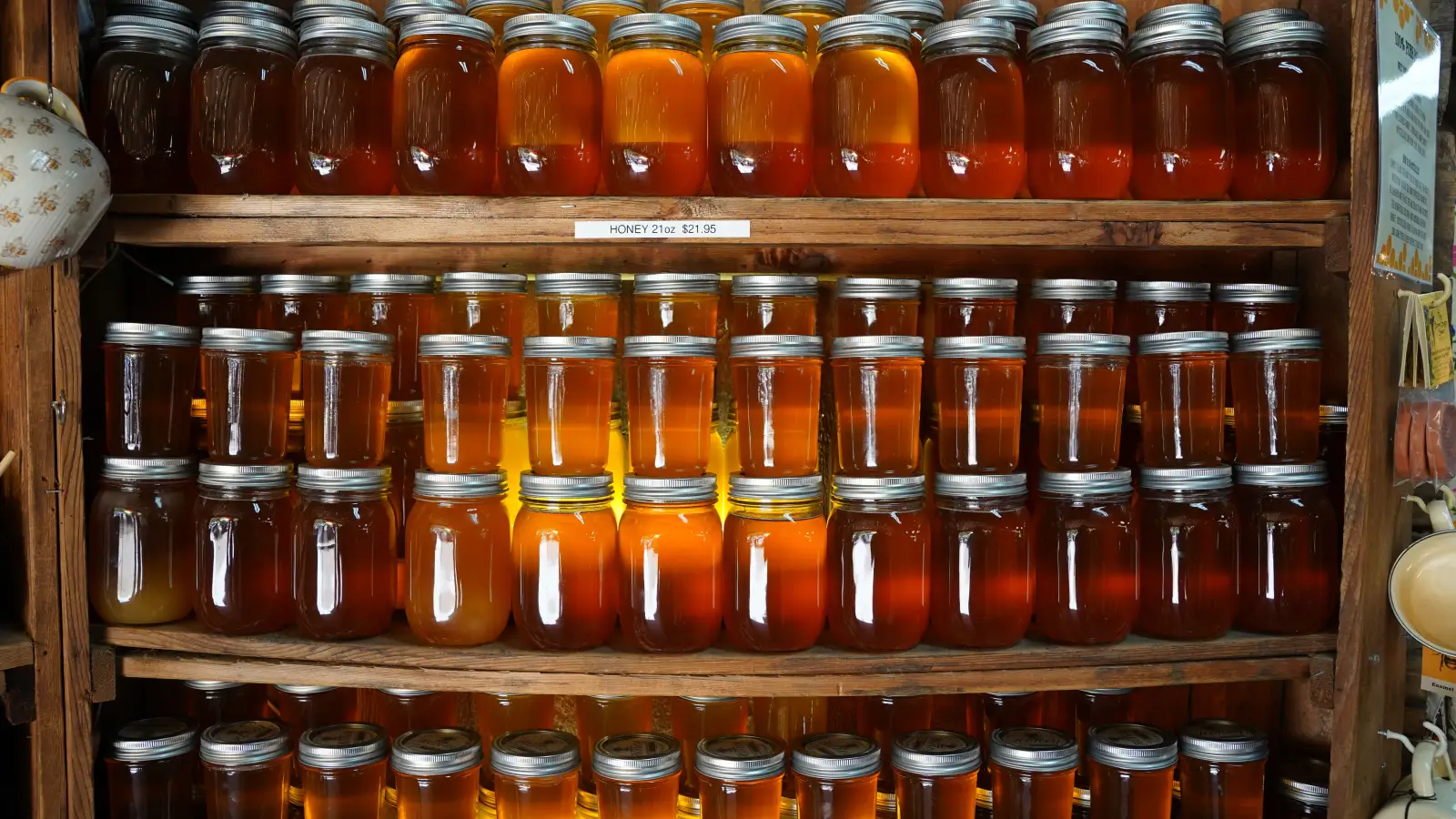
Stop guessing “off” smells. This 6‑step safety checklist uses vinegar odor, fizz, crystal patterns, and pH to give you a firm keep‑or‑toss verdict on stored honey.
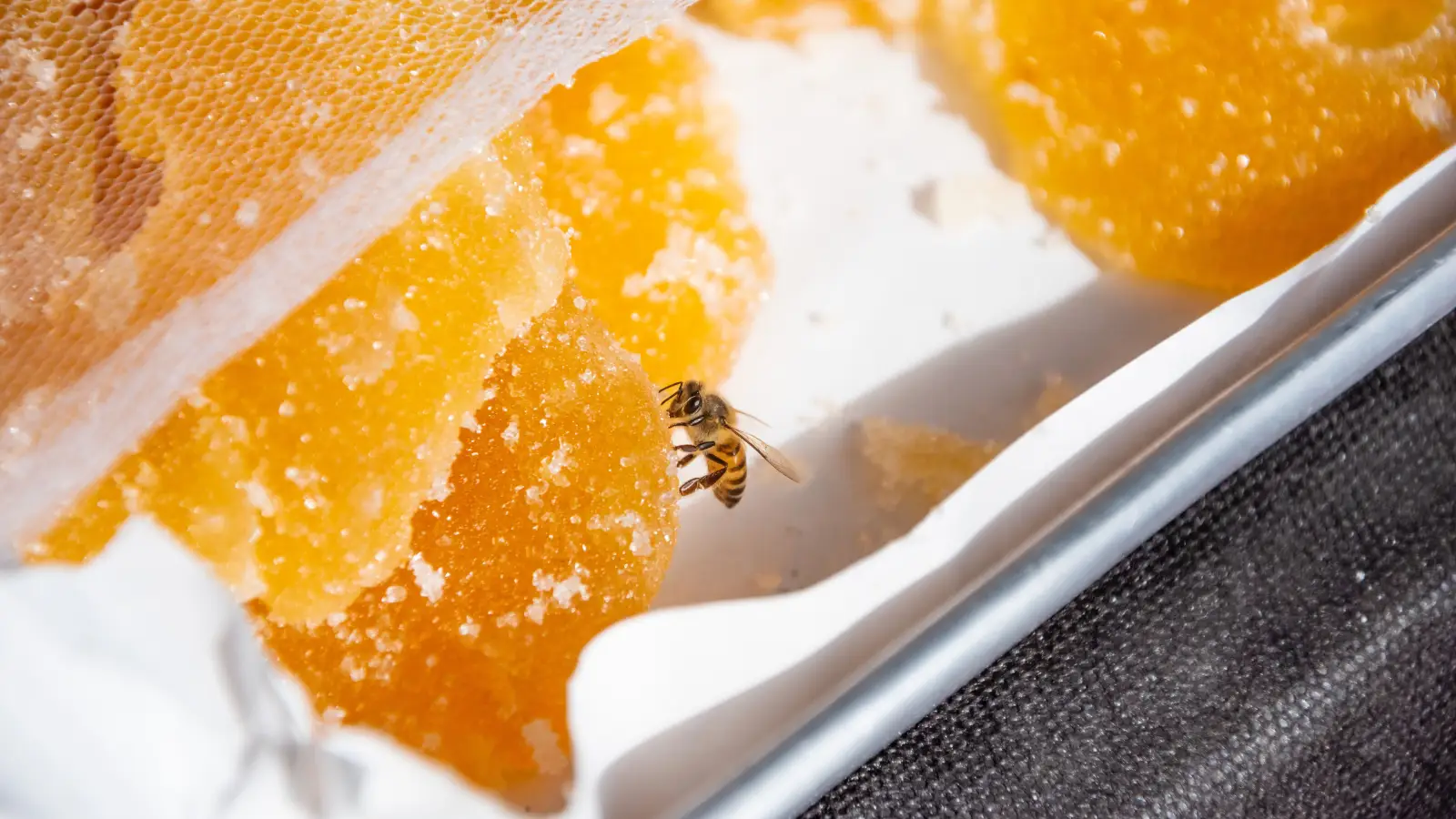
Learn how the glucose-to-fructose ratio drives honey crystallization, why varietal differences matter, and how temperature speeds or slows the process. No oversimplified answers.
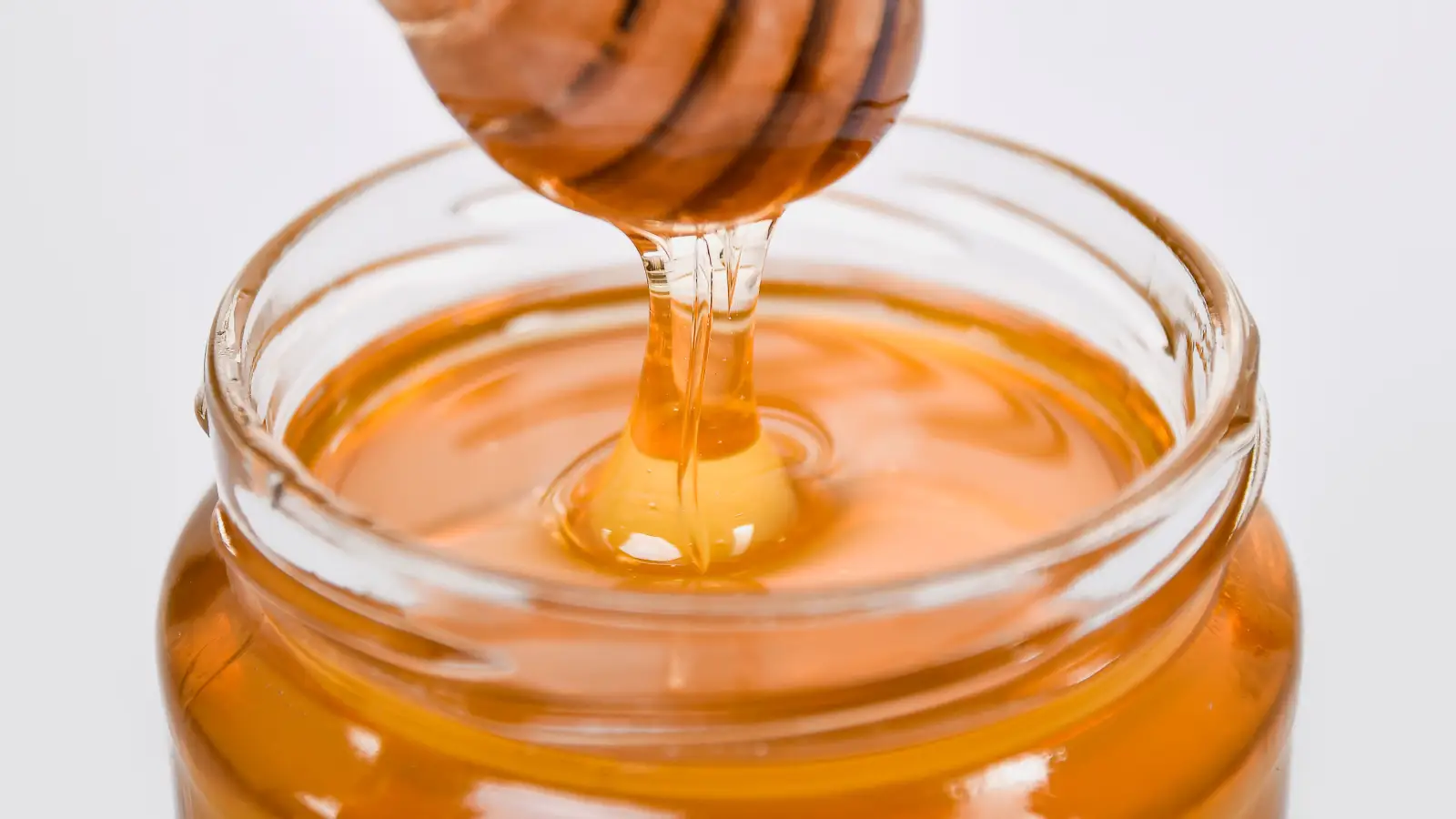
Honey has more calories per teaspoon than sugar, but a side-by-side look at glycemic impact, antioxidants, and metabolic effects shows which one actually wins.
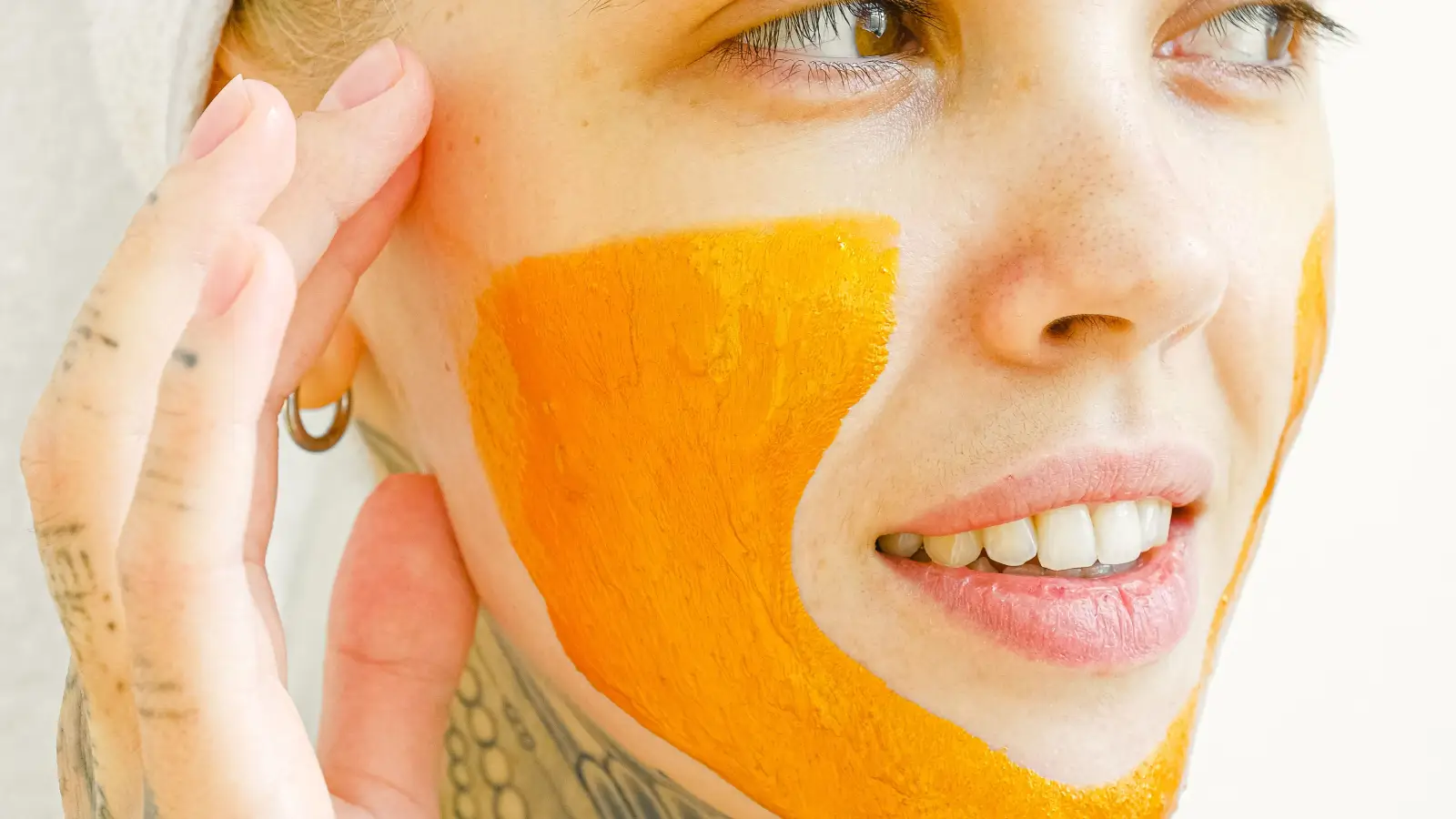
Raw honey can burn, irritate, or break you out if you ignore six specific risks—from pollen allergies to fermented jars. Learn what to watch for before your next mask.
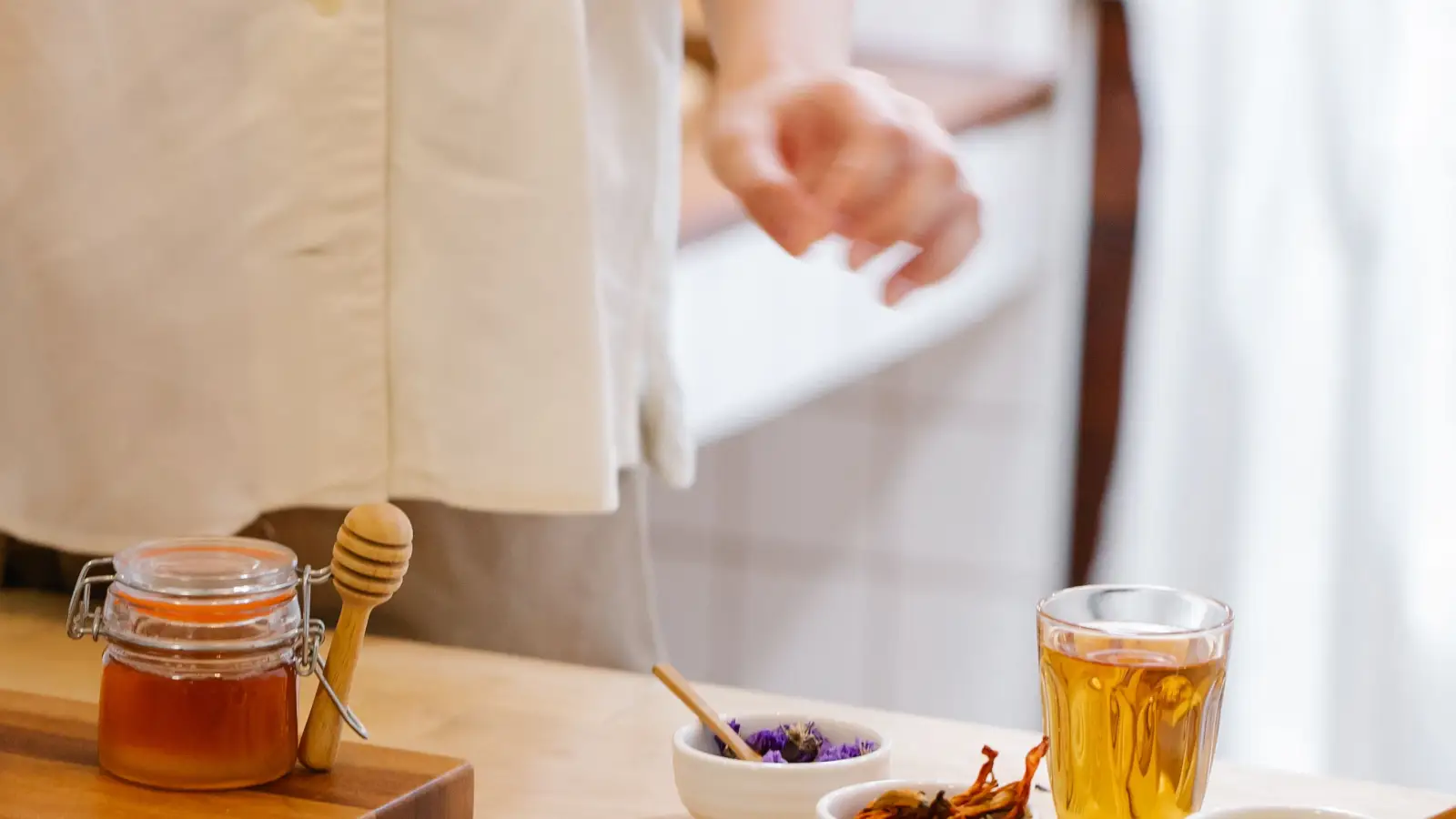
Make a comforting honey-lemon mug in 5 minutes by following the right order: warm water, then raw honey, then fresh lemon. Preserves enzymes and avoids bitterness.

A data-driven look at what clinical trials and lab studies actually show about honey's wound-healing mechanisms, honey types, trial design flaws, and safety.
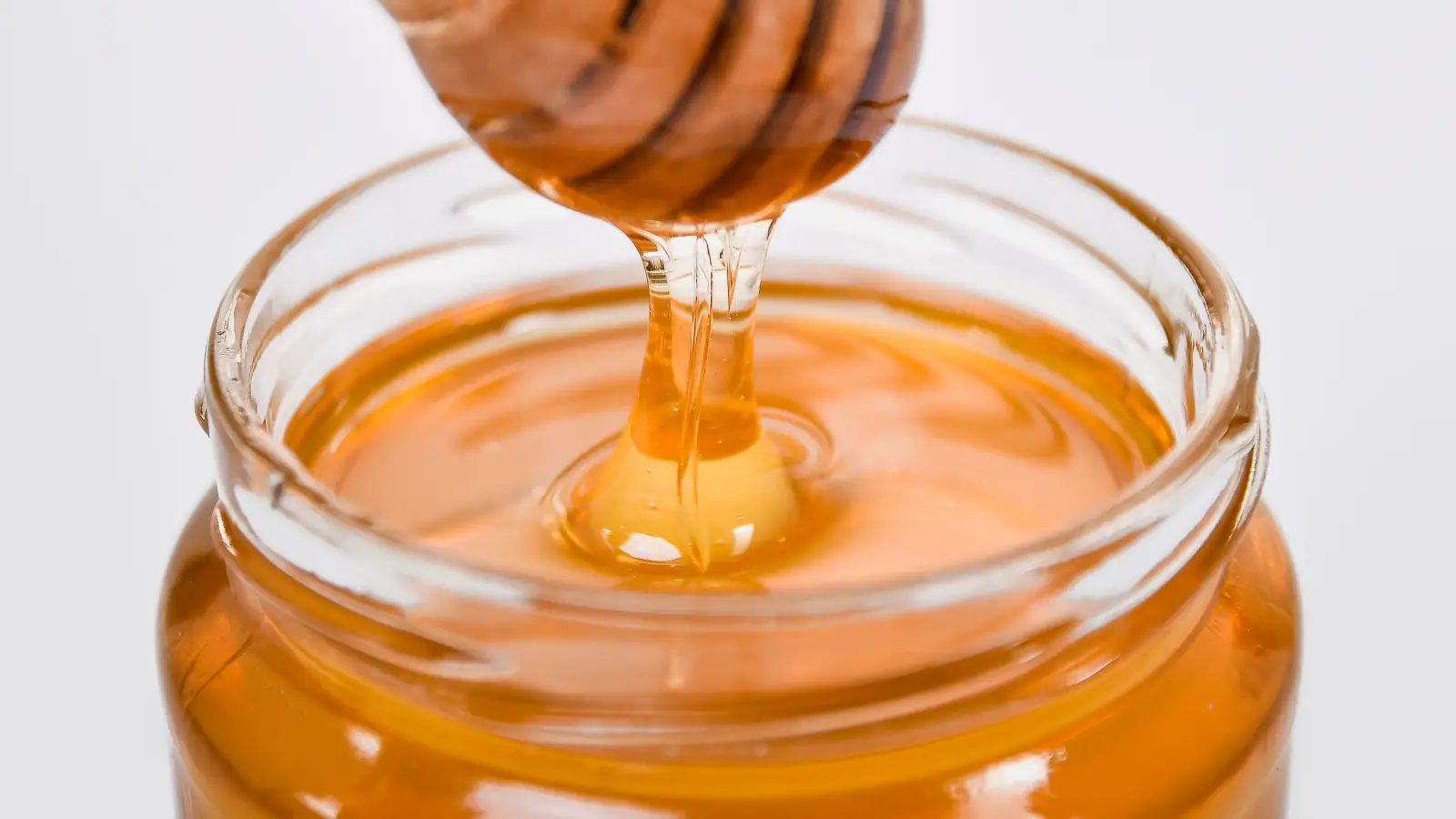
Honey’s antibacterial power isn’t just sugar. Discover how glucose oxidase produces hydrogen peroxide, why antioxidants stabilize the defense, and what this means for shelf life and wound care.
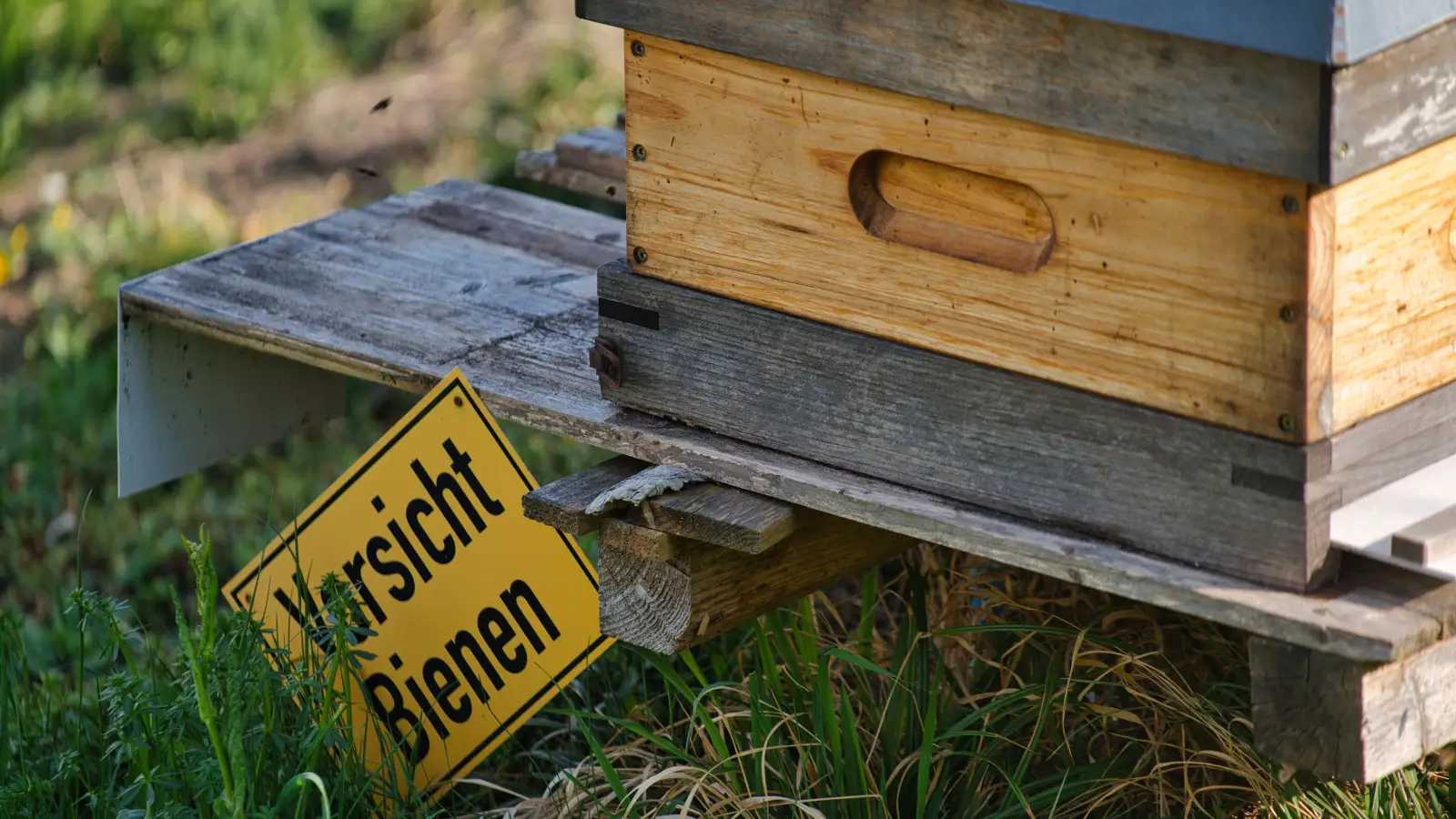
Honey can carry botulism spores that an infant's immature gut cannot fight. Learn the biological reasons behind the no-honey rule and how to keep your baby safe.
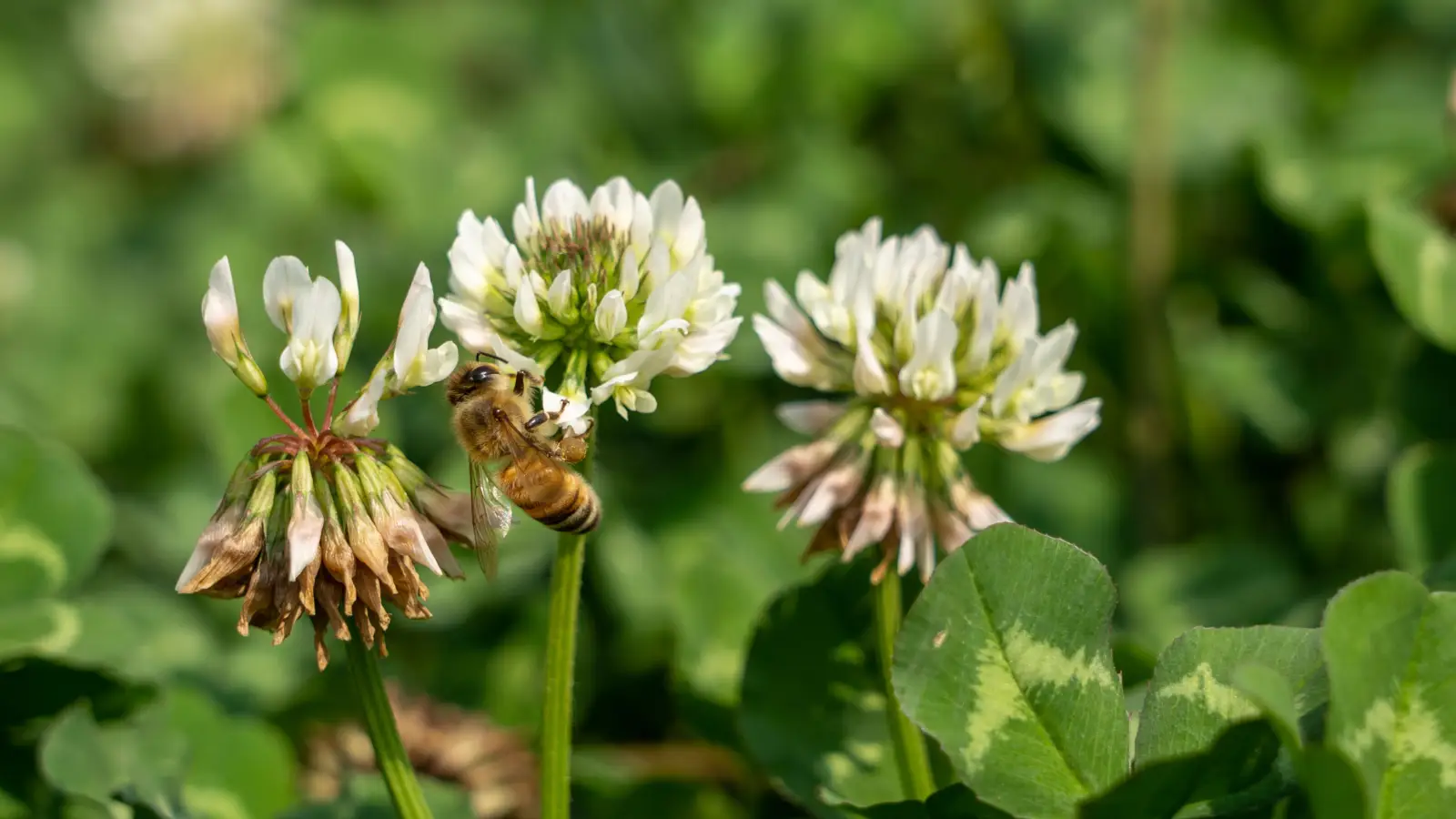
Clover honey isn't just the default sweetener. Learn how its mild flavor, fructose-glucose ratio, and slow crystallization make it the most reliable honey for baking and storage.